


Wooden Potted Plant Stand
These wooden potted plant stand designs range from austere Victorian oak to carved Japanese hardwood, offering sturdy elevations for heavy indoor greenery.
Wooden Potted Plant Stand
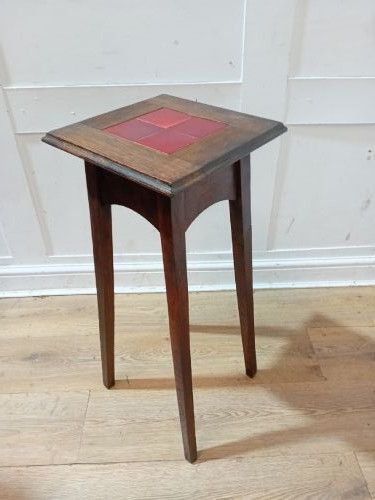
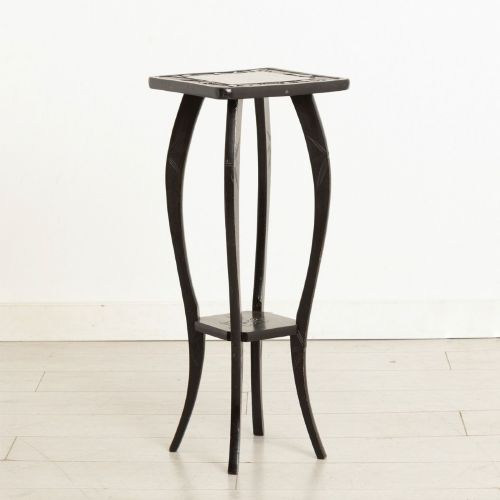
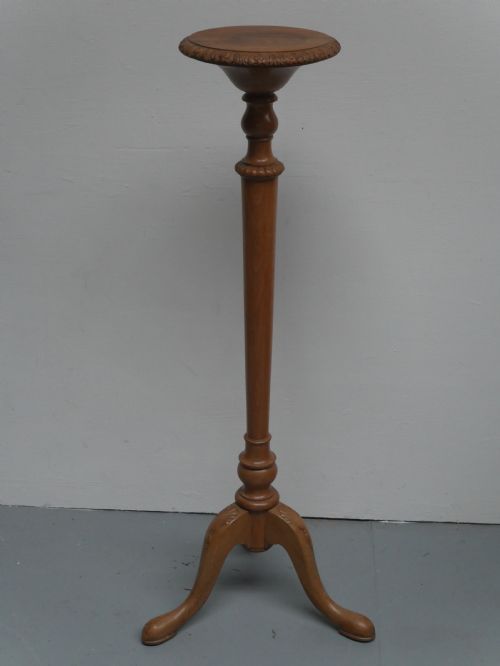
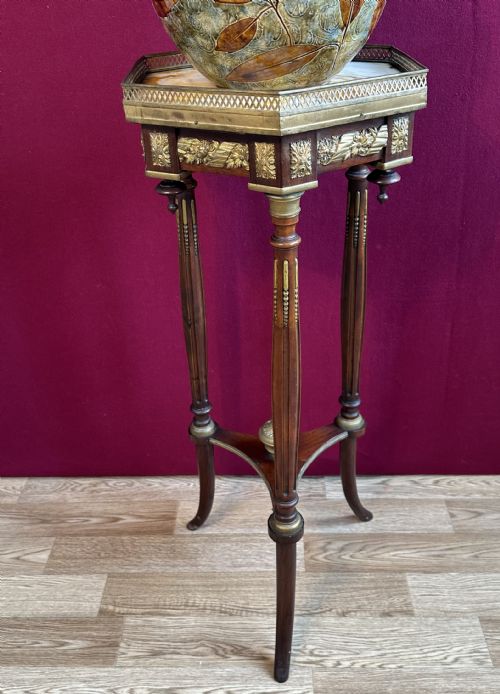
A wooden potted plant stand serves to elevate floral displays and ferns above floor level, keeping dampness away from timber floorboards and bringing trailing foliage into sight. You will find examples here spanning the Victorian and Edwardian eras, alongside pieces influenced by the Arts and Crafts movement and Chinese Export traditions.
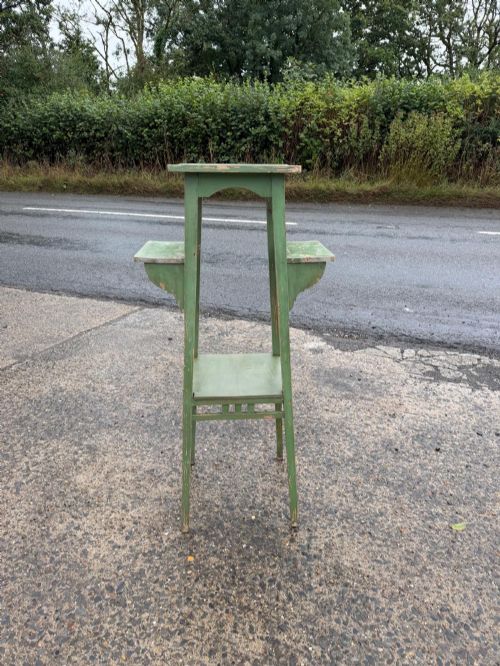
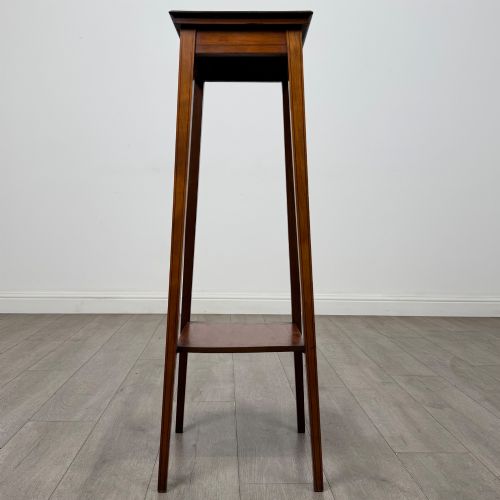
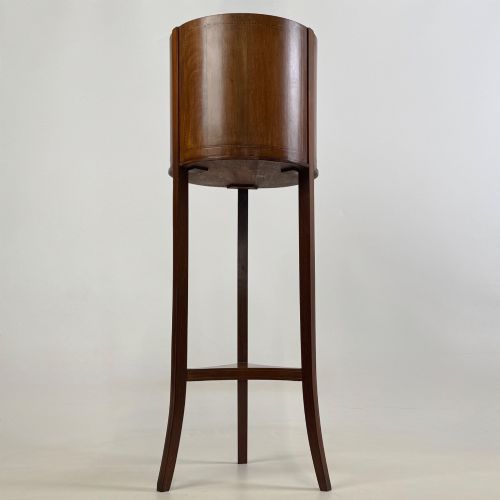
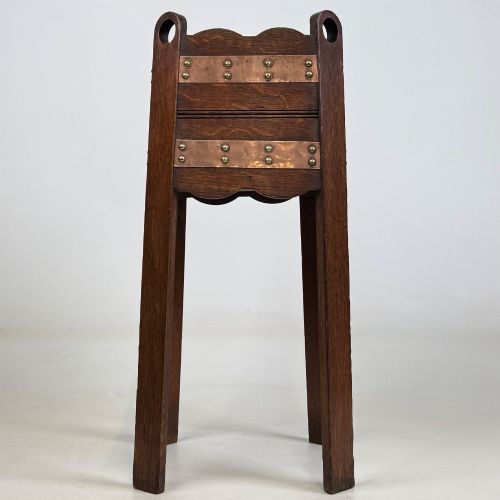
Most pieces on this page are single pedestals, jardiniere stands, or low tables designated for holding heavy pots and jardinieres. These forms vary from simple turned mahogany columns to coopered oak barrels bound in brass and rustic painted pine garden room trays.
How They Were Made
Cabinetmakers utilised dense timbers like mahogany, walnut, oak, satinwood, and hardwood to ensure the structural integrity required for supporting heavy earthenware and porcelain vessels filled with wet soil. Coopered construction techniques appeared on barrel-style planters, whilst joiners built Arts and Crafts pieces with exposed structural joints.
Surface treatments range from clear wax polishes that highlight rich grain patterns to original green paint and hand-carved ornamentation. Details such as inset marble tops provided waterproof surfaces impervious to water splashes, while brass bands and bindings added structural reinforcement.
Some Edwardian plant stands doubled as impromptu smoking tables when the fern was removed for watering.
What Varies in Quality
The distinction between ordinary and superior pieces rests upon the precision of the joinery and the choice of materials, such as figured mahogany or dense walnut rather than utility pine. Hand-carved detailing executed with crisp depth distinguishes bespoke workshop items from simpler turned production pieces.
Originality of surface finish and hardware, including intact brass bindings and uncompromised marble inserts, preserves the integrity of the piece. Stability under weight remains paramount, separating robustly constructed stands from those weakened by loose joints.
Liberty of London
The Wooden Potted Plant Stand Glossary
- Jardiniere stand
- A tall piece of furniture specifically designed to support an ornamental flower pot or jardiniere. These stands raise foliage to eye level and protect household surfaces from moisture.
- Coopered
- A method of construction using narrow wooden staves joined edge to edge to form a round vessel, typically secured with metal hoops. This technique appears on barrel-style plant holders.
- Marble top
- A stone slab fitted into the upper surface of a stand to provide a cool, waterproof platform for potted plants. It prevents water damage to the underlying timber.
- Arts and Crafts
- A design movement prioritising simple forms, traditional craftsmanship, and visible construction methods. Pieces from this tradition often feature solid oak with understated joinery.
Wooden Potted Plant Stand: Frequently Asked Questions
How do I protect the wood from water damage?
Most antique stands feature sealed timber surfaces, but ceramic saucers placed beneath plant pots remain essential for catching drainage. Marble-topped versions offer natural resistance to moisture.
Regular waxing helps maintain the barrier against accidental spills during watering.
Are these stands suitable for outdoor use?
These antique items are intended for interior domestic spaces, conservatories, or covered garden rooms rather than exposed outdoor gardens. Weather fluctuations cause timber to warp and split.
Keeping them away from direct radiator heat and damp patio flags preserves the polish and structure.
How do I distinguish Victorian from Edwardian stands?
Victorian stands tend to feature heavier proportions, dark mahogany or walnut timbers, and occasionally ornate carving or Gothic Revival influences. Edwardian examples often display lighter satinwood, simpler lines, or Arts and Crafts plain oak.
Turned columns and bamboo-style turning appear frequently across the late nineteenth and early twentieth centuries.