
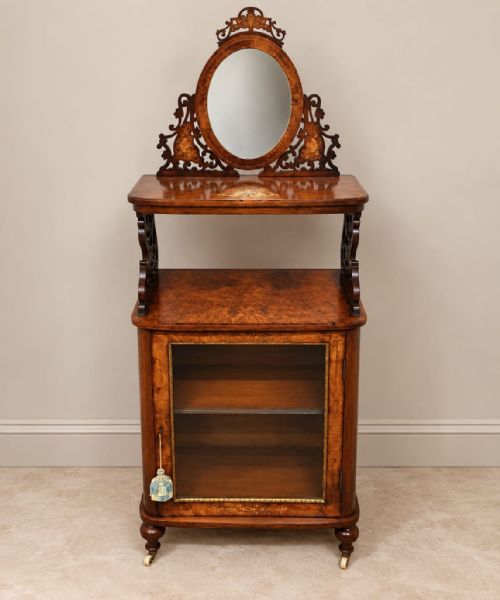
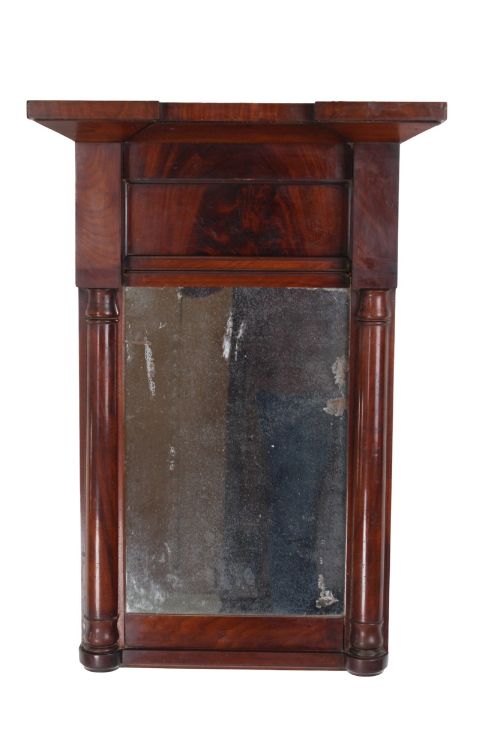
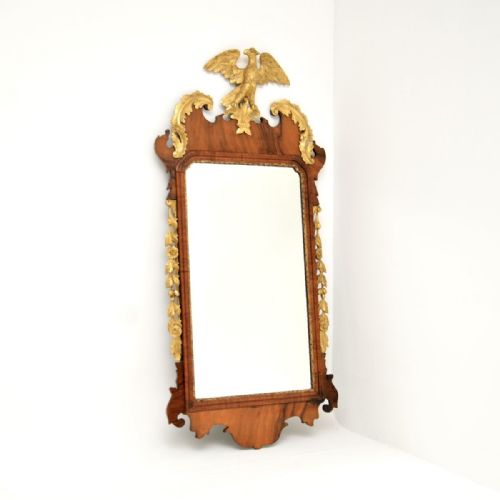
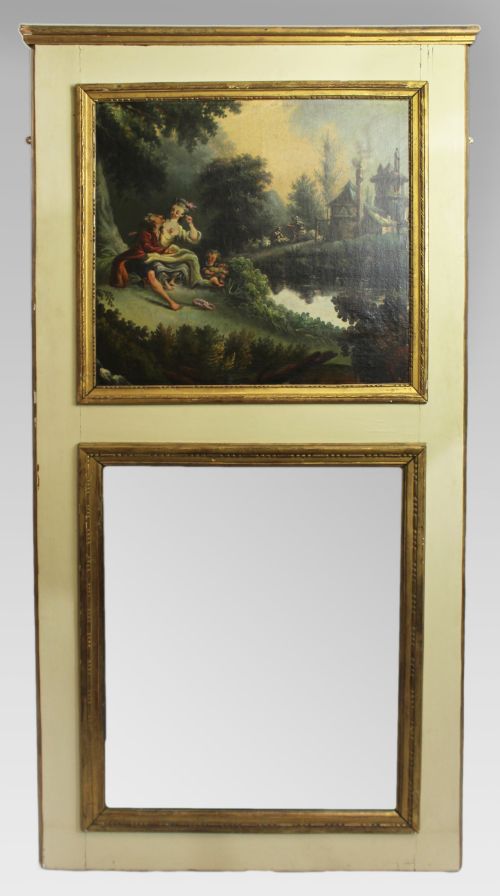




Wooden Pier Glass
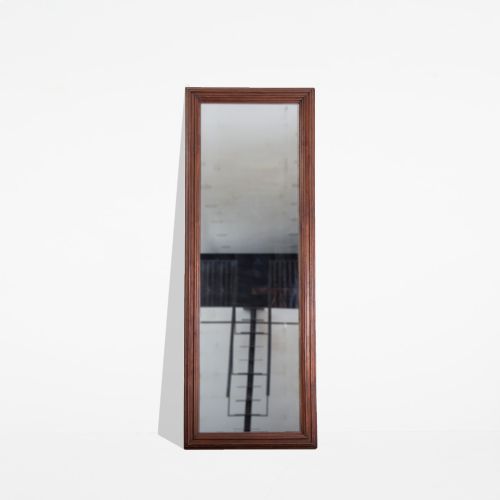
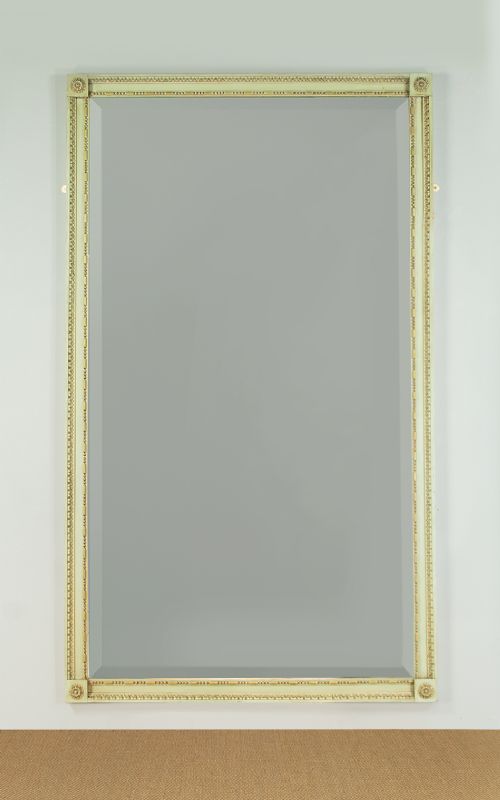
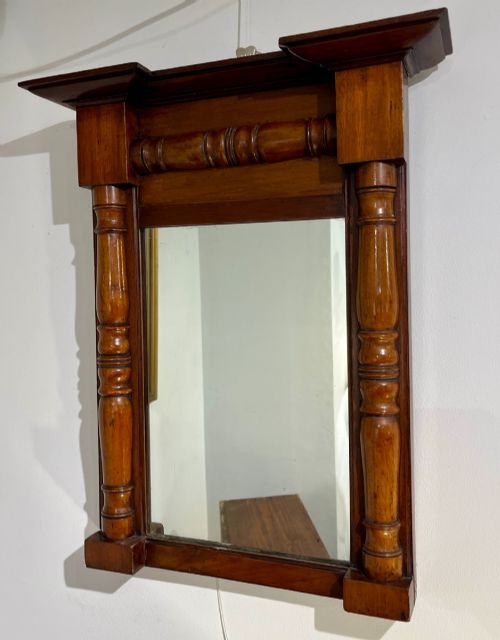
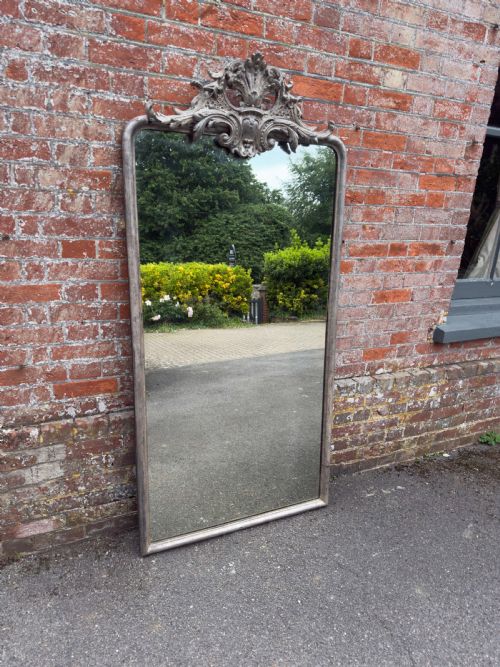
These wooden pier glass pieces bring historic depth to any room, offering tall reflections and rich period timber frames.
Wooden Pier Glass
When you search for wooden pier glass, you encounter tall wall-hanging mirrors designed to fit the narrow wall space between windows. These mirrors reflect natural light back into a room and often incorporate architectural details.
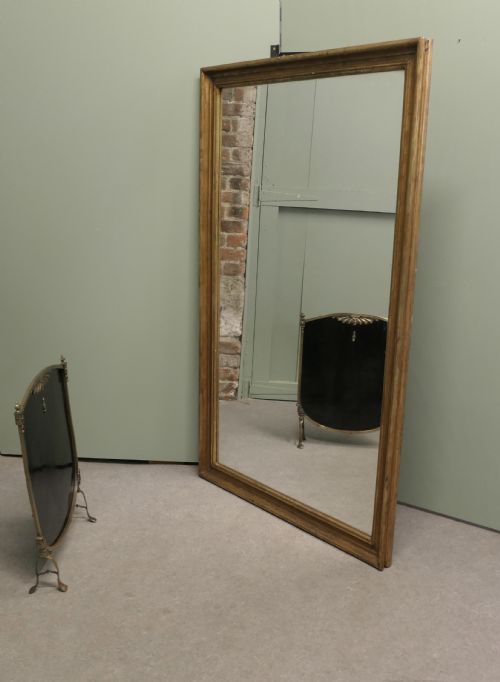
The selections available span several centuries, with prominent examples originating from the Georgian, Regency, and Victorian eras. Mahogany, walnut, and giltwood form the primary framing materials for these vertical wall pieces.
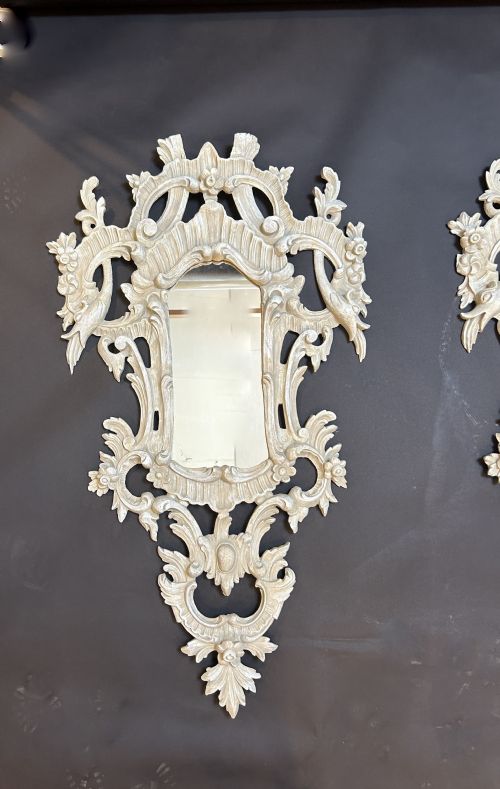
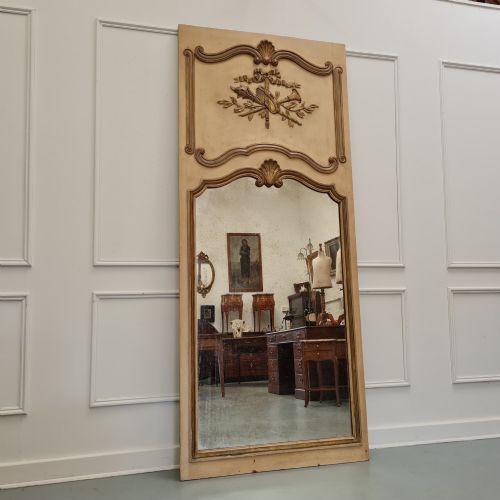
Makers utilised distinct regional styles, producing everything from simple mahogany frames to ornate French trumeau mirrors featuring painted panels and silvered gesso. Each piece reflects the interior design priorities of its respective period.
How they were made
Craftsmen shaped solid timbers such as mahogany, walnut, and sycamore to construct the primary structural frames. Joinery methods relied on traditional pinned or glued joints designed to withstand the tension of heavy glass plates.
Decorative elements often involved applied gesso, carved wood, parcel gilding, or hand-painted finishes. Silvered mirror glass or mercury plate was then secured within the rebate using traditional backing boards.
An early nineteenth-century maple-framed mirror preserves a reverse glass print depicting a naval battle between American and British ships.
What varies in quality
Quality depends upon the crispness of the original wood carving, the depth of the giltwork, and the preservation of early mirror plates. Hand-carved fretwork and finely figured flame mahogany distinguish superior examples from simpler utilitarian items.
The presence of original mercury glass plates, untouched surface patination, and intact architectural mouldings elevate a piece. Lesser examples often show replaced backing materials or over-painted surfaces that obscure the original timber grain.
The Wooden Pier Glass Glossary
- Pier glass
- A tall mirror specifically designed to hang on the narrow pier of wall between two windows. These vertical glasses maximise interior illumination.
- Gesso
- A plaster-like mixture applied to wood frames and carved or moulded before gilding. This technique allows for elaborate decorative relief work.
- Trumeau
- An architectural mirror incorporating a painted or carved panel above the glass. These originate largely from French interior design traditions.
- Parcel gilt
- A finishing method where selected portions of a wood or gesso frame receive gold leaf while other areas show exposed timber or paint. This creates a contrasting two-tone decorative effect.
- Vauxhall mirror
- An early mirror plate characterised by bevelled edges cut by hand. Such plates indicate manufacture associated with the historic Vauxhall glassworks.
Wooden Pier Glass: Frequently Asked Questions
Where should I hang a pier glass?
These tall mirrors fit naturally between two windows or above a low side cabinet to bounce natural light across the floor. Their vertical proportions suit rooms with high ceilings where standard landscape mirrors look disproportionate.
Ensure the wall anchors securely support the weight of the timber and glass frame. Positioning the glass opposite a window maximises the reflection of daylight.
How do I identify a Georgian mirror?
Georgian examples frequently utilise walnut, mahogany, or parcel gilt sycamore with architectural fretwork or scrolled pediments. Look for period joinery techniques and early glass plates secured by old wooden slips.
Proportions remain balanced according to classical design rules of the eighteenth century. Secondary woods on the reverse often include pine or oak appropriate to the period.
What is a trumeau mirror?
A trumeau combines a vertical mirror plate with an upper decorative panel containing an oil painting or carved relief. Originating in grand French interiors, these pieces served as permanent architectural wall fixtures.
The painted scenes often depict pastoral landscapes or classical motifs. The frame integrates the glass and the artwork into a single unified composition.
How do I clean an antique glass plate?
Wipe the surface gently with a soft dry microfiber cloth to remove dust. Avoid spraying liquid cleaner directly onto the glass, as moisture can seep behind old silvering and cause deterioration.
If cleaning fluid is necessary, apply a minimal amount to the cloth rather than the mirror. Preserve the aged foxing and silver blemishes as evidence of authenticity.