





Wooden Panel Landscape
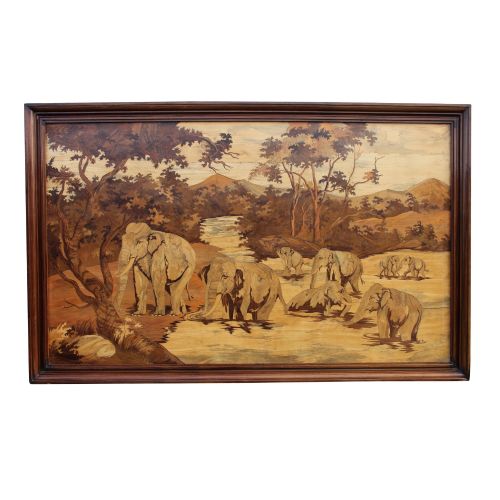
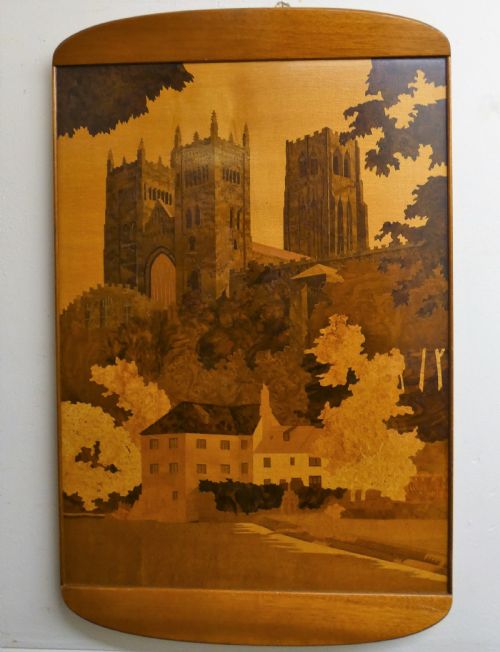
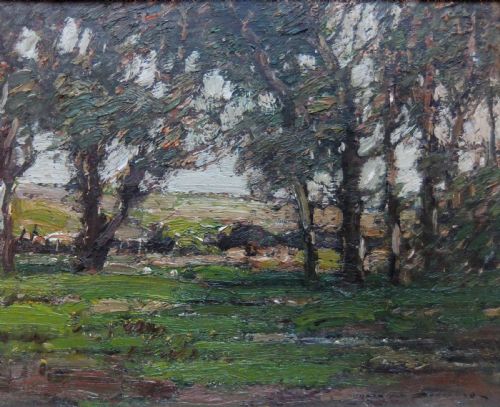
A wooden panel landscape brings texture and depth to a wall, working oil paint, marquetry or pen directly onto a rigid wooden support.
Wooden Panel Landscape
When you search for a wooden panel landscape, you encounter works executed across the eighteenth, nineteenth and early twentieth centuries by various regional schools.
The selections range from naive topographical topographical studies and English school oil paintings to intricate marquetry panels and pen and ink drawings on wood.
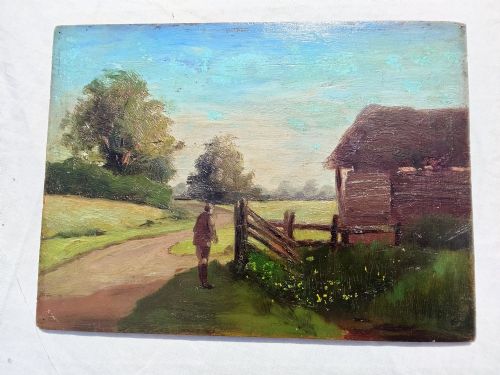
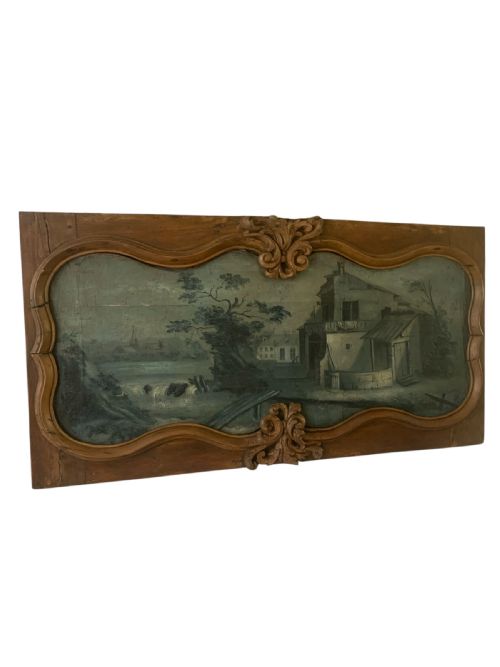
Oil paintings on wooden boards or panels form the core of what you meet, capturing rural scenes, coastal views and architectural landscapes.
How they were made
Artists painted directly onto prepared wood panels, boards or rosewood surfaces using oil paint, gouache or ink.
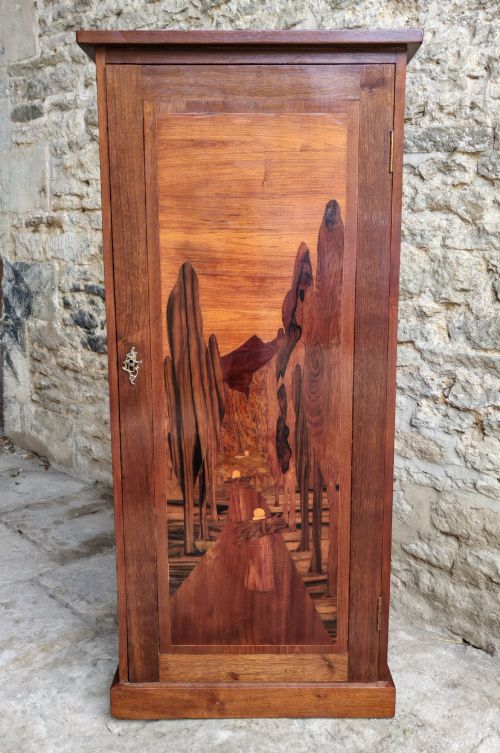
Craftsmen also utilised marquetry veneers, inlaying different coloured woods to build pictorial scenes without relying purely on pigment.
Some pieces incorporate glass or gilt frames to protect and house the underlying wooden support.
Materials across the selection range from oil paint and ink on wood panel to rosewood, marquetry veneers and painted glass.
What varies in quality
The skill of the brushwork or the precision of the marquetry cutting dictates the visual strength of the piece.
The stability of the wooden support and the quality of historical repairs determine how well the panel has survived the centuries.
The strength of attribution to a known school or named artist elevates the importance of the work.
Hubert Wellington·Richard Leech·Kershaw Schofield·Joseph Vickers de Ville·J Brooke
The Wooden Panel Landscape Glossary
- Panel
- A flat piece of wood used as a rigid support for a painting or drawing instead of canvas.
- Marquetry
- The art of applying pieces of veneer to a wooden structure to form decorative patterns and pictorial scenes.
- English School
- A term applied to works produced by artists trained or working in England during a particular period.
- Topographical
- Representing a specific actual place with an emphasis on accurate local details and buildings.
- Gouache
- A type of water-soluble paint that dries to a dense, opaque matte finish.
Wooden Panel Landscape: Frequently Asked Questions
Why paint on wood instead of canvas?
Wood provided a rigid, flat surface that allowed artists to execute fine, detailed brushwork without the give of woven fabric.
Panels also offered greater longevity when properly seasoned, protecting the pigment from the flex and slack that affects canvas over centuries.
How do I care for a wooden panel landscape?
Keep the piece away from direct sunlight, radiators and rapid changes in humidity to prevent the wood from warping or splitting.
Dust the surface gently with a dry, soft cloth and avoid applying any liquid cleaners or oils directly to the painted or veneered areas.
What is marquetry?
Marquetry involves cutting thin veneers of various coloured woods and assembling them like a jigsaw to create an image on a wooden base.
Artisans relied on the natural grain and colour tones of different timber species to build depth and shade without using paint.
How can I tell the age of the wood?
Inspect the reverse of the panel for tool marks, seasoning splits, panel thickness and the presence of historical repairs or framing methods.
Earlier pieces often show hand-tool texture and oxidised timber, whereas later works utilise more uniform machine-cut boards.