
Wooden Kitchen Chairs Set
A wooden kitchen chairs set brings sturdy vernacular design and gathered seating to a dining space through time-tested timber construction.
Wooden Kitchen Chairs Set
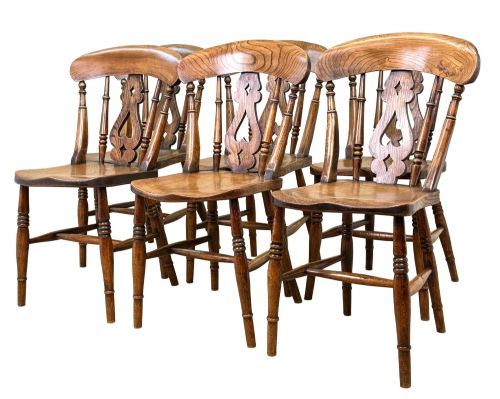
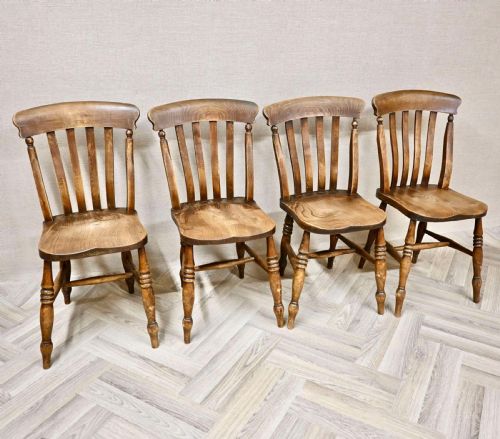
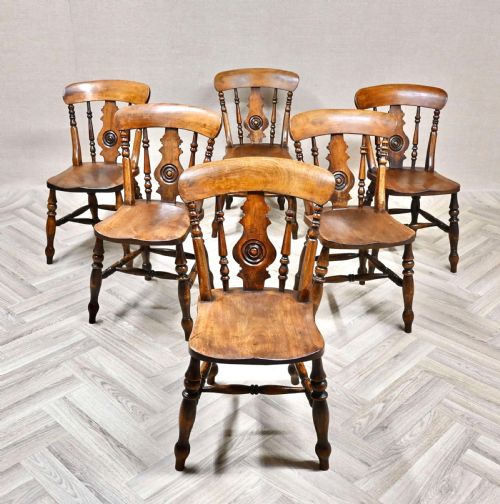
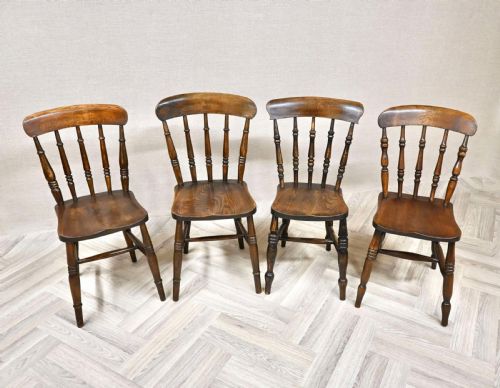
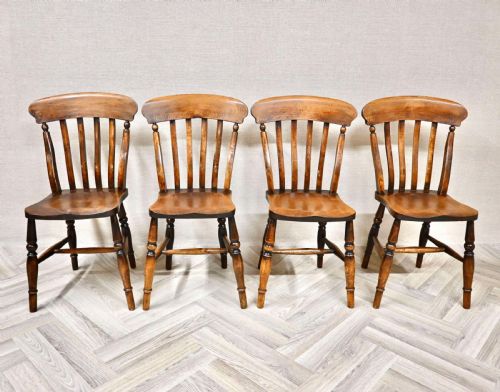
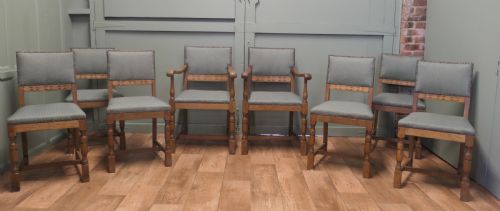
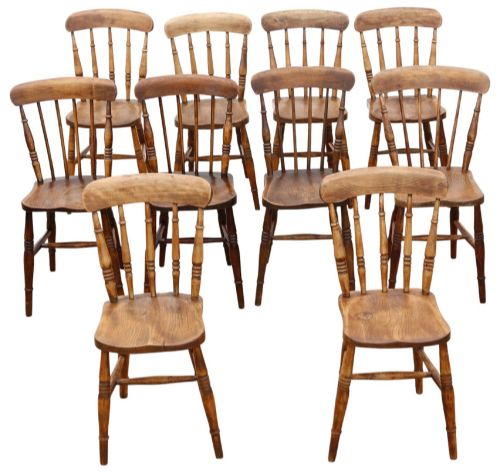
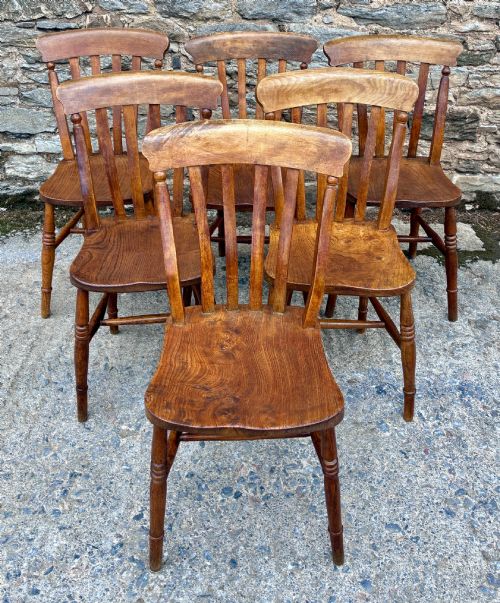
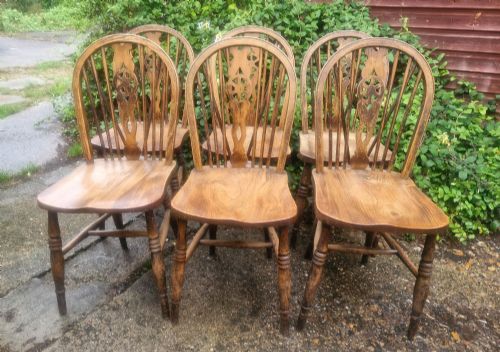
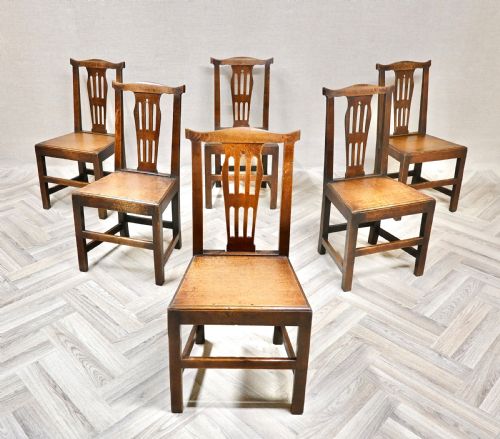
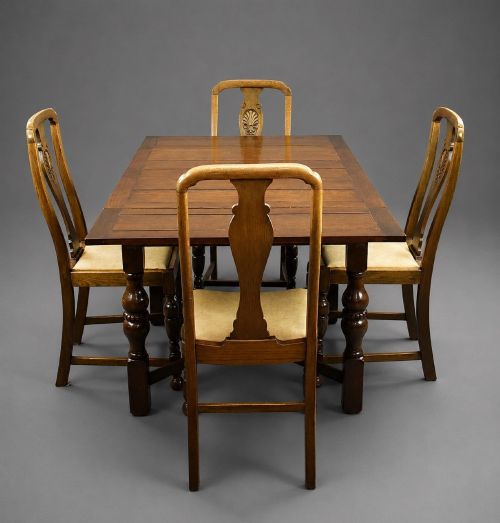
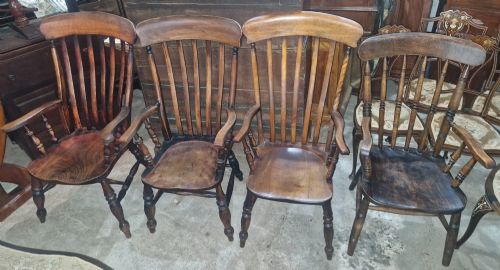
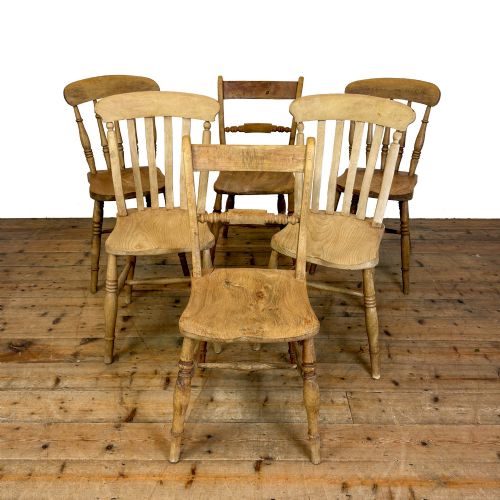
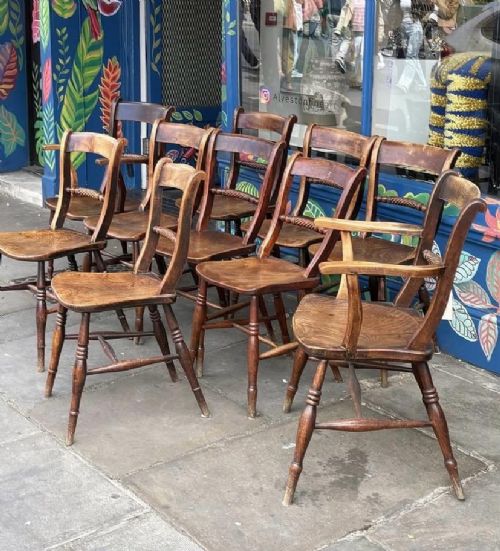
When you examine a wooden kitchen chairs set on this page, you encounter matched groups and harlequin gatherings originating from the nineteenth and early twentieth centuries. These pieces span Georgian, Victorian, and Arts and Crafts traditions, bringing functional rustic seating into domestic spaces.
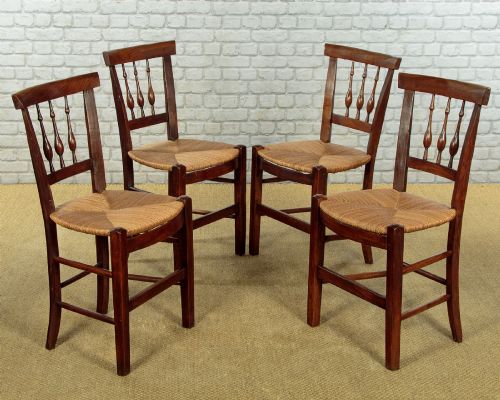
The most common formats include Windsor chairs with hoop and stick backs, lathe backs, and wheel backs, alongside traditional ladder backs and rush-seated dining chairs. Makers constructed these sets for heavy daily use in farmhouse and country kitchens, resulting in durable seating arrangements designed for around the table.
Materials and Technique
Cabinet makers and bodgers built these chairs using a combination of native timbers, pairing durable hardwoods like elm, oak, ash, and beech for seats, spindles, and legs. Elm served well for solid, resilient saddle seats that resisted splitting under weight, while ash and beech provided flexible strength for steam-bent hoops and slender spindles.
Traditional joinery methods such as wedged tenons, mortise joints, and crinoline stretchers locked the components together firmly. Craftsmen shaped solid timber using drawknives, shaves, and lathes, prioritising structural integrity and utilitarian comfort over elaborate ornamentation.
Listings feature eighteenth, nineteenth, and early twentieth-century periods, utilising native woods such as elm, ash, oak, beech, yew, and pine.
Judging Quality
Quality in these dining sets rests on the harmony of the timber matching across the group and the integrity of the original construction. Harlequin sets demonstrate greater variation because assemblers brought together individual chairs of similar style rather than cutting them from the same workshop bench.
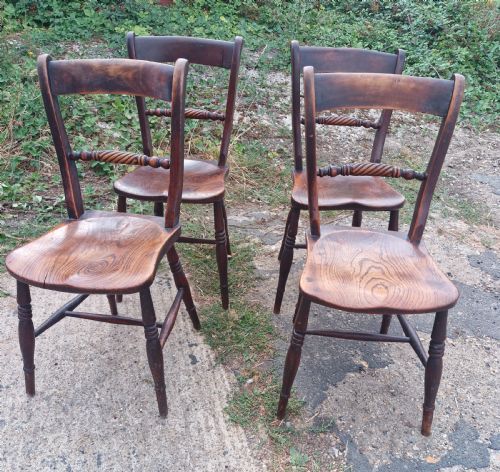
Finer examples show crisper turning on legs and stretchers, well-sculpted saddle seats with deep comfort contours, and tight, honest joints. The presence of superior timbers such as yew or figured oak elevates specific sets above standard utility pine and beech alternatives.
Worksop
The Wooden Kitchen Chairs Set Glossary
- Windsor
- A chair built with a solid wooden seat into which the legs, back spindles, and bow are directly socketed. This construction method provides exceptional rigidity.
- Harlequin set
- A collection of chairs assembled to match in general style and period rather than carved as a single workshop batch. Harlequin groups often combine subtle variations in spindle count or turning.
- Crinoline stretcher
- An arched or curved wooden brace connecting the legs of a chair to provide lateral stability. It often adds a decorative hoop shape near the floor.
- Lathe back
- A chair back featuring a central vertical splat shaped on a woodturning lathe. This form appears frequently in nineteenth-century farmhouse seating.
Wooden Kitchen Chairs Set: Frequently Asked Questions
What is a harlequin set?
A harlequin set is a group of dining chairs that match in general period and style but were not originally manufactured together as a single batch.
Collectors and dealers assemble these groups later, matching heights, timber tones, and back designs so they sit harmoniously around a dining table.
How do I care for antique wooden chairs?
These chairs require minimal maintenance beyond regular dusting with a dry or slightly damp lint-free cloth. Avoid placing them near direct heat sources or rapid temperature shifts to protect the historic timber and traditional joinery from drying out.
Periodically applying natural beeswax feeds the wood and maintains a soft protective finish without sealing the pores.
Were these chairs meant for kitchens?
Kitchens and farmhouses served as the primary working environments for these robust timber chairs during the nineteenth and early twentieth centuries. Their unfussy construction and wipe-clean wooden surfaces suited heavy daily domestic tasks and family dining.
Over time, many of these utilitarian sets transitioned into formal dining rooms as rustic styles gained popularity in interior design.
How do I date a Windsor chair?
Dating involves examining the combination of woods used, the shaping of the saddle seat, and the turning profiles of the legs and stretchers. Earlier nineteenth-century examples often feature yew wood or crinoline stretchers, while later Victorian versions tend toward beech and elm combinations with simpler undercarriages.
Tool marks and construction quirks also provide clues to whether a piece belongs to the Georgian era or the later Arts and Crafts period.