



Antique Ash Elm Seat
These antique ash elm seat pieces are robust vernacular chairs shaped by generations of rural makers, offering honest character and enduring utility for modern rooms.
Antique Ash Elm Seat
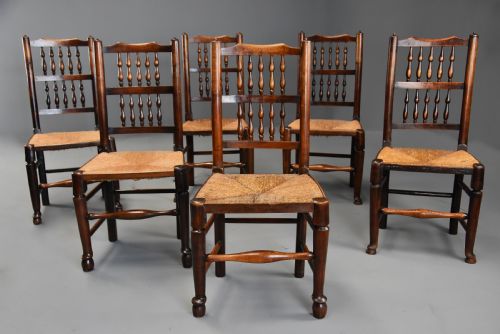
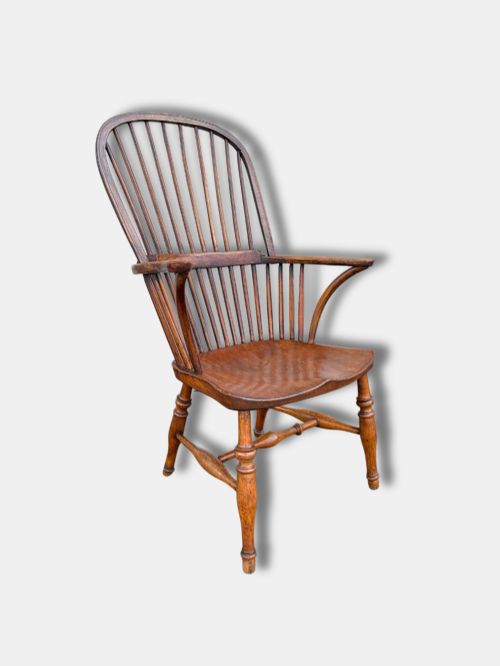
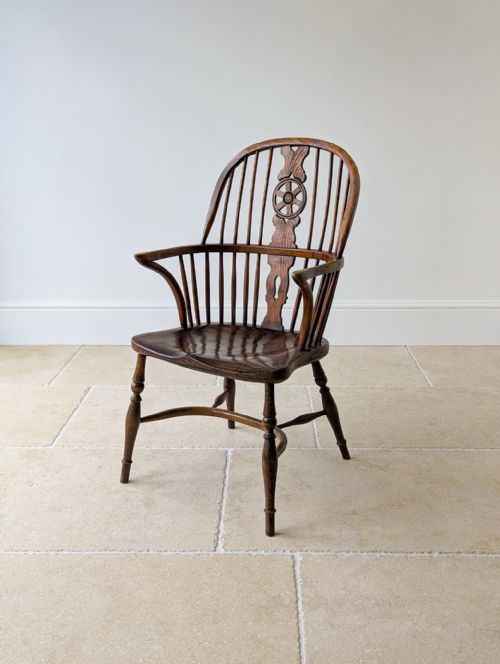
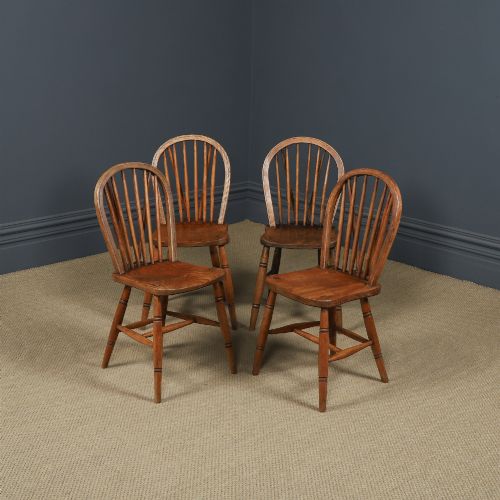
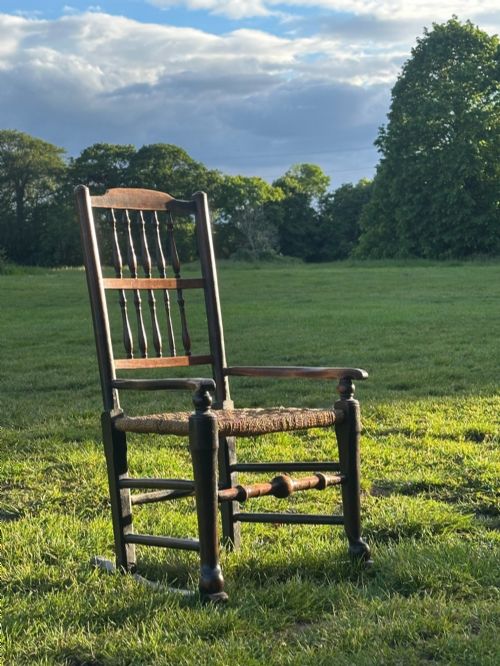
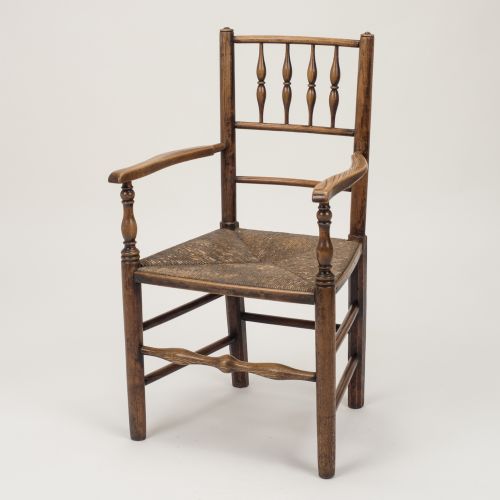
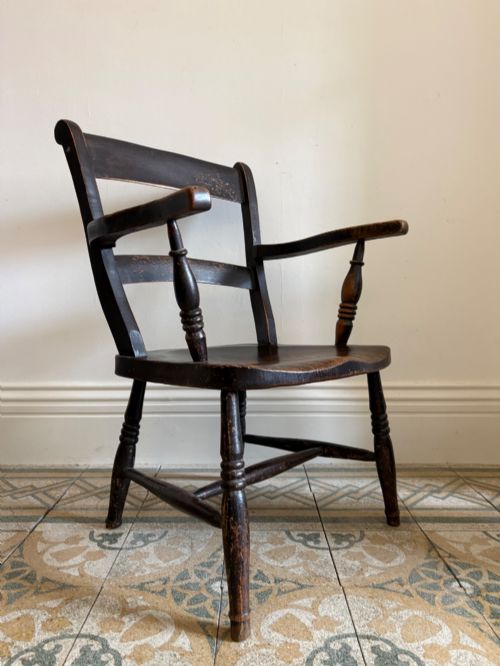
When you search for an antique ash elm seat, you encounter traditional English country chairs built from mixed timbers for specific structural strengths. The evidence shows these pieces spanning the Georgian, Regency and Victorian periods, often taking the form of Windsor armchairs, kitchen dining chairs, and spindle back rockers.
The most common versions on this page are stick back and hoop back Windsor chairs alongside sets of kitchen dining chairs. Makers utilised the distinct properties of each wood, combining sturdy ash for frames and spindles with deeply dished elm for comfortable solid wooden seats.
Materials and construction methods
Makers built these chairs using a combination of green woodworking techniques and traditional joinery, selecting ash for its flexibility in steam-bent hoops and structural spindles. Elm provided an ideal timber for the solid seats because its interlocking grain resisted splitting when workers carved out the saddle shape.
Additional timbers such as beech, yew and fruitwood appear alongside rush for woven seat pads in specific regional variations. Turned components relied on pole lathes, while legs and underframes were secured into the elm seats using wedges and tenons.
What separates examples of different standing
The distinction between standard utility seating and finer examples rests in the depth of the seat carving, the elegance of the spindle turnings, and the harmony of the proportions. Chairs with well-figured timber grain and deep saddle seats demonstrate greater craft than plain utilitarian equivalents.
Surface finish and patina also determine standing, where centuries of handling have mellowed the ash and elm surfaces into rich tones. Original underframes, minimal replacement parts, and balanced structural form elevate certain pieces above heavily restored counterparts.
Fred Walker Rockley
The Antique Ash Elm Seat Glossary
- Windsor chair
- A chair built with a solid wooden saddle seat into which the back and legs are independently inserted. This form relies on a heavy plank base rather than a continuous frame.
- Stick back
- A chair style featuring turned vertical spindles tenoned directly into the seat. These form the support for the backrest.
- Hoop back
- A continuous bentwood rail that forms the arms and the top of the chair back in a single curved sweep. It is typically steam-bent from a single piece of ash.
- Penny seat
- A round wooden seat shaped with a central depression resembling a large coin. It provides ergonomic comfort through simple concave carving.
- Smoker's bow
- A low-backed Windsor armchair with a continuous curved armrail and turned spindles. It is frequently associated with Victorian tavern and domestic use.
- Vernacular
- Objects made by local craftsmen following regional traditions rather than formal academic design rules. These pieces prioritise functional utility over stylistic fashion.
Antique Ash Elm Seat: Frequently Asked Questions
What is an ash elm seat?
An ash elm seat refers to traditional country chairs constructed with a solid elm timber base paired with ash framing and spindles. These materials provided the ideal balance of rigid support and flexible strength for everyday domestic use.
They appear primarily in vernacular forms like Windsor and stick back chairs across Georgian and Victorian periods. The combination became a staple of English rural furniture making.
How were these chairs used?
These chairs served as practical seating around farmhouse kitchen tables, tavern hearths, and cottage sitting rooms. Their robust construction handled daily household demands without requiring delicate upholstery.
Specific variants like rocking chairs and child's chairs catered to nursery needs or relaxation by the fire. Their utilitarian design meant they moved easily between different rooms in a home.
How do I live with antique country chairs?
Living with these pieces involves placing them around modern or traditional dining tables where their sculptural stick backs create visual contrast. They require stable indoor humidity to prevent timber movement and benefit from occasional application of traditional wax polish.
Because of their sturdy build, they easily withstand everyday sitting while adding tactile history to a room. Their neutral wood tones blend naturally with diverse interior decorating schemes.
How do I tell different periods apart?
Georgian examples often display finer joinery proportions and earlier regional turning styles, while Victorian pieces tend toward heavier construction and broader arm rails. Mid-nineteenth-century variations sometimes incorporate ebonised finishes or wider spindle arrangements.
Examining the tool marks beneath the seat and the wear patterns on the footings helps indicate the age of the piece. Regional origins, such as Thames Valley or West Country workshops, also give clues to the specific era of manufacture.