

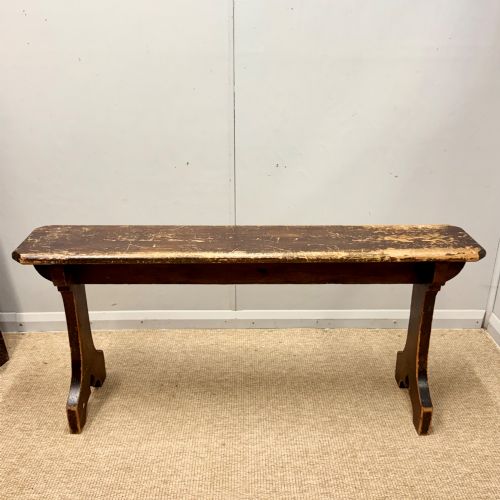
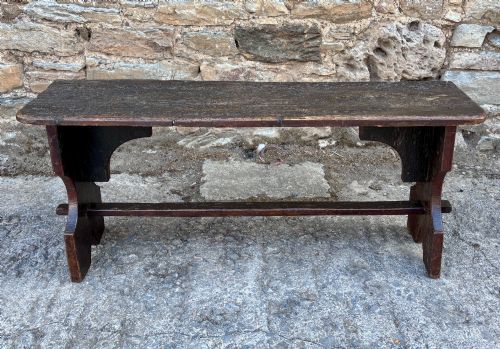
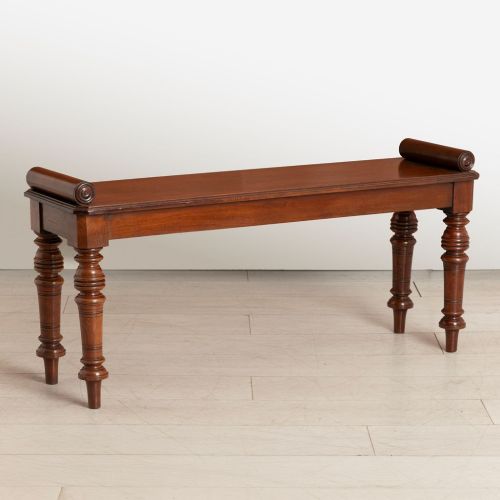
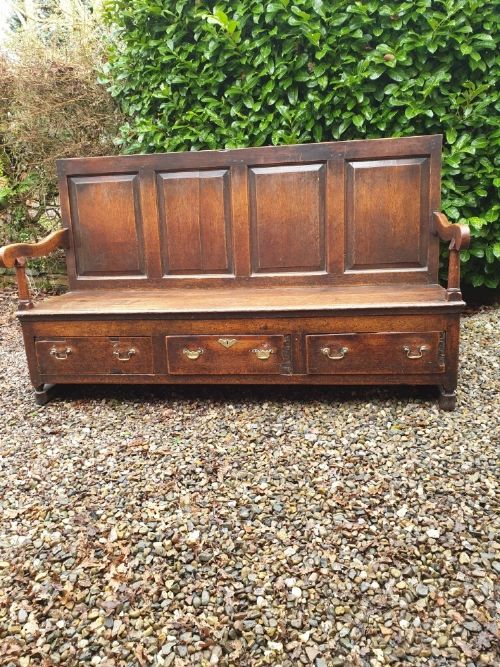
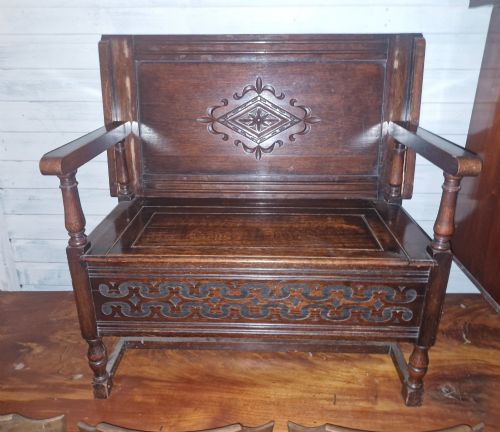
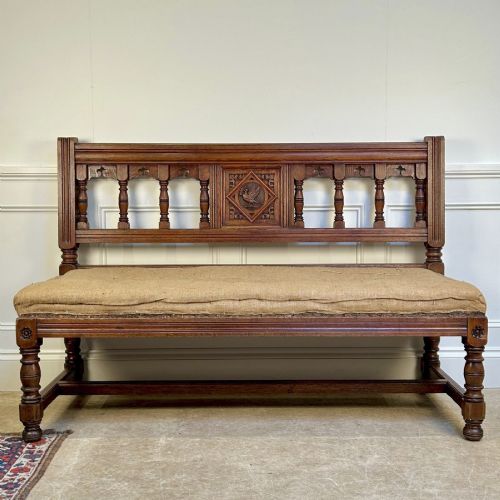
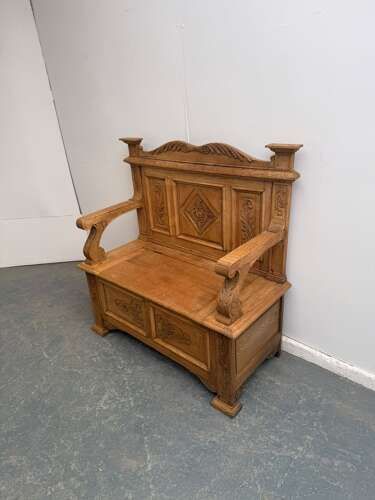
Wooden Hallway Seat
A wooden hallway seat offers immediate utility and presence, welcoming visitors while providing practical storage or seating in narrow domestic spaces.
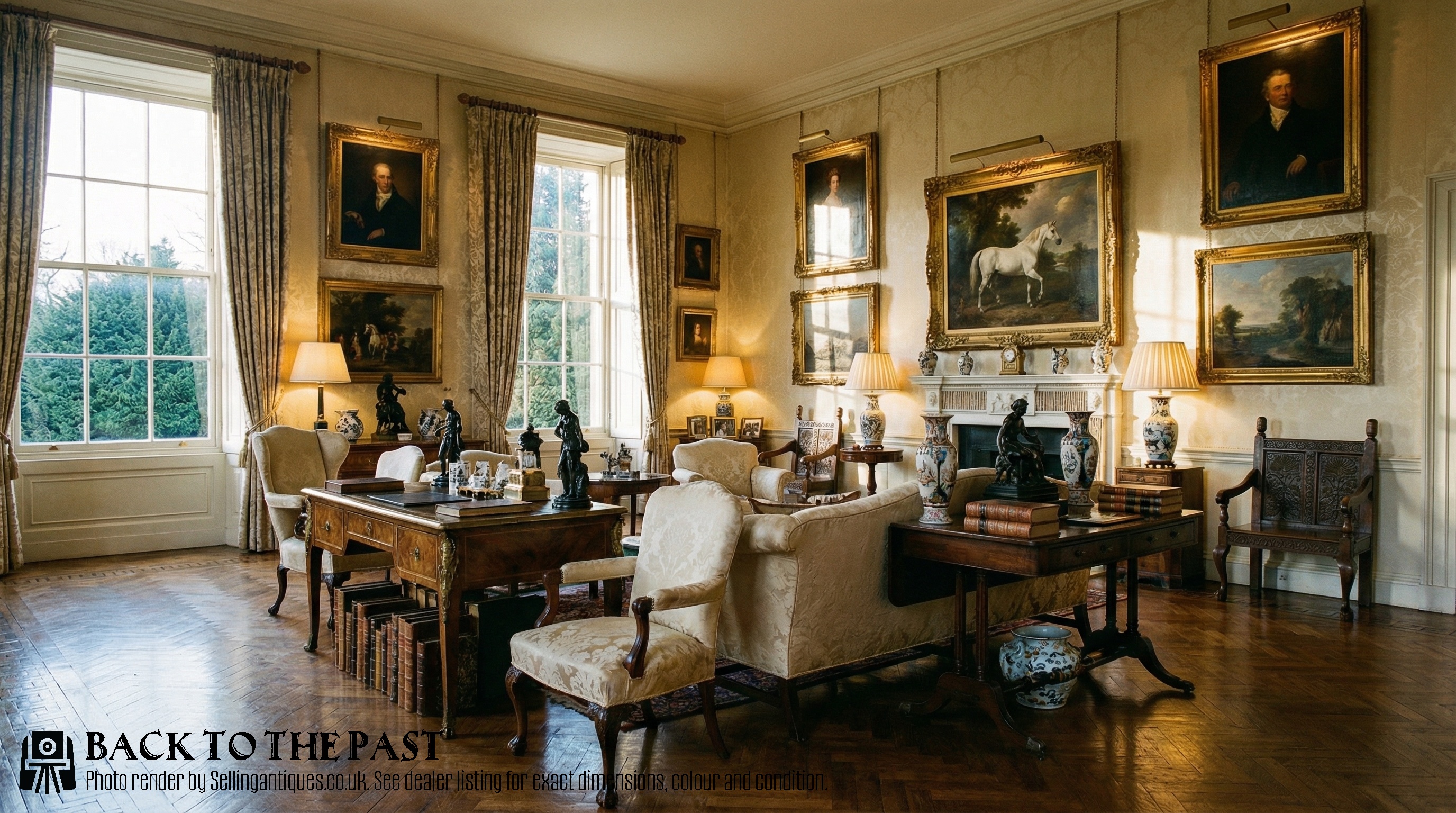
Wooden Hallway Seat
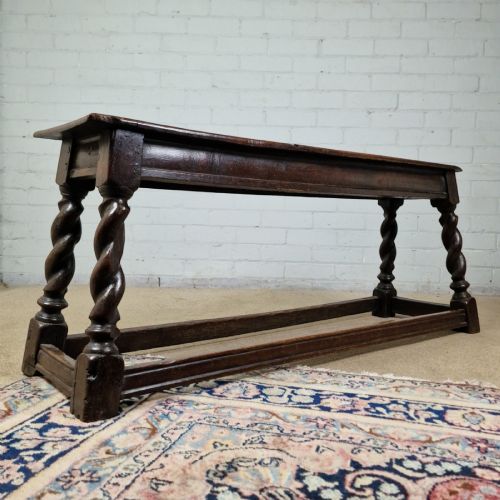
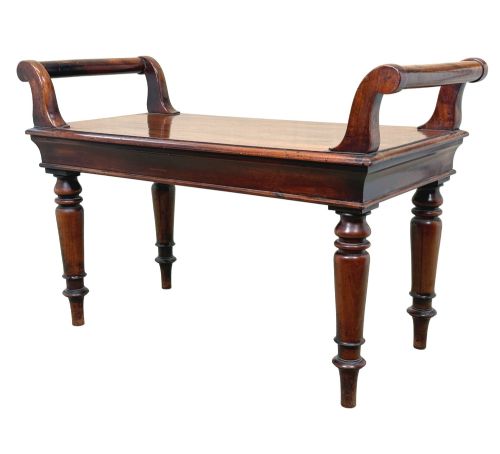
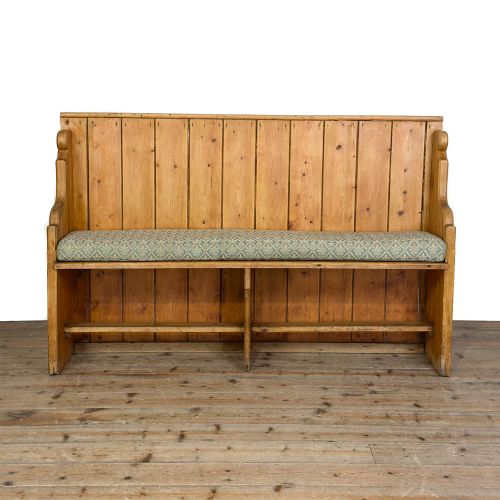
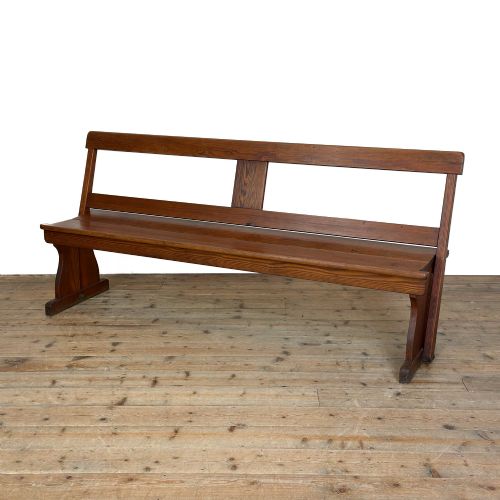
A wooden hallway seat encompasses benches, settles, church pews, and window seats originating from the eighteenth, nineteenth, and early twentieth centuries. These forms served utilitarian purposes in domestic properties, churches, and country houses, fashioned primarily from oak, pine, and mahogany.
Buyers browsing this selection encounter nineteenth-century pine pews, Georgian oak settles, and Victorian mahogany benches. Regional variants range from rustic country elm to formal Regency designs with carved supports and panelled backs.
Practical iterations often integrate storage compartments beneath lift-up lids, fold-over tops, or umbrella stands. Such multifunctional furniture addresses the historic need to organise garments and accessories near an entrance.
Materials and Construction
Cabinet makers and vernacular joiners utilised native hardwoods and softwoods including oak, elm, pine, and mahogany. These timbers were selected for durability and finished with wax, paint, or natural patination developed through decades of daily use.
Construction techniques combine traditional joinery such as mortise and tenon framing for structural integrity in heavy pieces like box settles. Secondary elements incorporate brass and iron hardware for hinges, hooks, or mounting brackets.
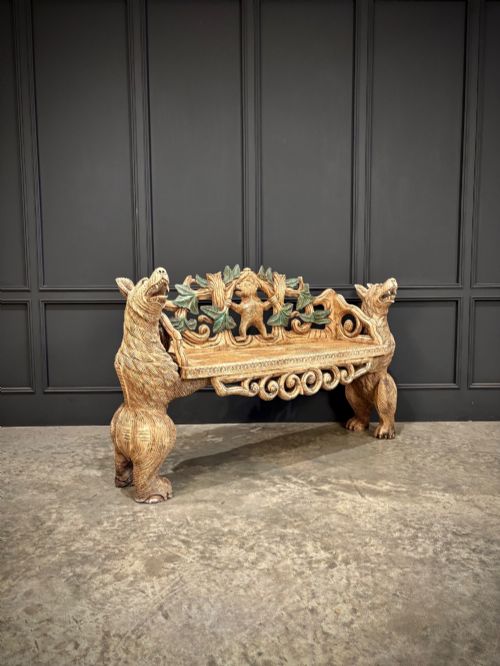
One extraordinary nineteenth-century specimen incorporates carved forest bears into its structural supports, guarding coats and hats with ursine vigilance.
Distinctions in Execution
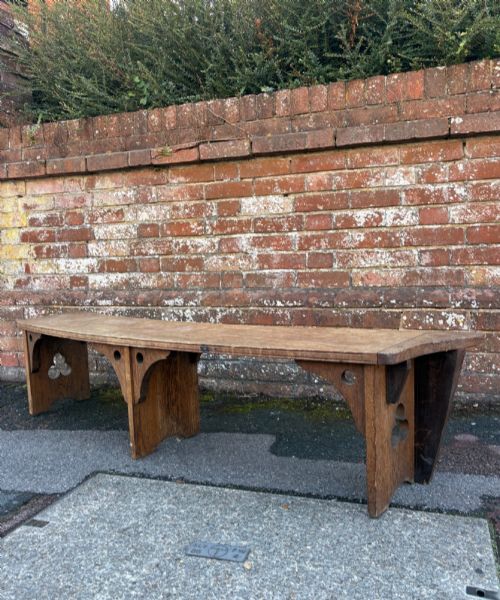
The degree of refinement in carving and joinery separates standard vernacular pieces from workshop-attributed seating. Finer examples display crisp trefoil carving, linenfold panelling, or well-proportioned Chippendale-style backs.
Proportion and scale dictate desirability, particularly for narrow domestic corridors where slim profiles or compact lengths matter. Original surface patination and intact structural elements also influence the character of each piece.
Gillows·James Shoolbred·Jas Shoolbred
The Wooden Hallway Seat Glossary
- Settle
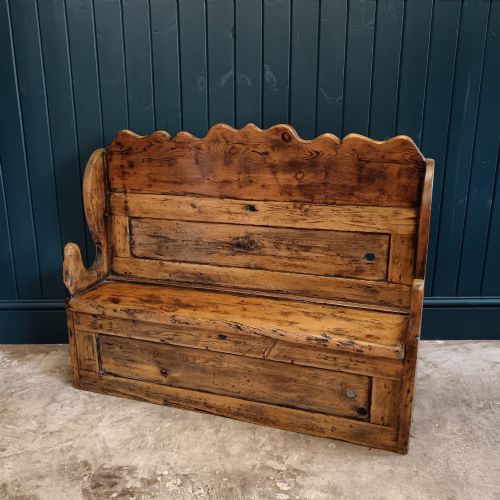
- A wooden bench with a high back, solid arms, and often a storage compartment beneath the seat. This form protected occupants from draughts in hallways and vernacular rooms.
- Box Settle
- A seat featuring a hinged lid that opens to reveal a box-like cavity underneath. It provided secure storage for household textiles and garments.
- Church Pew
- A long wooden bench originally designed for ecclesiastical interiors, adapted for domestic hallways in pine or pitch pine. These often retain simple boarded backs and open ends.
- Window Seat
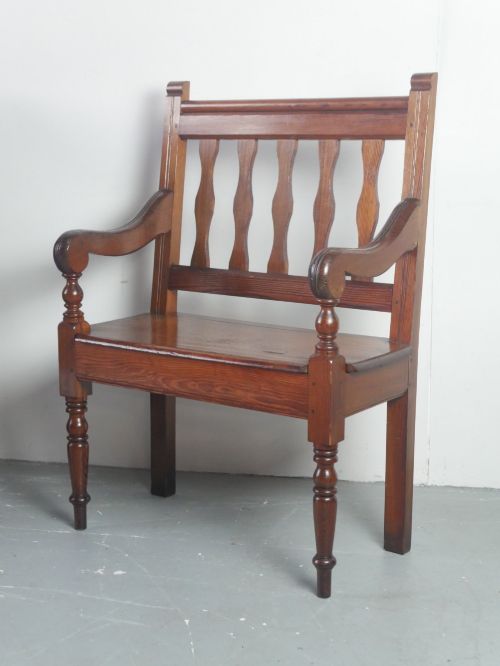
- A low, upholstered or wooden bench designed to fit within a window recess, occasionally utilised in larger hallways. Regency and Victorian variants often incorporate turned legs and carved mahogany frames.
- Patina
- The surface sheen and colour acquired by wood over long periods through handling, polishing, and natural ageing. A honey brown patina is frequently noted on nineteenth-century pine.
Wooden Hallway Seat: Frequently Asked Questions
Were these seats used outdoors?
These items were constructed for interior environments within domestic homes, churches, and institutions rather than garden use.
Exposing antique pine, oak, or mahogany to external weather conditions will damage the historic timber and natural wax finishes.
How do I care for the wood?
Maintain the finish by applying a natural beeswax periodically and buffing the surface with a soft cloth to preserve the patina.
Avoid placing wooden furniture directly beside modern heat sources or in areas subject to rapid temperature fluctuations.
What is the difference between a settle and a bench?
A settle typically incorporates a high panelled back and solid wooden sides designed to block cold draughts in historic entrances.
A standard bench offers an open structure without the protective high back and side enclosures characteristic of traditional settles.