


Carved Timber Bench
A carved timber bench is a substantial seating piece shaped by hand, bringing architectural weight and historic craft to hallways and living spaces.
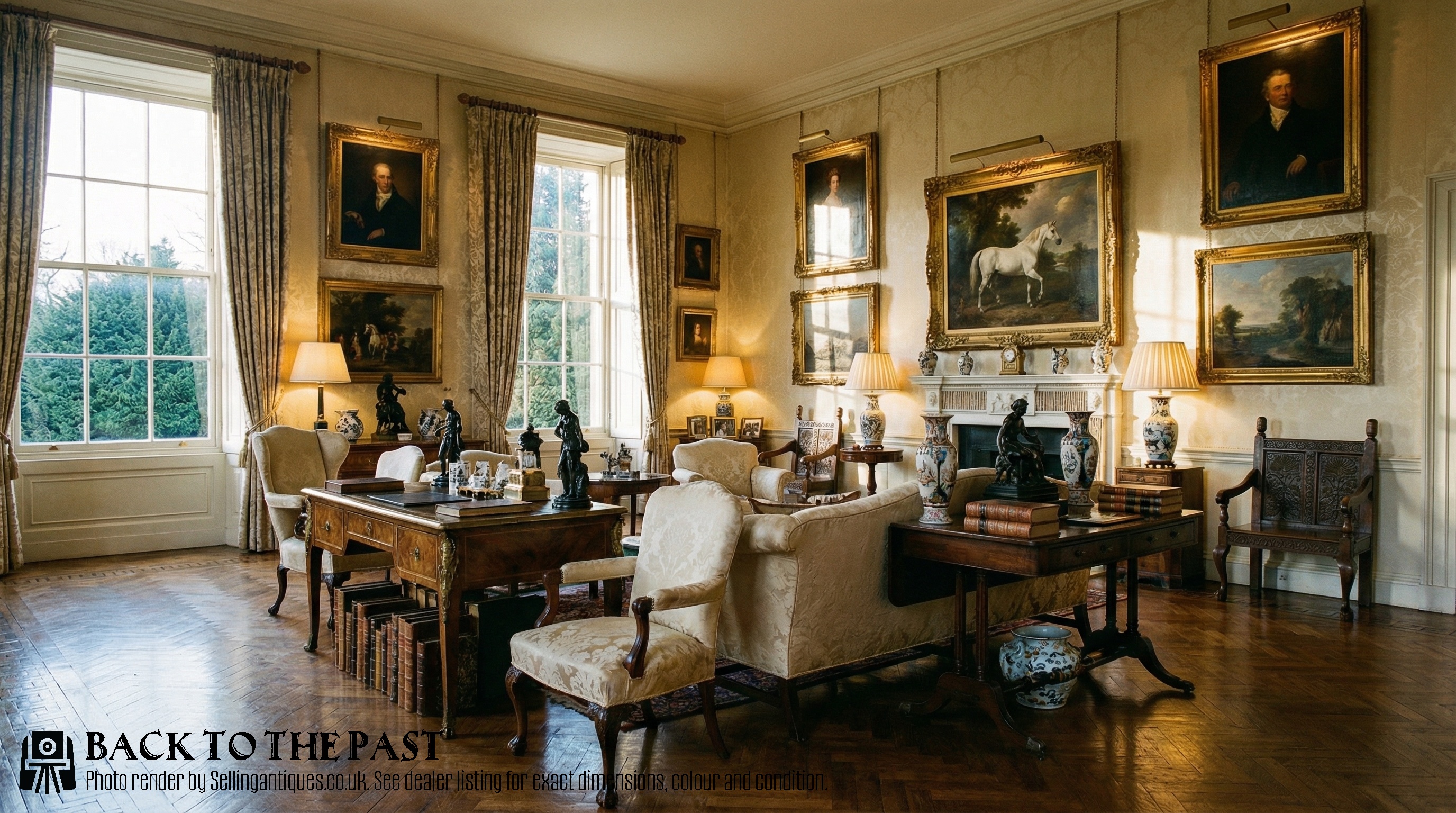
Carved Timber Bench
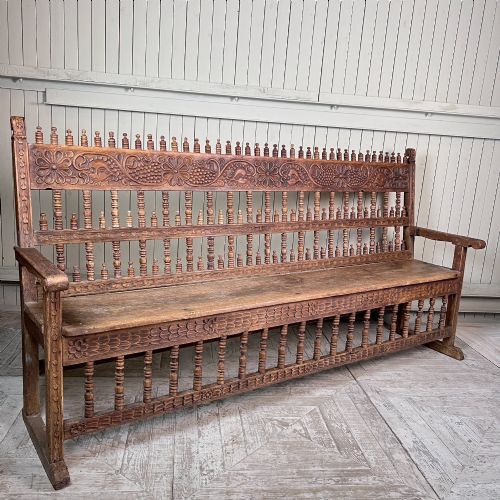
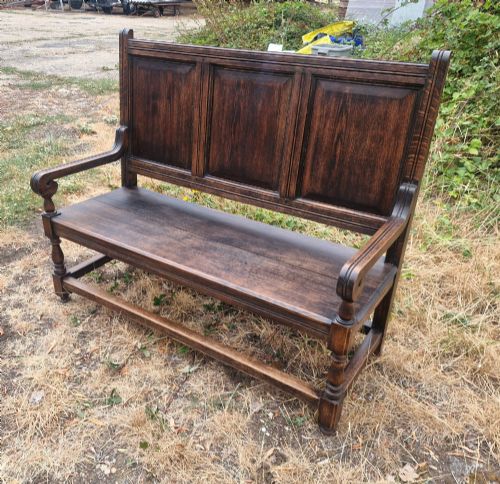
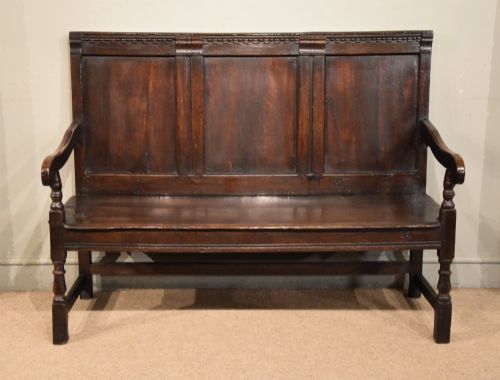
When you search for a carved timber bench, you encounter sturdy seating forms spanning several centuries of woodworking tradition. The selection here leans heavily towards oak and hardwood examples produced during the nineteenth and early twentieth centuries, alongside earlier provincial pieces.
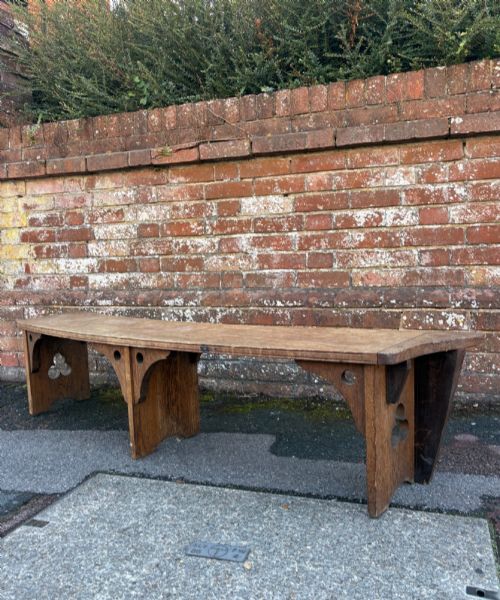
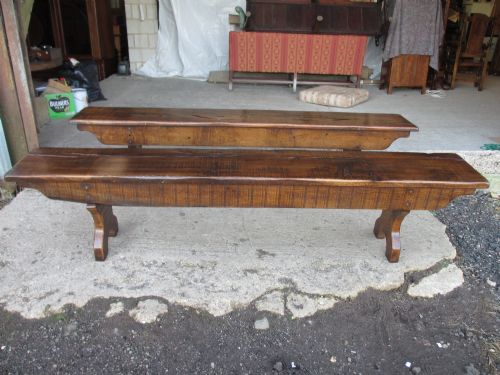
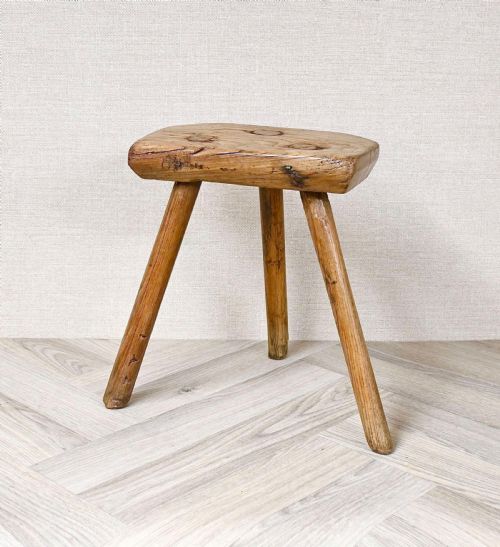
Forms range from high-backed settle benches with storage compartments to panelled hall seats and curved Gothic designs. These sturdy items served functional roles in large country houses, rural dwellings, and formal halls alike.
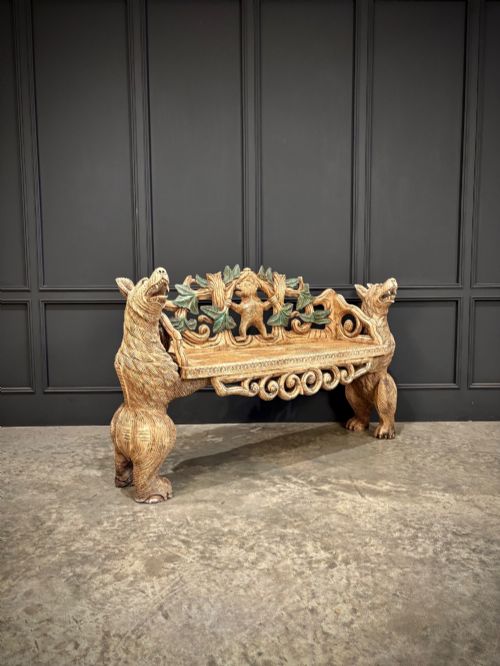
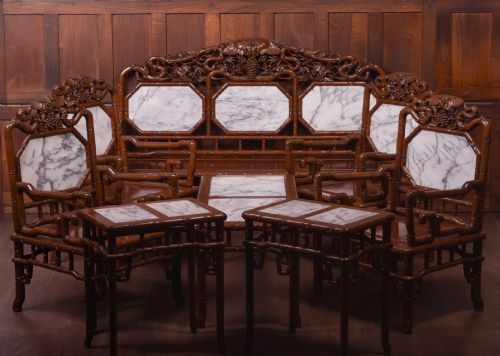
Makers utilised various regional styles, including Jacobean Revival, Black Forest, and Chinese Export motifs. Each piece reflects the domestic requirements and aesthetic preferences of its period, from simple boarded construction to elaborate carved ornament.
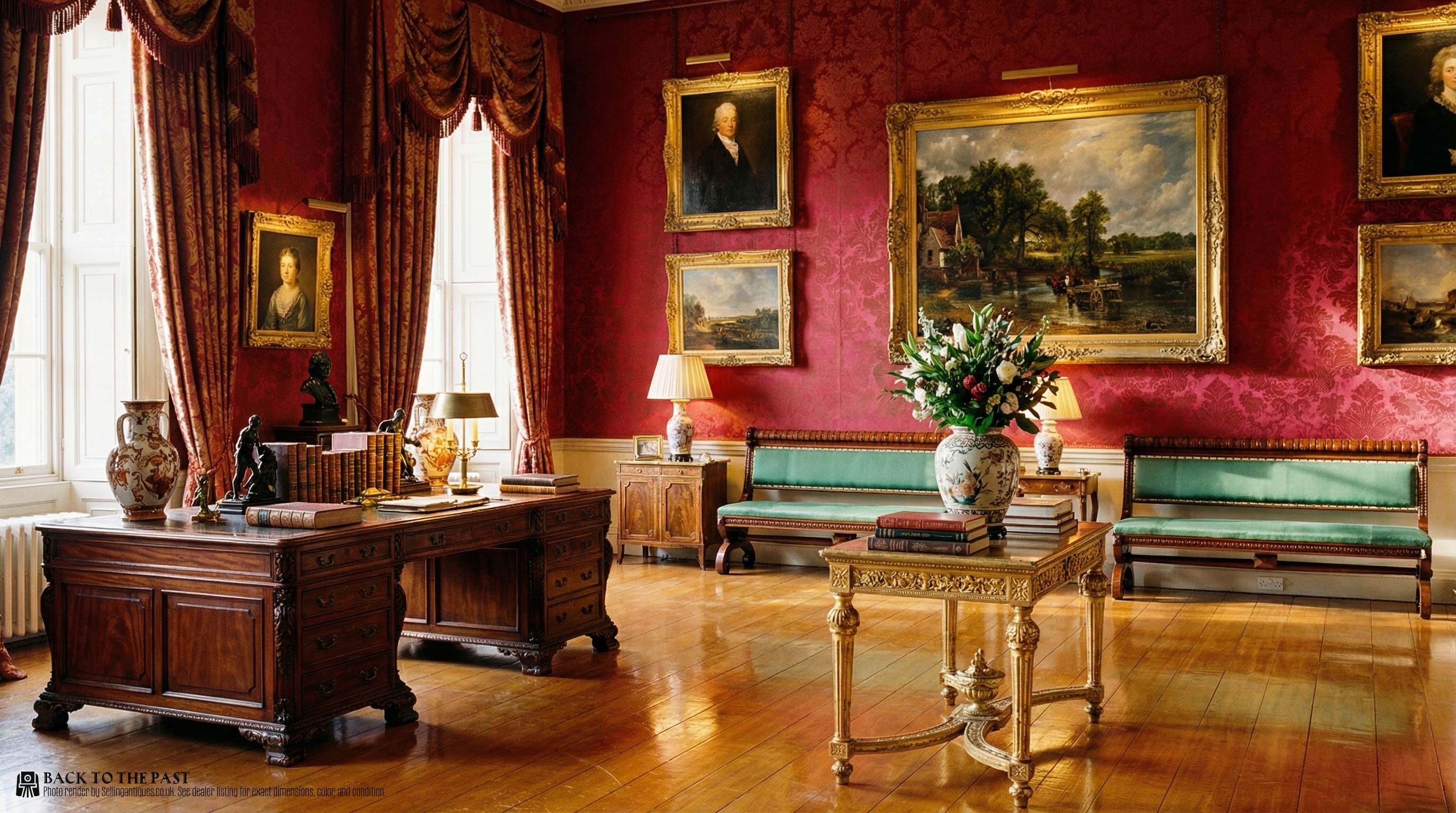
How they were made
Carpenters constructed these benches primarily from native and exotic timbers such as oak, mahogany, walnut, and fruitwood. Joinery relied on traditional methods including mortise and tenon joints, pegged frames, and panelled construction to ensure structural longevity.
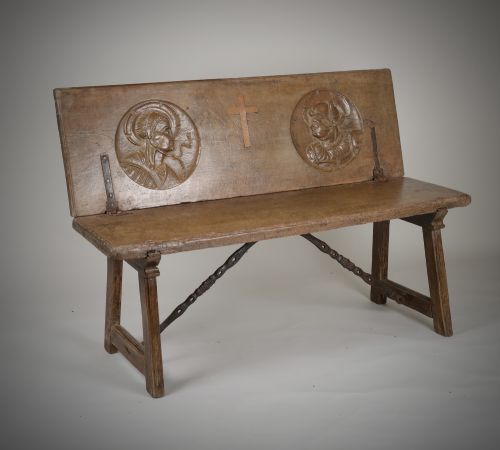
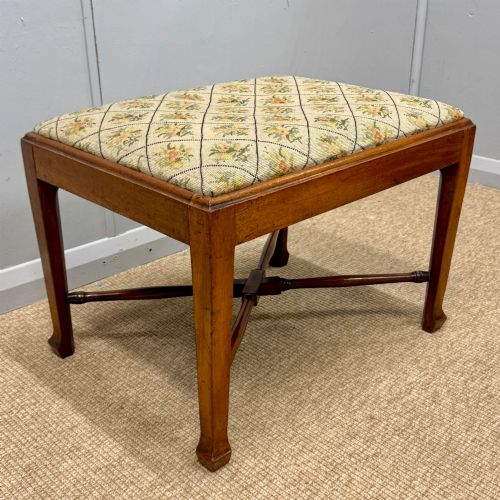
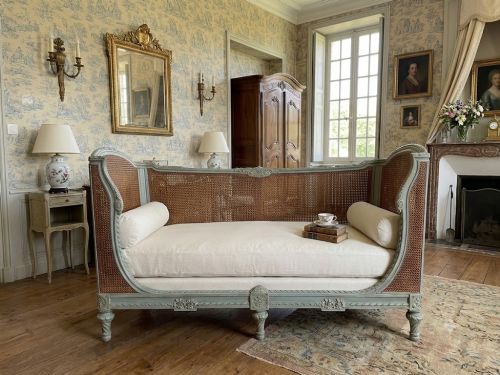
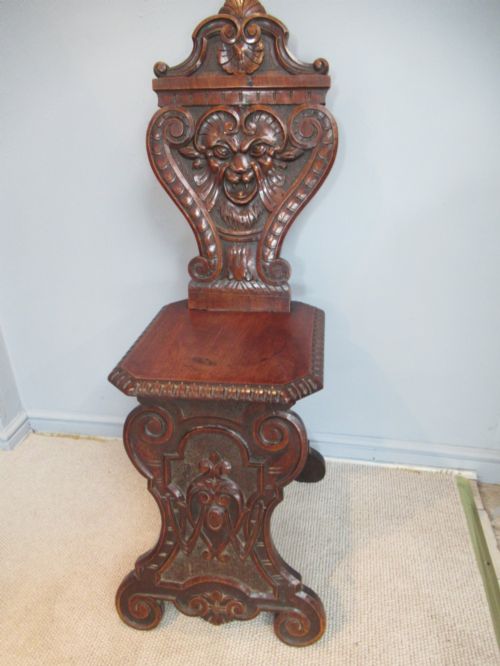
Carving was executed by hand using gouges and chisels to apply surface decoration, trefoil supports, and figural motifs. Secondary materials like brass fittings, woven rattan, cane, and upholstered fabric appear on specific regional and later examples.
Carved bears watch over visitors from Swiss forests, reminding us that someone once spent weeks chiselling fur onto a tree trunk just to make people sit down.
What varies in quality
The distinction between ordinary utility items and superior seating lies in the depth and execution of the hand-carved detail. Crisp relief work on crest rails and panels demonstrates a higher standard of cabinetmaking than mechanical or shallow incisions.
Structural integrity and timber selection dictate overall merit, with dense native oaks and figured hardwoods retaining stability better than lesser woods. Retaining original surfaces, patination, and unaltered joinery elevates a piece above those with heavy modern replacements.
Trussant And Cie
The Carved Timber Bench Glossary
- Settle
- A wooden bench with high backs, solid arms, and often an enclosed box seat beneath. This form provided draught protection in communal halls before central heating became common.
- Trestle
- A structural support consisting of a horizontal beam fixed to two splayed vertical feet. This method underpins many early oak benches and tables.
- Trefoil
- A three-lobed decorative ornament resembling a clover leaf, frequently pierced through Gothic revival woodwork and bench supports.
- Canapé
- An upholstered French sofa or settee featuring an exposed wooden frame. These pieces demonstrate lighter neoclassical styling compared to heavy English oak furniture.
- Ebonisation
- The process of treating lighter timber such as fruitwood or hardwood with chemical stains or dark finishes to imitate costly ebony.
Carved Timber Bench: Frequently Asked Questions
Where should I place a wooden bench?
These benches suit spacious hallways, entrance foyers, or long corridors where their linear form and carved backs create a strong architectural statement. Many historical examples were originally designed specifically for these transitional spaces.
In living areas, a narrower bench or window seat functions well against a blank wall or beneath a window. Pair them with textiles or cushions to soften the rigid timber surfaces for daily use.
How do I care for antique timber?
Maintain antique wood by keeping it away from direct heat sources and sudden temperature fluctuations that cause timber to split or warp. Regular dusting with a dry lint-free cloth preserves the surface.
Apply traditional beeswax sparingly to nourish the grain and maintain the natural patina built up over centuries. Avoid modern silicone polishes that build up and damage old finishes.
How can I tell the period?
Dating relies on observing construction techniques, tool marks left by makers, and the evolution of stylistic revivals across different decades. Earlier seventeenth and eighteenth-century pieces display pegged joinery and hand-planed boards, while nineteenth-century items often incorporate machine-sawn components alongside revival carving.
Examine the type of timber used and the wear patterns around footrests and seat edges. Secondary materials like upholstery webbing and fixings also provide clues to original manufacture dates.
What is a settle bench?
A settle is a traditional wooden bench featuring a high solid back designed to block cold drafts in older domestic interiors. Many examples include a hinged seat lid opening to reveal a storage box below.
Originating in medieval halls, these versatile seats transitioned into country houses and vernacular cottages as functional furniture providing both seating and storage.