


19th Century Benches
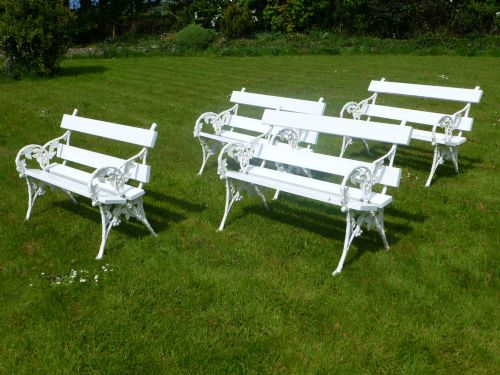
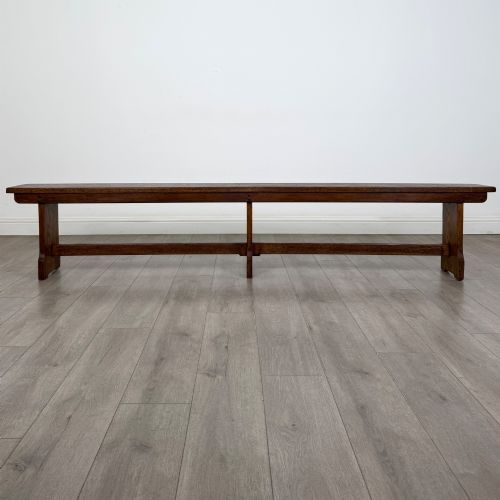
When searching for 19th century benches, collectors encounter sturdy oak refectory seating, ornate cast iron garden seats, and refined mahogany window forms.
19th Century Benches
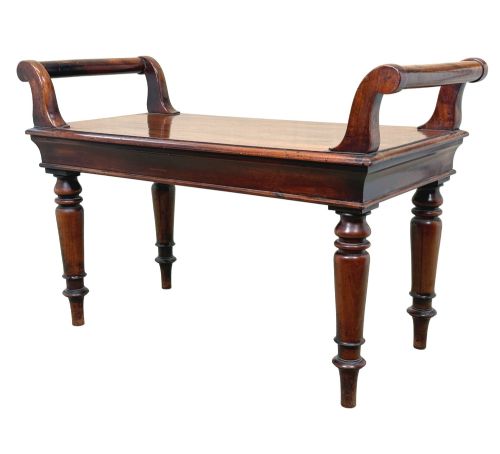
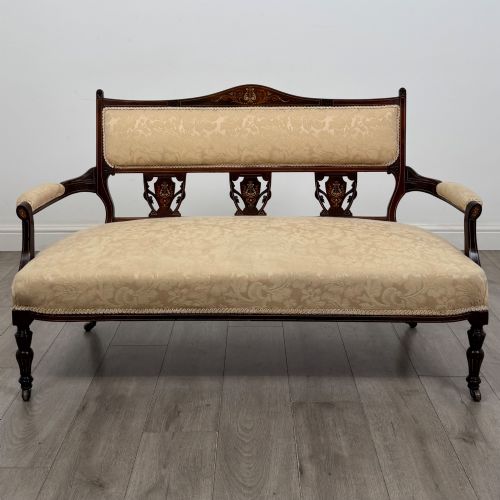
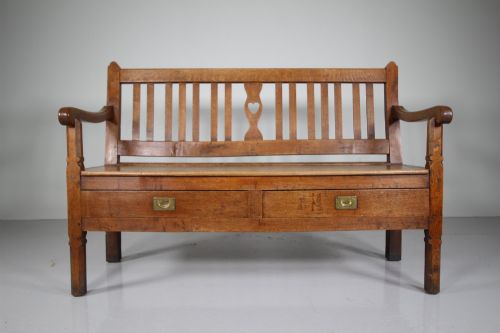
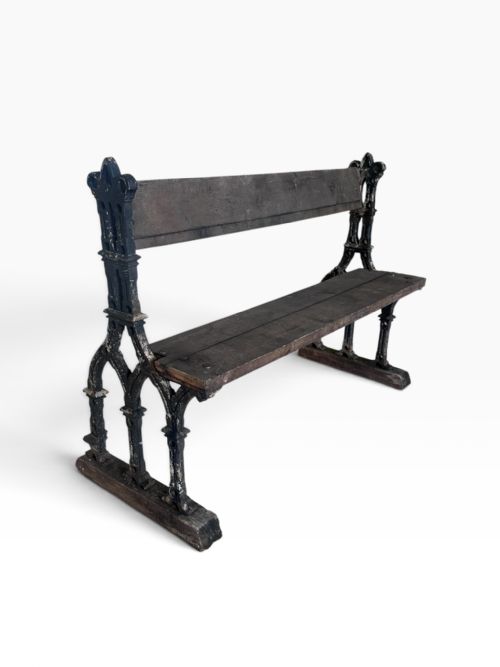
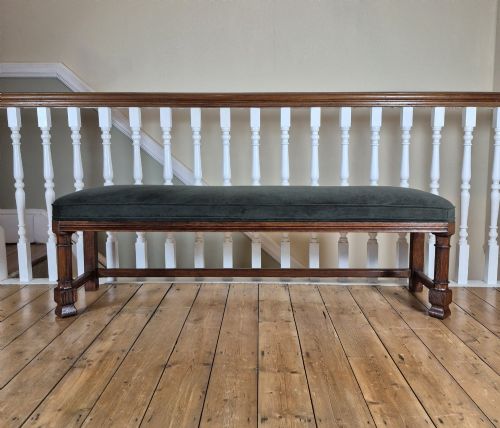
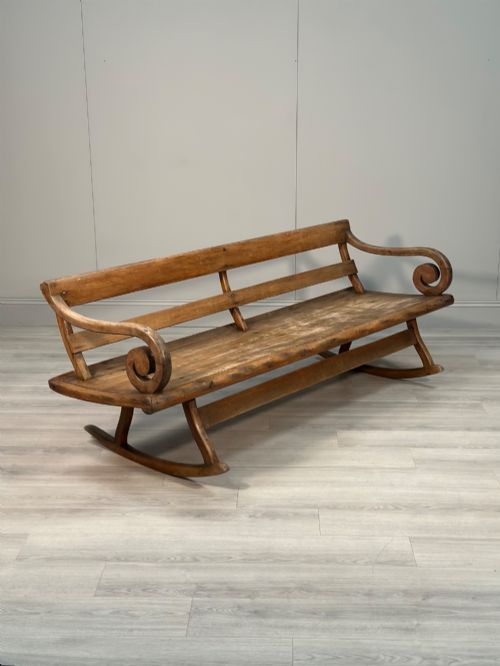
When searching for 19th century benches, buyers encounter a diverse selection ranging from robust domestic seating to intricate outdoor metalwork. The evidence shows utility forms such as elm and pine hall benches alongside formal Regency window seats and Gothic Revival hall designs.
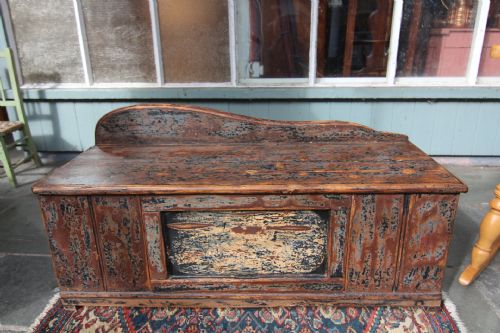
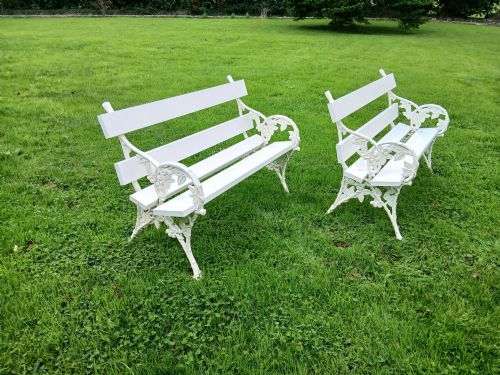
Domestic pieces often serve specific architectural roles within the home, including long tavern benches in oak and solid elm box settles with storage. Exterior examples utilise weather-resistant cast iron and wrought iron, frequently displaying botanical motifs like blackberry and leaf patterns.
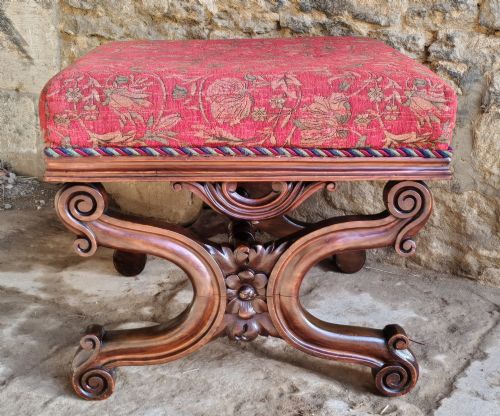
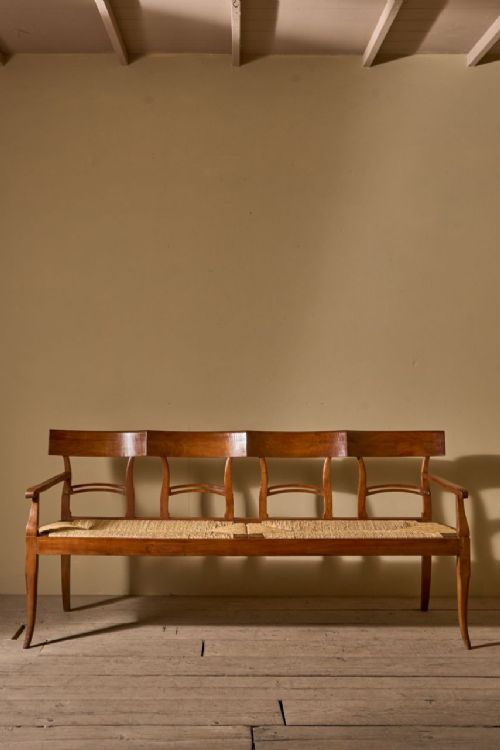
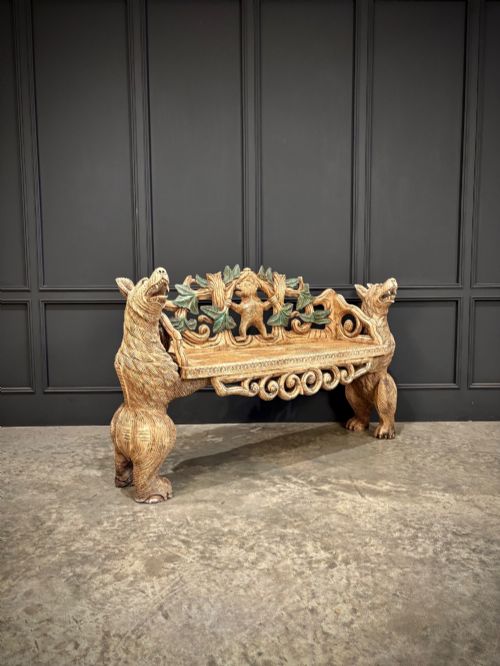
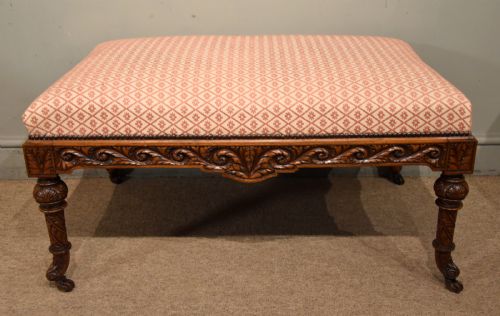
The regional origins and domestic contexts vary widely, encompassing Welsh heart oak hall seats, French cherrywood refectory benches, and Black Forest bear carved two-seat examples. Buyers will also find related seating forms such as settees, daybeds, and footstools spanning the Victorian and Regency periods.
Materials and construction methods
Cabinetmakers and rural joiners utilised a heavy reliance on native timbers such as oak, elm, pine, and fruitwoods like cherry. Construction techniques range from traditional peg and tenon joinery in farmhouse furniture to steam-bent wood and fine inlay in salon pieces.
Outdoor metal seating relies heavily on foundry work, with manufacturers casting durable iron into decorative botanical and rustic branch patterns. Surface treatments include original paint, ebonising, and polished veneers of rosewood, walnut, and mahogany.
Listings feature domestic and garden seating in oak, elm, pine, cast iron, and rosewood across the Victorian and Regency periods.
Distinctions in quality and execution
The standard of a piece depends heavily on the integrity of the timber, the crispness of the carved or cast detailing, and the survival of original surface finishes. Finer domestic examples display sophisticated stylistic references, such as George II design influences or precise inlay work.
For outdoor metal seating, the clarity of the foundry casting separates standard utility items from decorative works. Structural originality, such as untouched painted surfaces and unaltered joinery, governs the standing of both rustic pine and formal hardwood examples.
Falkirk Carron Foundry·Thonet·Gillows·C. Hindley & Sons
The 19th Century Benches Glossary
- Settle
- A wooden bench with a high back, solid arms, and often a storage box beneath the seat. This form helps block draughts in older domestic interiors.
- Refectory bench
- A long, narrow seating form traditionally paired with a large dining table. These pieces often feature simple trestle or four-leg construction in oak or elm.
- Window seat
- A refined upholstered or wooden bench designed specifically to fit within a window recess. They frequently date from the Regency and Victorian eras.
- Bentwood
- Wood that has been rendered pliable by steaming and then shaped into curved forms. This technique defines lightweight seating from later periods.
- Patina
- The surface sheen and coloration developed through age, handling, and wear. Collectors value this natural indicator of authenticity.
19th Century Benches: Frequently Asked Questions
Where were wooden benches placed in nineteenth century homes?
Hall benches and settles were typically positioned in entranceways or corridors to provide seating for visitors and domestic staff. They often doubled as storage containers for boots, blankets, or household goods.
Longer oak and pine variants were commonly paired with refectory tables in kitchens or dining rooms for communal family meals.
How do I care for an antique cast iron garden bench?
Metal garden seating requires protection from prolonged moisture to prevent rust from forming on the surface. Regular inspections of the paint finish help maintain the structural integrity of the cast iron.
During winter months, storing the bench under cover preserves the paint and protects the detailed foundry work from frost damage.
How can I distinguish Regency seating from Victorian pieces?
Regency pieces often display classical influences derived from Greek, Roman, and Egyptian designs, utilising materials like mahogany and satinwood. The lines tend to be clean and architectural, with restrained ornamentation such as strapwork or reeding.
Victorian furniture generally embraces heavier proportions, darker walnut or rosewood timbers, and more exuberant carved or upholstered details reflecting Revival styles.