
Victorian Hall Benches
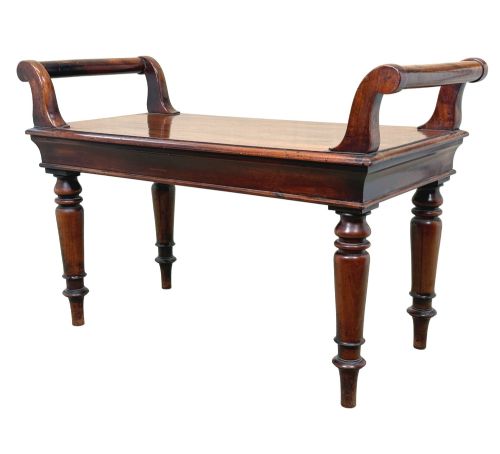
Victorian hall benches bring architectural presence to entryways, offering sturdy seating and practical storage carved from rich timber.
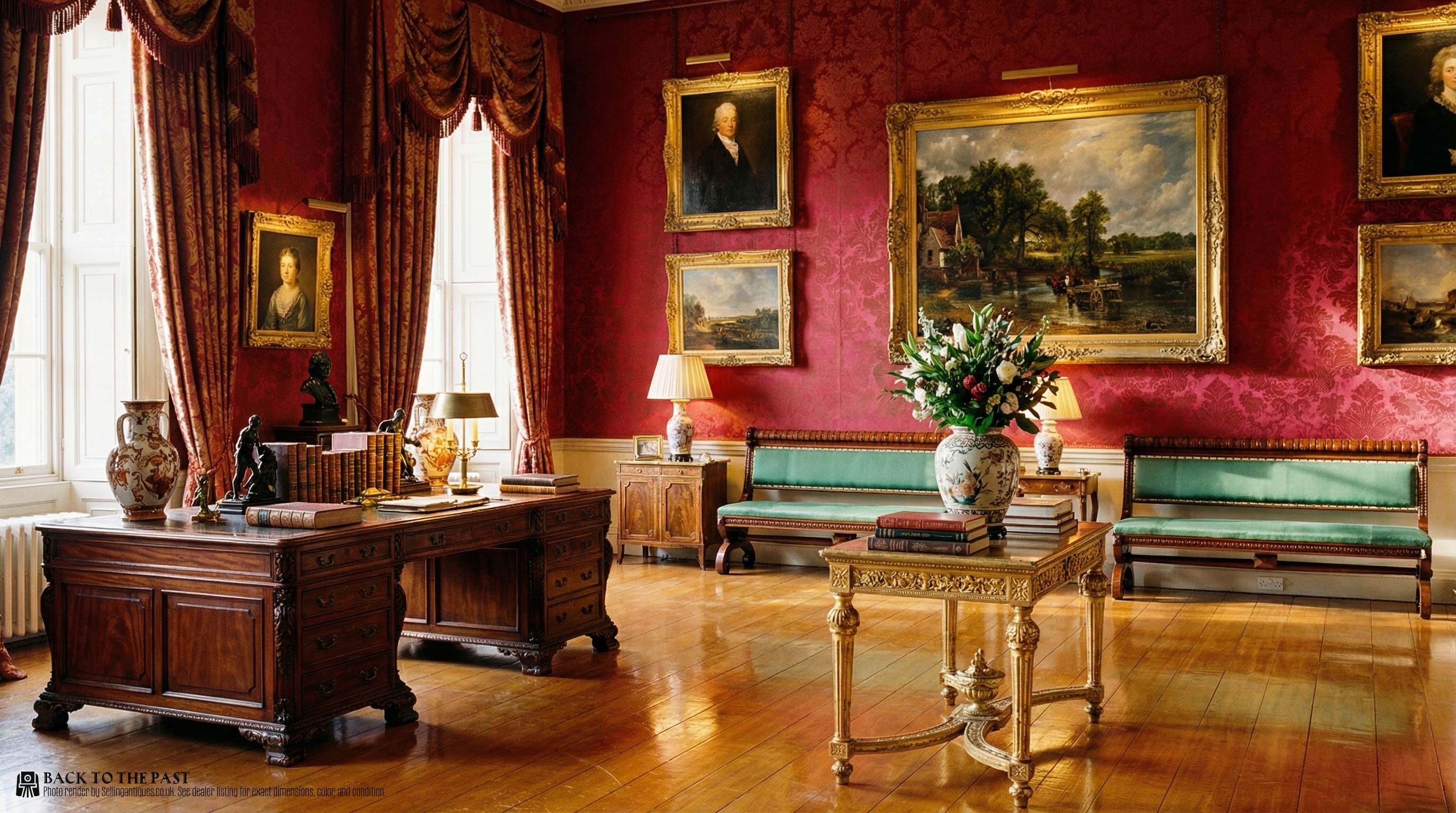
Victorian Hall Benches
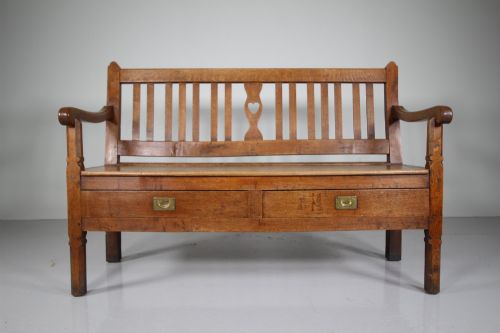
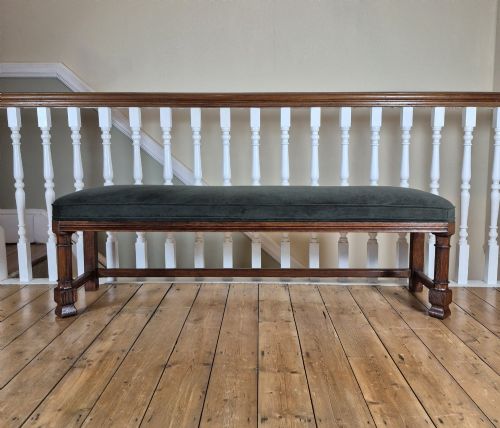
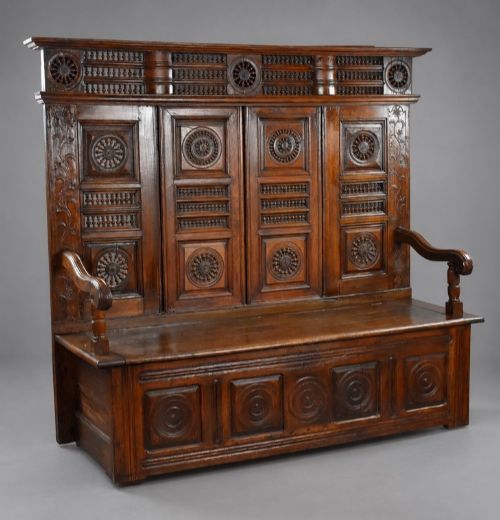
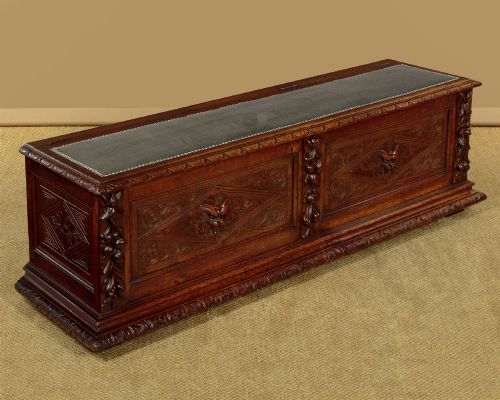
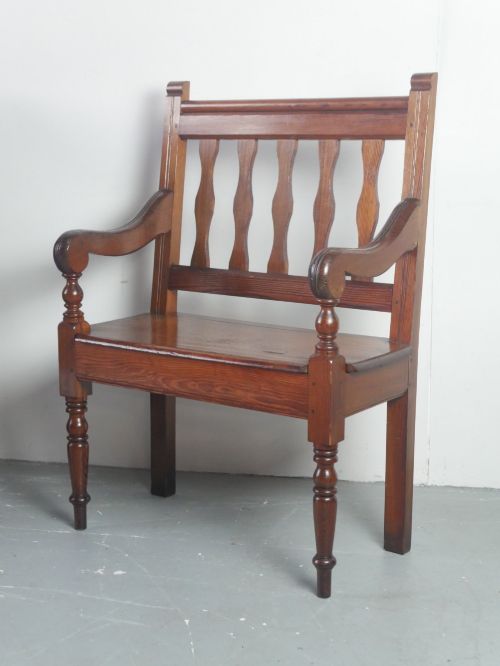
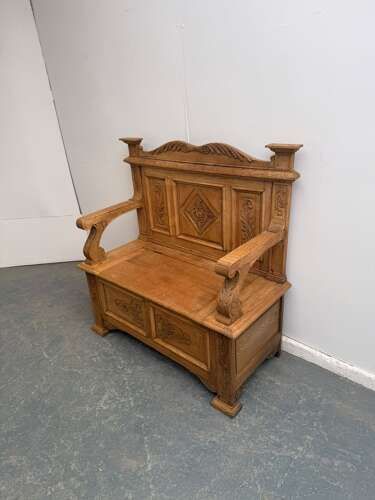
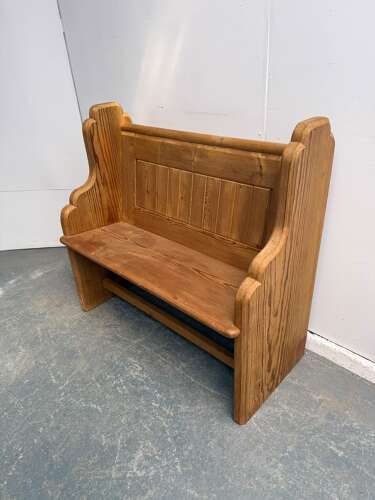
When you search for victorian hall benches, you encounter a robust variety of entrance seating designed to greet visitors in nineteenth-century homes. These pieces range from simple planked pine church pews and organ benches to heavily carved architectural settles with integrated storage boxes and coat hooks.
The selections span distinct stylistic revivals, including Gothic Revival, Jacobean Revival, and rustic country interpretations. Oak dominates the material record, appearing alongside pine, mahogany, walnut, and elm in forms varying from compact single seats to grand multi-functional hall stands.
Materials and construction methods
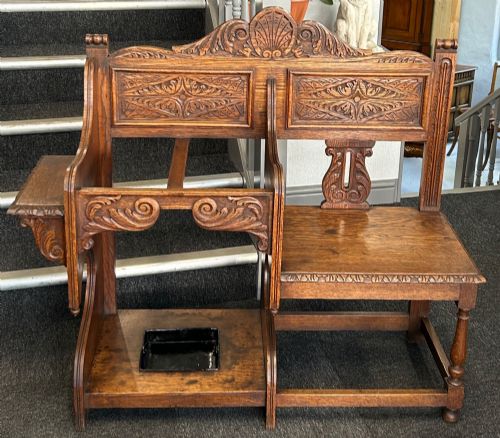
Carpenters relied heavily on solid oak and pine, utilising traditional mortise and tenon joinery to withstand heavy daily use in busy domestic corridors. Surfaces often received a dark wax finish or intricate relief carving displaying Gothic and vernacular motifs.
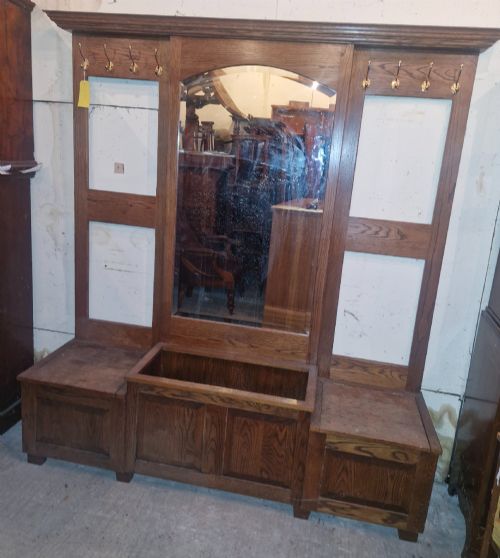
Makers integrated functional hardware including brass coat hooks, umbrella wells, and hinged box seats for hidden storage. Secondary woods like elm and walnut appear in structural elements, while occasional leather, fabric, paint, and ebonised details provide decorative contrast.
Several church pews and organ benches cross over from ecclesiastical settings to serve as unconventional hallway seating.
Judging quality and craftsmanship
The standard of carving and the selection of timber dictate the hierarchy among these pieces, separating standard utilitarian pews from commission-grade cabinetmaker output. Superior examples display crisp, deep relief panels and tight, durable joinery that remains stable without modern reinforcement.
Attribution also plays a part, with signed or stamped pieces from documented cabinetmakers commanding stronger interest than unmarked vernacular items. The preservation of original surface finishes, brass mountings, and integrated fixtures preserves the integrity of the piece.
Gillows·Jas Shoolbred·James Shoolbred & Co.
The Victorian Hall Benches Glossary
- Settle
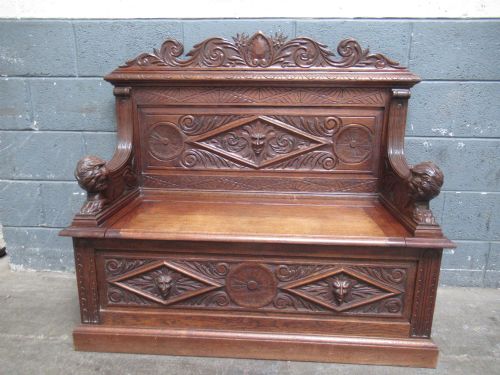
- A wooden bench with a high solid back and enclosed box base. It shielded inhabitants from draughts in corridors and entrance halls.
- Gothic Revival
- An architectural and decorative style popular during the nineteenth century. It borrows medieval pointed arches, tracery, and heavy carved motifs.
- Box Settle
- A bench featuring a hinged seat lid that opens to reveal storage underneath. It functioned as both seating and a chest for boots or blankets.
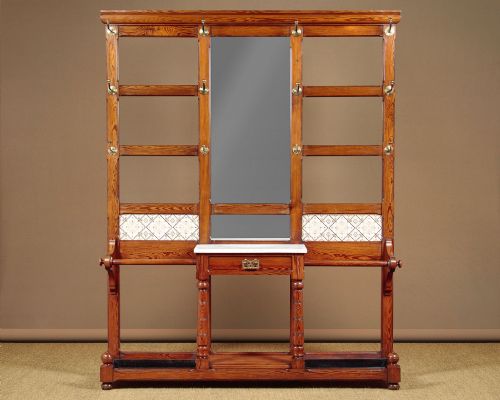
- Hall Stand
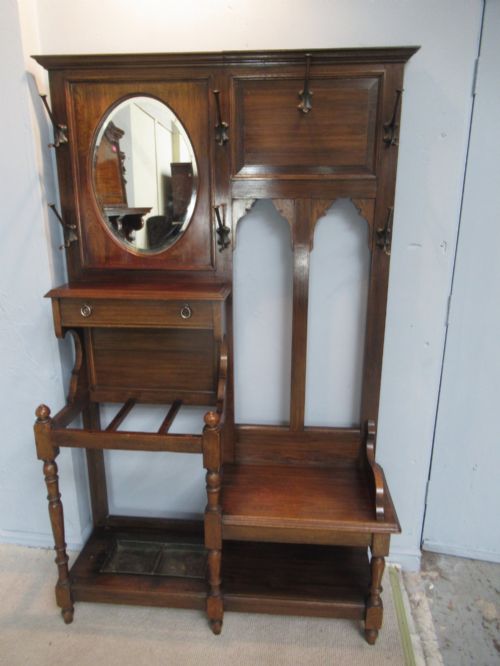
- A multi-functional entrance piece combining a bench, mirror, hat pegs, and stick stands. It kept outerwear organised near the front door.
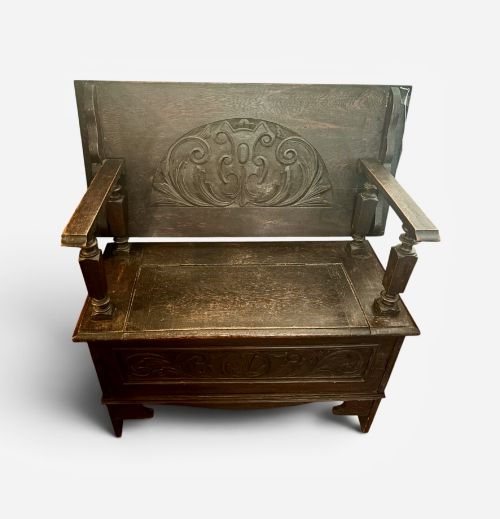
- Monk's bench
- A convertible piece of furniture with a pivoting back that folds down to form a table top. Smaller versions served compact Victorian spaces.
Victorian Hall Benches: Frequently Asked Questions
Where were Victorian hall benches placed?
These benches sat directly inside the front entrance or along wide hallways to provide a convenient seat for putting on boots. They doubled as welcoming furniture that established the aesthetic tone of the house for incoming guests.
Larger versions incorporated umbrella stands and coat hooks to keep heavy outerwear organised near the door. Smaller variants often functioned as window seats or occasional chairs in adjacent reception rooms.
How do I identify Gothic Revival styles?
Gothic Revival pieces display architectural motifs borrowed from medieval stone buildings and churches. Look for pointed arch panels, quatrefoil cutouts, heavy tracery, and deep relief carving.
These designs often use dark waxed oak to emphasise their solemn, structural character. The style was immensely popular during the mid to late nineteenth century for both domestic and ecclesiastical furniture.
Are these benches suitable for modern hallways?
Victorian entrance seating fits remarkably well into contemporary homes by offering practical storage and sturdy daily seating. Narrower forms and neat window seats accommodate compact modern corridors without dominating the floor space.
Pieces with integrated coat hooks and umbrella wells provide immediate utility for contemporary hats and walking sticks. Their durable construction ensures they easily handle heavy everyday use.