





Long Wooden Settle
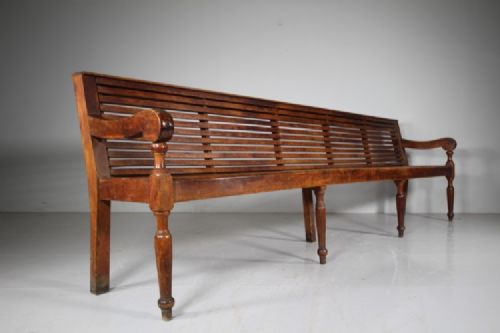
A long wooden settle offers robust rustic seating, bringing traditional character and generous proportions to hallways and kitchens alike.
Long Wooden Settle
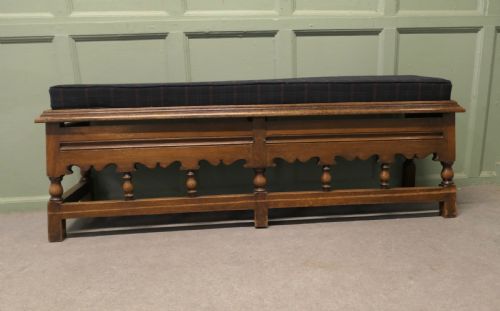
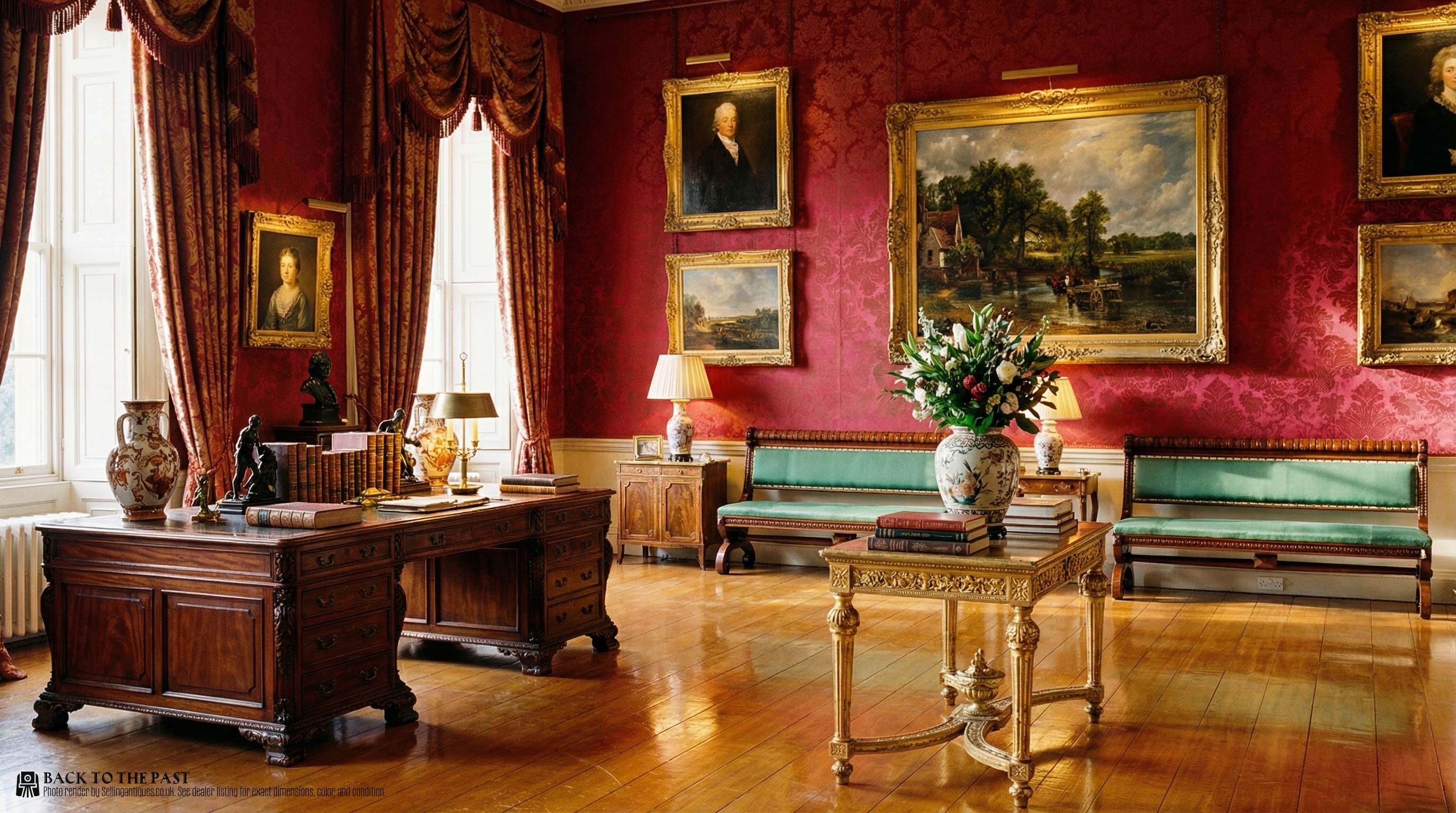
A long wooden settle search brings up substantial seating forms, primarily historic benches and pews originating from various country houses and institutions. The examples most frequently met here date from the nineteenth century, including Victorian country pieces and regional Irish or French variants.
These items serve practical seating needs in large hallways, waiting rooms, and dining spaces. The construction ranges from simple painted pine forms to grander oak and walnut examples.
How they were made
Makers utilised solid timbers such as oak, walnut, and pine, often combining structural wood with upholstered elements like tweed or leather. Surfaces frequently show historic painted finishes, particularly on Scandinavian and vernacular pine examples.
Construction methods focus on durability, utilising sturdy joinery suitable for heavy daily use in institutional or domestic settings.
Long Wooden Settle Retail Price Guide 2026
Typical asking prices for long wooden settle among the pieces listed under this phrase on Sellingantiques today, from the lower quarter to the upper quarter. They describe what is for sale here now, not the wider market.
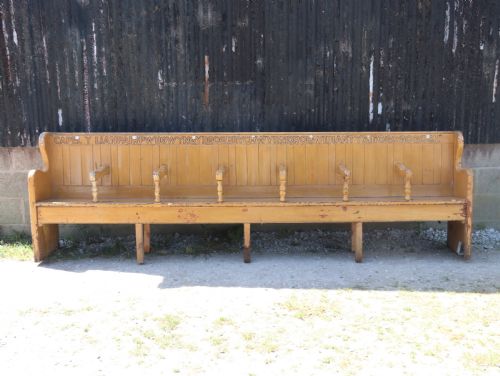
One listed Victorian pine bench even carries an ink mark identifying its former service in the chapel at Llanfair.
What varies in quality
The distinction between standard utility items and finer pieces lies in the selection of timber and the sophistication of the regional style. Richly grained walnut or finely figured oak elevates a piece above basic pine utility seating.
Proportion and decorative restraint also determine distinction, with cleaner vernacular lines and intact original painted surfaces holding greater visual appeal than heavily altered examples.
The Long Wooden Settle Glossary
- Settle
- A long wooden bench with a high back and solid arms. It traditionally protected occupants from draughts in large historic halls.
- Pew
- A long bench with a back, historically used for seating in churches or chapels. Many surviving examples retain markings or institutional provenance.
- Vernacular
- Architecture or furniture built by local craftsmen using traditional regional methods and materials. These pieces reflect local domestic requirements rather than high court fashions.
- Painted pine
- Softwood timber treated with decorative paint finishes. This surface treatment is common in Scandinavian and French provincial furniture traditions.
Long Wooden Settle: Frequently Asked Questions
Where should I place a long wooden settle?
These substantial benches suit large hallways, spacious dining areas, or long corridors where their generous proportions anchor the room.
Ensure adequate floor space is available before placement, as their length demands a clear run against a substantial wall.
How do I maintain the timber surface?
Dust the wood regularly with a dry cloth and apply natural beeswax periodically to nourish the grain and protect the finish.
Avoid placing wooden furniture near direct heat sources or in areas with fluctuating humidity to prevent timber splitting.
Are these benches comfortable for dining?
Many long benches provide firm seating that works well alongside large refectory tables for casual or group dining.
Adding loose cushions or wool pads can enhance comfort during extended sitting periods.
How can I tell nineteenth century pieces apart?
Examine the timber patination, tool marks, and construction joints to understand the age and regional origin of the piece.
Regional styles often reveal themselves through specific timber choices, such as oak in English pieces or pine in Scandinavian examples.