
Carved Panel Seat
A carved panel seat brings centuries of solid timber and rich ornament into a hallway, ranging from sturdy oak settles to elegant mahogany hall chairs.
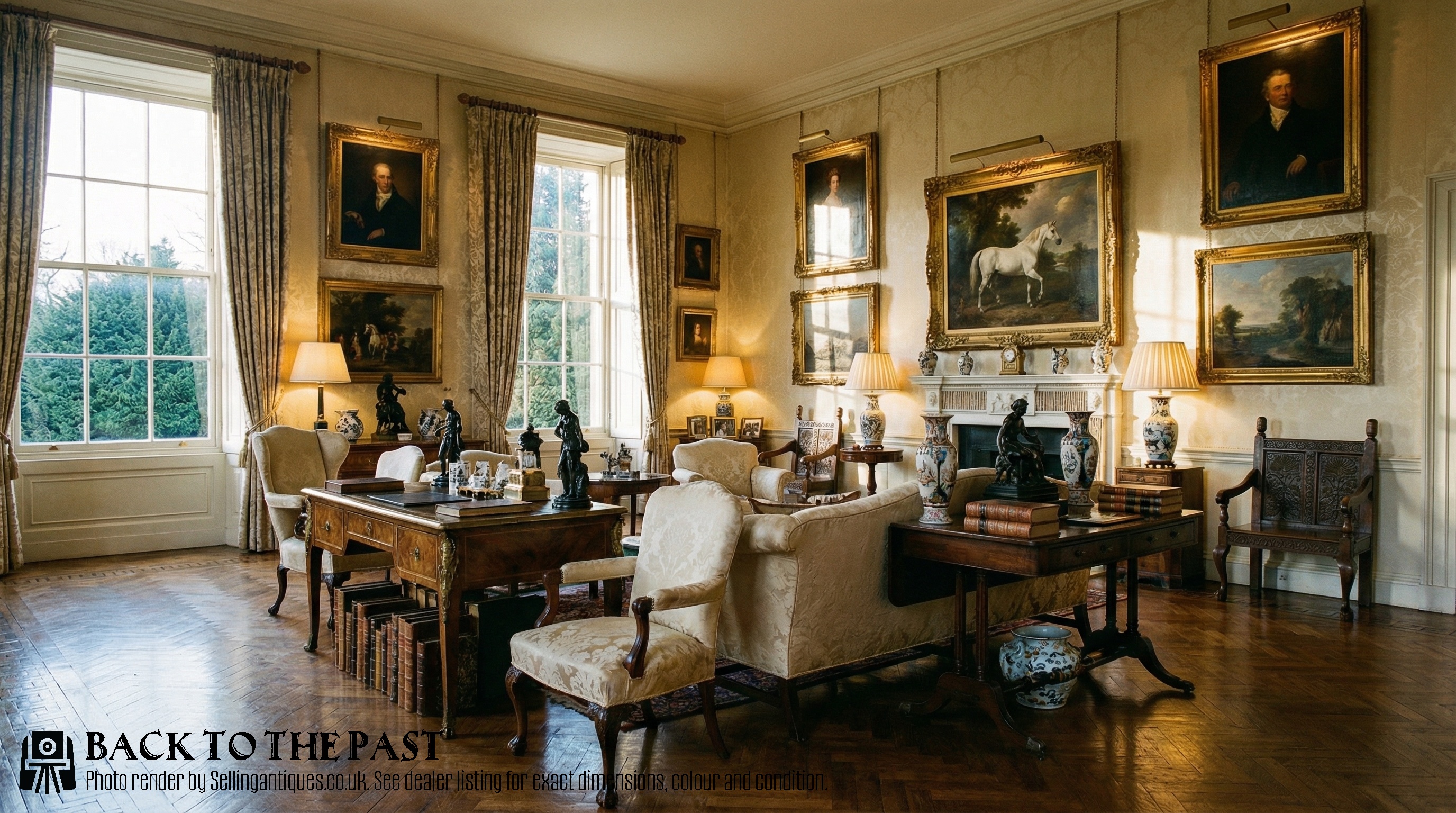
Carved Panel Seat
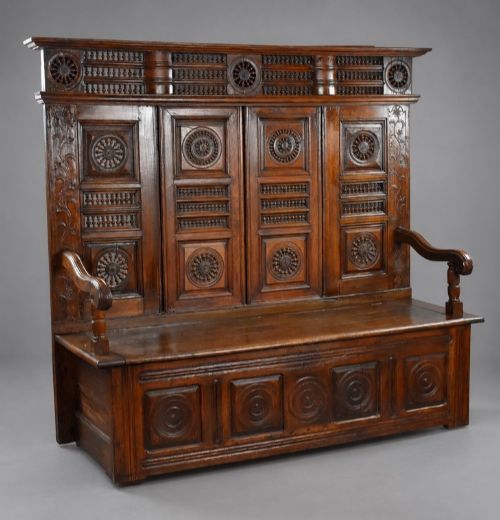
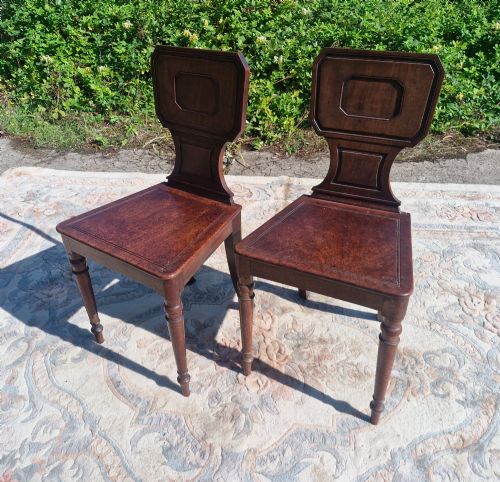
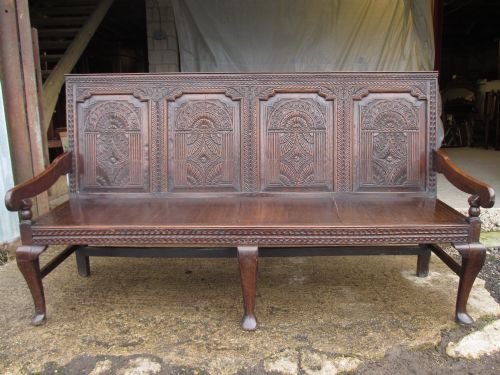
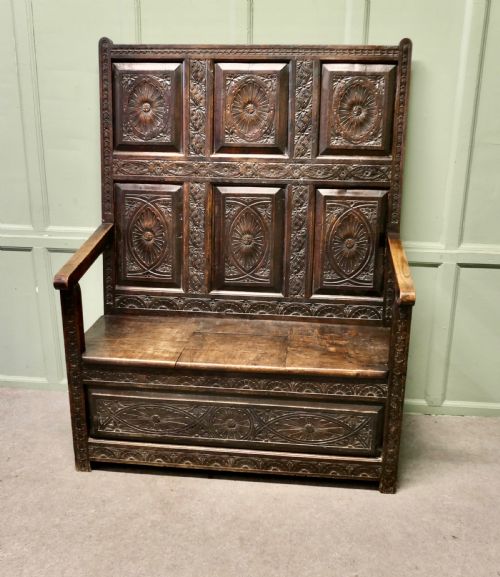
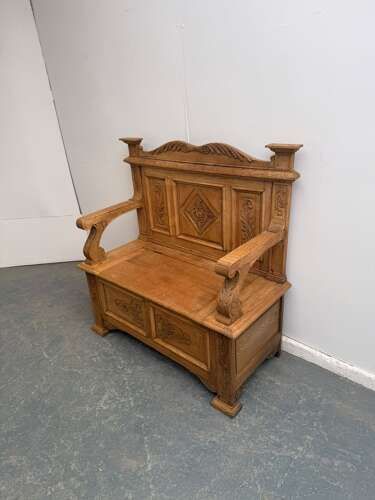
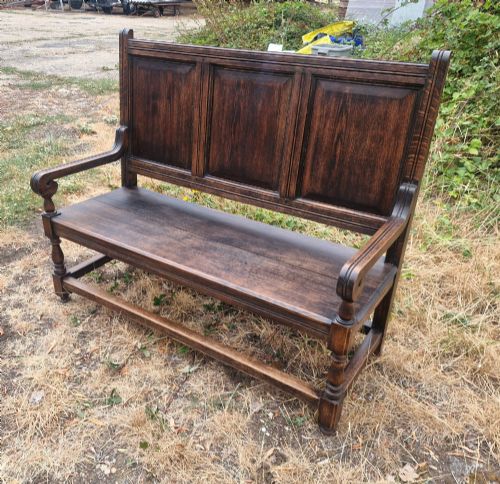
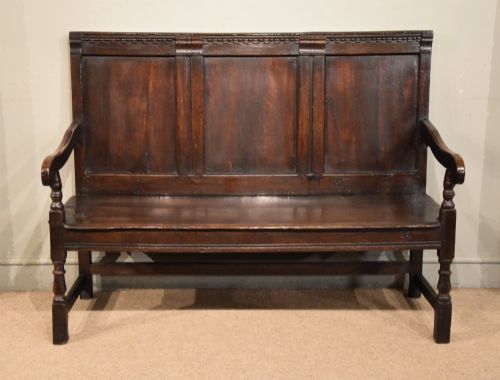
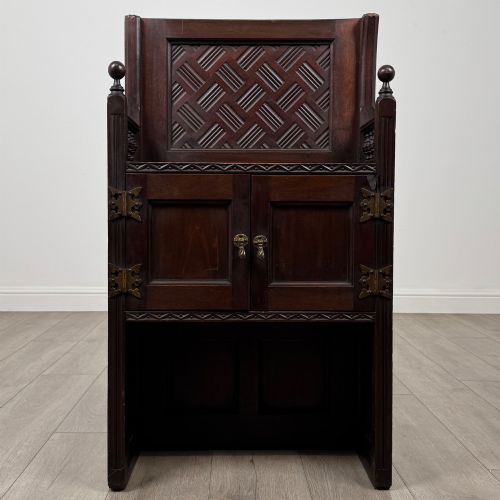
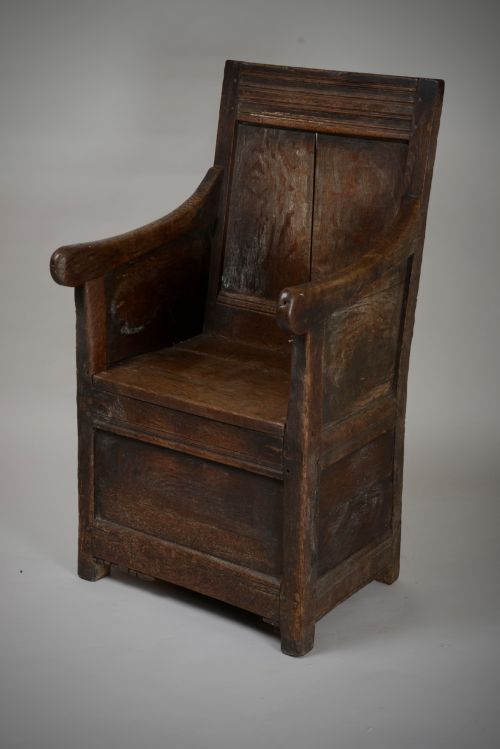
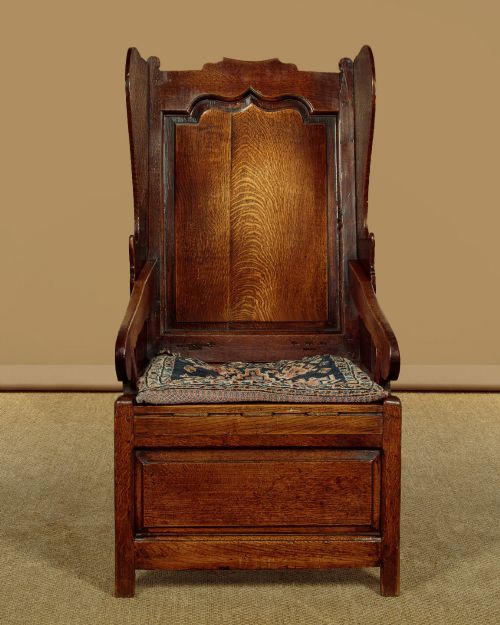
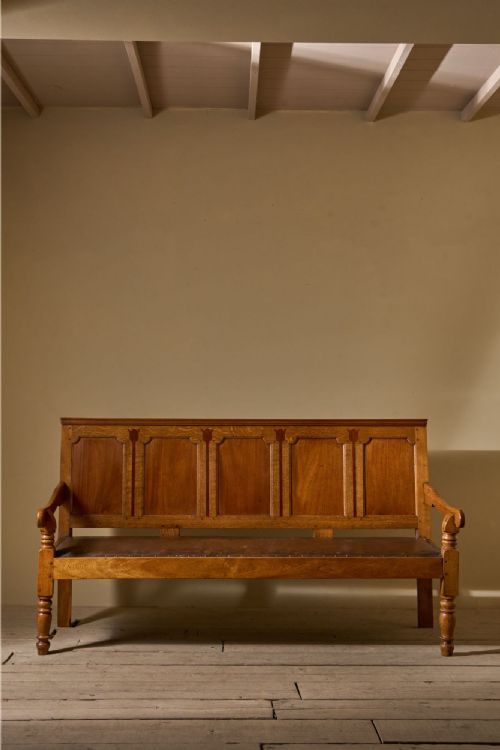
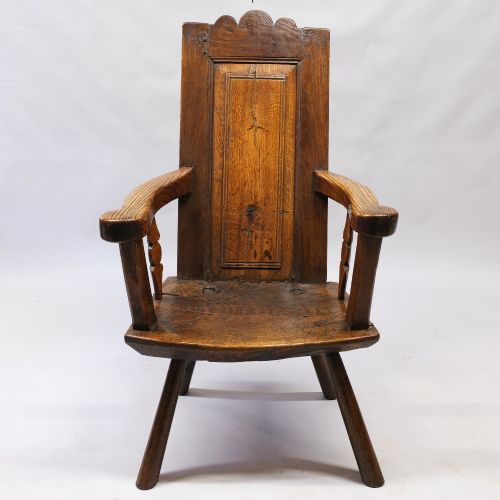
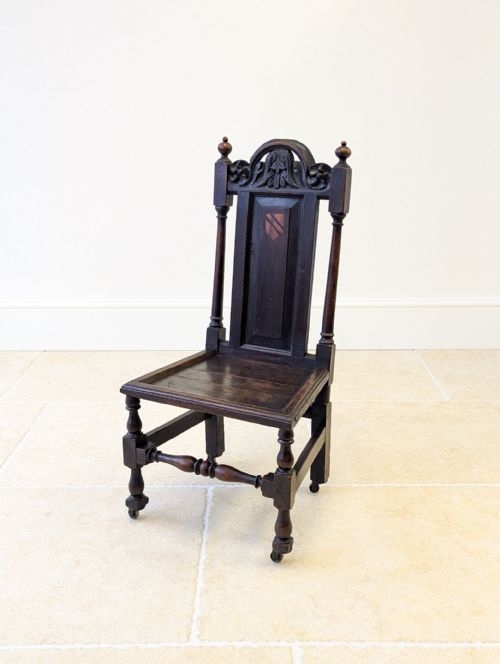
A carved panel seat encompasses a robust variety of historical forms designed for hallways, parlours and communal rooms. When searching for a carved panel seat, buyers encounter substantial oak settles, high-backed wainscot chairs and refined mahogany hall benches spanning several centuries of British and European craftsmanship.
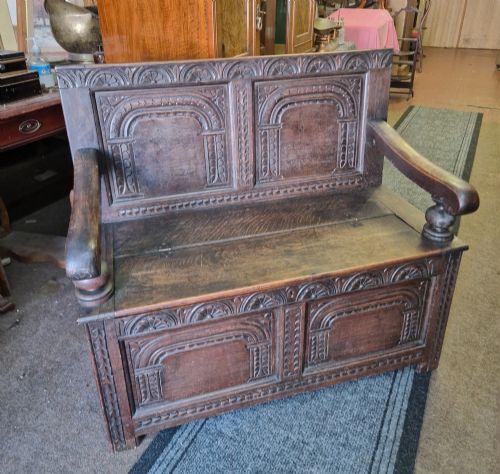
The material record shows a strong dominance of oak across seventeenth-century and eighteenth-century examples, alongside nineteenth-century revivals and Edwardian updates. Settles with box storage and tall panelled backs appear frequently, offering both seating and practical utility.
Earlier pieces draw from seventeenth-century Jacobean traditions, whilst later iterations embrace Victorian Gothic Revival and Edwardian interpretations. The selection balances heavy vernacular furniture with lighter decorative seating.
Assessing the standard
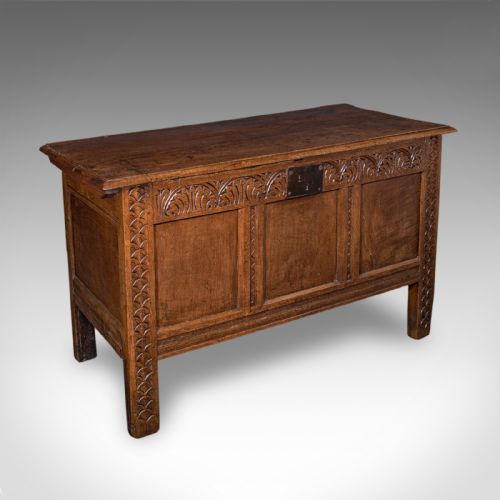
Quality rests in the crispness and depth of the timber carving, where confident chisel work distinguishes master workshops from later provincial copies. The integrity of the original joints and the proportion of the timber determine the structural endurance of each settle or chair.
The choice of raw material also sets benchmarks, as tightly grained quarter-sawn oak displays better figure and stability than plain-sawn alternatives. Preservation of original surface patination without aggressive modern stripping elevates an example above heavily restored or artificially aged pieces.
Listings span from the sixteenth-century Elizabethan era through Georgian and Victorian periods, with oak remaining the dominant material.
Liberty and Co
The Carved Panel Seat Glossary
- Settle
- A wooden bench with a high panelled back, solid armrests and often a box compartment beneath the seat for storage. This form kept draughts away from occupants in large medieval and early modern rooms.
- Wainscot chair
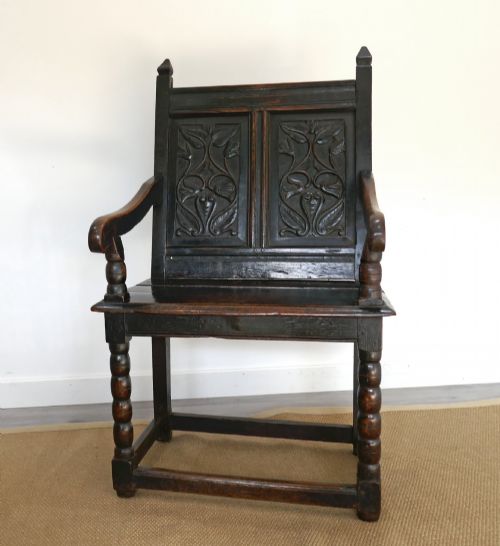
- An early seventeenth-century wooden armchair constructed with panelled backboards and turned legs. The term originally referred to fine imported oak boards used for wall panelling.
- Box settle
- A heavy oak bench incorporating a hinged seat lid that opens to reveal a deep storage chest. These pieces served dual purposes in domestic halls and inns.
- Mashrabiya
- An architectural element of turned wooden lattice work used in windows or panels. Items incorporating these details reflect nineteenth-century global trade and aesthetic exchanges.
Carved Panel Seat: Frequently Asked Questions
What is a carved panel seat used for?
These pieces served practical seating and storage functions in historical domestic interiors, particularly in entrance halls where heavy outerwear or boots needed a home.
Today, they function as striking focal points in modern hallways, combining historic timber character with everyday utility.
How do I date an oak settle?
Dating relies on construction methods, timber selection and the style of the panel carving. Early pieces from the seventeenth century show pegged mortise and tenon joints and simple geometric strapwork.
Victorian and Edwardian revivals often feature softer timber preparation, machine assistance and more eclectic historical motifs combined in a single frame.
Where should I place a hall bench?
A hall bench or settle requires a wall of sufficient length to support its high panelled back without overwhelming the floor space. Placing it away from direct heat sources prevents the old oak or mahogany from drying out and splitting.
They work particularly well in spacious entranceways, boot rooms or large living areas where their sculptural backs can be appreciated.
Are these seats comfortable?
Historic wooden settles and wainscot chairs were built for posture and durability rather than deep lounging. Their upright wooden backs encourage an upright sitting position suited to entryways and dining tables.
Adding a loose fabric cushion or squab pad easily softens the hard wooden seat for longer periods of sitting.