

Wooden Hall Stick Stand
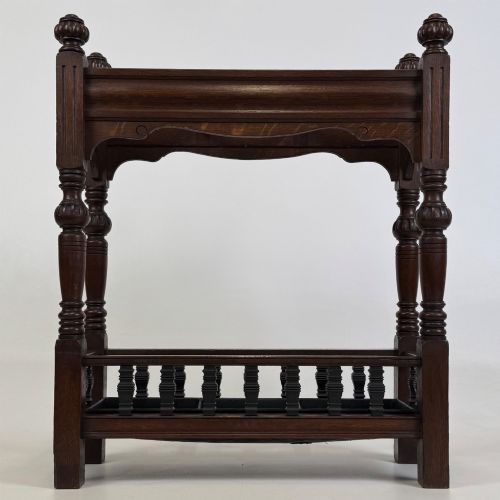
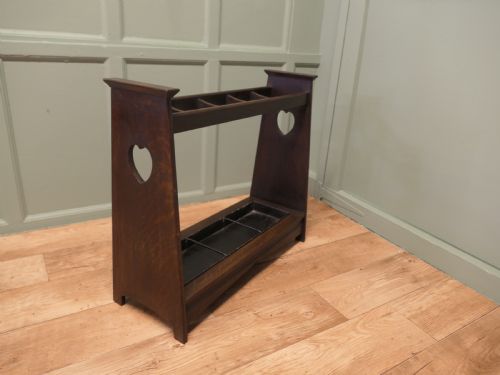
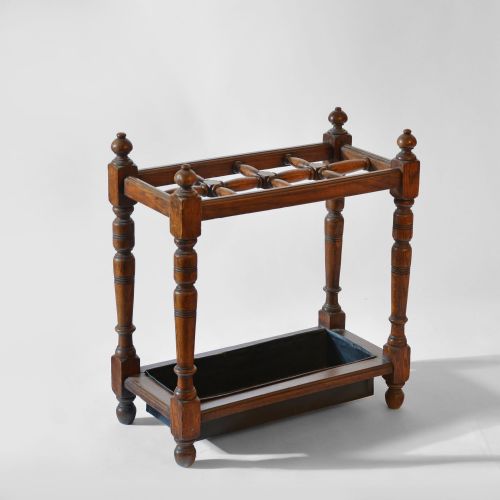
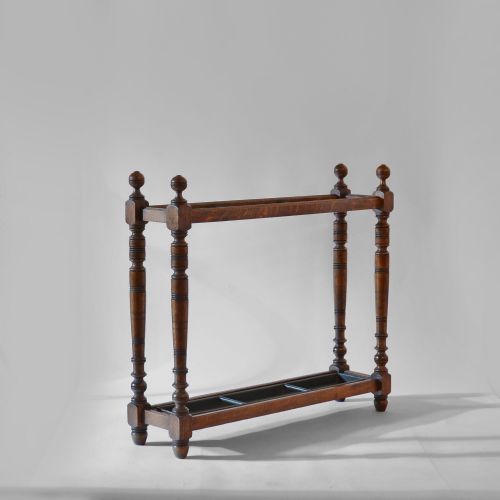
A wooden hall stick stand is a practical entranceway piece designed to corral walking sticks and umbrellas.
Wooden Hall Stick Stand
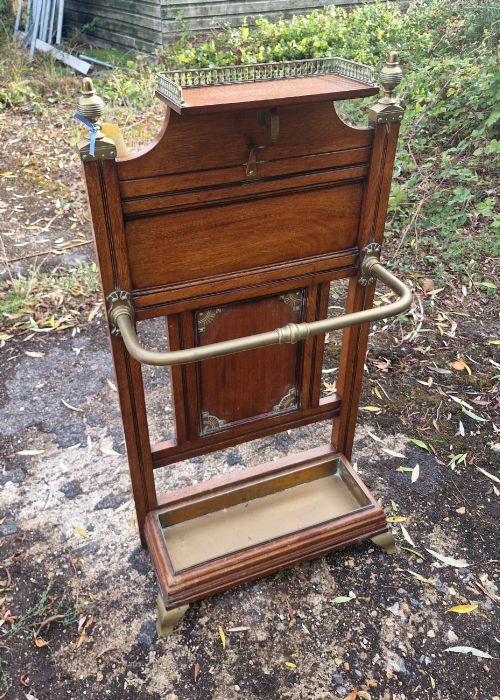
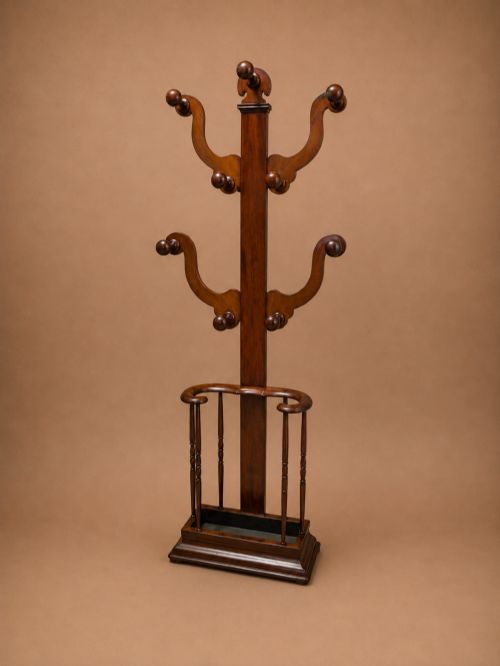
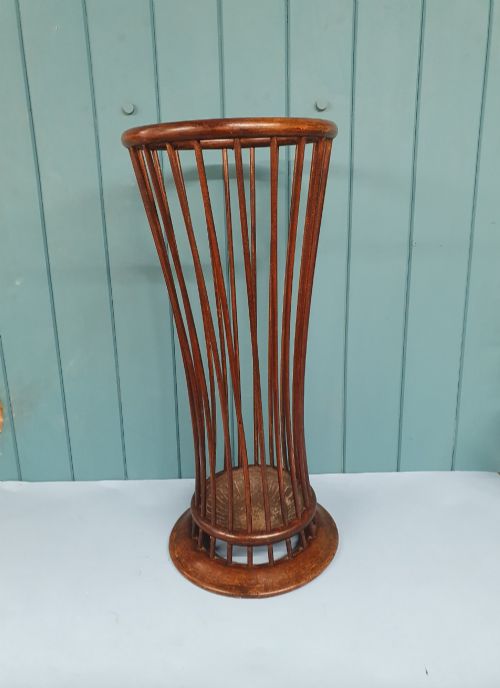
When searching for a wooden hall stick stand, buyers encounter entranceway furniture spanning the nineteenth and early twentieth centuries, including dedicated umbrella receptacles and multi-purpose hall furniture with integrated stick holders. The most frequent examples on this page are oak and mahogany pieces originating from the Victorian and Edwardian periods.
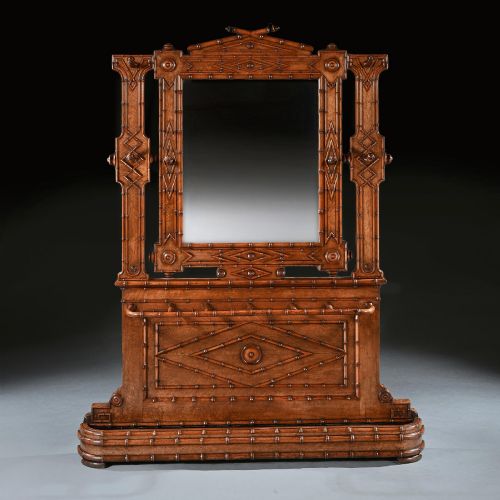
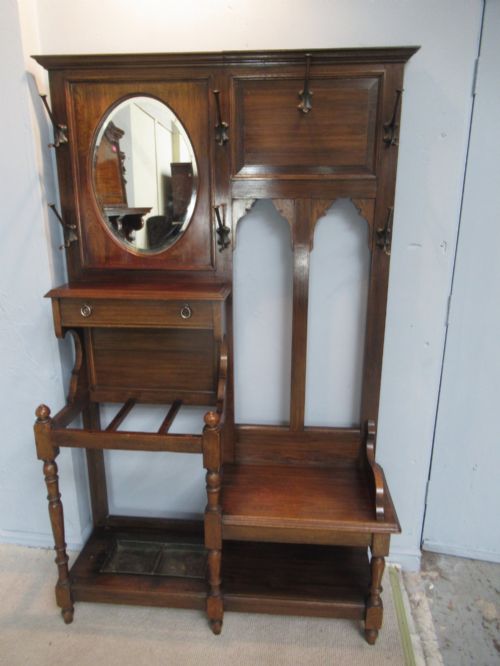
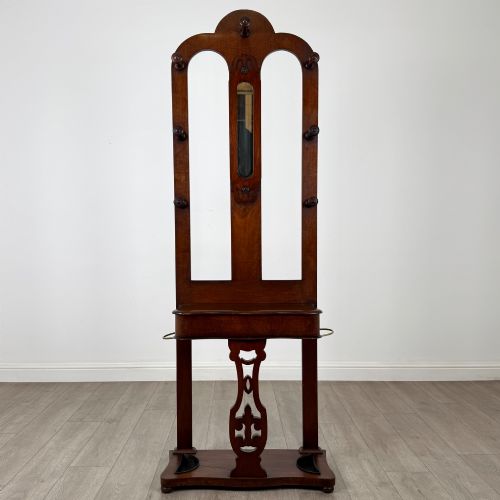
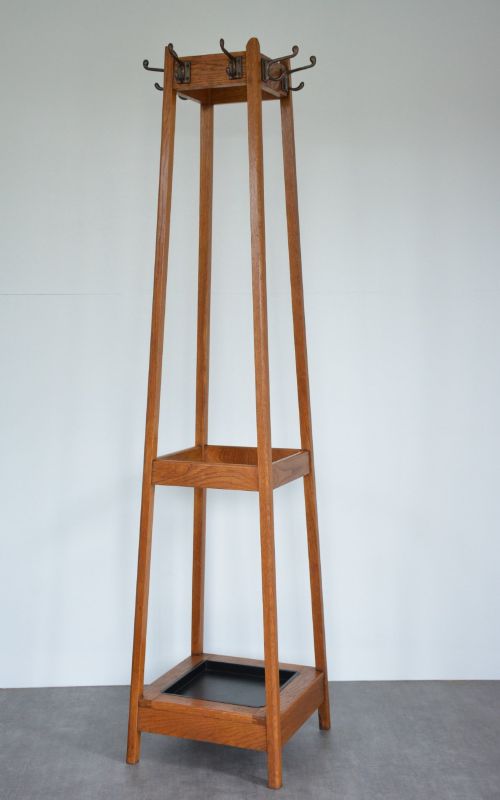
Forms range from compact corner umbrella stands to large architectural hall stands combining coat hooks, mirrors, and bench seats with built-in stick wells. Stylistic variations draw upon Arts and Crafts, Aesthetic Movement, and Gothic Revival vocabularies alongside simpler country house designs.
Assessing quality and craftsmanship
Quality separates through the selection of timber, such as figured golden oak or dense mahogany, and the crispness of hand-carved ornamentation rather than applied mouldings. Structural integrity in the joints determines whether a stand handles the daily weight of heavy walking poles and damp umbrellas.
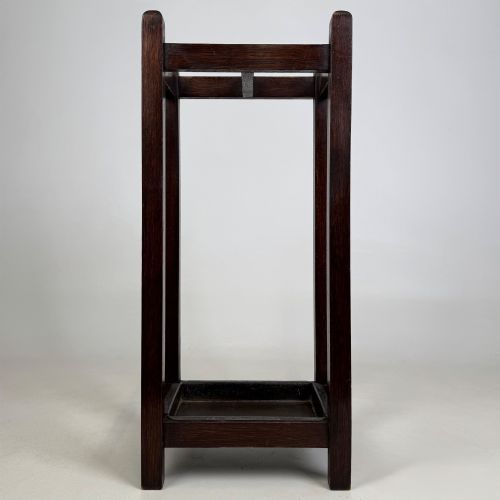
Original hardware elevates a piece, particularly intact metal drip trays and substantial brass mountings that correspond to the period of the woodwork. The balance between decorative ambition and sturdy utility dictates the standing of individual examples.
Carved wooden bears keep watch over walking sticks in the traditional Black Forest pieces.
Heals of London·Liberty Design
The Wooden Hall Stick Stand Glossary
- Drip tray
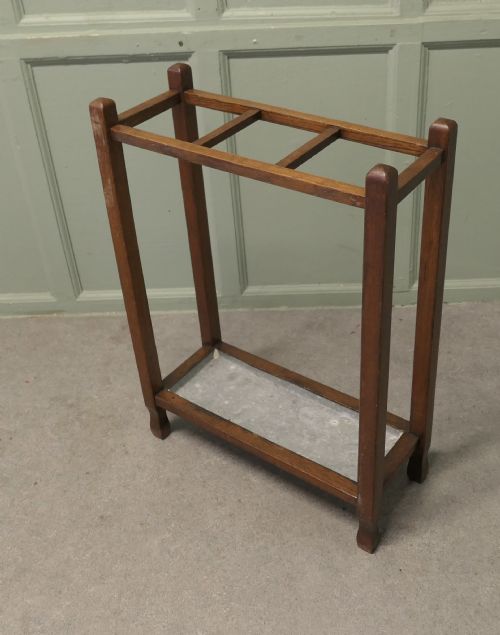
- A removable metal or zinc pan placed at the base of a stick stand to collect water from wet umbrellas and protect the wooden floor.
- Hall stand
- A large piece of entrance furniture that combines coat hooks, a mirror, a glove drawer, and integrated umbrella wells.
- Bentwood
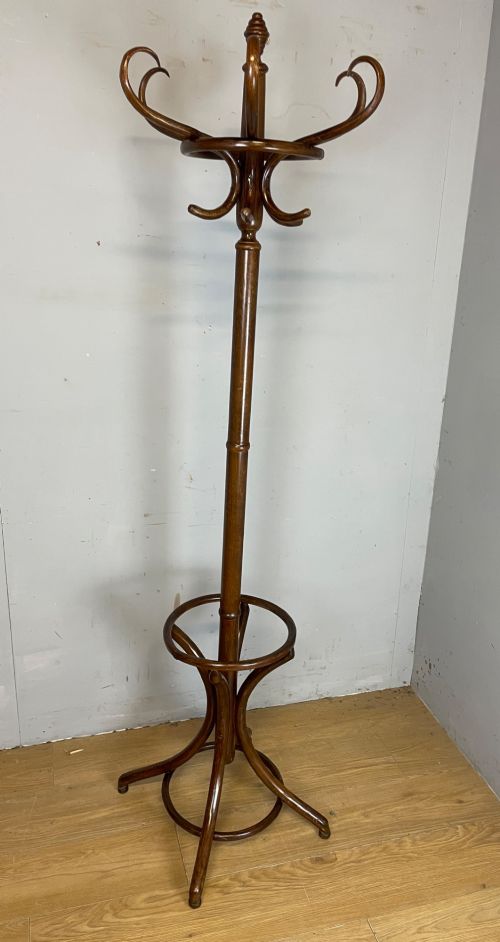
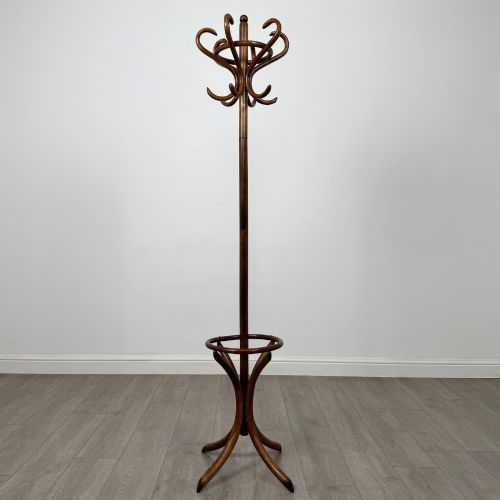
- Wood softened by steam and bent into curved structural forms, commonly utilised in lightweight coat and stick stands.
- Japonisme
- A late nineteenth-century design influence reflecting Japanese aesthetic principles, often found on faux bamboo and maple hall furniture.
- Black Forest
- A nineteenth-century carving style originating from Central Europe, frequently depicting realistic animals such as bears integrated into functional stands.
Wooden Hall Stick Stand: Frequently Asked Questions
What is a wooden hall stick stand?
A wooden hall stick stand is a domestic piece built to hold walking sticks, canes, and umbrellas neatly near an entrance door. These items range from small standalone frames to expansive hall furniture incorporating mirrors and coat hooks.
Most surviving examples date from the Victorian and Edwardian eras, constructed in timbers like oak and mahogany to match period interior joinery.
How do I care for a vintage stick stand?
Maintaining a wooden stick stand involves keeping the interior metal drip trays clean and dry to prevent rust transfer and wood rot at the base. Regular application of suitable furniture wax preserves the timber finish.
Placement away from direct heat sources and damp external walls ensures the wood joints remain stable over time.
How do I date a wooden hall stand?
Dating relies on observing stylistic markers, construction methods, and timber choices that align with specific eras like the Victorian or Edwardian periods. Arts and Crafts and Aesthetic Movement influences point towards the late nineteenth century.
Examining the hardware, such as brass hooks and original removable drip pans, also helps confirm the period of manufacture.
Did hall stands include mirrors?
Larger hall stands frequently incorporated bevelled glass mirrors into their central backboards to allow last-minute checks before leaving the house. These mirrors are usually secured with wooden beadings characteristic of nineteenth-century cabinetmaking.
Smaller dedicated stick stands omitted mirrors, focusing solely on vertical storage for umbrellas and walking canes.