





Country House Hall Stand
A country house hall stand is a substantial entrance piece for coats, sticks and hats, built to last generations in a busy hall.
Country House Hall Stand
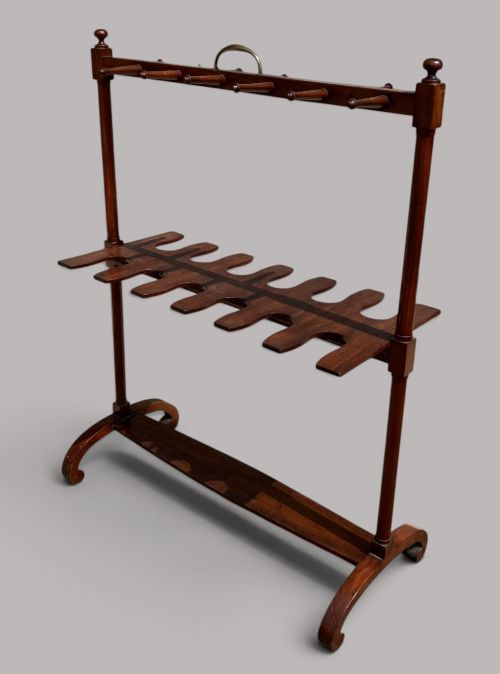
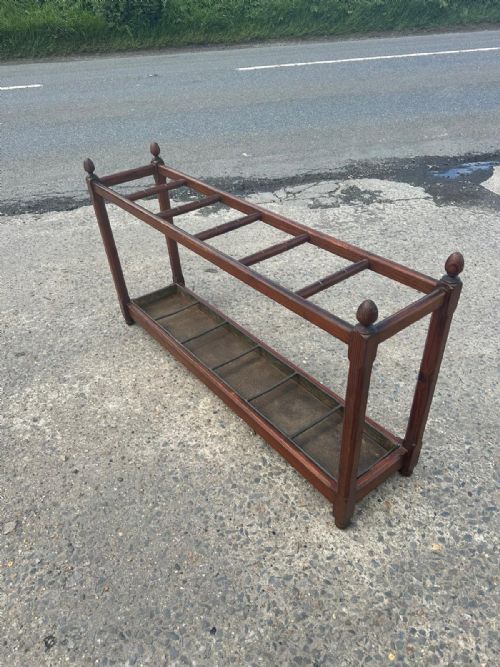
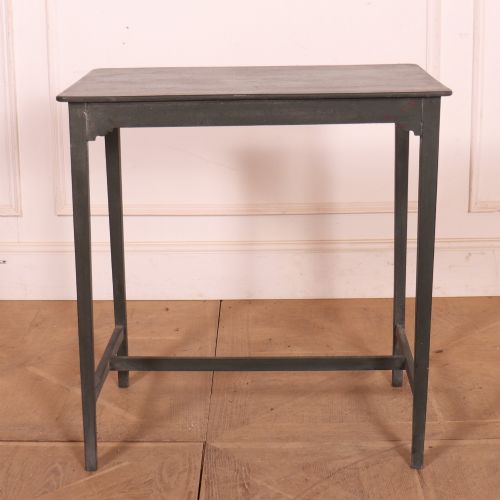
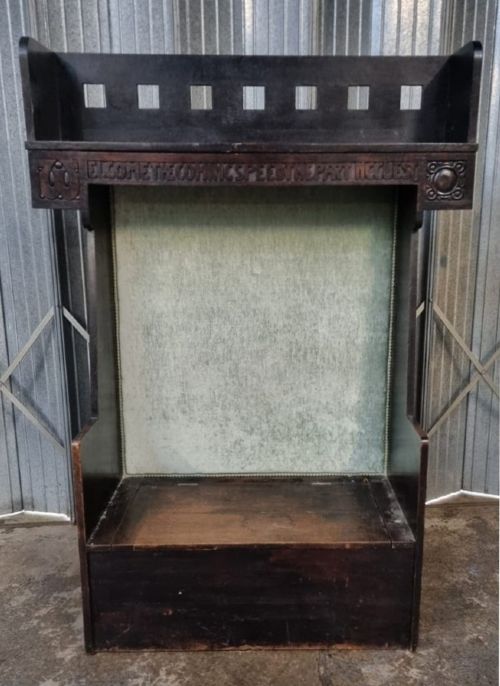
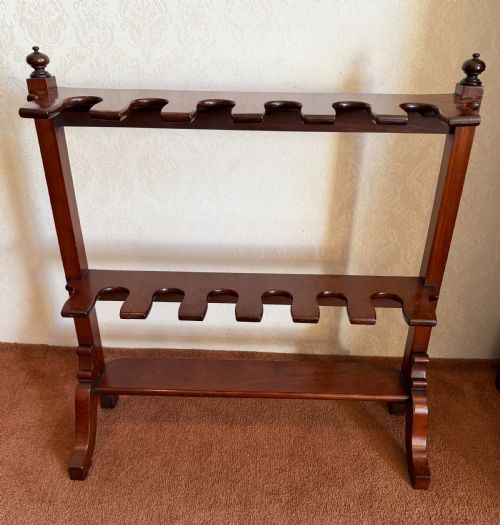
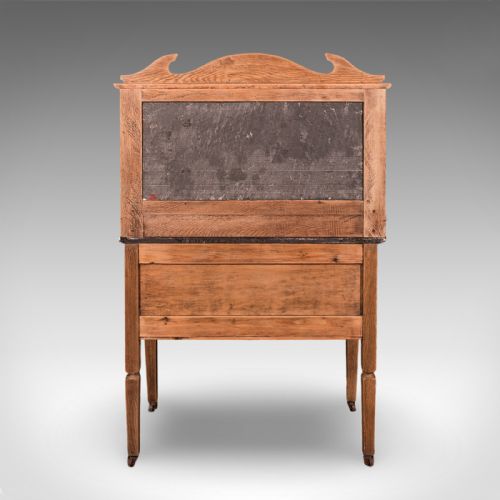
When you search for a country house hall stand, you encounter substantial entrance furniture designed for coats, hats, umbrellas, sticks and riding gear. The pieces on this page span the eighteenth, nineteenth and twentieth centuries, taking forms such as umbrella stands, stick stands, boot racks, hall seats and coat racks.
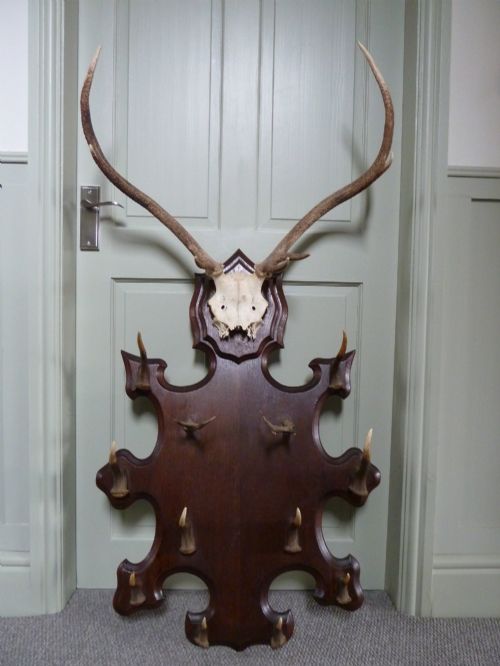
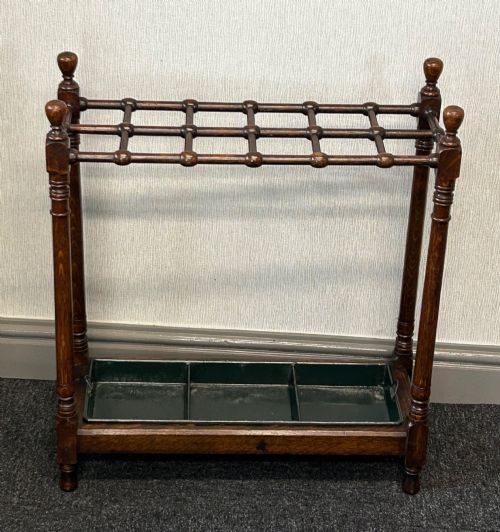
Victorian examples dominate the selection, often rendered in solid oak or mahogany with heavy cast iron elements or built-in umbrella drip pans. Edwardian and Regency variations appear alongside these, ranging from demi-lune oak stands to gothic designs and pieces incorporating stags' horns or brass fittings.
These items served the practical needs of large country residences, shooting boxes and town houses, keeping wet weather gear and outdoor equipment organised near the front entrance. Their robust construction and utilitarian purpose mean they survived decades of heavy household use.
How they were made
Makers relied primarily on sturdy timbers such as oak, mahogany, pine and walnut, supplemented by metalwork like brass, cast iron, zinc and steel. Structural joints were built to endure the weight of wet umbrellas, heavy wool coats and riding boots without warping or loosening.
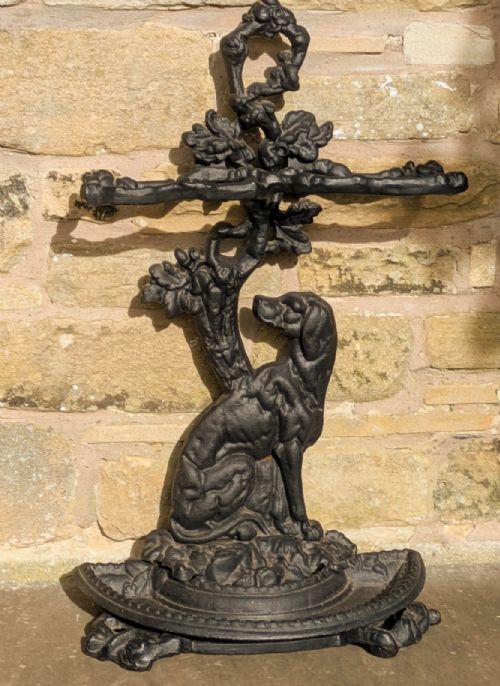
A nineteenth-century cast iron stand shaped as a gun dog stands ready to hold your walking gear.
What varies in quality
Quality rests in the selection of timber and the integrity of the original construction, distinguishing robust architectural hall furniture from simpler utility pieces. Dense, well-figured oak and rich mahogany timbers with original patination command greater appreciation than softer pine variants.
The sophistication of the ironmongery, whether hand-forged blacksmith hinges or finely chased brass mounts and removable drip pans, marks the distinction between standard workshop output and superior production.
Coalbrookdale·Heals of London·Shapland and Petter·Liberty
The Country House Hall Stand Glossary
- Demi-lune
- Half-moon shape, describing hall stands and tables designed to sit flush against an entrance wall to save floor space. This configuration was particularly popular for Victorian umbrella stands placed in narrower corridors.
- Bergere
- Woven cane panel work used on larger hall stands and seats. The technique provides a textured, breathable backing to upholstered or wooden furniture.
- Barley twist
- A carved wooden column resembling a twisted rope, seen frequently on nineteenth-century umbrella and stick stands. Craftsmen turned this decorative pattern on a lathe to add vertical visual interest.
- Drip pan
- A removable metal tray, often made of zinc or brass, positioned at the base of stick stands to catch water from wet umbrellas. These pans protected wooden flooring from moisture damage.
- Provenance
- The documented history of ownership or origin of a piece, tracing its path from a specific country house or estate to the present market.
Country House Hall Stand: Frequently Asked Questions
What is a country house hall stand used for?
These pieces were designed for the entrance hall of large residences to manage outdoor wear. They provided hooks for heavy coats and hats alongside dedicated sections for walking sticks, riding crops and umbrellas.
Lower sections frequently incorporated metal drip trays to catch rainwater from wet gear, keeping the main hallway dry and tidy for residents and visitors alike.
How do I care for an antique oak hall stand?
Maintain the wood by applying a natural beeswax polish occasionally to preserve the finish and prevent the timber from drying out. Avoid placing the piece in direct sunlight or near direct heat sources.
Check metal drip pans regularly for accumulated moisture and empty them promptly to protect surrounding wooden joints from dampness and water staining.
What is the difference between a stick stand and a hall stand?
A stick stand is a compact piece designed solely to hold umbrellas, walking sticks and riding whips, often featuring built-in dividers and a metal base tray. They occupy minimal floor space.
A hall stand is a taller, more comprehensive item of furniture that combines umbrella storage with coat hooks, a mirror, glove boxes or an integrated bench seat.
How can I tell a Victorian hall stand from a Regency one?
Regency hall furniture, dating from the early nineteenth century, typically exhibits clean classical lines, refined mahogany timbers and restrained brass mounts influenced by neoclassical design.
Victorian pieces from later in the century tend to be heavier and more robust, often featuring darker oak, elaborate carved detailing, cast iron components and Gothic or Arts and Crafts stylistic influences.