
Wooden Fireside Armchair
A wooden fireside armchair offers sturdy comfort and vernacular charm, drawing buyers who want a functional seat with centuries of rural history.
Wooden Fireside Armchair
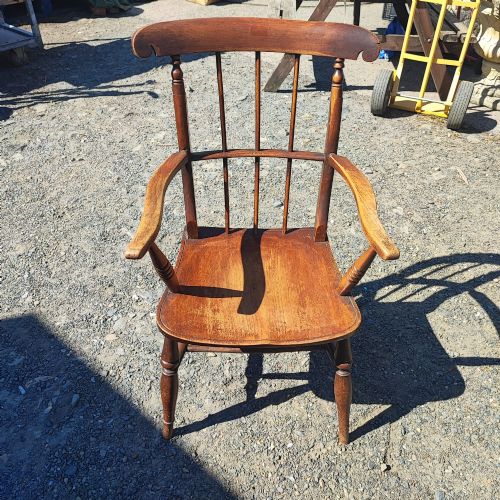
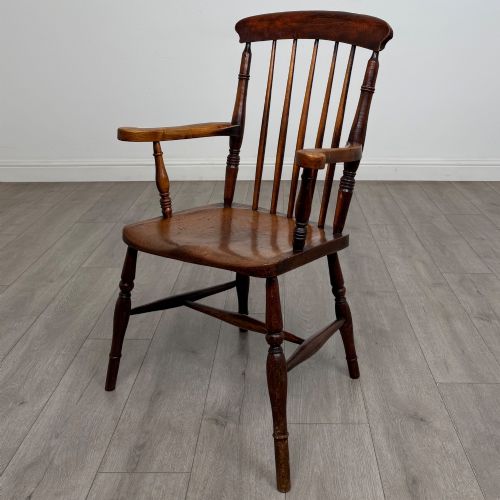
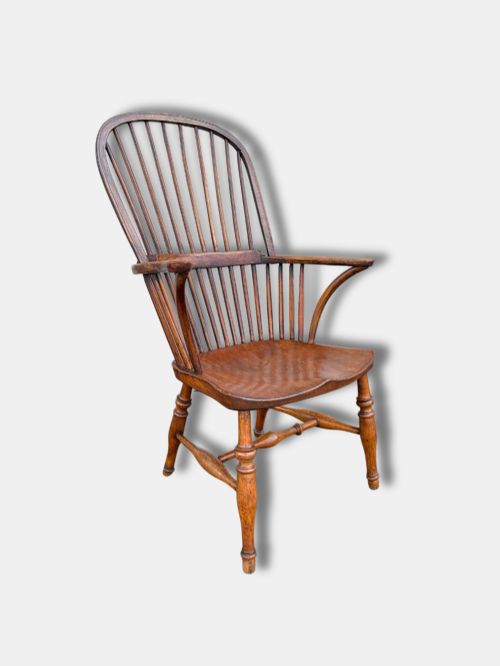
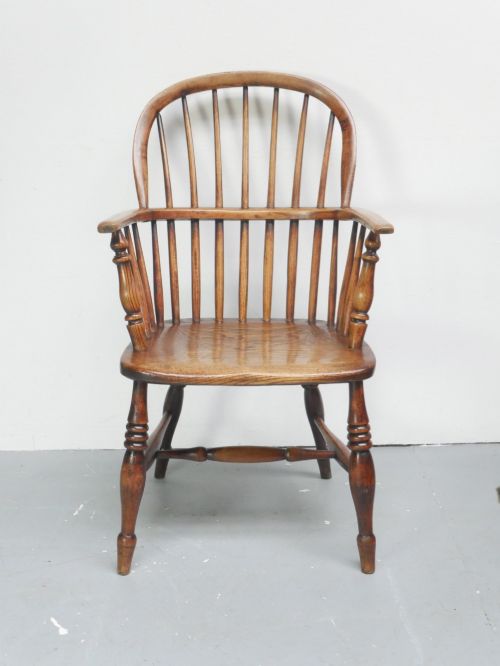
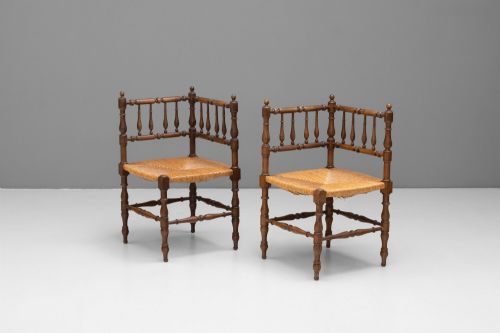
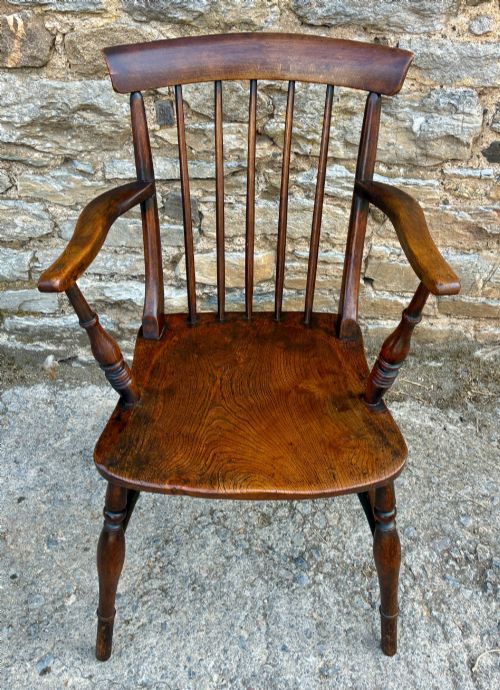
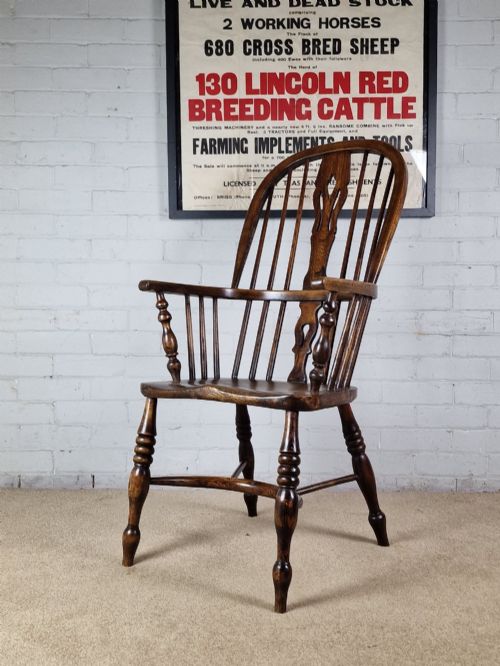
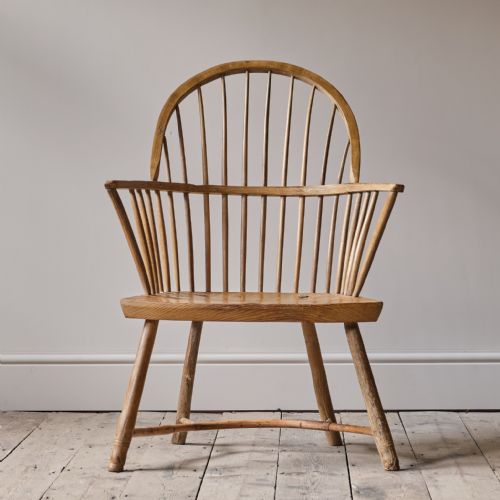
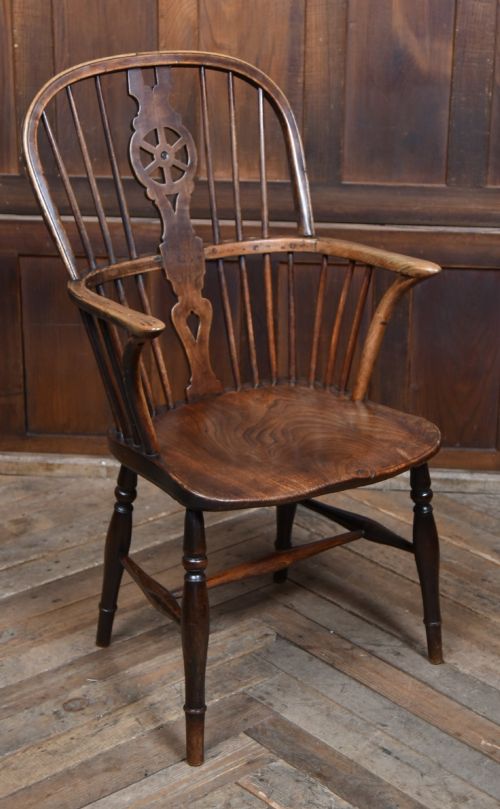
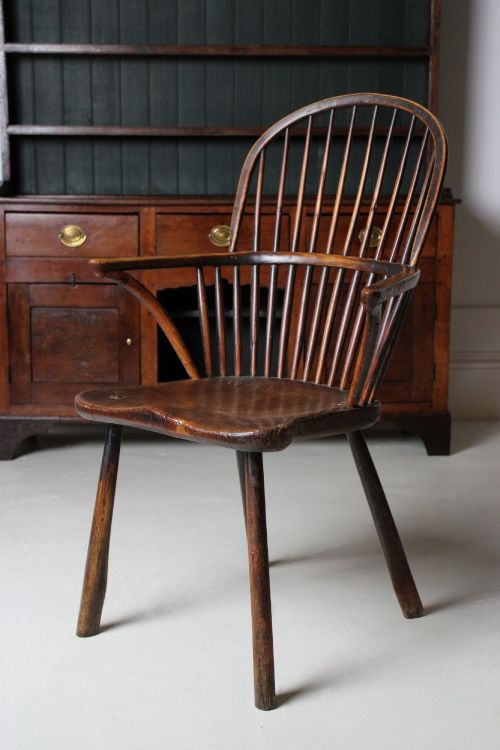
A wooden fireside armchair brings together robust vernacular forms built for warmth and daily utility by the hearth. Buyers pursuing this search phrase meet a variety of regional seating types originating from the 18th century through to the early 20th century. Stick-back, hoop-back, and comb-back Windsor designs dominate the selection, frequently paired with lower profiles suited for sitting near an open fire.
Makers across English counties and Scottish workshops constructed these chairs to withstand hard domestic use in farmhouses and country houses alike. The evidence shows solid timber seats shaped for comfort, supported by sturdy turned legs and often fitted with armrests integral to the frame. Regional variations include wheel-back and spindle-back configurations that reflect local rural traditions.
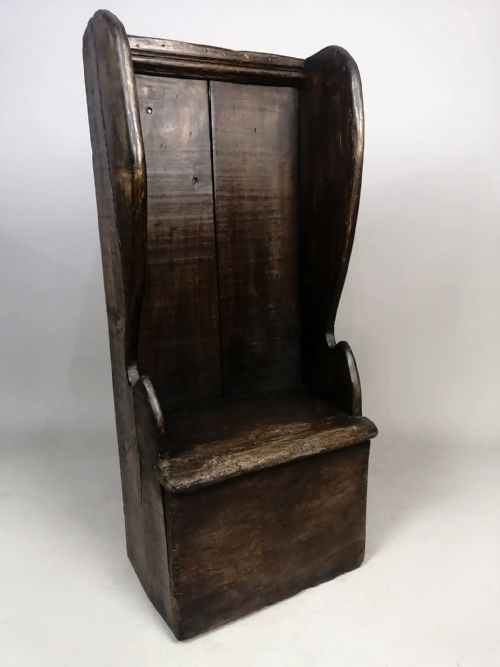
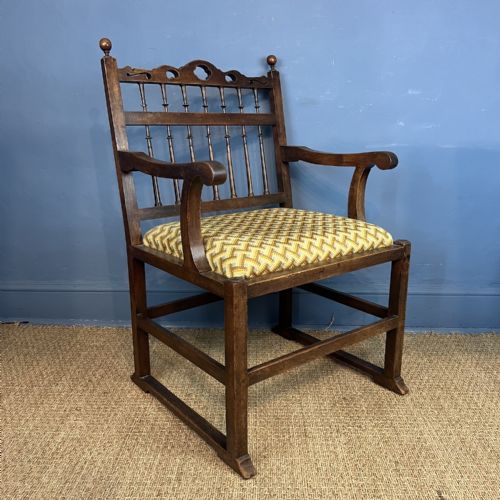
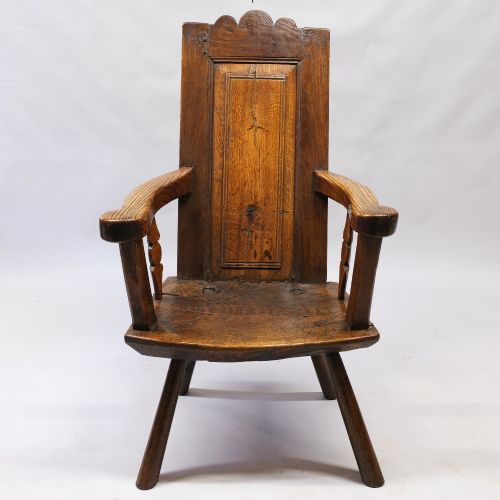
Alongside traditional Windsor forms, the listings include specialised vernacular seating such as lambing chairs and panel-backed variations from the 18th century. These pieces emphasise heavy timber construction, utilising local woods to create stable frames designed to block drafts around a fireplace. Their enduring appeal lies in this combination of honest construction and regional character.
How they were made
Craftsmen built these chairs by combining contrasting native timbers, typically pairing elm for durable, scooped seats with ash, beech, or oak for spindles, arms, and legs. This method utilised the specific qualities of each wood, ensuring the seat resisted splitting while the uprights provided flexible strength.
Green woodworking techniques allowed makers to shape unseasoned timber for steam-bent components like hoops and bows, which dried to permanent rigidity. Traditional joinery relied heavily on wedged tenon joints, where legs and spindles passed directly through the seat plank and locked firmly into place.
Wooden Fireside Armchair Retail Price Guide 2026
Typical asking prices for wooden fireside armchair among the pieces listed under this phrase on Sellingantiques today, from the lower quarter to the upper quarter. They describe what is for sale here now, not the wider market.
Early child-sized lambing chairs ensured even the youngest household members stayed warm by the hearth.
What varies in quality
Quality in these chairs rests upon the harmony of the timber selection and the retention of original surface patination. Examples exhibiting strong contrast between an elm seat and ash or fruitwood turnings display a higher degree of regional craftsmanship.
Structural integrity and the survival of original wedged joints determine the grade of a piece. Chairs that retain their untouched surface wear without excessive timber replacement hold a distinct distinction over heavily restored examples.
The Wooden Fireside Armchair Glossary
- Windsor chair
- A chair built with a solid wooden seat into which the back and legs are separately dowelled or tenoned. These forms became staples of English country houses and farmhouses.
- Comb back
- A Windsor chair variation featuring a high back with a horizontal headboard supported by vertical spindles, resembling the teeth of a comb. This design offers extended support for the head and shoulders.
- Lambing chair
- A high-backed vernacular seat traditionally featuring solid wooden sides or wings designed to block drafts near an open hearth. They frequently incorporate under-seat storage compartments.
- Stick back
- A chair construction method utilising simple turned or cleft rods inserted directly into the seat to form the backrest. It represents an efficient vernacular style common in the 18th and 19th centuries.
- Vernacular
- Objects built by local tradesmen using regional traditions and readily available materials rather than following academic architectural styles. These pieces prioritize practical function above fashionable ornamentation.
Wooden Fireside Armchair: Frequently Asked Questions
How do I date a wooden armchair?
Dating relies on observing construction methods, tool marks, and timber choices visible across the frame. Earlier 18th-century pieces often display heavier vernacular proportions and hand-carved components.
Later 19th-century iterations incorporate machine-turned spindles and standardised factory-produced joinery. Comparing the wear patterns on the wooden seat to known regional styles helps narrow the decade.
What is a lambing chair used for?
A lambing chair provided sheltered seating close to the hearth in traditional rural homes. The solid wooden wings blocked cold drafts while keeping radiant heat near the sitter.
Some historical examples included enclosed bases to store items or shelter newborn livestock indoors during harsh weather.
Are Windsor chairs comfortable to sit in?
Windsor chairs offer surprising physical comfort due to their ergonomically saddled elm seats. The scooped wooden surface distributes weight evenly without requiring deep upholstery.
While upright in posture, their raked legs and supportive spindle backs encourage relaxed seating near a fire.
What woods were used for country chairs?
Makers utilised accessible native hardwoods and fruitwoods depending on regional availability. Elm served as the primary choice for solid seats because its interlocking grain resisted splitting.
Ash, beech, oak, and fruitwood provided the flexible strength needed for steam-bent hoops and delicate turned spindles.