
Wooden Document Storage Chest
A wooden document storage chest keeps papers and correspondence contained, bringing period timber and functional compartments into a room.
Wooden Document Storage Chest
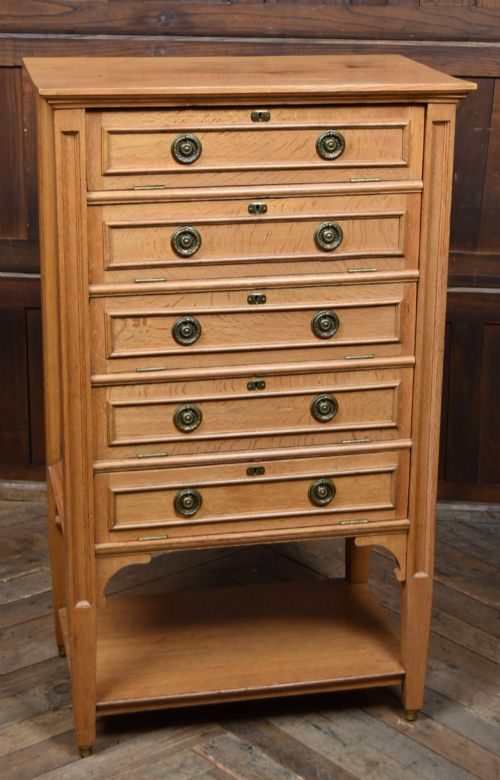
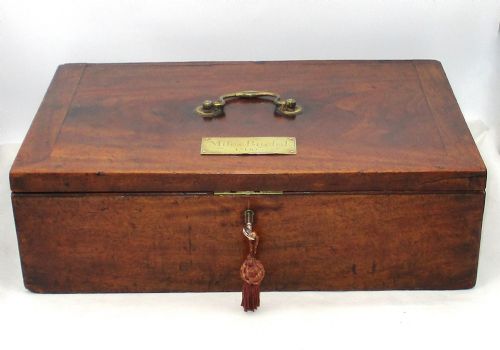
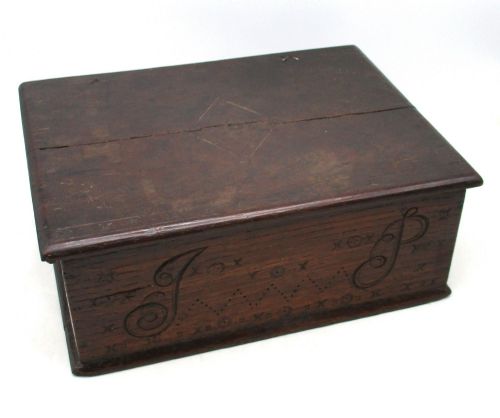
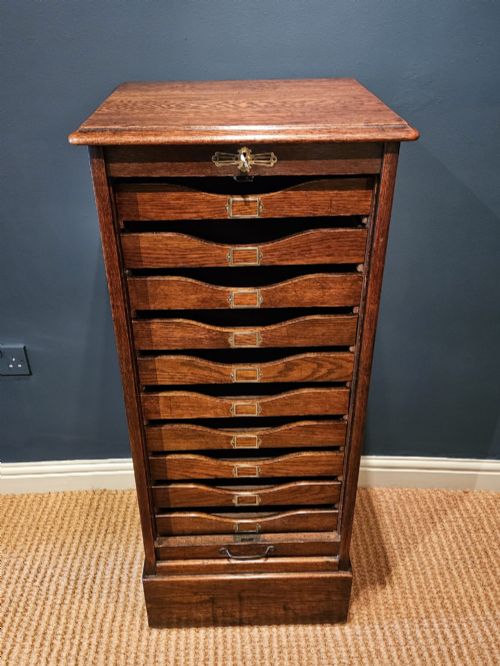
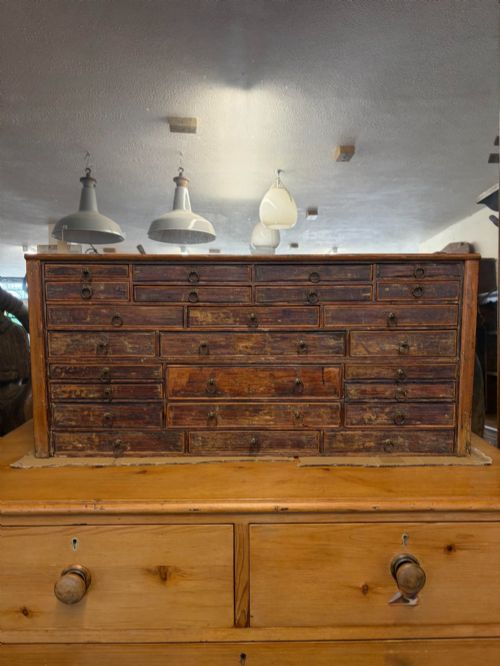
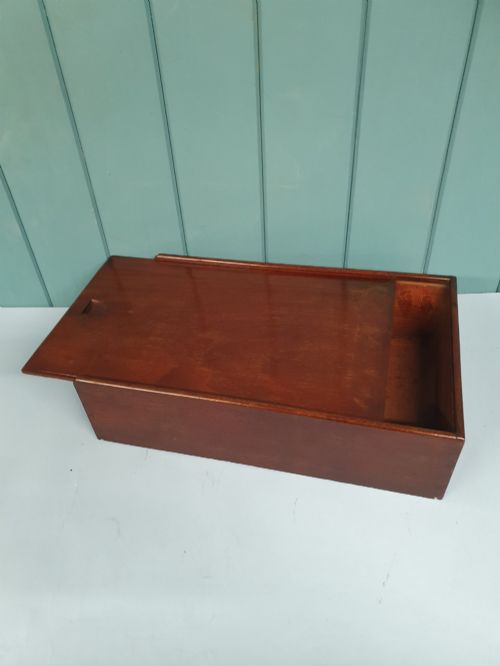
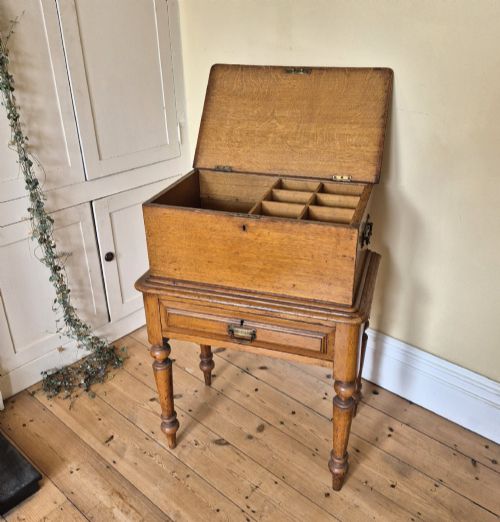
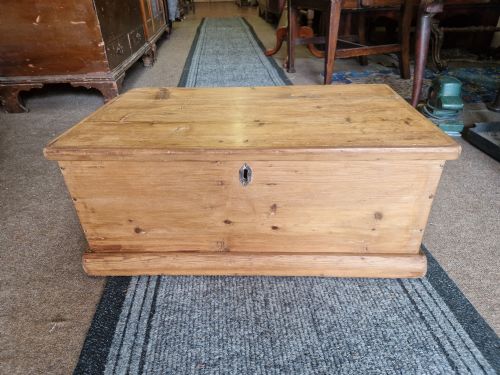
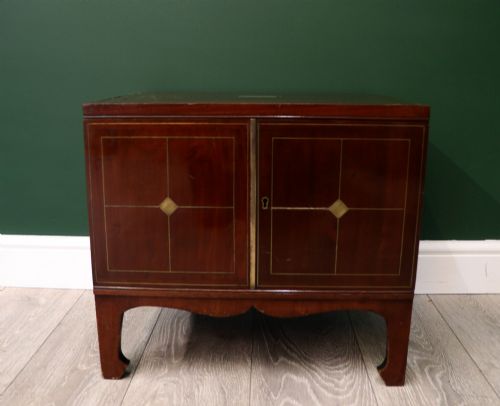
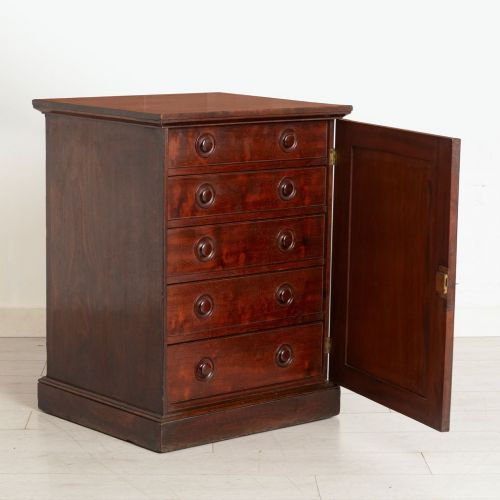
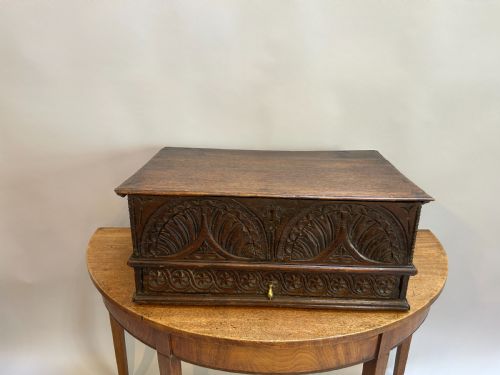
When you search for a wooden document storage chest, you encounter a range of heavy timber containers designed to secure papers, deeds, and letters. These objects appear in forms such as compact deed boxes, slant front bible boxes, and multi-drawer filing cabinets.
The pieces on this page span several centuries, reaching from the seventeenth century through the Georgian and Victorian eras into the early twentieth century. Oak and mahogany dominate the earlier examples, while pine, elm, and camphor appear alongside specialised office furniture.
Originating from British workshops, Scandinavian folk traditions, and colonial trade routes, these storage pieces reflect the specific filing needs of their eras. A buyer is most likely to meet an Edwardian oak filing cabinet or an eighteenth-century mahogany document box among these listings.
Construction and Materials
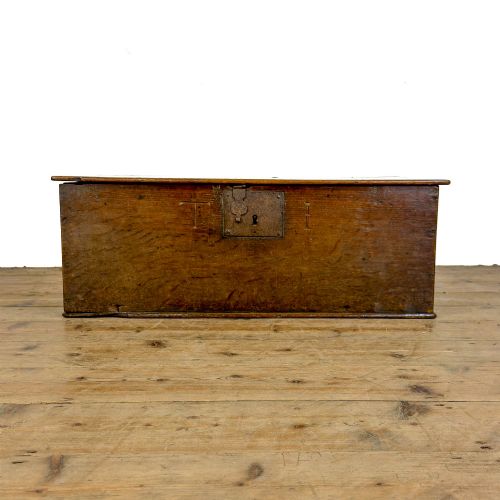
Cabinet makers constructed these storage chests using sturdy hardwoods like oak, mahogany, and walnut, frequently selecting pine and elm for utilitarian strongboxes. Planks were joined with dovetails and pegged joints to withstand the heavy weight of stored papers.
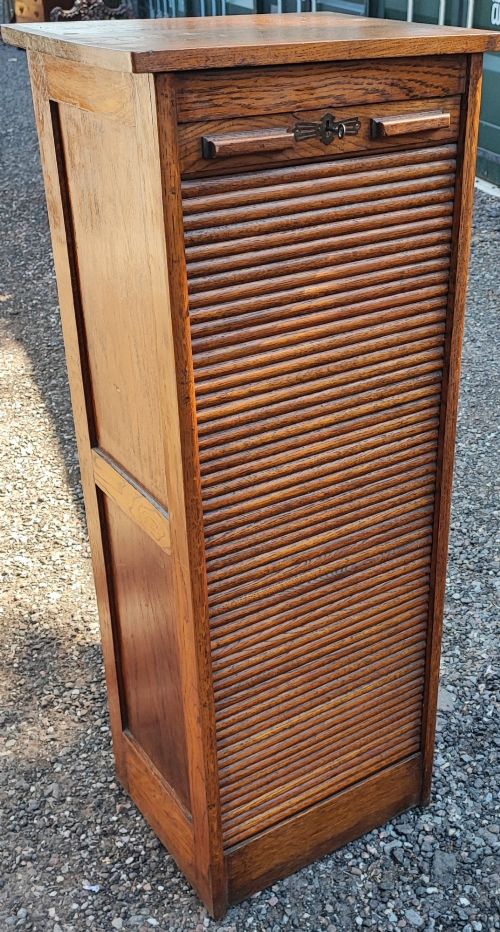
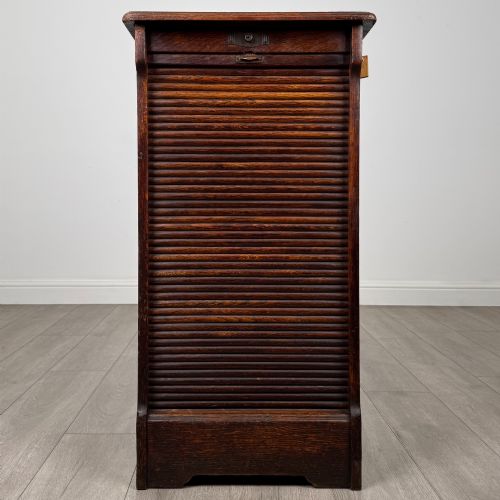
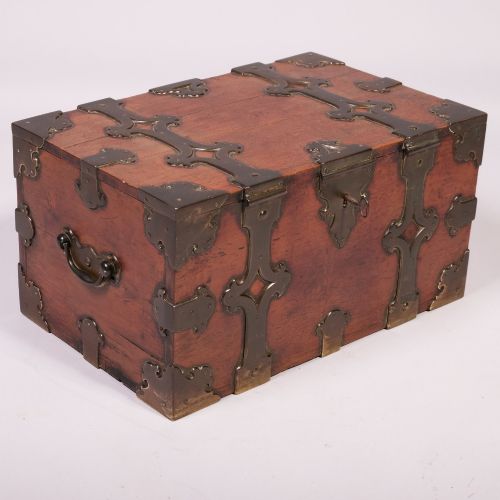
Iron and brass provided essential reinforcement and security, appearing as heavy straps, corner brackets, locks, and drop handles. Campaign pieces integrated flush brass fittings for transport, whereas office filing cabinets utilised tambour slats and multi-drawer arrangements.
The inventory spans the seventeenth century through to the mid-twentieth century, encompassing Georgian, Victorian, and Edwardian periods.
Quality Variations
Quality in these storage pieces rests upon the selection of timber and the precision of the joinery. Finer examples display carefully matched mahogany grains or intricate Tunbridge ware and marquetry inlay, whereas simpler vernacular boxes rely on plain pine or elm boards.
The sophistication of the internal mechanism separates utilitarian containers from superior cabinet work. Smooth-sliding tambour doors, intact locking systems with original keys, and well-fitted banks of internal drawers distinguish better examples.
Luxmore's of Ilfracombe·Amberg
The Wooden Document Storage Chest Glossary
- Tambour
- A flexible door constructed from narrow strips of wood glued to a canvas backing, allowing it to slide smoothly around a curved track on filing cabinets.
- Campaign style
- Portable furniture designed for travel, typically fitted with brass corners, flush recessed handles, and sectional construction.
- Bible box
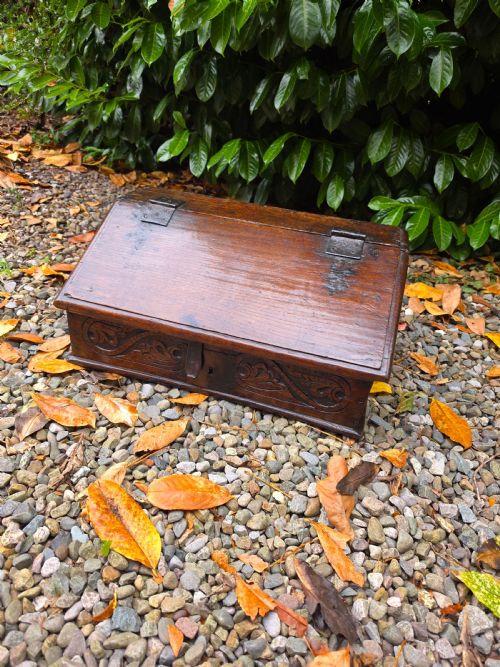
- A small desk-like box with a sloping lid, historically used to store religious texts and personal documents in seventeenth and eighteenth century households.
- Strongbox
- A heavy storage chest reinforced with iron bands and robust locking mechanisms to protect valuables and important deeds.
- Tunbridge ware
- A form of decorative woodwork characterised by tiny mosaic tiles formed from differently coloured woods to create geometric or pictorial patterns on small boxes.
Wooden Document Storage Chest: Frequently Asked Questions
What fits inside these document chests?
These chests accommodate letters, deeds, small books, and flat stationery within their partitioned interiors or shallow drawers. Deeper strongboxes and trunks hold bulkier items and ledgers.
Filing cabinets organise modern papers in vertical drawers or behind tambour fronts, adapting antique storage for contemporary use.
How do I date an oak box?
Dating relies on observing construction methods, timber preparation marks, and hardware styles. Early pieces from the seventeenth and eighteenth centuries show hand-sawn board edges and pegged joints.
Later Victorian and Edwardian examples incorporate machine-cut timber, standardised brass fittings, and mechanical filing mechanisms.
Where should I place a heavy chest?
These pieces suit studies, hallways, and living spaces where their timber surfaces can serve as functional side tables or desktop risers. Smaller table boxes rest easily on top of desks and sideboards.
Ensure placement avoids direct heat sources and strong sunlight to protect the aged wood finishes and historic polish.
Are these cabinets practical for office use?
Multi-drawer filing units and tambour cabinets from the Edwardian period onwards function effectively for sorting correspondence and modern paperwork. Their internal dimensions accommodate standard paper sizes.
Utilitarian pieces provide sturdy daily storage while adding period character to a workspace.