


Multi Drawer Filing Cabinet
A multi drawer filing cabinet brings heavy-duty workshop order and deep character into a modern study.
Multi Drawer Filing Cabinet
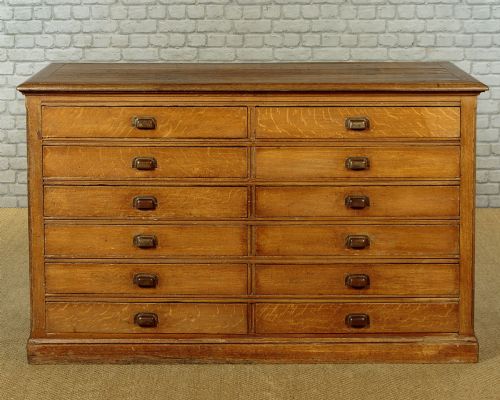
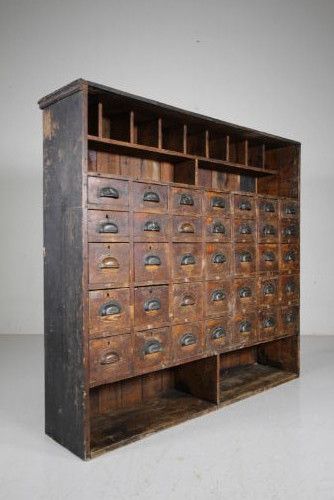
A multi drawer filing cabinet serves as a heavy-duty storage solution, bringing industrial order to domestic and workspace interiors alike. These pieces appear in forms such as tall banks of drawers, letter files, and specialised office cabinets.
The selections available here span from the nineteenth century through the nineteen-thirties, covering Victorian, Edwardian, and industrial styles. Buyers frequently encounter oak, mahogany, and pine constructions alongside metal and cast iron iterations.
Origins stretch across English workshops and French industrial settings, offering distinct regional proportions and hardware choices. Each multi drawer filing cabinet reflects the robust utility demanded by period offices and commercial houses.
How they were made
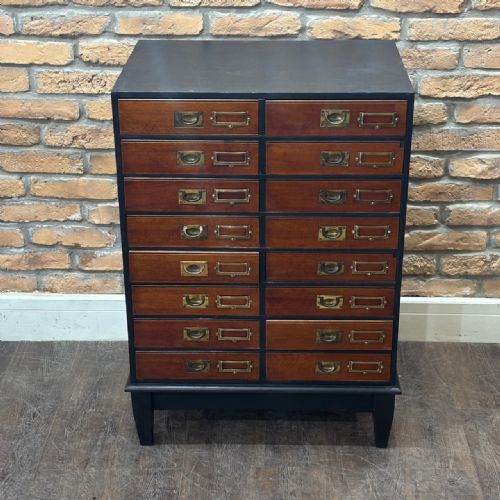
Carpenters and cabinetmakers utilised solid hardwoods like oak, mahogany, walnut, and teak, constructing sturdy carcases designed to withstand daily commercial use. Pine served for secondary framing and internal drawer construction, while specialised mechanisms such as patented letter filing systems provided functional innovation.
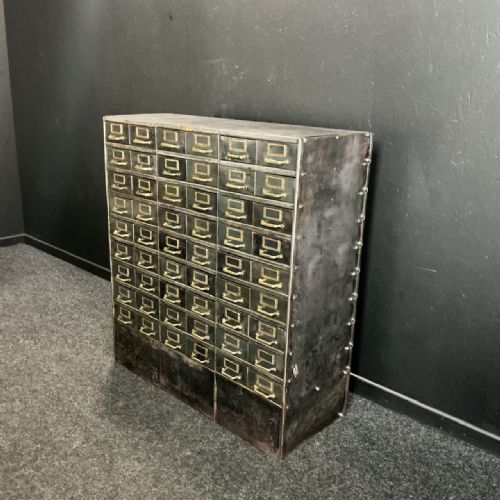
Metal components, including brass pulls, steel tracks, and heavy cast iron framing, brought industrial resilience to these storage pieces. Painted wood finishes also appear, protecting the underlying timber while suiting utilitarian commercial environments.
Sixty-six drawers of pure paperwork ambition wait inside the tallest office cabinet recorded here.
What varies in quality
Excellence in these storage pieces lies in the integrity of the timber selection and the precision of the drawer construction. Finer examples display carefully matched grains, robust dovetail joints, and original patent mechanisms that operate smoothly despite heavy use.
Hardware integrity separates standard utility items from superior workshop pieces. Original brass pulls, intact maker plates, and heavy cast iron elements retain the authentic weight and operational crispness that define better-surviving examples.
Amberg·Shannon
The Multi Drawer Filing Cabinet Glossary
- Bank of drawers
- A multi-tiered cabinetry form featuring numerous shallow or deep compartments stacked vertically. This layout allowed businesses to sort large volumes of correspondence and documents.
- Dovetail joint
- A traditional interlocking woodworking joint utilising flared fingers and sockets. It provides exceptional tensile strength for heavy-use drawer construction.
- Letter file
- A specialised filing mechanism or cabinet designed to hold correspondence flat or vertically. Patented systems often utilised drop fronts or spring clips for rapid access.
- Collectors cabinet
- A specialised storage unit originally built for natural specimens, coins, or small artefacts. These pieces share the multitude of shallow drawers prized in office furniture.
- Industrial
- A design aesthetic prioritizing raw utility, durable metals, and unadorned timbers. Pieces from this tradition emerged directly from factories, warehouses, and administrative offices.
Multi Drawer Filing Cabinet: Frequently Asked Questions
What were multi drawer filing cabinets used for?
These cabinets housed correspondence, ledgers, and documents in bustling Victorian and Edwardian offices.
Businesses relied on the numerous shallow compartments to keep paperwork sorted and accessible before modern suspension files existed.
How do I fit one into a modern room?
A tall bank of drawers provides substantial vertical storage without demanding an expansive footprint.
Position them against study walls or living room corners to anchor the space with rich period timber and metal character.
How do I date a filing cabinet?
Examine the timber species, construction methods, and hardware styles to establish a baseline era.
Patent plaques and distinct regional proportions also offer reliable clues to whether a piece belongs to the Victorian or early twentieth-century industrial periods.
Are metal or wooden cabinets older?
Both timber and metal variations emerged across the nineteenth and early twentieth centuries.
Hardwoods dominated the Victorian era, while steel and cast iron gained prominence as industrial manufacturing expanded toward the nineteen-thirties.