



Antique French Industrial Furniture
Antique french industrial furniture combines robust utility and timeless character, offering functional metal and timber pieces for modern interiors.
Antique French Industrial Furniture
Antique french industrial furniture encompasses hardworking workshop, retail and kitchen pieces originating from France during the nineteenth and early twentieth centuries. These items were designed strictly for utilitarian service in bakeries, butchers, engineer workshops and Parisian shops rather than domestic display.
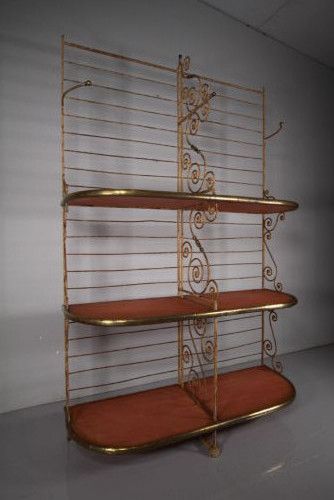
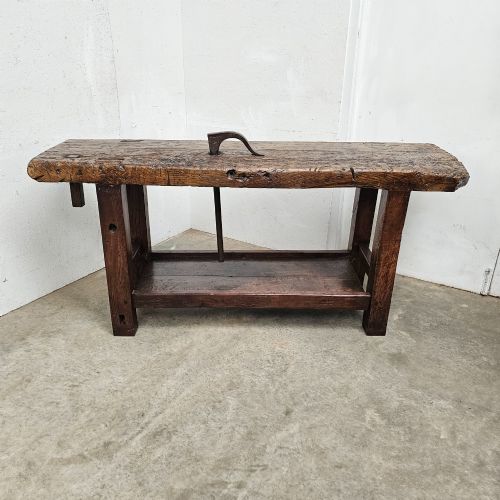
Buyers searching for antique french industrial furniture most frequently encounter utilitarian storage and preparation items such as bakers racks, workbenches and filing cabinets. Bakers racks and patisserie stands dominate the forms alongside sturdy oak and hardwood workbenches fitted with vices and clamping bars.
The aesthetic bridges rural tradition and mechanical practicality, drawing on French industrial, rustic farmhouse and provincial styles. Pieces often combine heavy timber tops with robust iron frames, creating functional centerpieces for contemporary kitchens and living spaces.
How they were made
Makers utilised heavy structural metals including wrought iron, cast iron, forged iron, steel and brass to build durable skeletal frames capable of enduring rigorous daily commercial use. These metal components were frequently paired with dense domestic hardwoods such as oak.
Timber surfaces on workbenches and butchers blocks were joined to withstand substantial weight and physical pressure, occasionally incorporating functional working mechanisms like wooden clamping bars and metal vices. Bakers racks utilised open metalwork framework to allow ventilation and support multiple display tiers.
The inventory spans the nineteenth century through to the early 1920s, including Victorian items.
What varies in quality
Quality in these pieces is dictated by the integrity of the original construction and the survival of working mechanical elements such as vices, folding mechanisms and stamps. Items bearing maker stamps or workshop attributions demonstrate superior commercial provenance.
The condition of original surface patination, including remnants of early paint and natural timber weathering, distinguishes exceptional examples from heavily restored ones. Structural robustness in the iron framing and the thickness of the oak or hardwood tops determine the overall grade.
Dubois of Lyon·Trussant & Cie
The Antique French Industrial Furniture Glossary
- Bakers rack
- A tall open shelving unit originally utilised in boulangeries for cooling bread and pastries. These units feature multiple tiers supported by wrought or forged iron frames.
- Butchers block
- A heavy timber preparation table designed for meat butchery. It rests on a sturdy stand and displays deep surface wear from active commercial use.
- Clamping bar
- A wooden adjustment device fitted to workbenches. It allows artisans to secure materials firmly during woodworking tasks.
- Wrought iron
- A tough, malleable iron alloy beaten into shape by smiths. It forms the strong structural framework of many industrial racks and tables.
Antique French Industrial Furniture: Frequently Asked Questions
What is a bakers rack used for?
Bakers racks were originally designed for French boulangeries to cool and store fresh bread and pastries on open metal shelves. Today they serve as versatile display shelving and storage units in domestic kitchens and living rooms.
Their open wrought iron framework and deep tiers provide substantial vertical storage without overwhelming a room's floor space.
How do I identify a workbench?
Authentic workbenches feature thick hardwood tops, typically oak, combined with heavy structural legs and integrated functional elements. Look for operational additions such as wooden clamping bars and metal vices.
These pieces show clear signs of heavy artisanal use through surface marks and patination acquired in nineteenth-century workshops.
Are these pieces suitable for kitchens?
Industrial furniture translates exceptionally well into modern kitchens due to its robust construction and utilitarian origins. Butchers blocks, workbenches and kitchen islands provide durable food preparation surfaces.
Open bakers racks and shelving units offer accessible storage for cookware, ceramics and daily kitchen essentials.
How do I care for timber tops?
Hardwood and oak surfaces benefit from regular cleaning with mild soap and water followed by careful drying. Applying natural oils helps nourish the dry timber and preserves the historic patination.
Avoid placing hot items directly onto antique wood and protect surfaces from excessive moisture to maintain the integrity of the antique finish.