
Wooden Display Sideboard
A wooden display sideboard brings architectural storage and glazed presentation into a room, combining the utility of a cabinet with surface display.
Wooden Display Sideboard
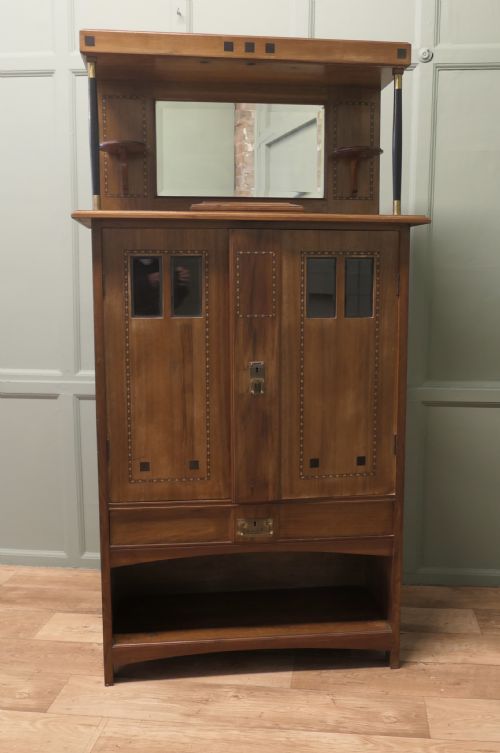
A wooden display sideboard encompasses various storage and presentation forms, including credenzas, side cabinets, and dressers spanning the eighteenth, nineteenth, and early twentieth centuries. Oak, mahogany, and walnut form the backbone of these pieces, alongside regional variations in pine and fruitwoods.
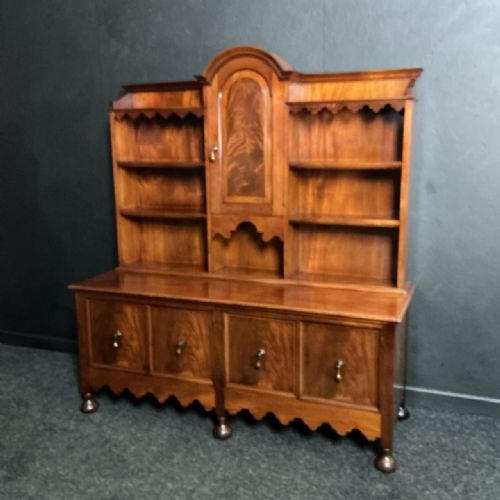
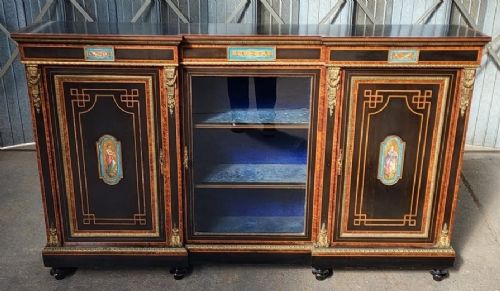
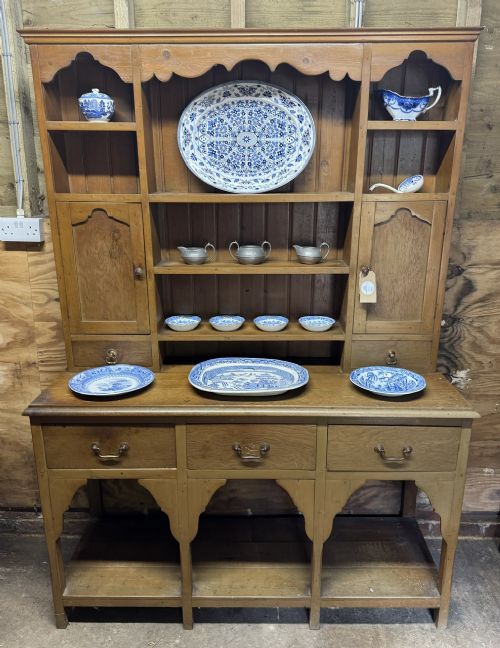
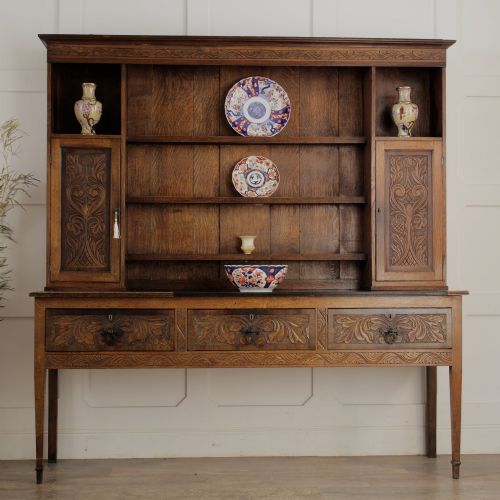
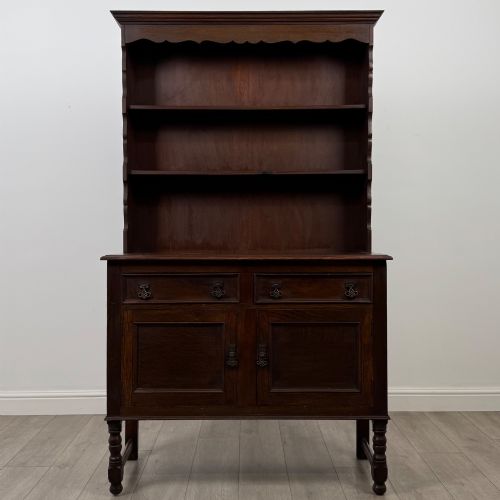
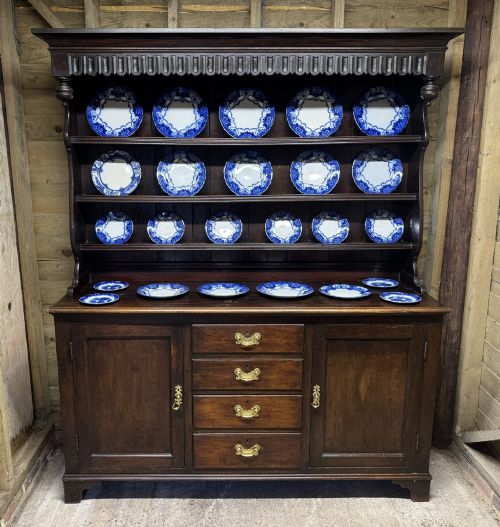
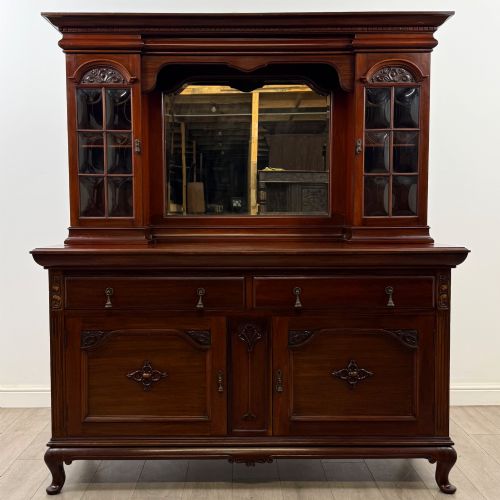
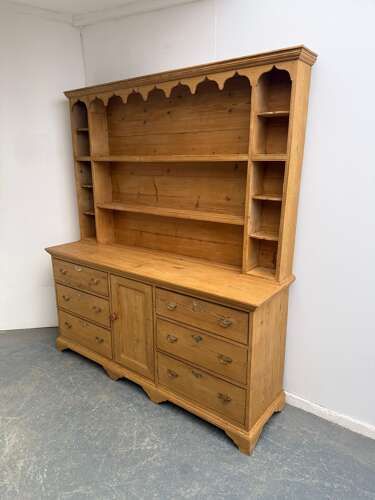
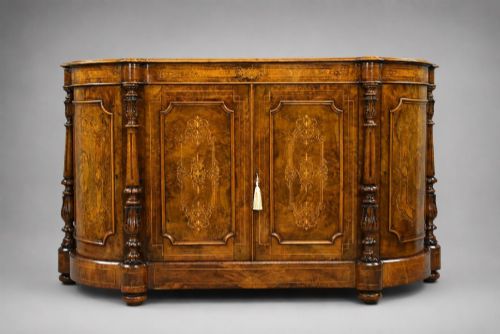
Victorian burr walnut credenzas and Edwardian mahogany cabinets dominate the selection, often featuring glass panels for display alongside enclosed timber cupboards. Regional pieces like Welsh dressers bring open plate racks and solid timber construction into domestic utility.
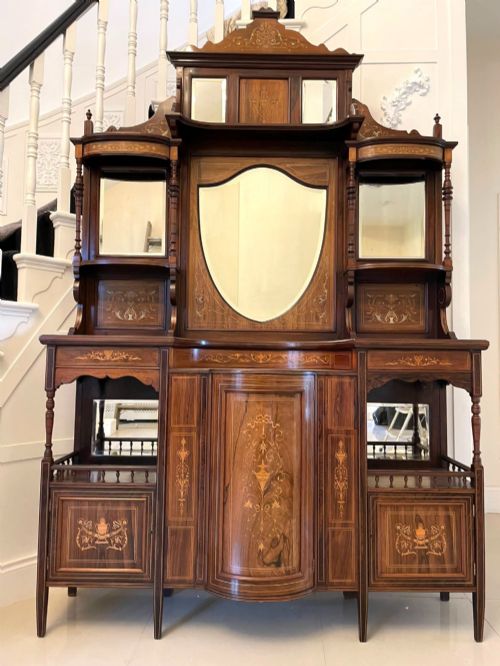
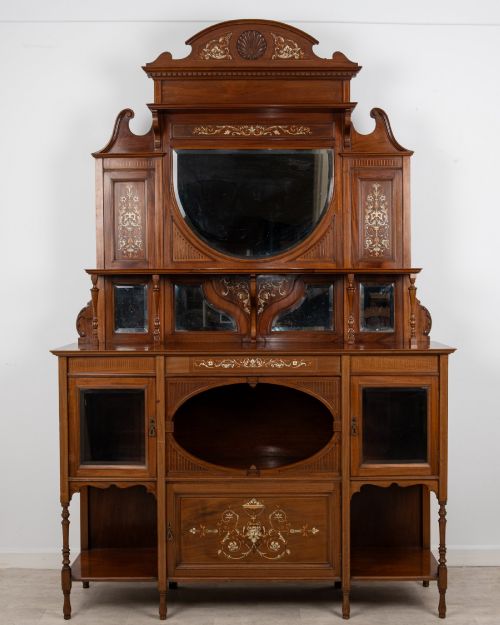
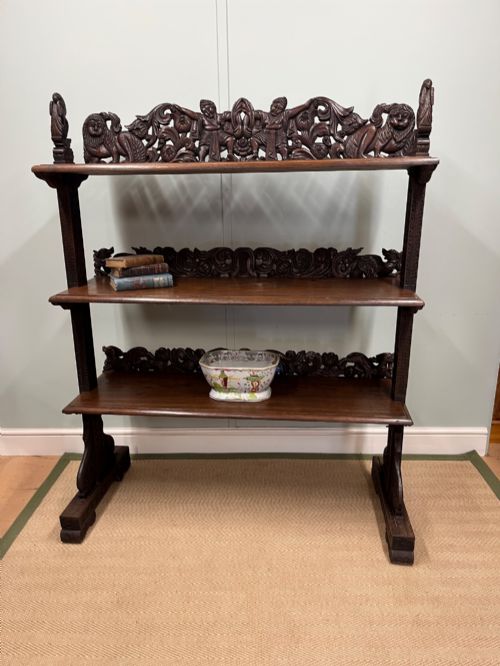
Styles range from Georgian country simplicity to high Victorian inlaid marquetry and Edwardian refinement. Pieces balance utilitarian storage with deliberate decorative presence through brass mounts, carving, and contrasting veneers.
Materials and construction
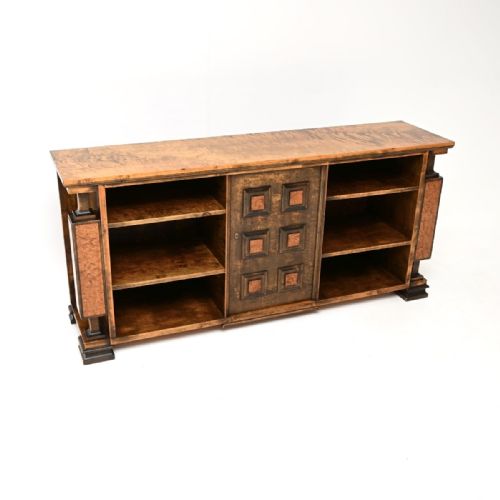
Cabinetmakers utilised dense hardwoods such as oak, mahogany, and walnut as structural carcasing, often applying burr walnut, amboyna, or satin birch veneers to principal surfaces. Timber selection governed both the durability of the piece and the complexity of decorative work.
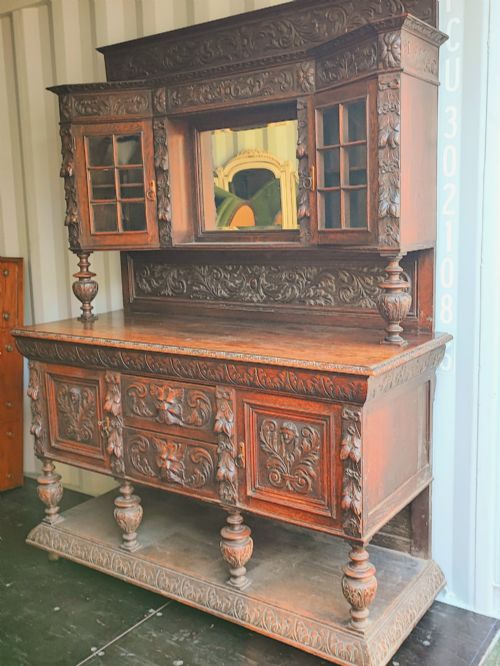
Surface enrichment relied on brass hardware, ormolu mounts, and intricate marquetry inlay using contrasting woods. Ebonised finishes and glass door panels introduced varied visual textures to the heavy timber frameworks of the nineteenth century.
Listings span oak, mahogany, walnut, and pine across Victorian, Georgian, and Edwardian periods.
Judging quality and execution
The refinement of timber selection and veneer matching defines the upper tier of these pieces, where burr walnut or figured mahogany displays continuous grain across doors and drawers. Superior examples reveal meticulous hand-carving and precise joinery that remain tight across centuries of movement.
Secondary woods used in drawer linings and internal shelving indicate workshop standards. The integration of bronze or ormolu mounts and the crispness of inlaid stringing separate ambitious urban cabinet work from simpler regional joinery.
The Wooden Display Sideboard Glossary
- Credenza
- A low dining-room cabinet or sideboard, frequently featuring curved glass side doors and central cupboards. Victorian examples often incorporate marquetry and ormolu mounts.
- Marquetry
- Decorative patterns formed by fitting together thin veneers of various coloured woods into a wooden background. This technique demands high precision from the artisan.
- Chiffonier
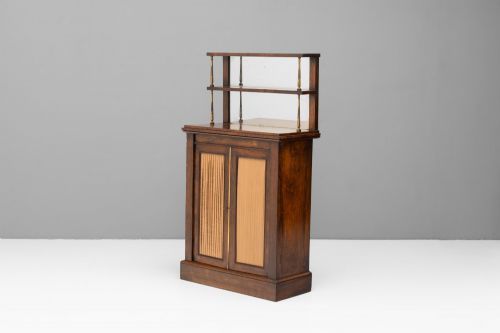
- A compact sideboard or low cabinet developed in the nineteenth century, typically featuring a raised shelf or small mirror back above enclosed lower storage.
- Ormolu
- Gilded bronze mounts applied to cabinet furniture for decorative accent, particularly prominent on high Victorian ebonised and walnut pieces.
- Plate Rack
- Open wooden shelving mounted above a dresser base to display ceramic tableware, seen frequently on English and Welsh country pieces.
Wooden Display Sideboard: Frequently Asked Questions
What is the difference between a credenza and a sideboard?
A credenza is typically a lower, more formal cabinet often featuring curved glass end doors and decorative mounts. Sideboards generally offer broader utilitarian surfaces and storage geared towards dining room service.
Both forms overlap significantly in nineteenth-century design, where makers adapted terms to suit evolving domestic fashions in formal reception rooms.
How do I date a wooden display sideboard?
Dating relies on combining timber types, construction methods, and stylistic ornament such as Georgian bracket feet or Victorian marquetry. Secondary woods inside drawers also provide reliable clues to the period of manufacture.
Changes in hardware fixing and glass manufacture further narrow the window of production across the eighteenth and nineteenth centuries.
Are regional dressers different from formal sideboards?
Regional dressers, particularly those from Wales and the English countryside, prioritise solid oak or pine construction with open plate racks above functional base cupboards. They reflect rural utility rather than urban formal display.
Formal sideboards and credenzas utilise exotic veneers, glass doors, and metal mounts intended for prosperous nineteenth-century drawing rooms and dining spaces.
How should I care for antique veneer and polish?
Keep wooden cabinets away from direct heat sources and strong sunlight to prevent the underlying timber and delicate veneers from drying and splitting. Regular dusting with a dry lint-free cloth preserves the waxed or polished surface.
Avoid silicone-based sprays and excessive moisture, maintaining a stable indoor climate to protect historic adhesives and shellac finishes.