


Late Victorian Parlour Cabinet
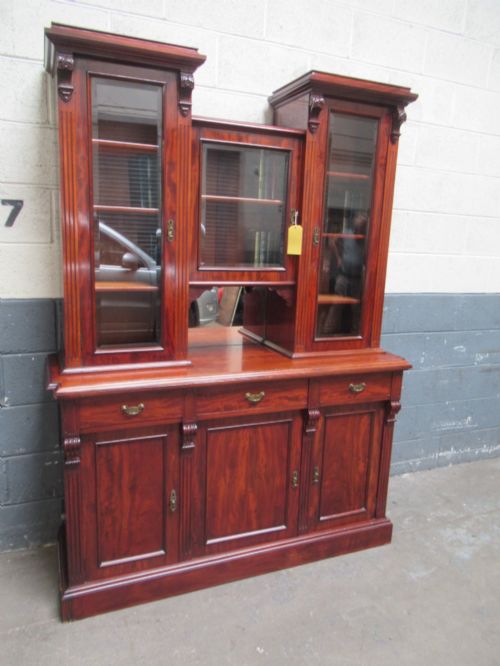
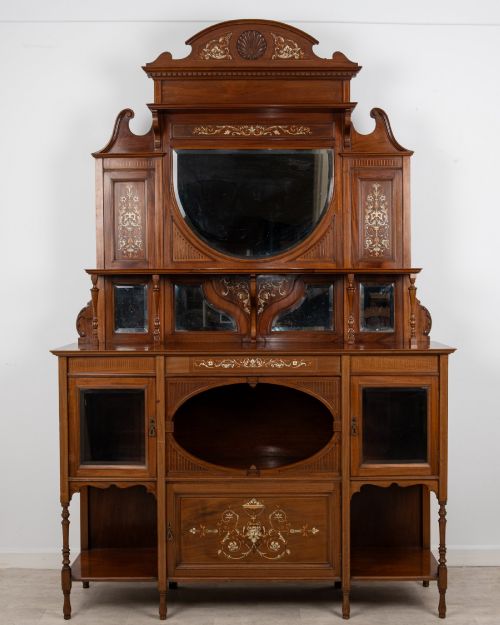
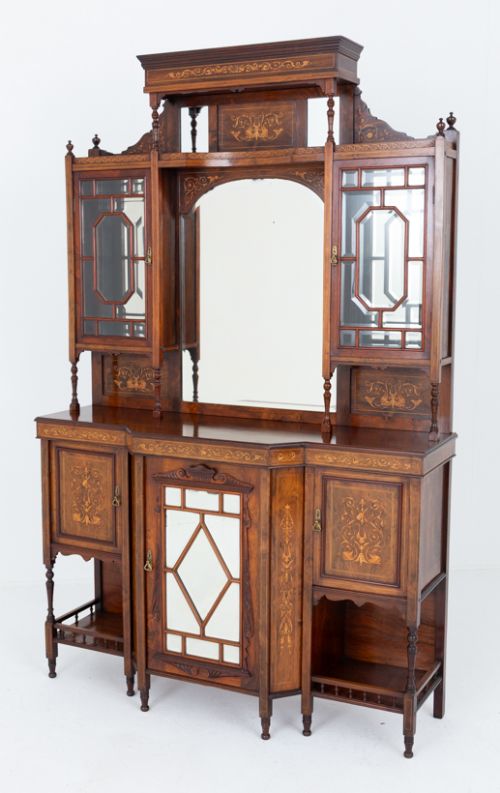
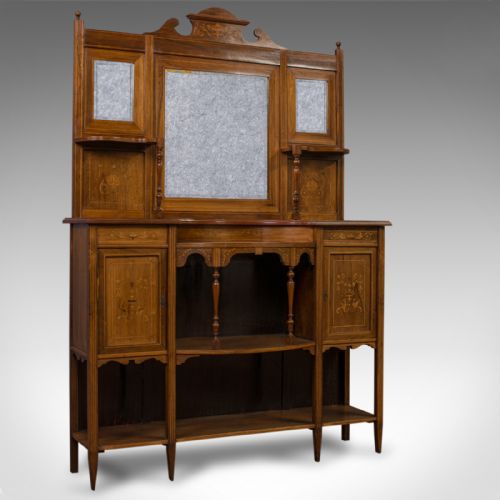
These late victorian parlour cabinet pieces bring refined Victorian elegance to a drawing room, offering display space and intricate craftsmanship.
Late Victorian Parlour Cabinet
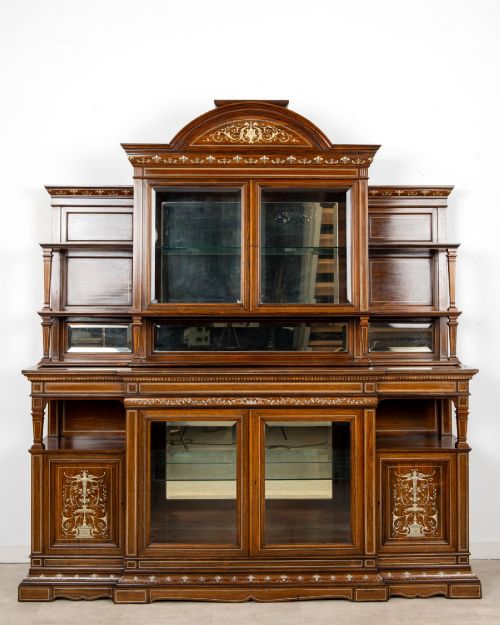
A late victorian parlour cabinet is a principal entertaining room furnishing designed for display and modest storage during the nineteenth century. Buyers searching this phrase encounter refined display cabinets, side cabinets, bookcases, chiffoniers, and mirror-back sideboards originating around the eighteen-eighties and eighteen-nineties.
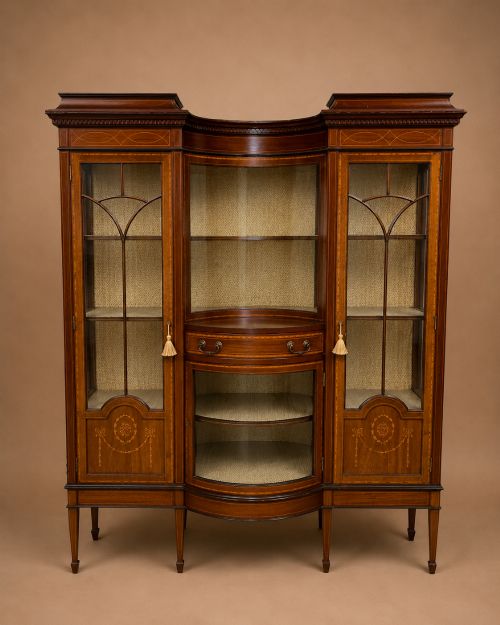
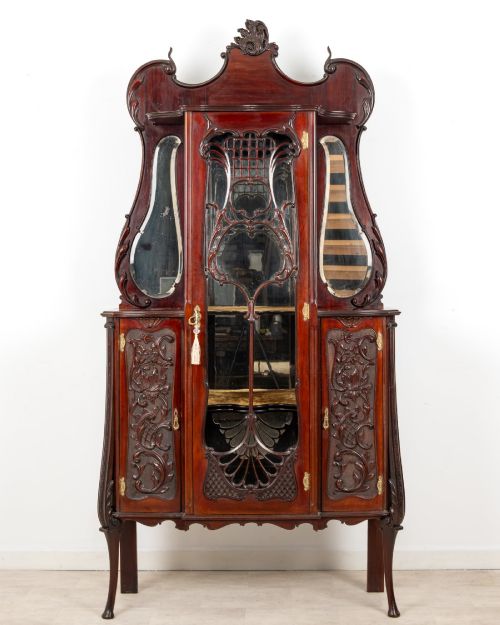
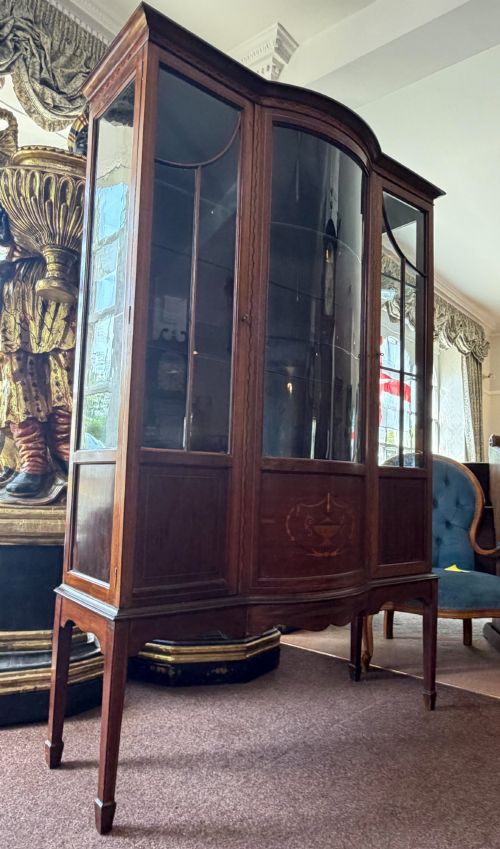
Most examples found on this page span the Victorian and late Victorian periods, with distinct stylistic leanings toward Sheraton Revival and the Aesthetic Movement. These pieces typically feature glass doors for displaying ornaments or mirrored backs that reflect light within the parlour.
How they were made
Cabinet makers constructed these pieces primarily using solid timbers and veneers of mahogany and rosewood, occasionally employing walnut or ebonised wood. Brass hardware provides functional hinges and pulls, while glass and mirror glass form doors and reflective back panels.
Surface enrichment relies heavily on satinwood and boxwood inlay, alongside marquetry work. Delicate stringing and botanical or classical motifs adorn the primary wood surfaces, sometimes complemented by carved wooden details.
Listings feature mahogany and rosewood timbers enhanced by satinwood and boxwood inlay.
What varies in quality
Quality in a late victorian parlour cabinet rests upon the selection of timber and the precision of its decorative inlays. Denser, highly figured rosewood and mahogany demonstrate superior material choice compared to plainer stock.
The execution of boxwood and satinwood inlay separates standard production from finer cabinet work. Crisp joinery, well-fitted glass doors, and balanced marquetry patterns indicate skilled workshop execution.
Collinson and Lock·Garnett and Sons
The Late Victorian Parlour Cabinet Glossary
- Aesthetic Movement
- A late nineteenth century design style emphasising art for art's sake, often resulting in ebonised finishes and gilt detailing. Pieces in this style move away from heavy Victorian ornamentation.
- Marquetry
- The art of applying pieces of veneer to a structure to form decorative patterns and pictures. Craftsmen use varied wood tones to create intricate pictorial designs on cabinet doors.
- Sheraton Revival
- A late nineteenth century furniture style inspired by eighteenth century designer Thomas Sheraton. These pieces utilise classical motifs, satinwood inlay, and lighter proportions.
- Chiffonier
- A low sideboard or cabinet featuring shelves or a small superstructure. This form evolved during the nineteenth century to store dining or parlour items.
- Stringing
- Thin lines of contrasting wood inlay used to outline panels and drawers. It creates geometric definition on mahogany and rosewood surfaces.
Late Victorian Parlour Cabinet: Frequently Asked Questions
What is a parlour cabinet?
A parlour cabinet is a nineteenth century storage and display piece kept in the main reception room of a home. It typically housed treasured objects, books, or ceramics.
These furnishings combined practical storage behind lower doors with glass-fronted or open display areas above, often incorporating mirrors.
How do I date a cabinet?
Dating relies on stylistic clues, materials, and construction methods characteristic of the late nineteenth century. Aesthetic Movement influences and Sheraton Revival motifs point toward the eighteen-eighties and eighteen-nineties.
Markings, hardware types, and the presence of specific inlay woods like satinwood and boxwood further help narrow the period of manufacture.
Where were they placed?
These cabinets stood against the walls of formal Victorian drawing rooms and parlours. Their mirrored backs and glass panels helped brighten rooms by reflecting window light.
They served as focal points for the room where hosts displayed their most refined ornaments and decorative china to visitors.
How do I clean rosewood?
Rosewood surfaces require gentle dusting with a soft, dry cloth to prevent the accumulation of grit. Avoid using modern silicone polishes that can build up and damage the historic finish.
Period timber benefits from occasional application of appropriate wax polish, applied sparingly and buffed gently to maintain the natural lustre.