


Mahogany Chiffonier Dresser
A mahogany chiffonier dresser brings rich timber tones and practical low storage to a room, offering both display space and concealed cupboards beneath.
Mahogany Chiffonier Dresser
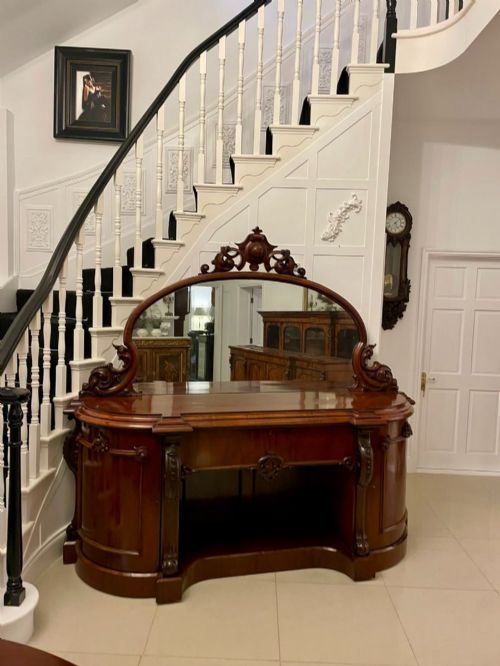
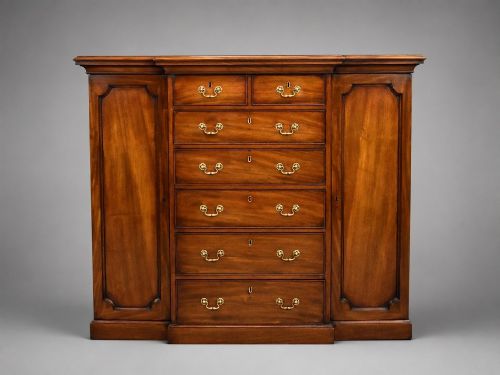
A mahogany chiffonier dresser combines the low-tier utility of a sideboard with upper shelving or a mirror back, serving as a principal storage and display piece in nineteenth-century interiors. These items appear chiefly from the Victorian and Georgian eras, taking the form of low cabinets, sideboards, and tiered cupboards.
The pieces listed here encompass nineteenth-century designs alongside earlier George III examples and later Edwardian interpretations. Variations include open book shelves, marble tops, and mirror backs that reflect light into smaller spaces.
How they were made
Cabinet makers utilised solid mahogany and flame mahogany veneers over secondary timbers, often accentuating the primary wood with boxwood and satinwood inlay. The application of flame veneer required skilled hand-selection of timber to create mirrored grain patterns across door panels.
Structural additions include cast brass hardware, inset marble tops, and shaped mirror glass secured within carved wooden frames. These materials demand precise joinery to house heavy stone slabs and glazed or mirrored upper sections securely.
The selection includes Dutch marquetry chest drawers alongside English chiffoniers and waterfall bookcases.
What varies in quality
The distinction between standard examples and the finest pieces lies in the choice of timber and the depth of carved detail. Flame mahogany with highly figured grain patterns and crisp, hand-carved ornamentation commands greater visual presence than plain stock.
Execution of secondary details, such as precision in string inlay, the weight of brass fittings, and the integrity of internal shelving, separates standard workshop production from exceptional cabinet work.
Maple and Co
The Mahogany Chiffonier Dresser Glossary
- Flame mahogany
- A veneer cut from timber where the branch meets the trunk, producing a distinctive, flame-like pattern. This figuring was favoured for principal doors and drawer fronts.
- Chiffonier
- A compact sideboard featuring enclosed lower cupboards, sometimes surmounted by drawers or open shelves. It developed during the Regency and Victorian periods for dining room and parlour use.
- Marquetry
- The art of applying pieces of veneer to a structure to form decorative patterns and pictures. Dutch examples frequently employ this technique across entire drawer fronts.
- Mirror back
- An upright wooden frame holding a mirror plate attached to the rear of a sideboard or cabinet. It serves to brighten the room and display decorative objects placed on the shelf below.
- George III
- The stylistic and historical period spanning from the mid-eighteenth century to the early nineteenth century. Furniture from this era emphasises classical proportions and refined timber selection.
Mahogany Chiffonier Dresser: Frequently Asked Questions
What is a chiffonier dresser used for?
A chiffonier dresser provides enclosed storage in its lower cabinet for tableware or linens while offering upper shelves or a mirror for displaying books and ornaments.
Historically placed in parlours and dining rooms, these pieces acted as serving surfaces and tidy storage points for everyday household items.
How do I date a mahogany chiffonier?
Dating relies on examining the construction methods, timber selection, and overall architectural style. Georgian pieces show restrained classical lines, whereas Victorian examples often incorporate heavier carved details or mirror backs.
Secondary woods and backboards also provide clues, as machine-sawn timber indicates a later nineteenth-century date compared to hand- pit-sawn panels.
Where should I place one at home?
These items suit dining rooms, living spaces, or wide hallways where their low profile and surface top can be utilised. Placing them against a clear wall allows the timber grain and any upper mirror or shelving to stand out.
Keep them away from direct heat sources and strong sunlight to protect the mahogany polish and prevent veneer warping.
What is flame mahogany?
Flame mahogany is a highly figured veneer taken from the fork of the mahogany tree where the grain twists and turns. When polished, it creates a striking, rippled pattern resembling flickering flames.
Cabinet makers reserved this prized veneer for the most prominent surfaces, such as door fronts and primary drawers.