
Wooden Dining Carver Chair
A wooden dining carver chair brings architectural grace and generous elbow room to the table, uniting sturdy timber frames with supportive armrests.
Wooden Dining Carver Chair
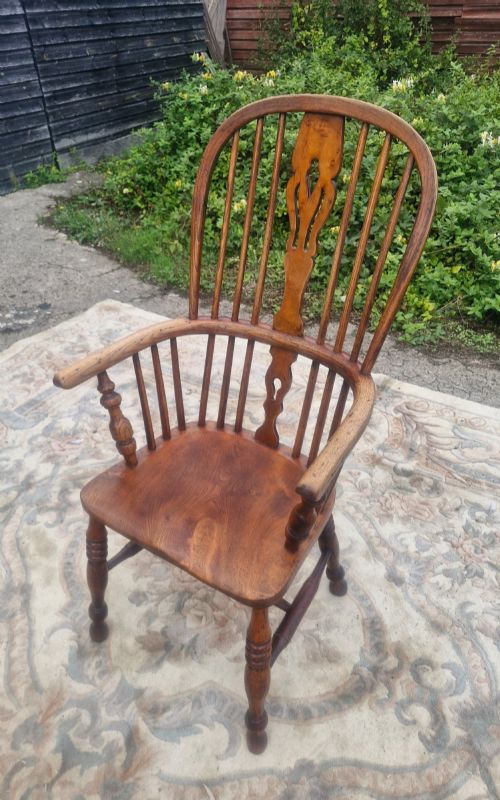
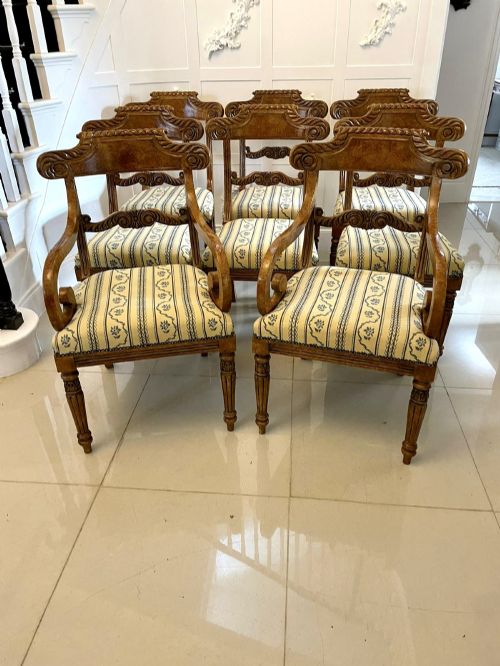
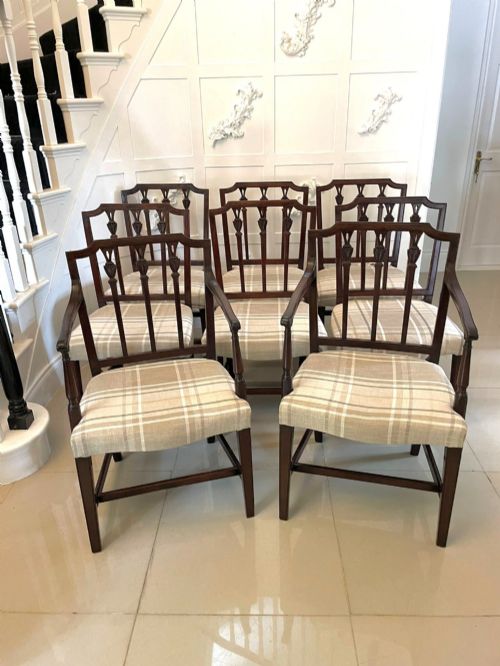
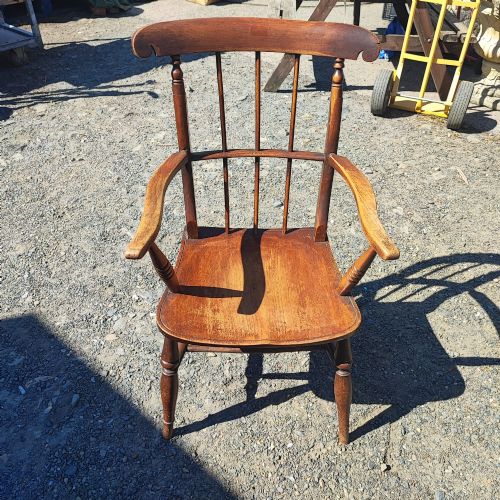
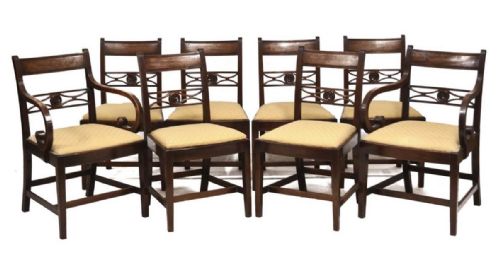
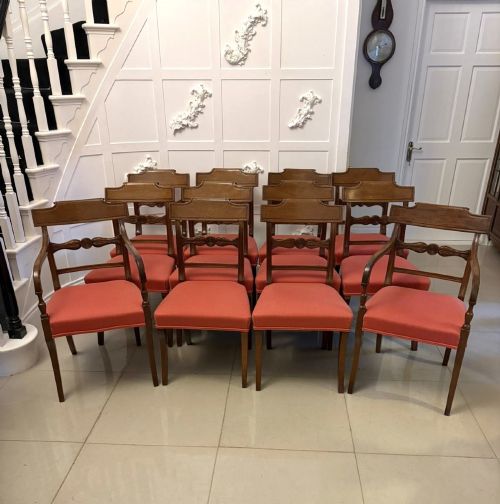
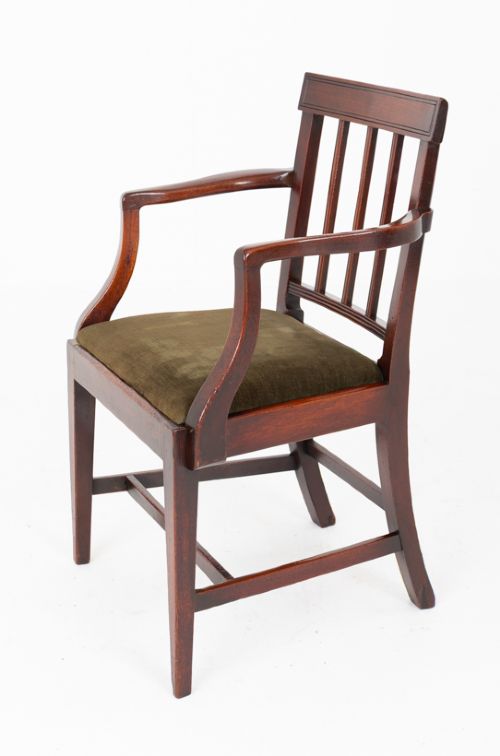
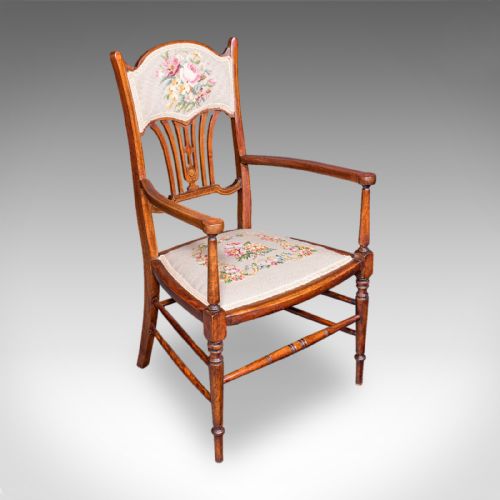
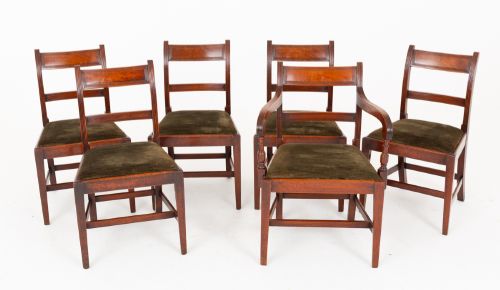
A wooden dining carver chair appears across multiple periods including the 18th Century, Georgian, Regency, Victorian, and Edwardian eras. These seating options serve as the principal armchairs accompanying larger dining suites or standing alone as desk chairs and morning room seats.
Makers and designers from history utilised regional traditions and classical proportions, ranging from Windsor country forms to refined shield back and ladder-back profiles. Each iteration balances domestic utility with the prevailing aesthetic taste of its decade.
Materials and Construction
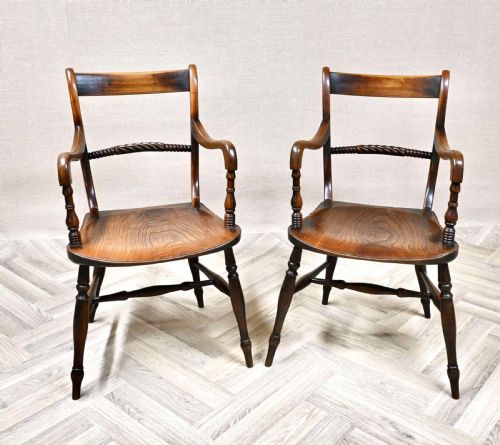
Makers relied primarily on dense hardwoods like mahogany, oak, beech, and fruitwood for structural integrity, often pairing them with country timbers such as elm and ash for regional Windsor designs. Joinery techniques involved precision mortise and tenon connections, steam bending for curved components like ropetwist rails, and hand-carving for decorative motifs.
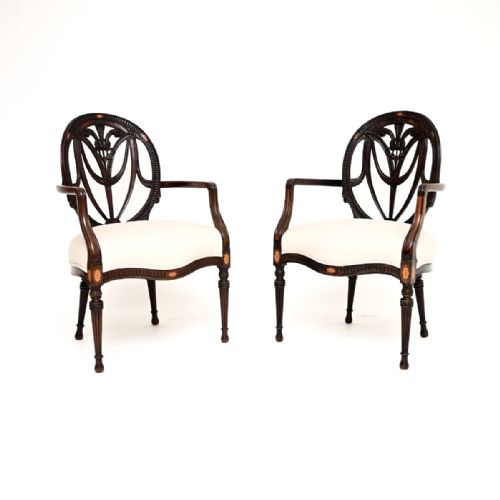
Upholstered elements utilise traditional stuffing and webbing covered in fabrics, velvet, leather, or printed textiles, whilst other variants feature solid timber seats or woven rush inserts. Inlaid details in maple and contrasting veneers decorate later Edwardian and revival pieces.
Listings feature woods spanning mahogany, oak, ash, elm, beech, and maple across Georgian, Victorian, and Edwardian periods.
Evaluating Craftsmanship
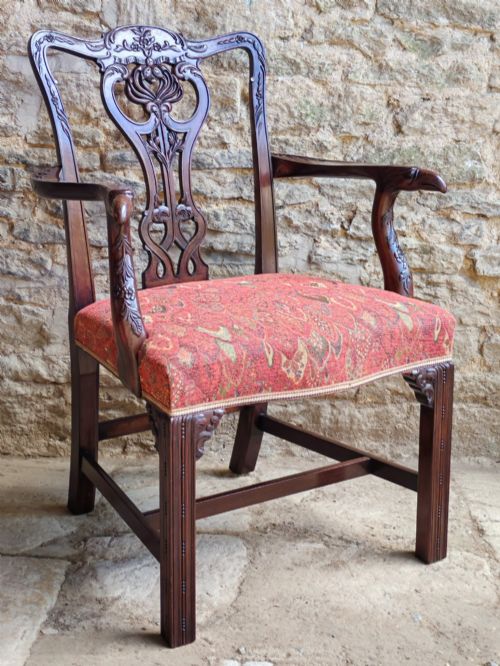
Quality rests upon the crispness of carved details, the choice of timber figurations such as faux birds-eye maple, and the integrity of the original joinery. Superior examples maintain firm structural rigidity without excessive stabilization, retaining their proportion and balance over centuries of use.
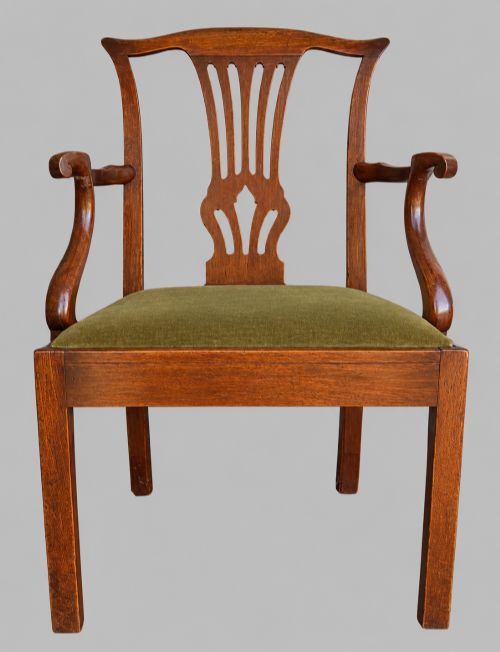
The refinement of the silhouette, from fluid Chippendale-style arm terminals to delicate inlay work, separates standard utility seating from master-workshop production.
Howard and Sons·Gillows·Edward Barnsley·Maple and Co
The Wooden Dining Carver Chair Glossary
- Carver
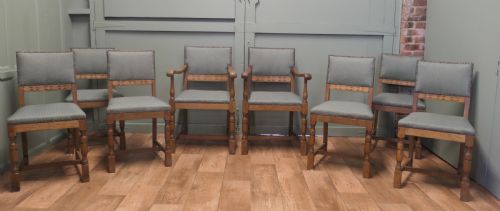
- An armchair designed to match a set of dining chairs, traditionally placed at the head of the table.
- Elbow chair
- An alternative term for an armchair with low supports for the arms, often used in studies or morning rooms.
- Shield back
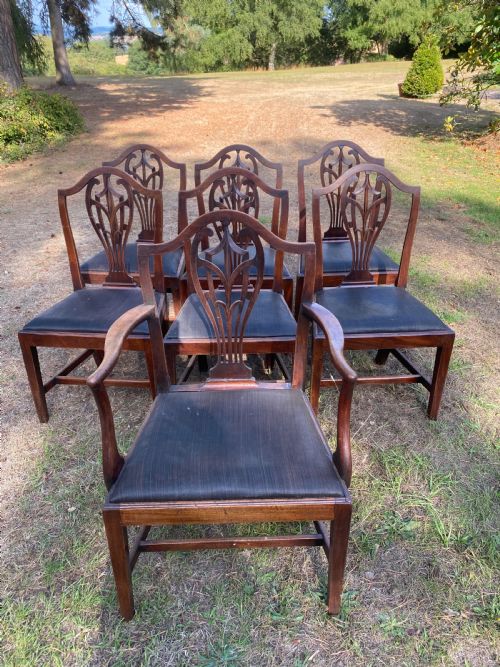
- A chair back shaped like a classical heraldic shield, popular in Hepplewhite and late 18th-century designs.
- Windsor
- A traditional chair constructed with a solid wooden seat into which the legs, back spindles, and arms are separately tenoned.
- Ropetwist
- A carved decorative moulding resembling a twisted rope, frequently seen on top rails and arm supports.
Wooden Dining Carver Chair: Frequently Asked Questions
How do I use a carver with standard dining chairs?
A carver traditionally sits at the head of the table where its armrests provide a distinct presence and extra comfort.
Matching the timber and period style ensures it harmonises with the surrounding side chairs without cluttering the room.
What is the difference between an armchair and a carver?
In historical dining contexts, the two terms often describe the same object, though carver specifically implies an armchair designed to accompany a set of dining chairs.
Such chairs share the stylistic vocabulary of the set while offering enclosed armrests for the host.
How do I distinguish Georgian from Victorian chairs?
Georgian pieces tend to feature lighter proportions, hand-carved mahogany details, and restrained classical motifs like shield backs or ladder-backs.
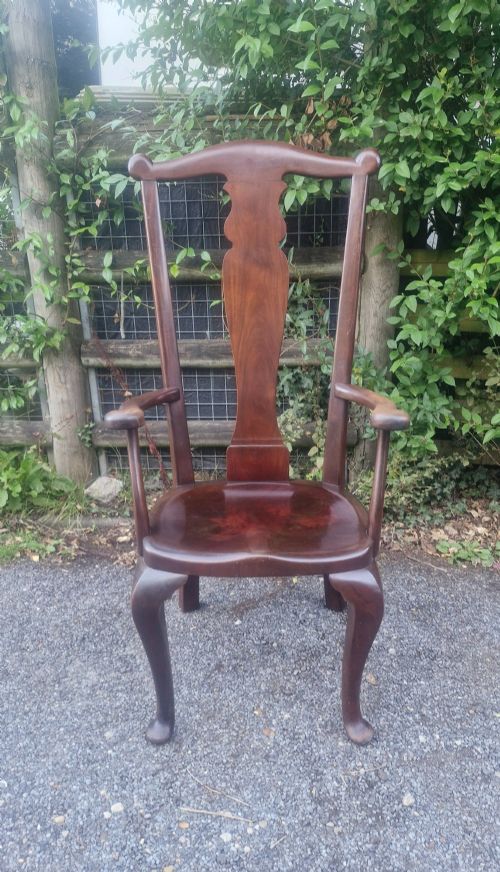
Victorian variants often present heavier timber frames, high backs, and robust turned structures reflecting later revival tastes.
Can these chairs be used daily?
Solid hardwood frames built with traditional joinery withstand regular domestic use when handled with reasonable care.
Periodic checks of the underframe and reupholstering worn fabric seats will maintain their stability for everyday dining.