




Wooden Christ Figure
A wooden christ figure carries centuries of devotion in carved wood and polychrome, offering collectors a direct tactile link to sacred art history.
Wooden Christ Figure
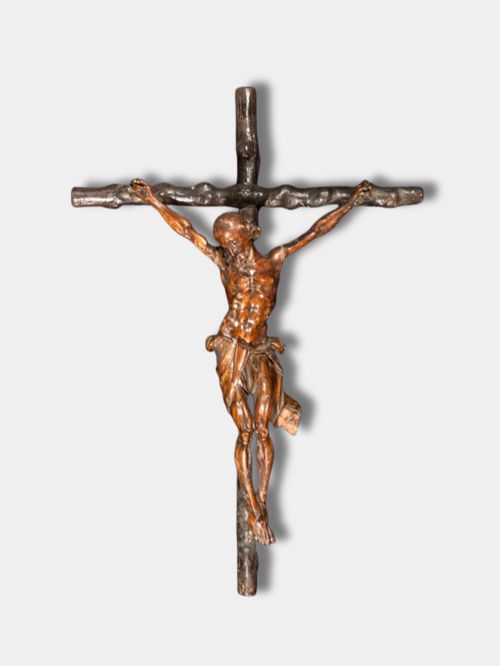
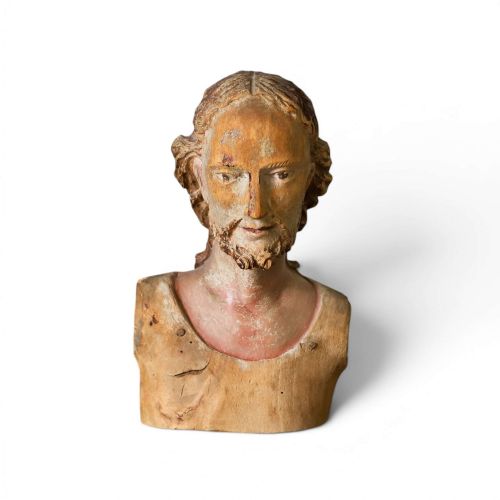
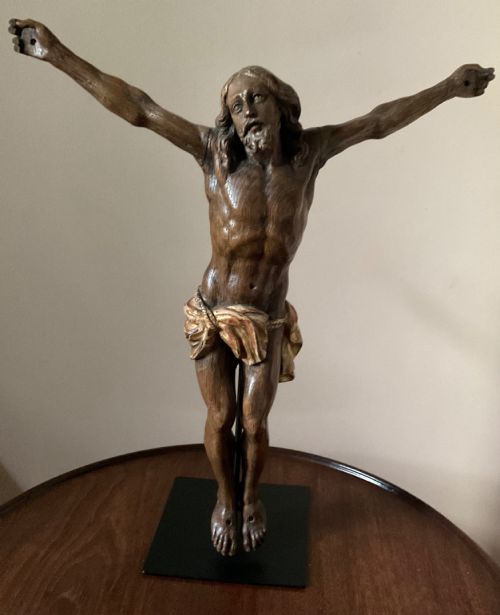
A wooden christ figure represents devotional religious art spanning centuries of European craftsmanship, taking forms such as the corpus christi, bust, and pieta. These sculptures appear in various scales, from intimate devotional pieces to life-size church carvings originating across regions including France, Spain, Germany, and Italy.
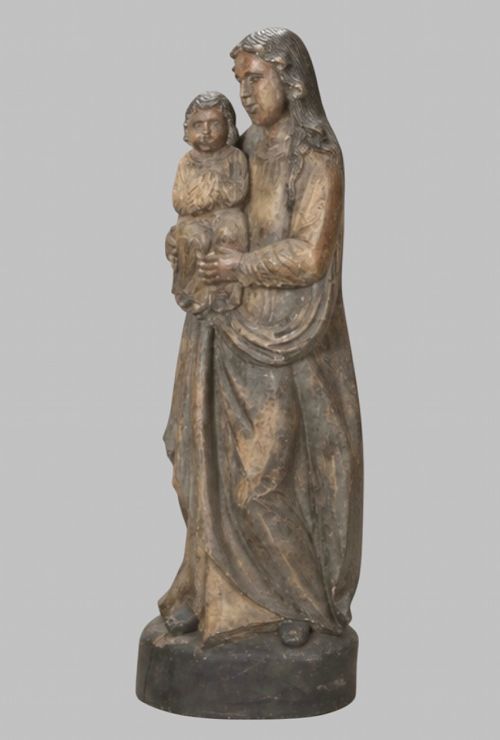
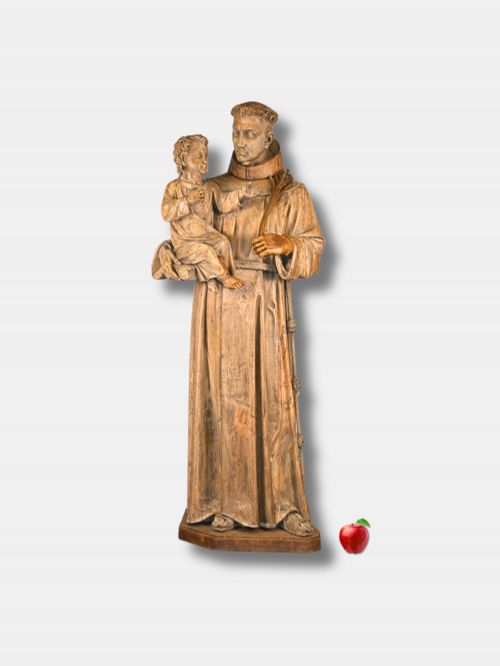
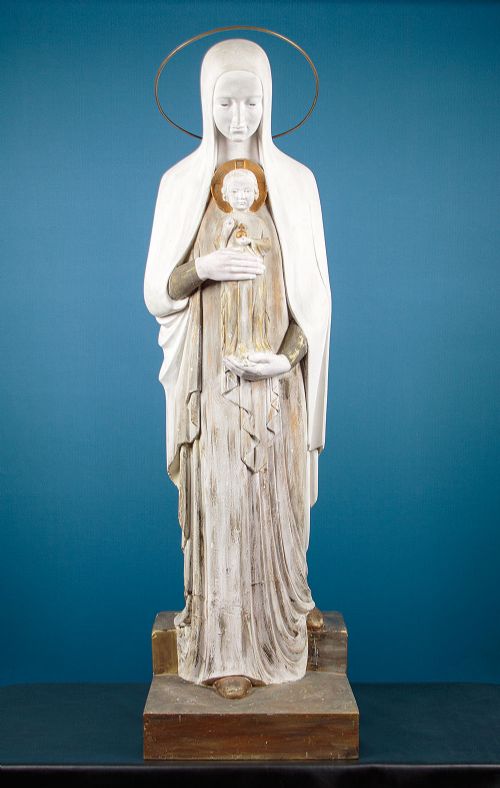
The pieces on this page are dominated by corpus christi figures on crosses, independent carved heads, and sculptural groups featuring the infant or adult Christ alongside Mary. Dating spans from medieval Gothic works and the Renaissance through the Baroque period and into the nineteenth century.
Regional styles dictate much of the character, with Spanish and South German Baroque examples showing intense drama whilst earlier Continental carvings display the restrained piety of Gothic and Renaissance traditions.
What varies in quality
The preservation of original surface treatments, such as polychrome pigment and gilding, heavily influences the historical integrity of a piece. Works retaining their authentic layered finishes demonstrate superior survival through centuries of handling and devotion.
Some figures retain glass eyes fitted centuries ago to catch the flicker of altar candles during evening prayers.
The Wooden Christ Figure Glossary
- Corpus Christi
- The body of Christ depicted on a cross. This form highlights the anatomy and devotional focus of the crucifixion.
- Polychrome
- Decorated in several colours. This surface treatment brings painted realism to carved timber sculptures.
- Gesso
- A plaster-like mixture applied to wood as a base for painting or gilding. It provides a smooth ground for delicate surface ornamentation.
- Pieta
- A subject in Christian art depicting the Virgin Mary cradling the dead body of Jesus. It is most frequently found in late medieval and Renaissance sculpture.
- Parcel Gilt
- Part gilt. This technique applies gold leaf selectively to highlight specific areas of a carved wooden surface.
Wooden Christ Figure: Frequently Asked Questions
How do I date a wooden christ figure?
Dating relies on stylistic markers within the carving, tool marks left by the artisan, and the species of wood utilised. Comparing anatomical treatment against known regional periods helps narrow the timeframe.
Surface finishes also provide clues, as early gesso and polychrome layers age in distinct ways that modern reproductions cannot easily replicate.
Where were these figures originally displayed?
These sculptures stood in churches, private domestic chapels, and roadside shrines across Europe. Many larger corpus figures hung above altars, while smaller pieces served personal prayer.
Intimate carvings often travelled with owners or formed the centrepiece of household devotional spaces during the medieval and Baroque eras.
How should I care for antique wood?
Protect antique wood carvings by maintaining stable humidity and temperature away from direct sunlight and heat sources. Sudden environmental changes cause timber to split and fragile polychrome to flake.
Dust gently with a soft, dry brush and avoid applying modern polishes or oils to historic surfaces that retain original finishes.
What is the difference between Gothic and Baroque figures?
Gothic figures emphasise linear drapery, stylised anatomy, and a quiet, solemn expression. The focus remains on symbolic representation rather than physical realism.
Baroque sculptures introduce dramatic movement, deep emotional suffering, and heightened anatomical detail. Carvers utilised dynamic poses to engage the viewer directly.