
Wooden Bow Front Chest
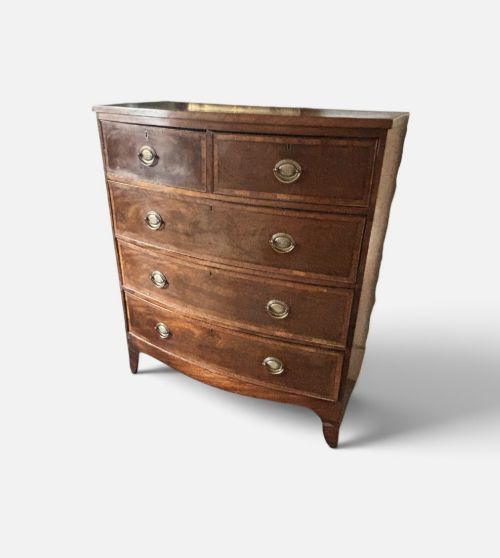
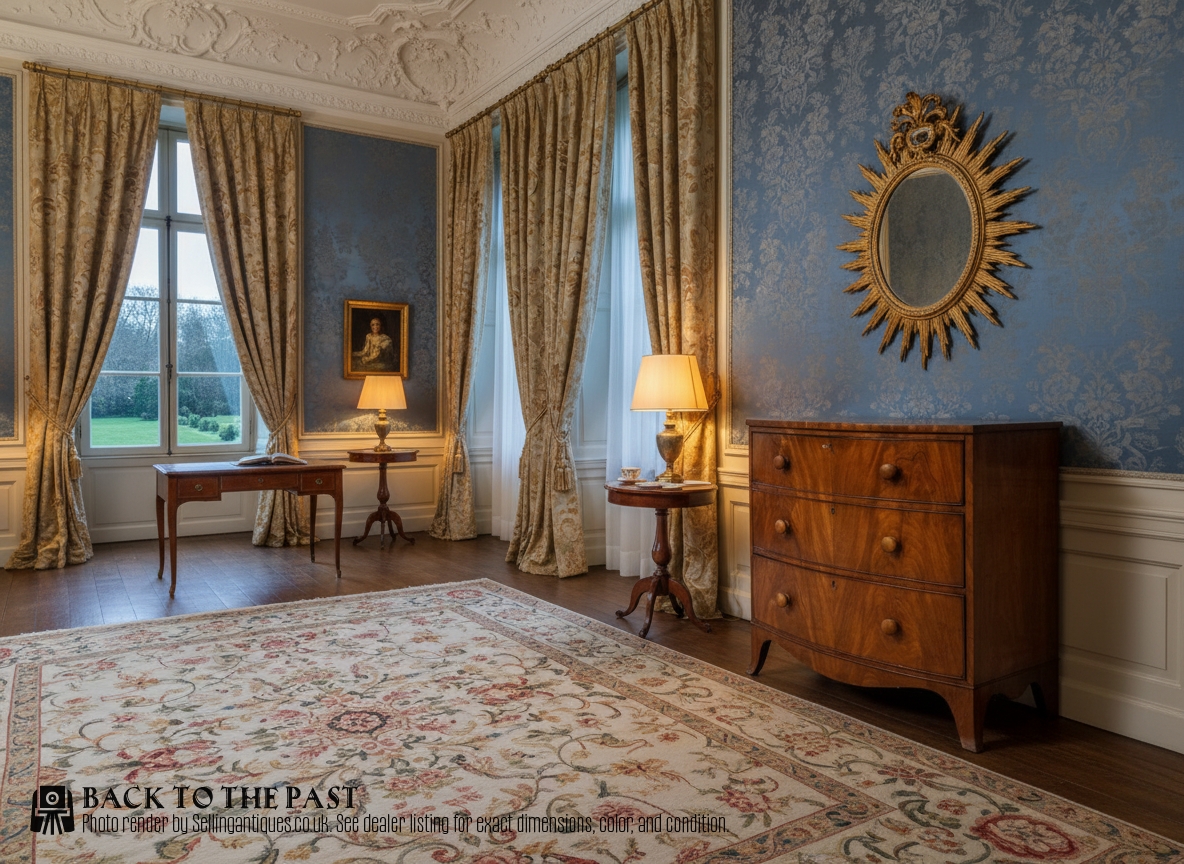
A wooden bow front chest brings a graceful curve and generous storage to a room, offering the finest expression of period cabinet-making.

Wooden Bow Front Chest
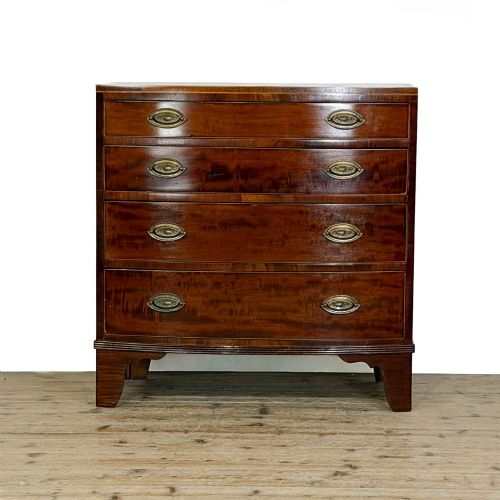
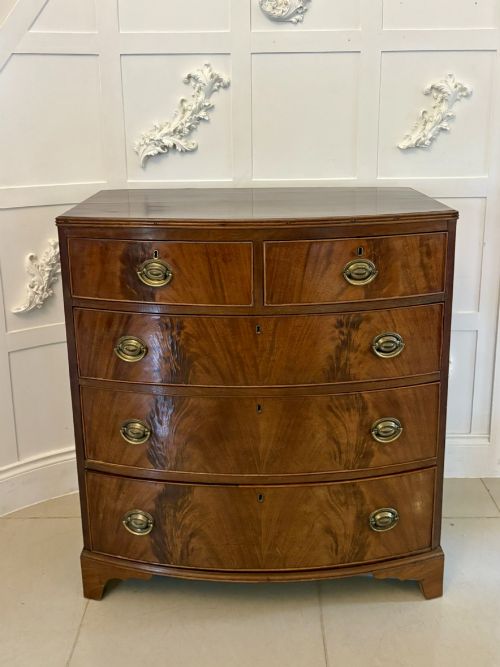
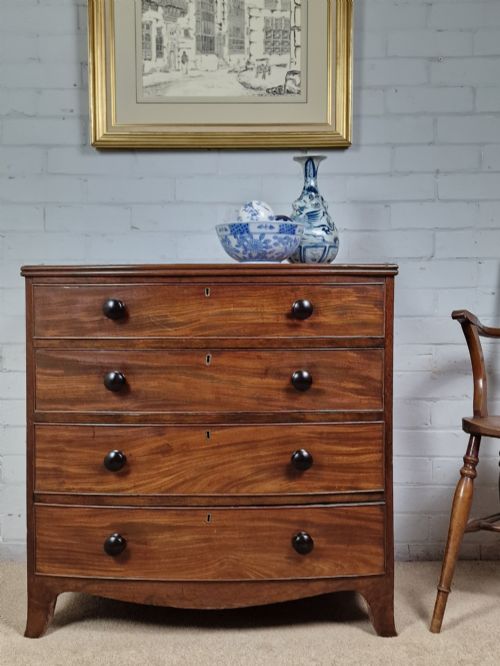
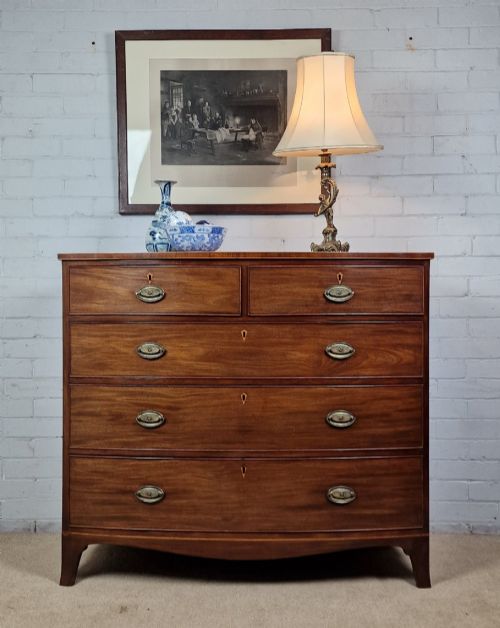
A wooden bow front chest presents a convex curved front that softens the rigid lines typical of standard storage furniture. Buyers seek these pieces for their combination of elegant proportions and practical drawer space.
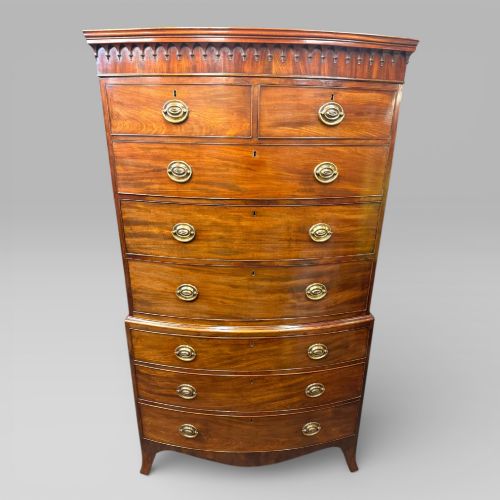
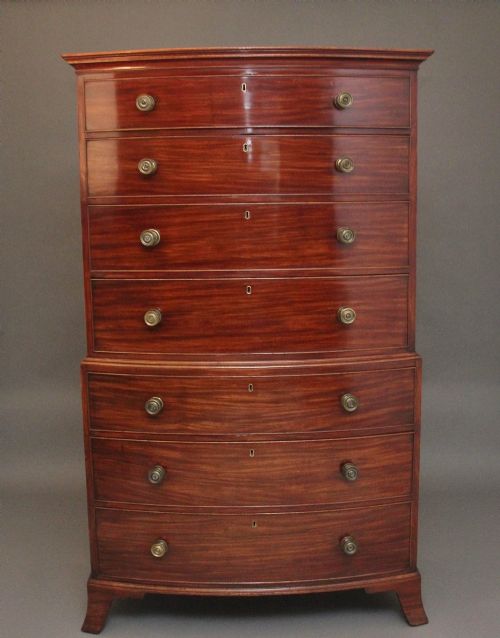
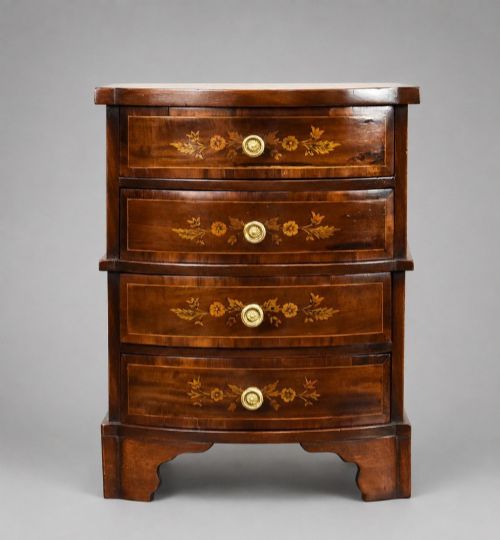
The pieces appearing most frequently across these listings date from the Georgian, Regency and Victorian periods. Standard forms include chest of drawers variants alongside tallboys, chests on chests and smaller miniature examples.
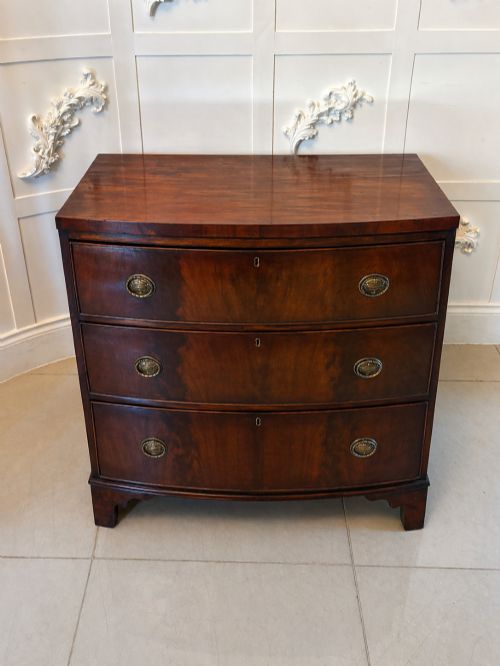
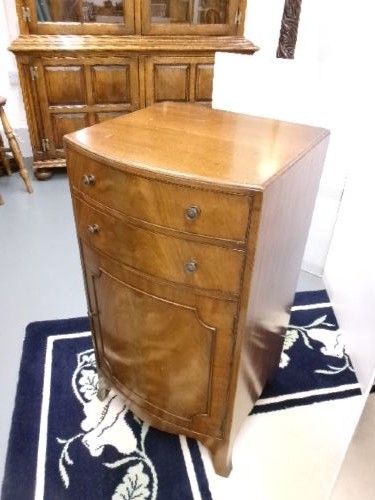
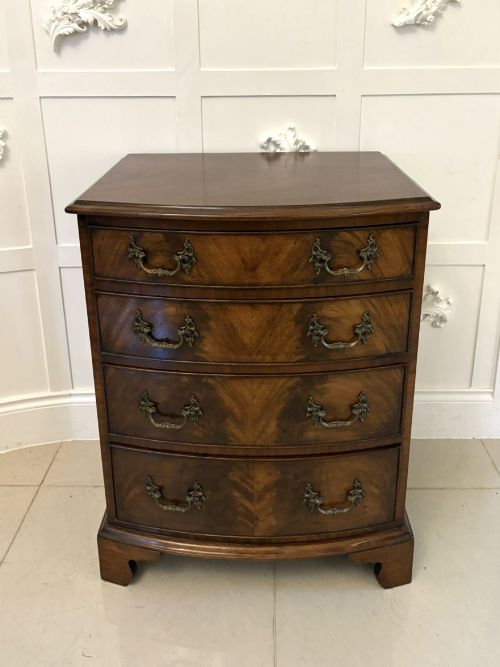
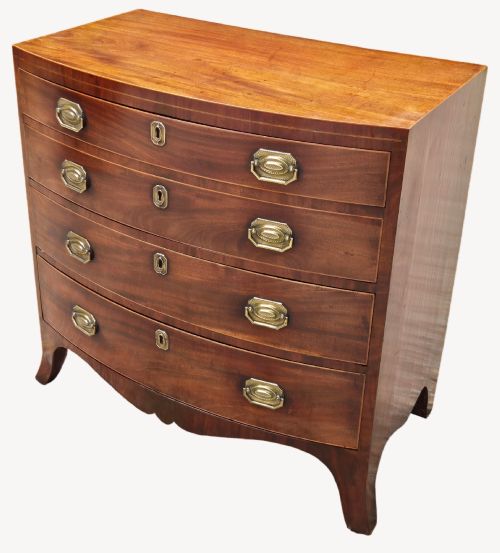
Construction relies heavily on mahogany, often accented with flame mahogany veneer or satinwood crossbanding. Occasional walnut and pine examples also occur within the selection.
How They Were Made
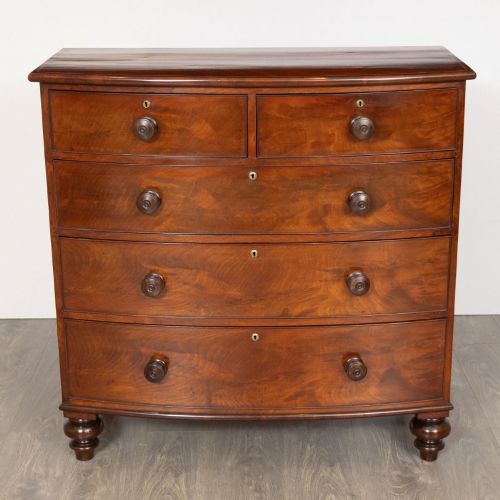
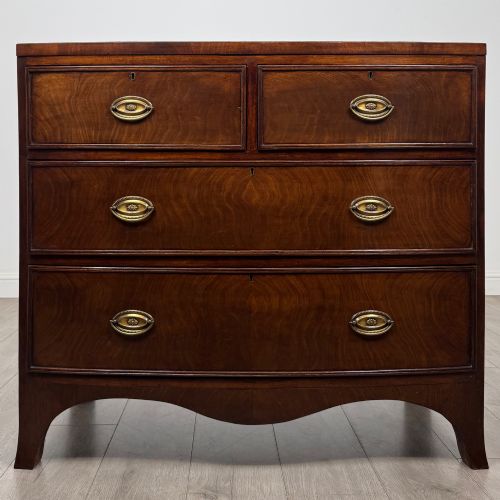
Cabinet-makers constructed carcass frames primarily from solid mahogany and pine, applying choice veneers such as flame mahogany across drawer fronts to achieve dramatic visual depth. Crossbanding in contrasting timbers like satinwood framed the curved edges of superior examples.
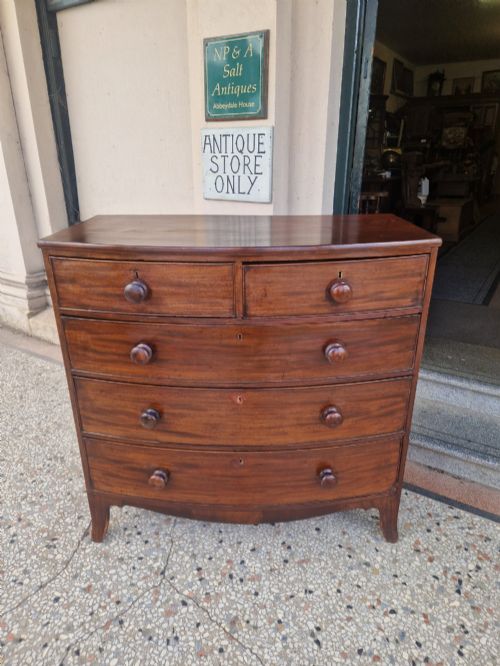
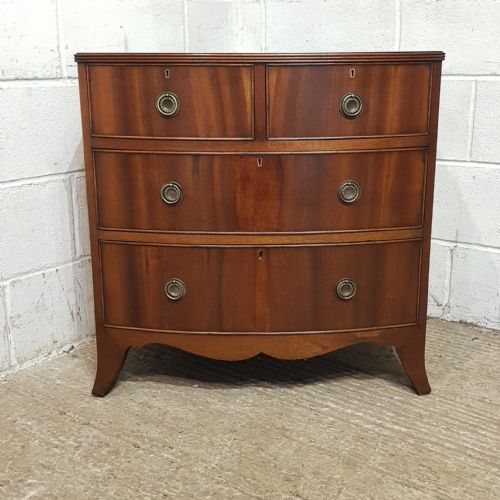
Brass handles and escutcheons provided standard functional hardware on many pieces, while others utilised turned wooden knobs. Skilled joinery ensured the curved drawer fronts operated smoothly within their shaped frames despite seasonal wood movement.
Several chests come equipped with miniature proportions or concealed cupboards, proving that compact furniture holds the greatest surprises.
What Varies in Quality
The selection of timber grain dictates much of the visual merit, with highly figured flame veneers and crisp satinwood crossbanding marking out the superior items. Plain timber surfaces appear on more utilitarian examples.
Proportion and the handling of the curved front define the architectural success of each chest. Refined pieces maintain balanced drawer graduations and neat edge details, whereas lesser items display heavier, uninspired framing.
The Wooden Bow Front Chest Glossary
- Bow front
- A convex curved cabinet front that projects outward in an arc. This shape gained widespread popularity during the Georgian and Regency periods.
- Crossbanding
- A strip of veneer applied to the border of a panel or drawer front with the grain running perpendicular to the central wood. It creates a neat framing effect.
- Flame mahogany
- A veneer cut from the branch junction of a mahogany tree, producing a distinctive flickering flame pattern. Cabinet-makers reserved this timber for principal drawer fronts.
- Tallboy
- A tall chest of drawers built as a single unit or as a chest on chest. These pieces maximise vertical storage space.
Wooden Bow Front Chest: Frequently Asked Questions
How do I date a bow front chest?
Dating relies on observing timber choices, handle styles and construction methods. Georgian and Regency pieces often display fine cockbeading and dovetailing, while Victorian examples tend to be heavier.
Secondary woods inside the drawers also offer clues to the period of manufacture and regional origin.
Where should I place a wooden chest?
These chests suit bedrooms, hallways and living rooms alike due to their versatile proportions. The curved front prevents sharp corners in narrow circulation areas.
Keep pieces away from direct heat sources to prevent the wood veneers from drying and lifting.
What is the difference between George III and Regency styles?
George III pieces frequently exhibit restrained classical lines with subtle stringing and brass drop handles. Regency furniture introduces bolder contrasts, utilising flame mahogany and satinwood.
Regency examples often feature richer grain matching across the curved drawer fronts.
Are miniature chests authentic period pieces?
Miniature chests appear in Edwardian and earlier contexts as apprentice pieces or specialised cabinet-maker samples. They replicate the exact proportions and joinery techniques of full-scale furniture.
Collectors prize these smaller items for their intricate construction and space-saving charm.