
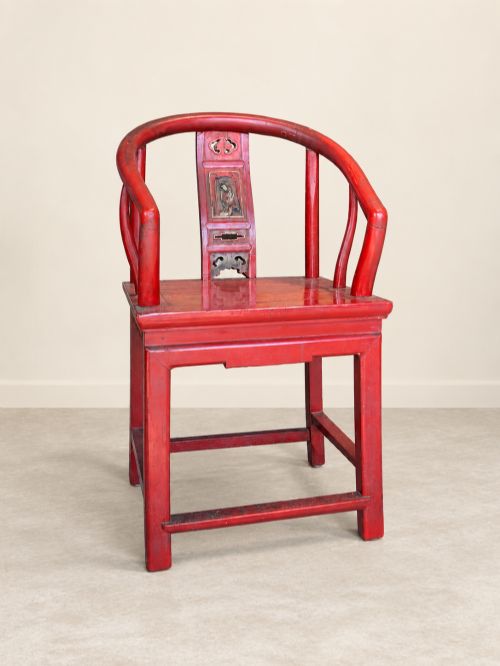
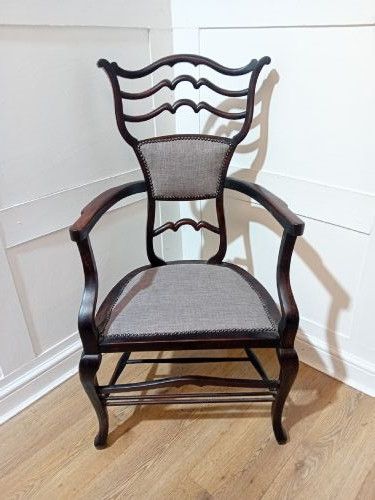


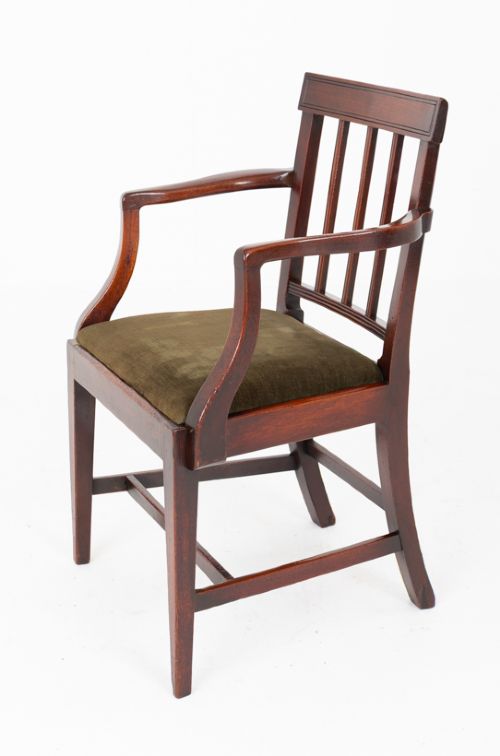
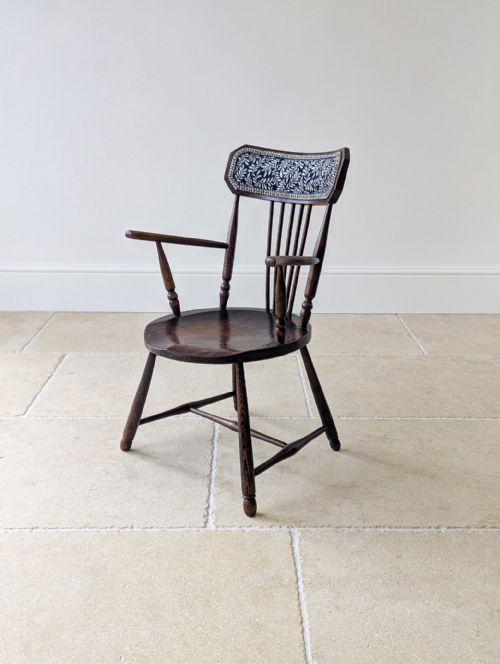
Wooden Accent Armchair
A wooden accent armchair brings solid timber character and supportive seating into a room, spanning styles from country Windsor forms to carved revival designs.
Wooden Accent Armchair
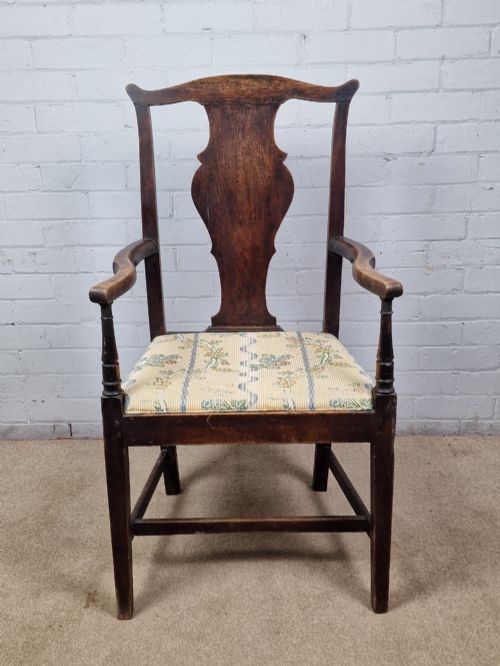
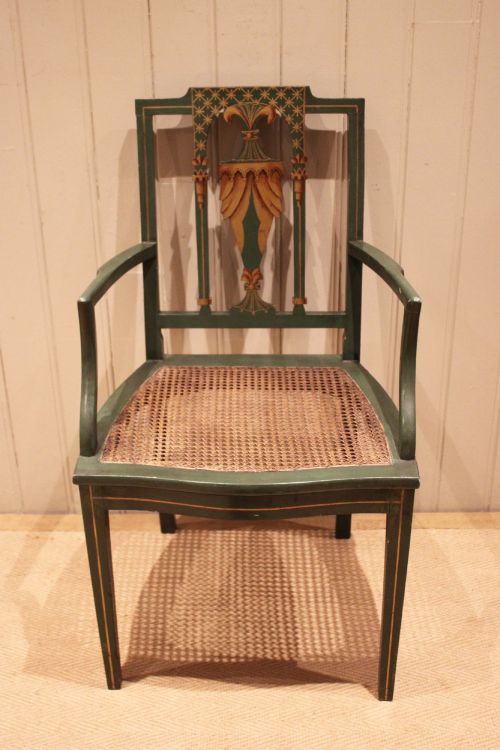
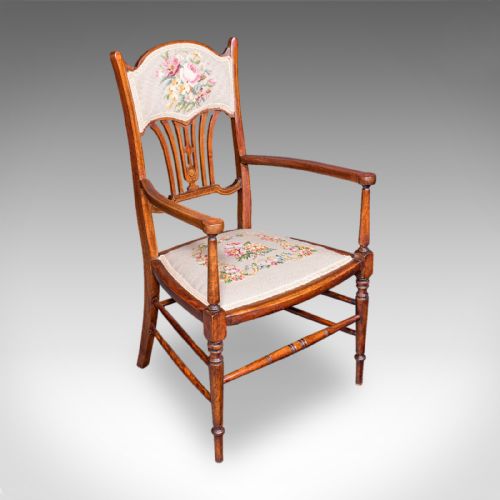
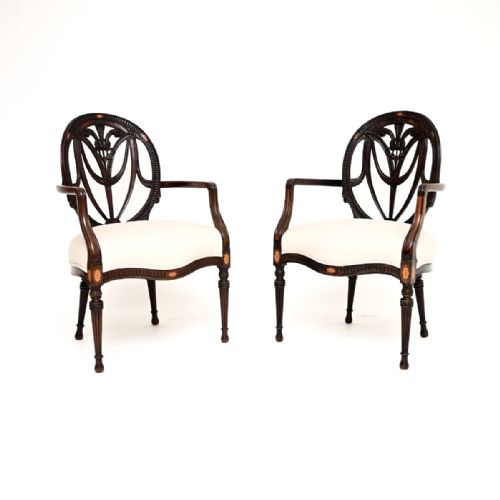
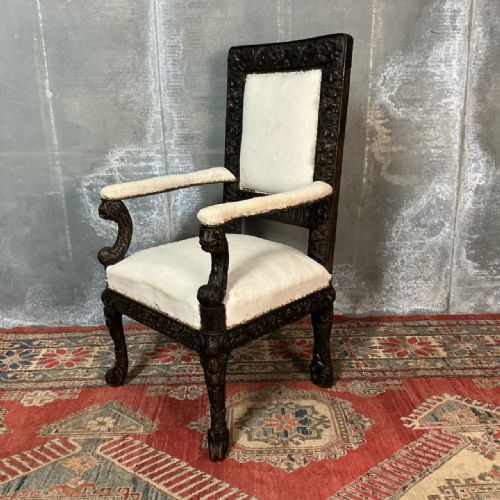
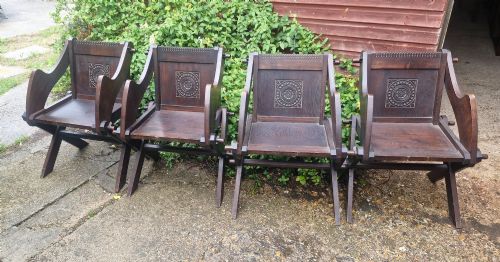
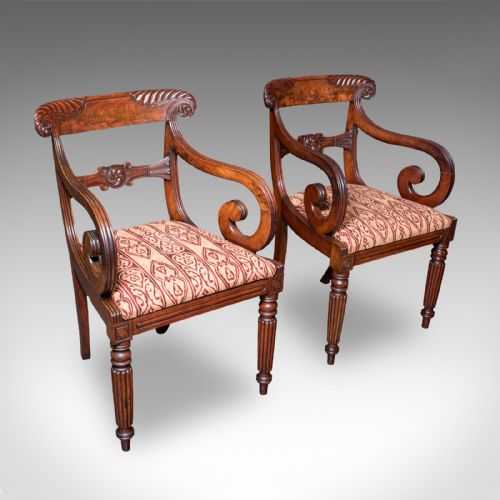
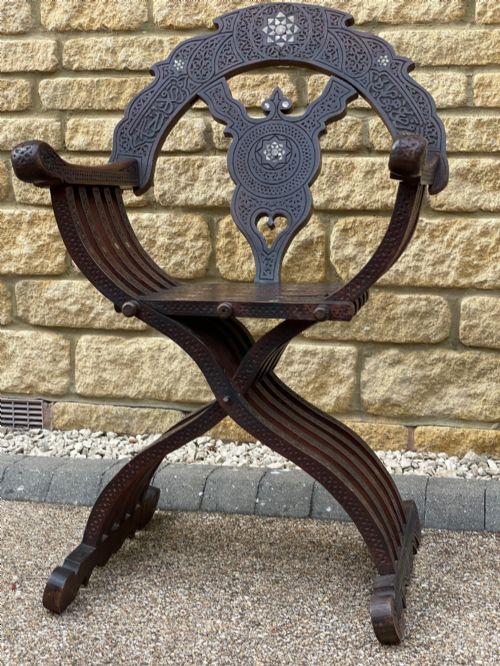
A wooden accent armchair encompasses a diverse group of seating furniture, appearing across listings in forms such as Windsor chairs, carvers, elbow chairs, and low-backed occasional seats. These pieces originate from various periods including the seventeenth, eighteenth, nineteenth, and early twentieth centuries.
The selection includes regional English country pieces in elm, yew, and beech alongside formal Georgian mahogany carvers and Edwardian satinwood designs. Buyers will also encounter continental walnut armchairs, Chinese elm yokeback chairs, and Arts and Crafts rush-seated models.
Makers and designers span traditional vernacular craftspeople to commercial workshops like Liberty Morris and Co, alongside bentwood makers such as Jacob and Josef Kohn. Domestic seating forms range from upright library and morning room chairs to rocking chairs and child sized wingbacks.
Materials and Construction
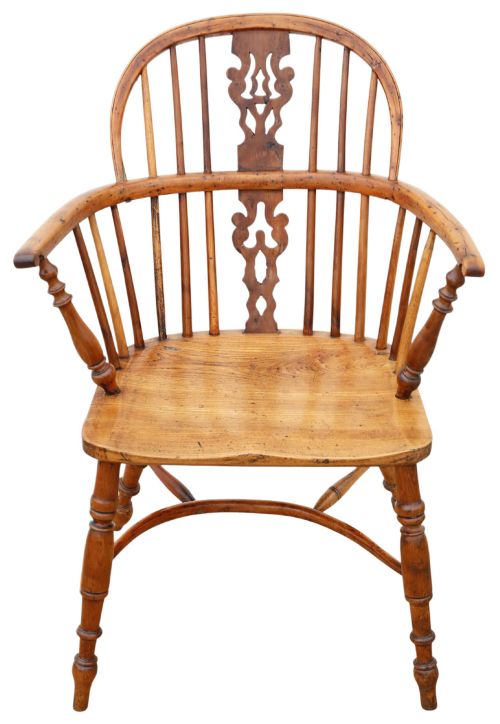
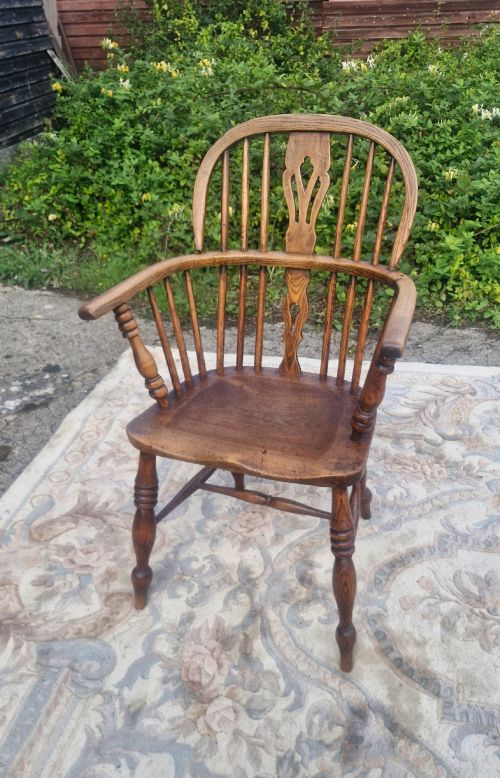
Construction relies heavily on native hardwoods such as oak, walnut, mahogany, elm, yew, beech, and pitch pine, shaped through traditional joinery, turning, and steam bending. Windsor forms utilise contrasting timber species, pairing flexible elm seats with robust ash or beech spindles and yew bow frames.
Surface treatments and decorative techniques involve hand carving, painted finishes, red lacquer, mother of pearl inlay, and satinwood stringing. Upholstered examples integrate traditional stuffing methods beneath fabric, velvet, needlework, tapestry, and rush seating.
Frame assembly employs pegged mortise and tenon joints, dovetailing, and bentwood lamination, particularly evident in nineteenth century Vienna Secession pieces and seventeenth century wainscot armchairs.
The listings show periods ranging from the seventeenth century through the Victorian era to the 1930s, using oak, walnut, mahogany, and elm.
Gradations in Quality
Quality in a wooden accent armchair is determined by the selection of timber, the crispness of hand carving, and the integrity of the structural joinery. Superior pieces display dense grain patterns, harmonious natural patination, and timber specified correctly for structural stress and decorative effect.
The sophistication of design and execution separates standard regional production from exhibition quality works after makers like Andrea Brustolon. Original surfaces, untouched patination, and retained historic elements such as early lacquer or rush seating elevate an example above later alterations.
Liberty Morris and Co·Jacob and Josef Kohn
The Wooden Accent Armchair Glossary
- Windsor
- A traditional chair construction method where legs and back spindles are wedged directly into a solid sculpted wooden seat. These chairs often combine elm seats with bent yew or ash frames.
- Wainscot
- An early heavy wooden armchair constructed with panelled box frames and solid wooden backs, common in the seventeenth century. They take their name from high grade imported oak panelling.
- Yokeback
- A traditional Chinese chair style featuring a curved top rail resembling a yoke, supported by vertical posts. These chairs frequently utilise elm and retain traditional lacquer finishes.
- Bentwood
- Furniture formed by steaming strips of timber until pliable and bending them into curved shapes. This technique defines late nineteenth century Vienna Secession seating.
Wooden Accent Armchair: Frequently Asked Questions
What is a wooden accent armchair?
A wooden accent armchair is a standalone seat combining timber frames with functional support, used to add character and extra seating to a room.
The listings demonstrate that these chairs take many forms, from nineteenth century Windsor carvers and Arts and Crafts rush seats to revival and oriental styles.
How were Windsor armchairs constructed?
Windsor armchairs were built by boring holes directly into a thick, solid wooden seat plank to hold the legs and back spindles.
Craftspeople typically used elm for the contoured seat because it resists splitting, while pairing it with bendable woods like yew or ash for the bows and arm rails.
How do I identify a Georgian armchair?
Georgian armchairs are generally made from mahogany and reflect the classical furniture designs popular during the eighteenth century.
They often feature refined proportions, carved details such as ropeback motifs, and sturdy frames intended for dining or parlour use.
Where should I place an accent armchair?
An accent armchair suits a corner, a bedroom, a hallway, or a reception room where extra seating and timber texture are required.
Because these chairs come in various sizes and styles, from low back Windsor chairs to high back needlework models, they can anchor a dead space or complement existing seating.