

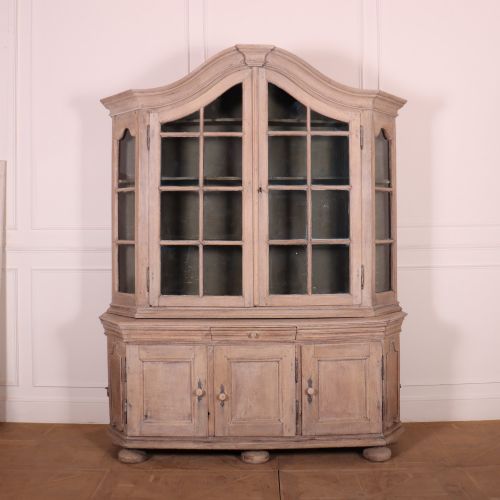
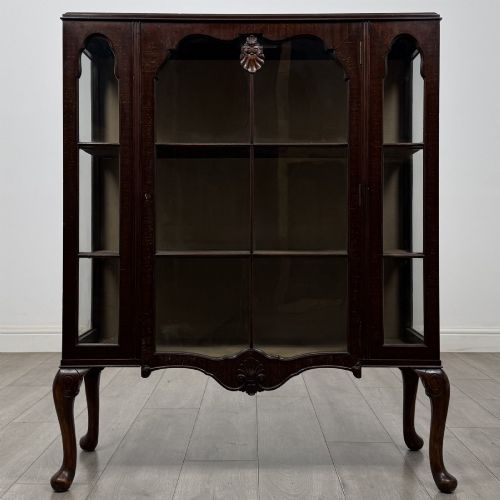
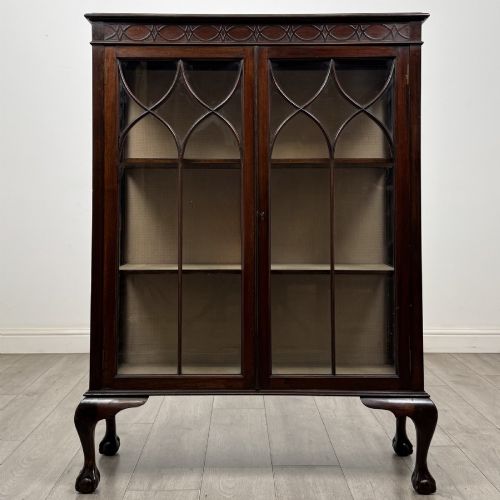
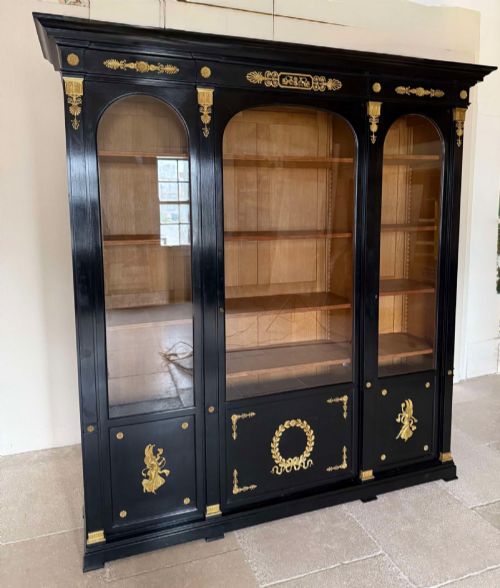
Wood Vitrine Cabinet
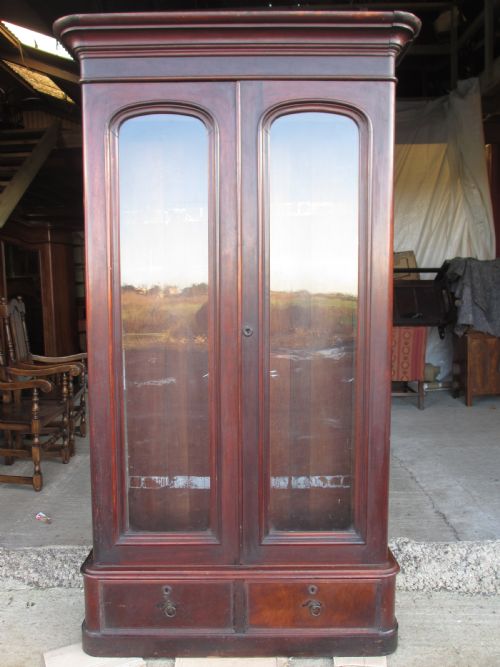
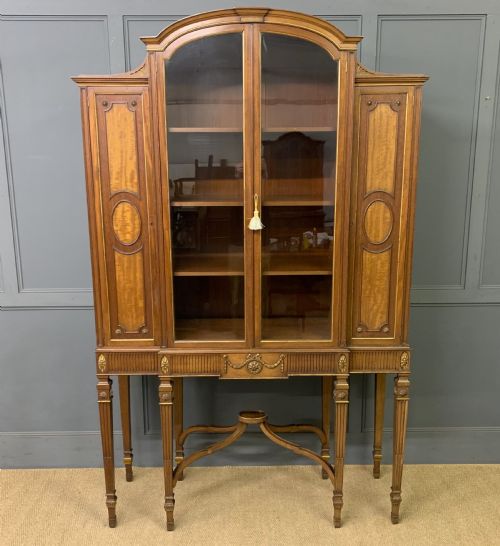
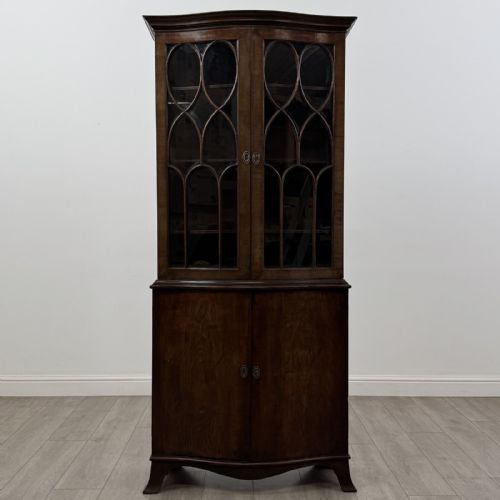
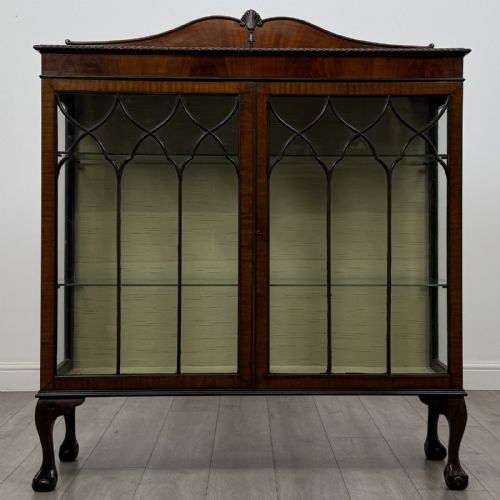
A wood vitrine cabinet displays treasured possessions behind glass, combining joinery and display space in forms from Georgian to Art Deco.
Wood Vitrine Cabinet
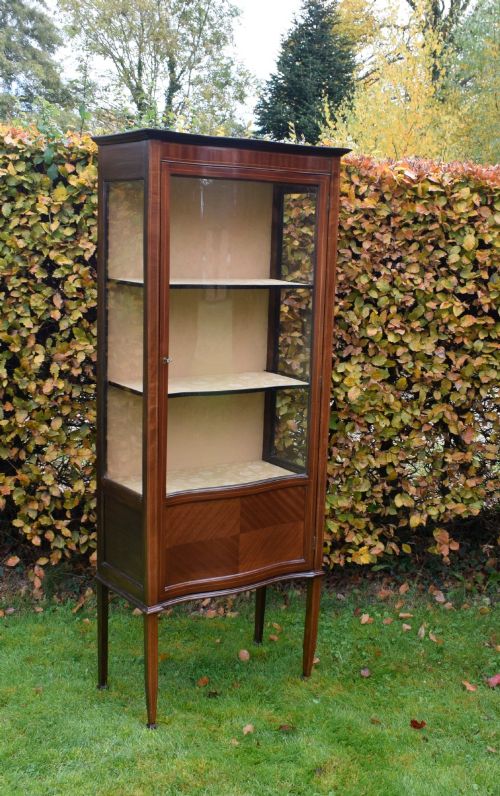
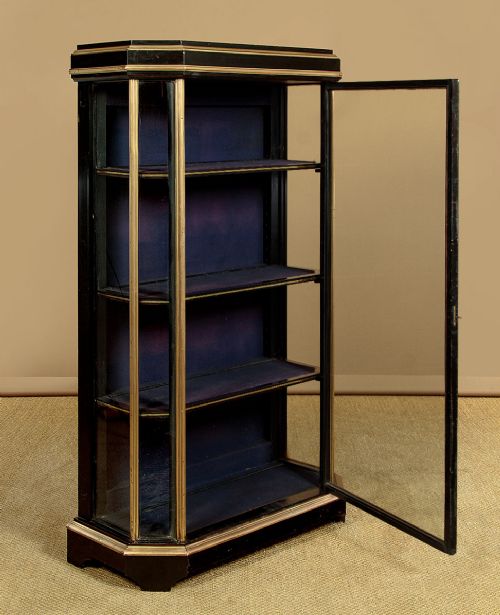
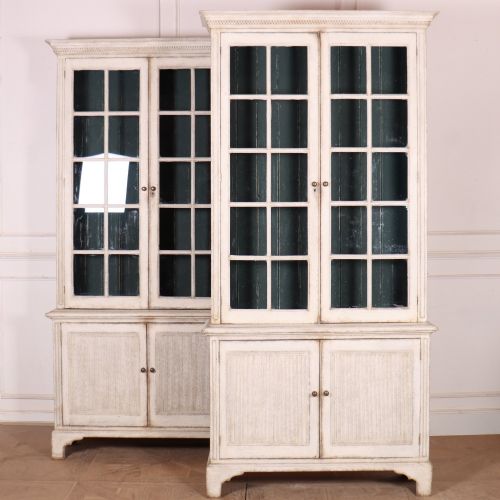
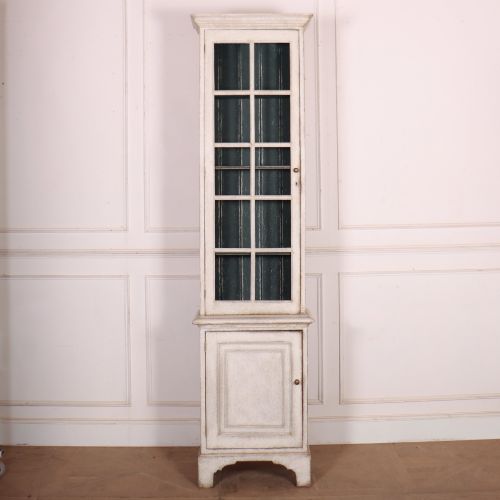
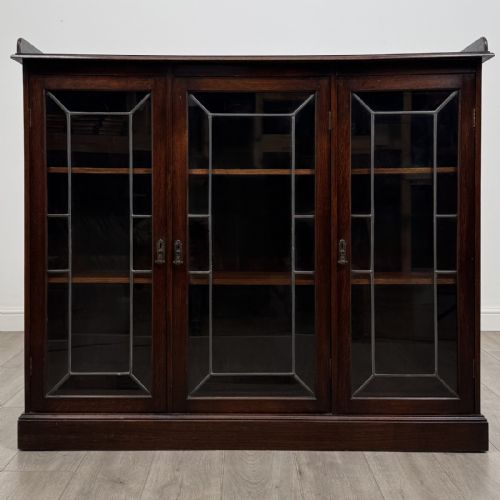
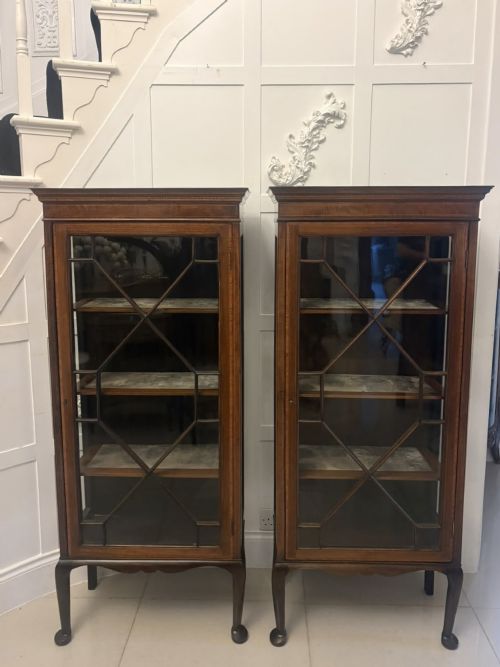
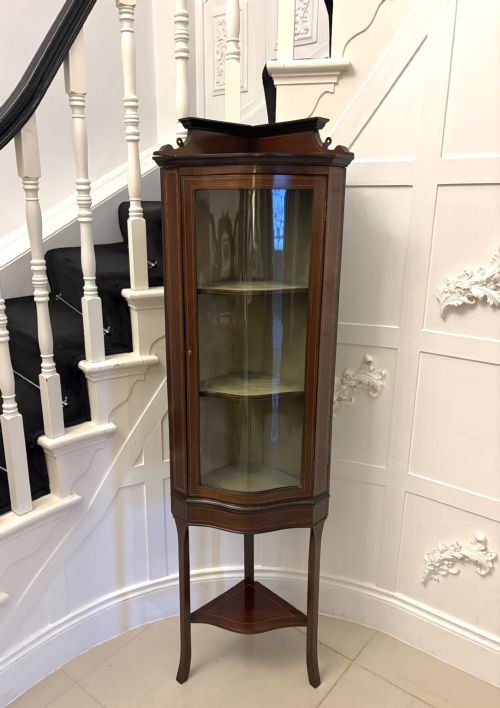
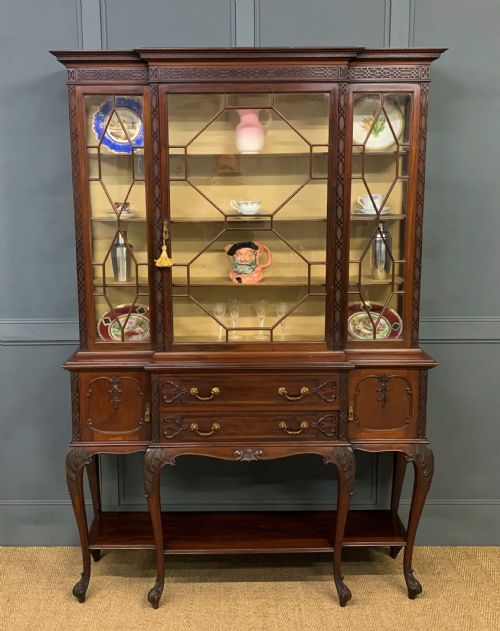
A wood vitrine cabinet encompasses freestanding display pieces, corner cabinets, bookcases, and wall-mounted units designed to exhibit objects. These pieces appear across Georgian, Victorian, Edwardian, and later periods, utilising forms ranging from serpentine fronts to bow ends.
The Edwardian iterations in mahogany predominate on this page, frequently featuring inlaid details, glazed doors, and raised galleries or cabriole legs. Alongside these, nineteenth-century examples in rosewood, walnut, and kingwood demonstrate how cabinetmakers adapted display furniture for domestic collections.
Materials and construction methods
Construction relies heavily on solid timbers and fine veneers like mahogany, satinwood, rosewood, oak, and kingwood, often enhanced with marquetry, brass fittings, and ormolu mounts. Glazing secures the viewing area, while internal fabric linings frequently provide a contrasting backdrop for displayed items.
Joinery techniques span traditional framing for glazed doors to intricate inlay work characteristic of Sheraton Revival and Edwardian pieces. Carved wooden details, claw and ball feet, and painted decorations reflect the stylistic preferences of Victorian and Edwardian workshops.
Wood Vitrine Cabinet Retail Price Guide 2026
Typical asking prices for wood vitrine cabinet among the pieces listed under this phrase on Sellingantiques today, from the lower quarter to the upper quarter. They describe what is for sale here now, not the wider market.
Some Victorian display cabinets include secret internal compartments designed for hiding small silver spoons from curious household guests.
What distinguishes finer examples
Quality rests upon the selection of timber and veneer figures, such as figured walnut, amboyna, or richly grained mahogany, paired with precise inlay and marquetry work. Finer cabinets display harmonious proportions, crisp carving, and well-executed joinery on glazed doors and structural framing.
The integration of decorative metalwork, such as brass mounts or ormolu, alongside original fabric linings and painted decorations, elevates certain pieces. Structural integrity, including stable feet like cabriole or claw and ball forms, marks the distinction between standard production and superior craftsmanship.
Waring and Gillow·Jas Shoolbred
The Wood Vitrine Cabinet Glossary
- Vitrine
- A glass-fronted cabinet designed for displaying porcelain, curiosities, or books. These pieces protect delicate objects from dust while offering full visibility from the front and sometimes the sides.
- Ormolu
- Gilded bronze mounts applied to furniture for decorative effect. This technique was frequently utilised on nineteenth-century French and English display cabinets.
- Inlay
- A technique where pieces of contrasting timber, shell, or metal are inserted into depressions within a solid wood surface to form decorative patterns. It defines many Edwardian and Sheraton Revival pieces.
- Marquetry
- Elaborate veneer work forming pictorial or geometric designs across the surface of a cabinet. Eighteenth-century Dutch pieces utilise this method extensively.
- Serpentine
- A front contour that curves outward at the centre and inward at the sides, creating a gentle undulating shape. This profile requires skilled joinery and timber shaping.
Wood Vitrine Cabinet: Frequently Asked Questions
What is a wood vitrine cabinet used for?
These cabinets were built to showcase porcelain, glassware, and small ornaments while protecting them from dust and handling. The glazed doors and glass panels allow light to enter from multiple angles.
Over time, owners adapted them to display family collections, books, and curiosities in drawing rooms and parlours. Their primary function remains exhibition combined with secure domestic storage.
How do I care for antique wood finishes?
Maintaining these surfaces requires keeping them away from direct sunlight and maintaining stable room humidity to prevent veneer lifting. Regular dusting with a soft, dry cloth preserves the polish without chemical buildup.
Applying a traditional beeswax polish occasionally nourishes the timber and enhances the grain. Avoid silicone-based sprays, which can penetrate and damage historic finishes.
What is the difference between a vitrine and a bookcase?
A vitrine primarily functions as a display case for decorative objects, frequently featuring glass side panels alongside glazed doors. Bookcases are engineered primarily to hold volumes, often with solid wooden sides and adjustable shelving.
While some glazed bookcases double as display units, true vitrines prioritize visibility for art objects and porcelain over heavy book storage.