

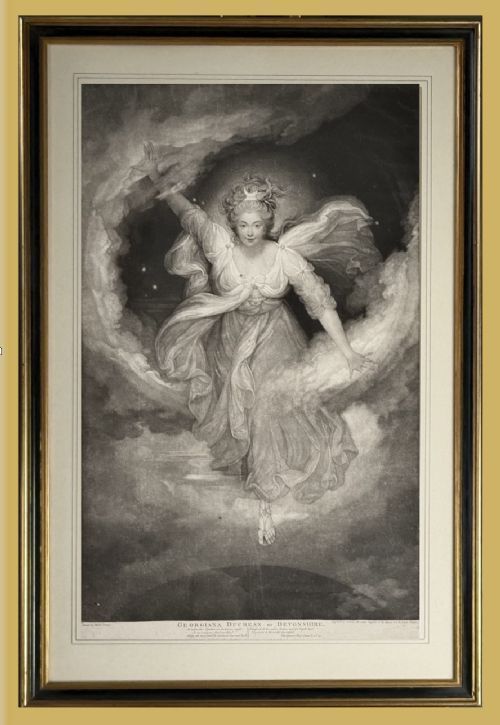
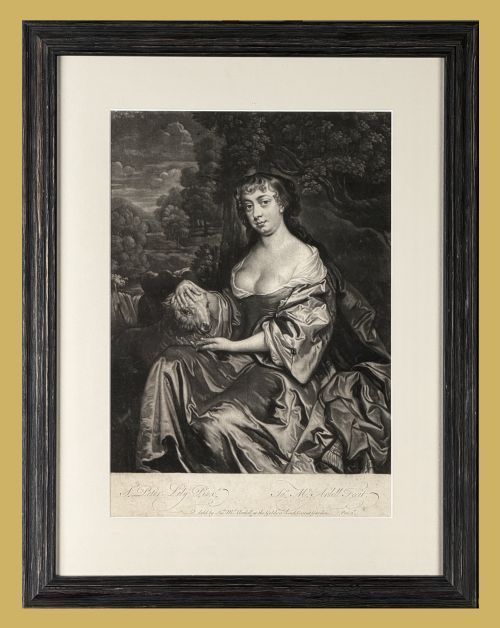
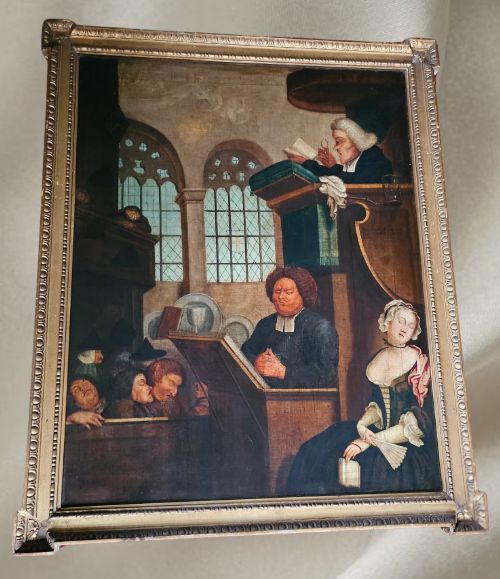
Wood Framed Print
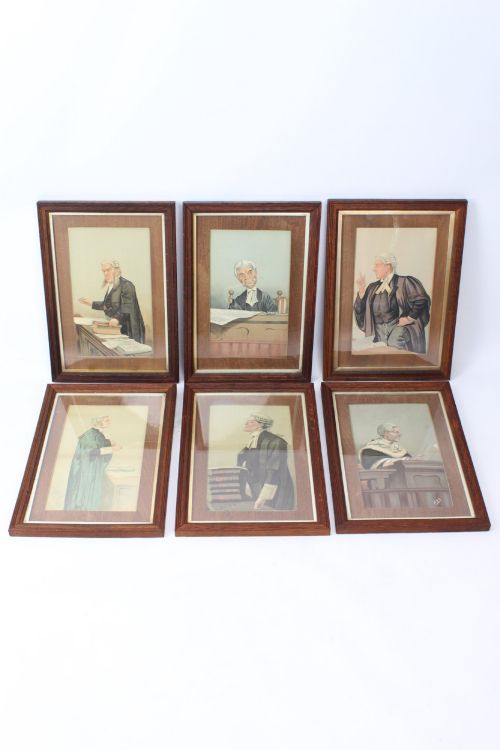
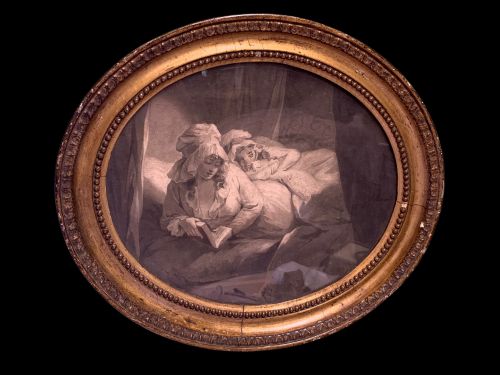
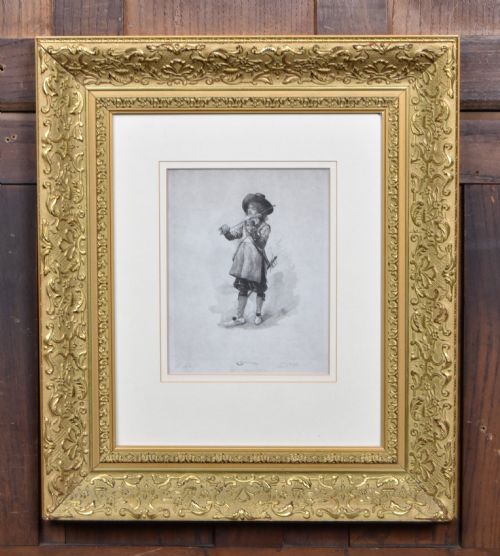
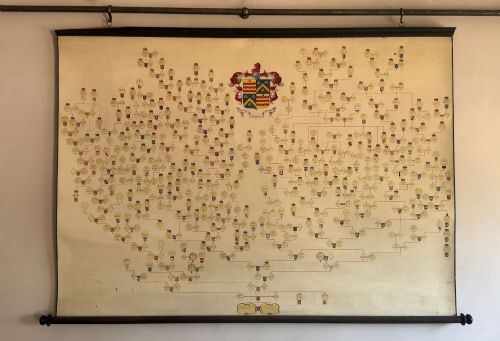
These wood framed print examples bring centuries of graphic work, portraiture and maps into domestic interiors.
Wood Framed Print
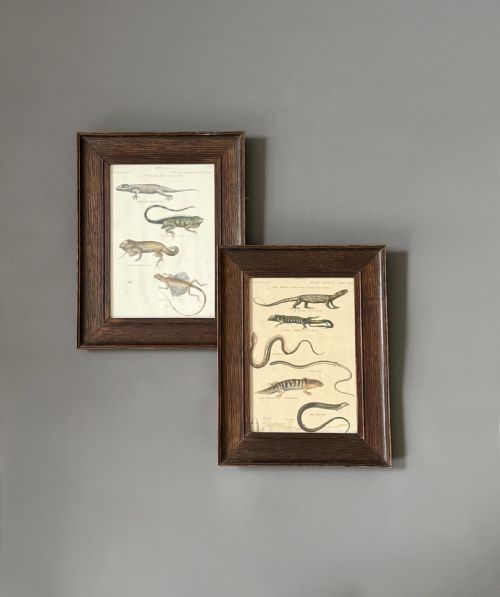
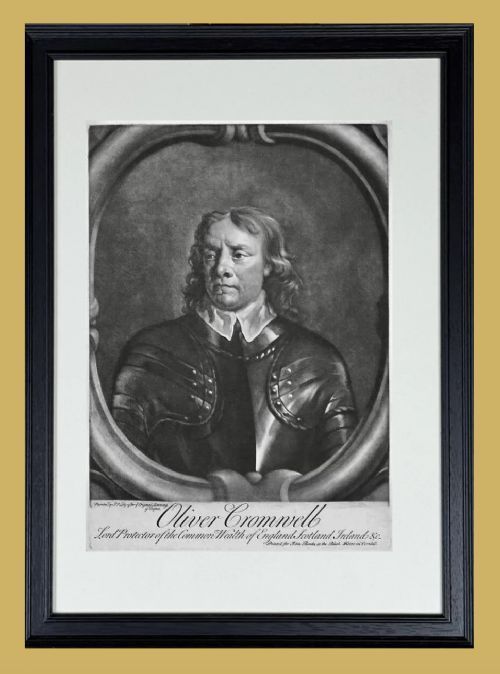
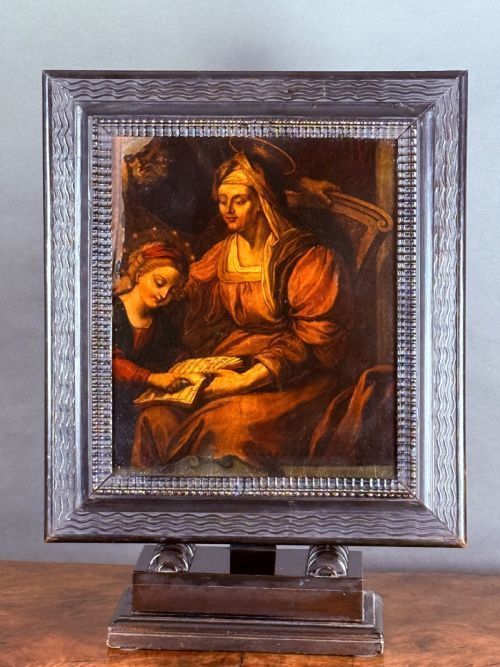
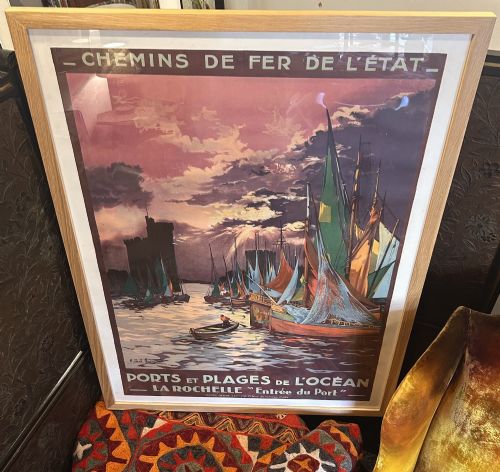
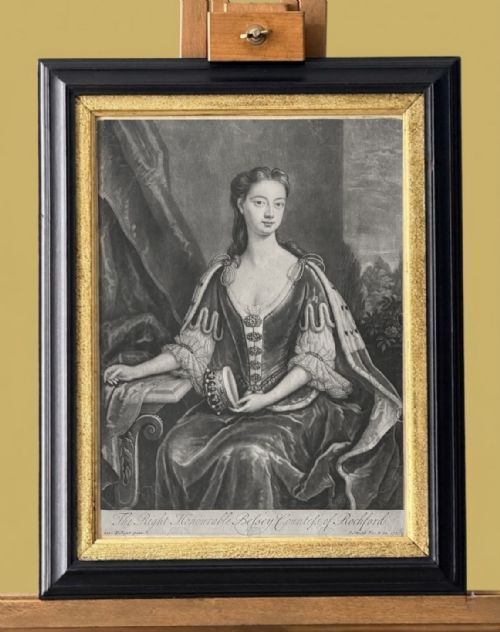
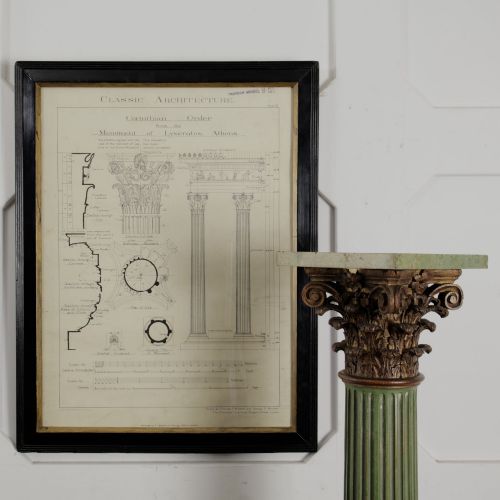
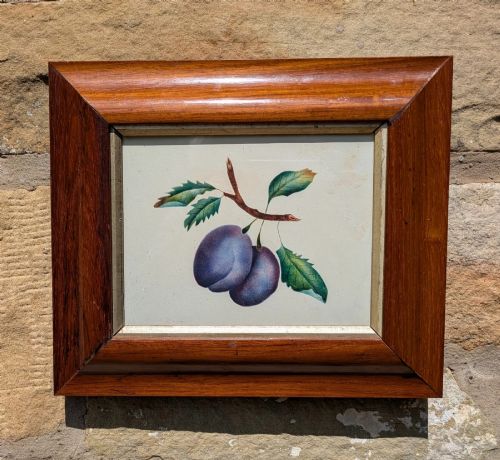
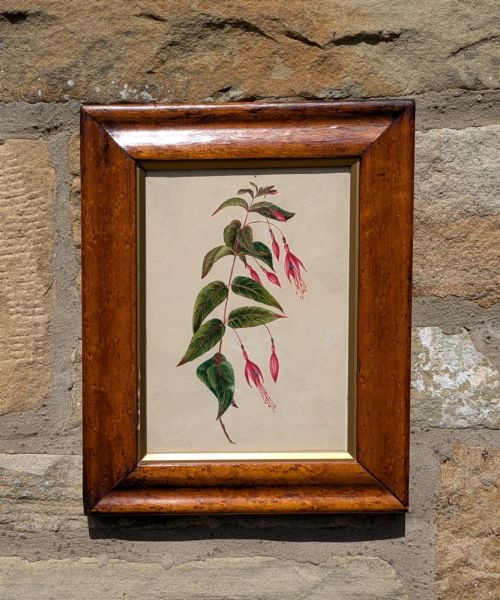
A wood framed print encompasses historical engravings, mezzotints, watercolours and lithographs preserved beneath glass. The selection spans centuries of image-making, from seventeenth-century religious portraits to twentieth-century railway posters and botanical studies.
Buyers encounter diverse formats, including large cartographic maps, horse racing series and delicate children's portraits. Many retain their original period surrounds, connecting the imagery directly to Georgian, Victorian and Edwardian domestic display.
The category bridges fine art reproduction and documentary record, featuring works after major painters alongside dedicated prints and botanical illustrations. Each piece relies on its timber moulding to anchor the paper, canvas or vellum within a finished wall display.
How they were made
Makers utilised traditional printing techniques such as copperplate engraving, mezzotint and lithography on paper or vellum sheets. Hand-colouring often enriched monochrome printed lines with watercolour washes applied directly to the surface.
Mouldings were constructed from native and exotic timbers, frequently incorporating rosewood, walnut or gilt elements to complement the artwork. Glazing protected the delicate ink and pigment layers from atmospheric moisture and dust.
The inventory records styles spanning Georgian, Victorian, Baroque, Art Deco, Regency and Edwardian eras.
What varies in quality
The clarity of the printed impression dictates the visual strength of the piece, with early strikes from a plate showing sharper detail than later printings. Crisp ink transfer distinguishes master engravers from routine commercial workshop production.
The integrity of the timber housing influences overall retention, particularly when original frames survive intact around the paper or canvas. High-grade mountings and well-preserved glass protect the underlying medium from foxing and fading.
John Bowles·Sir Peter Lely·Samuel Cooper·John Smith·Valentine Green·James Macardell·William Hogarth·Luke Sullivan·Koson Ohara·Hall Thorpe
The Wood Framed Print Glossary
- Mezzotint
- A printmaking process of the intaglio family where the plate is roughened to produce tones of grey and black. It allows for subtle gradations of light and shadow, frequently used for portraiture.
- Engraving
- A method of cutting design into a metal plate with a sharp tool called a burin. The inked incisions transfer linear detail under pressure to paper sheets.
- Chromolithograph
- A multicoloured planographic print produced using separate limestone blocks for each hue. This technique created vibrant reproductions of paintings during the nineteenth century.
- Vellum
- A fine parchment prepared from calfskin used as a durable writing and printing surface. It offers a smooth texture distinct from standard paper stock.
- Reverse glass painting
- An art form where the image is painted directly onto the back of a glass pane and viewed from the front. Eighteenth-century examples achieve a luminous finish through this specialised placement.
Wood Framed Print: Frequently Asked Questions
How should I hang antique wall art?
Support heavy timber frames securely from wall studs using appropriate fixings rather than depending on simple picture wire alone. Position pieces at eye level away from direct sunlight to protect vulnerable paper and ink layers from fading.
Maintain stable indoor humidity levels to prevent the wooden mouldings and backing boards from warping or cracking over time.
Are these works original period pieces?
The selection includes genuine historical printings from the seventeenth through to the twentieth century, matched with appropriate period housings. Cataloguing details the specific printing medium and era for each individual item.
Examining the paper texture, ink penetration and framing construction helps confirm the historical context of the object.
How do I clean antique glass and wood?
Dust the timber moulding gently with a dry, soft cloth, avoiding commercial polishes that might seep beneath the rebate and stain the paper. Clean the glass sparingly with a mild solution applied to the cloth rather than sprayed directly onto the surface.
Keep moisture entirely away from the edges where the glazing meets the historic frame and backing.
Can frames be replaced safely?
Original period surrounds contribute significantly to the historical character and value of older prints, so retaining them is generally preferred. If replacement is necessary, consult a professional conservator to match appropriate timber profiles.
Altering historic housings improperly risks damaging the fragile margins and edges of the artwork secured inside.