


Wood Framed Painting
When you search for a wood framed painting, you enter a traditional world where canvas and panel meet timber mouldings.
Wood Framed Painting
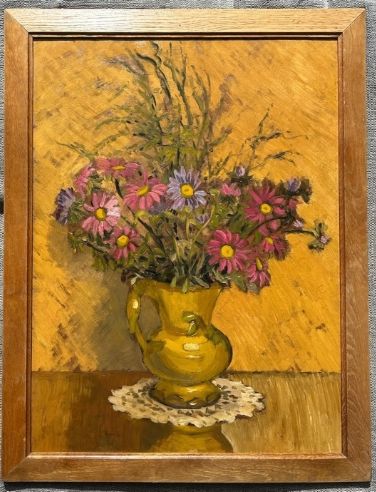
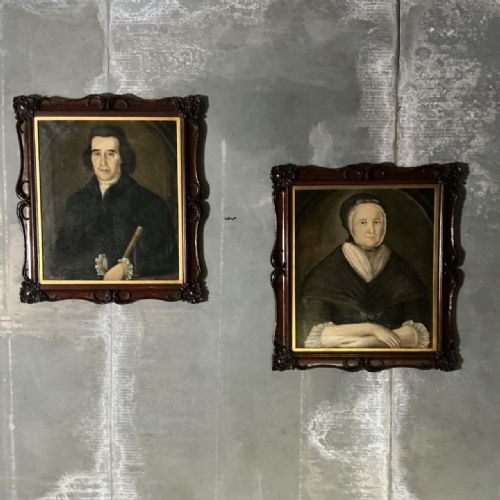
A wood framed painting combines a pictorial surface with a protective or decorative timber surround, bridging the gap between fine art and carpentry. These pieces span centuries from the 17th century through the Georgian and Regency eras into the mid 20th century, capturing portraits, landscapes, and still life scenes.
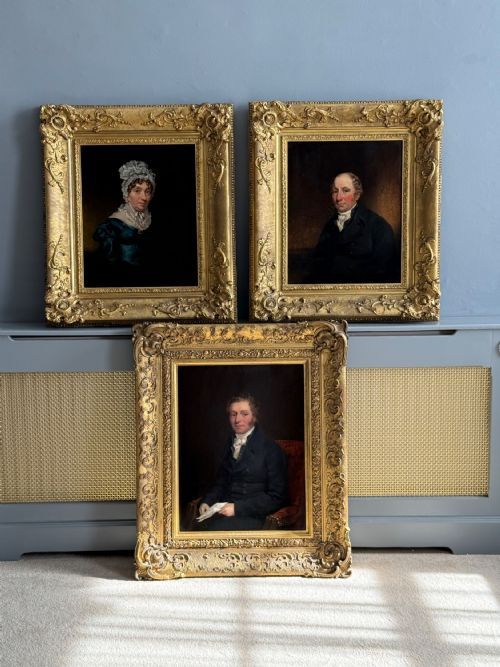
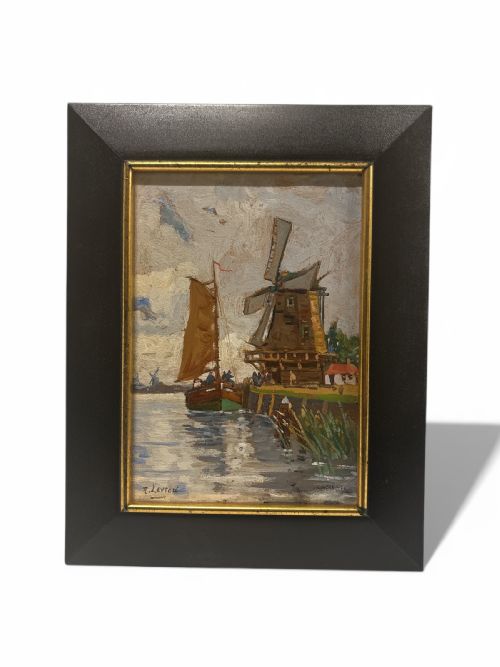
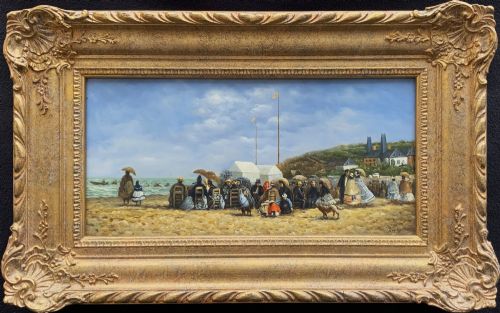
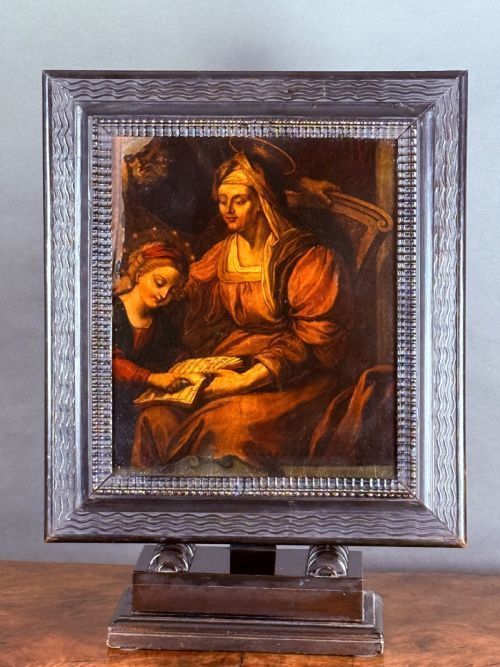
The selection on this page ranges from intimate botanical watercolours and panel portraits to large oil paintings on canvas and board. Makers and artists utilise timber mouldings, ranging from plain stained wood to elaborate giltwood, to anchor the artwork within its architectural context.
How they were made
Painters of these works applied oil paint or watercolour to prepared supports such as canvas, wood panels, paper, and board, often working within distinct British, French, or Dutch schools. Artisans then housed these artworks in custom-built wooden frames utilising materials like carved wood, gesso, and giltwood.
Mouldings were joined at the corners using traditional mitres, sometimes incorporating decorative elements such as ribbon crests or ribbed profiles to complement the aesthetic of the period.
Listings feature works spanning the 17th century through the Georgian, Victorian, and Edwardian periods into the mid 20th century.
What varies in quality
The dialogue between the artwork and its wooden enclosure dictates the overall standard, where a harmonious proportion elevates both elements. Hand-carved detailing, original surface patination on the timber, and the subtlety of the brushwork separate ambitious studio pieces from simpler decorative works.
Preservation of original materials, from the uncleaned paint layer to the untouched giltwood or painted frame finish, determines the integrity of the surviving object.
Kenneth Cozens·Joseph Clover·William Howard Hardy·Emily Eyres·Frank Watson Wood·William F. Perrin
The Wood Framed Painting Glossary
- Giltwood
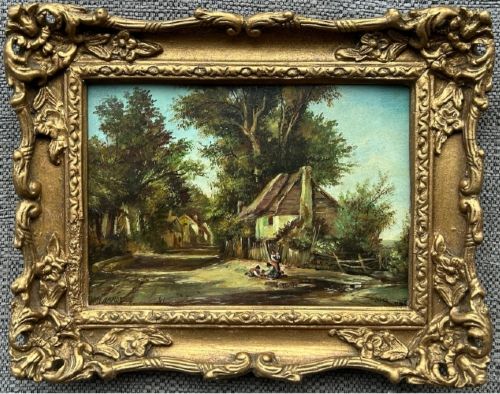
- Wood that has been coated with a thin layer of gold leaf or gilt powder over a prepared gesso ground. This finish reflects light and provides a brilliant border for formal portraits and landscapes.
- Panel
- A solid flat piece of wood used as a rigid support for painting instead of stretched canvas. Artists frequently utilised oak, mahogany, or fruitwood panels during earlier centuries.
- Trumeau
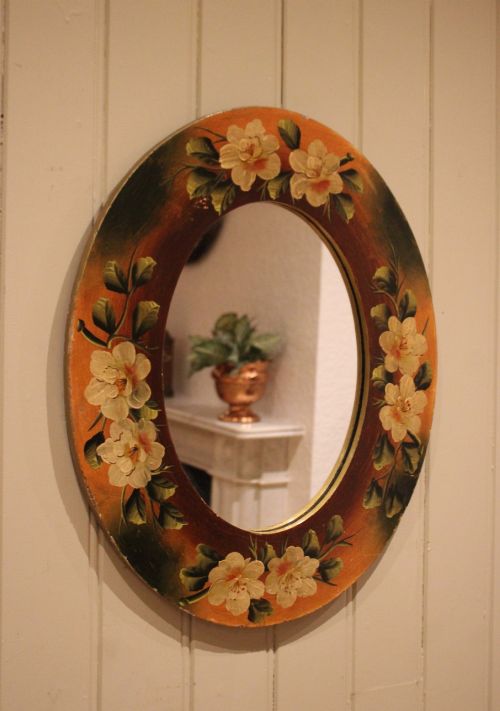
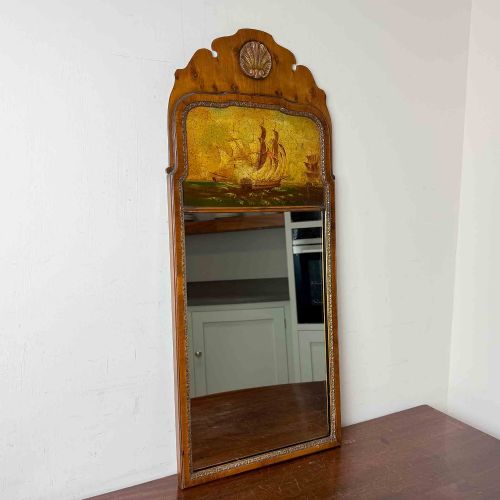
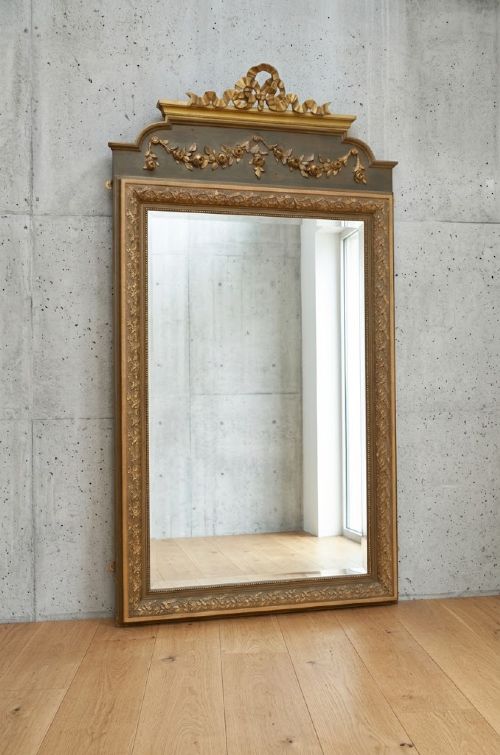
- A decorative wall mirror or panel featuring a painted scene or artwork set into the upper section of the wooden frame. These tall architectural pieces originated in French interiors.
- Gesso
- A plaster-like mixture applied to wood frames to create a smooth surface for gilding or painting. Artisans carve intricate relief designs directly into this dried foundation.
Wood Framed Painting: Frequently Asked Questions
How do I date a wood framed painting?
Dating relies on examining the construction methods of the timber frame alongside the style and pigments of the artwork itself. Joinery techniques and wood species often provide clear clues to the period of origin.
Secondary indicators include framer labels, stretcher construction, and backing materials which change noticeably between the 18th, 19th, and 20th centuries.
Were frames made for the paintings?
Many paintings retain their original frames, designed specifically by the artist or contemporary framers to complement the scale and palette of the work. Matching the timber type and wear patterns helps confirm this original pairing.
Other pieces were reframed during subsequent stylistic revivals, reflecting the changing interior tastes of later owners.
How do I care for a wood framed painting?
Keep these pieces away from direct sunlight, heating vents, and damp environments to protect both the wooden frame and the delicate paint surface. Stable humidity prevents the wood from warping and canvas or panels from cracking.
Dust the frame gently with a dry, soft brush and avoid using chemical cleaning products on the gilded or painted timber.
What subjects are most common?
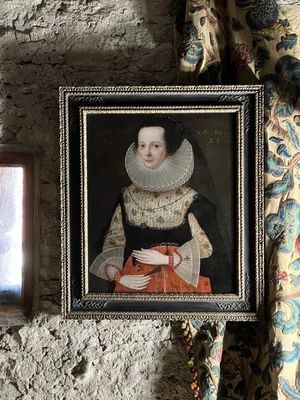
Portraits dominate the earlier centuries, ranging from noble figures to detailed studies of children and gentlemen by regional schools. Landscapes, marine scenes, and floral still lifes become increasingly prevalent in the 19th and 20th centuries.
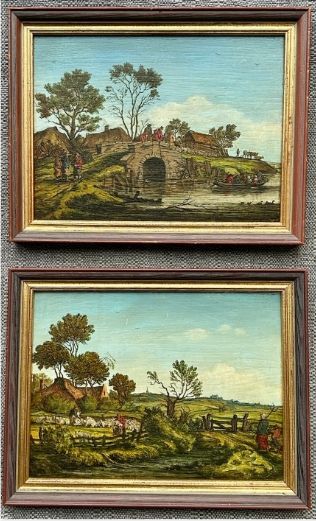
Botanical watercolours and pastoral views also appear frequently, reflecting domestic collecting habits of the Georgian and Victorian eras.