

Wood Framed Landscape Painting
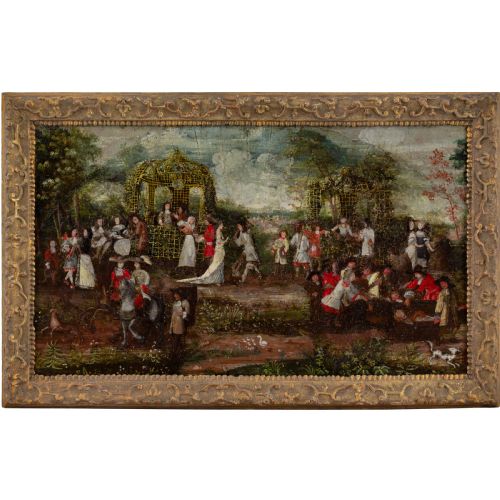
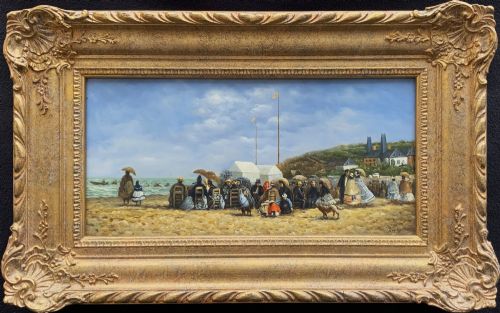
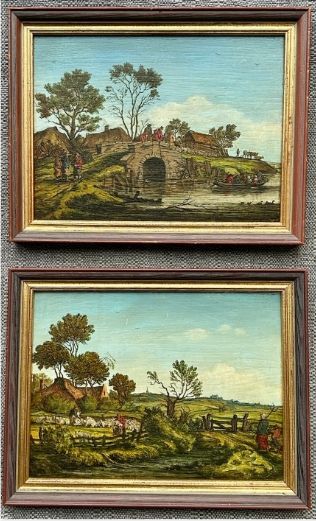
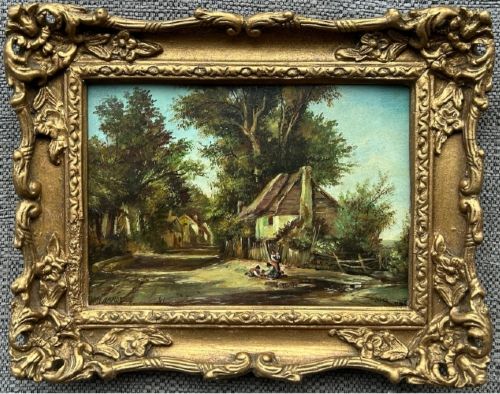
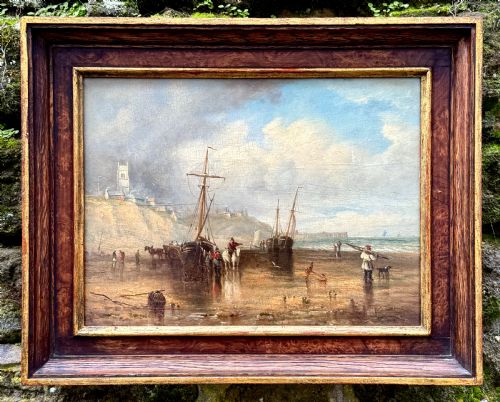
When you search for wood framed landscape painting, you find works set in wood surrounds that capture fields, rivers and coastlines.
Wood Framed Landscape Painting
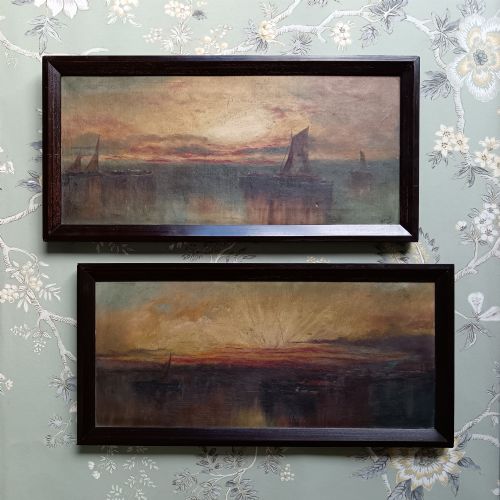
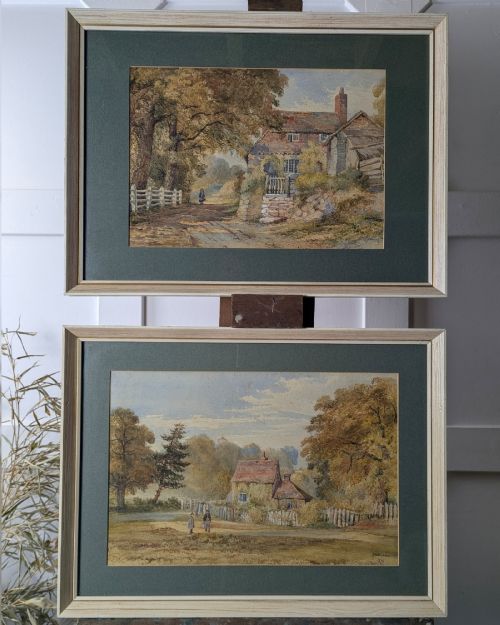
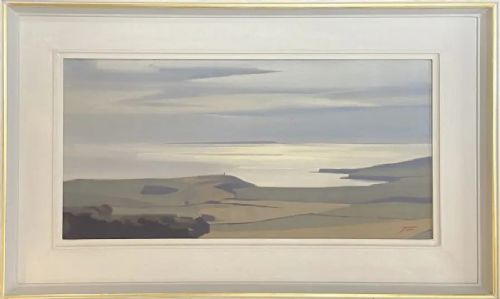
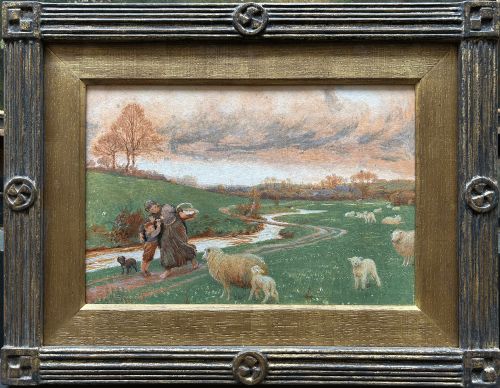
A wood framed landscape painting presents scenes of natural scenery, rivers, woodlands and coastlines enclosed within a timber moulding. This category spans traditional pastoral views, marine settings and pastoral watercolours housed in period surrounds.
The selections encountered here range from nineteenth-century oils on canvas and wood panels to twentieth-century watercolours and board paintings. Many pieces retain their original timber or gilt wood mouldings, reflecting the aesthetic choices of the Victorian, Edwardian and mid-century eras.
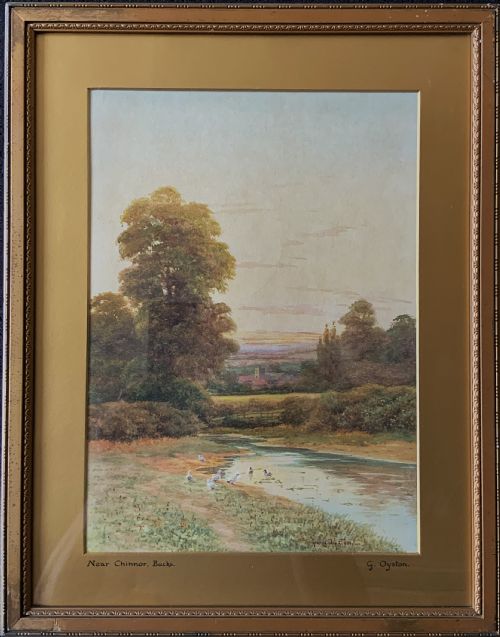
Makers and artists represented across these listings include named British and European painters such as Thomas Creswick, George Oyston and Hubert Wellington. Works vary from intimate panel studies to large-scale framed canvases depicting specific geographical locations.
How they were made
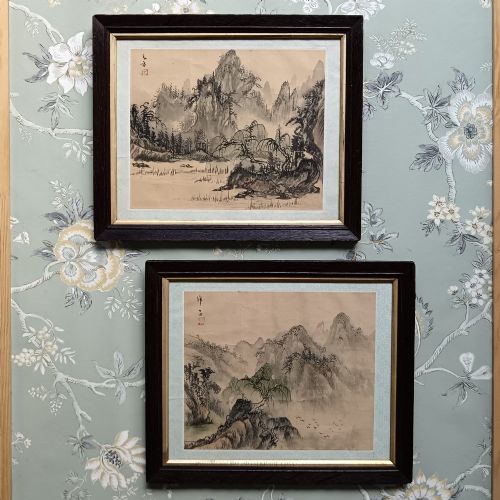
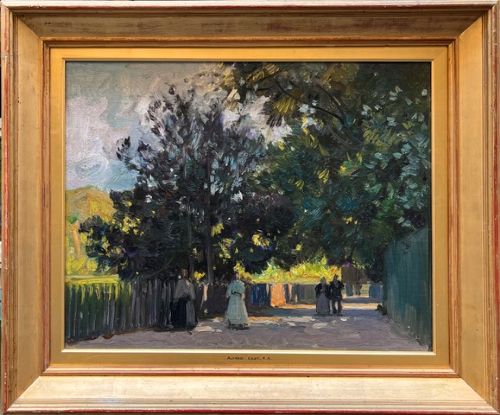
Artists painted primarily with oil paint on stretched canvas, wood panels or boards, while others utilised watercolour, gouache and ink on paper or silk. The application of pigment relies on brushwork ranging from smooth academic blending to expressive Impressionist dabs.
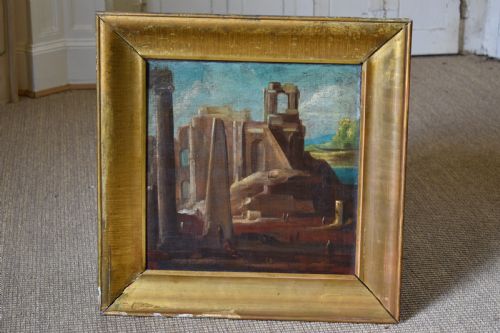
Surrounds utilise solid wood, gilt wood, and glass to protect the painted surface. Frames were constructed using traditional joinery techniques, often finished with gesso and gold leaf or left as polished timber to complement the artwork.
Several artists painted chilly winter scenes featuring bundled figures gathering firewood.
What varies in quality
Quality rests in the skill of the brushwork, the handling of light and perspective, and the preservation of the painted surface. Superior examples demonstrate confident draughtsmanship and atmospheric depth that capture the specific character of a location.
The integrity of the frame matters equally, with original period surrounds holding greater significance when they complement the era and scale of the artwork. The harmony between the painting technique and the timber moulding defines the overall success of the piece.
R Leyton·W Klombeck·William Howard Hardy·B Nash·Robert A Nottingham·Thomas Creswick·Lucy Pratt·James Fry·Frederick Walker·Peter Newcombe·George Oyston·Sir Alfred East·Charles Hunt·John Moore of Ipswich·Stuart Walton·Florence Adelina Hess·Paul Elie Gernez·T Bergman·Sydney Yates Johnson·Hubert Wellington·Paul Jean Anderbouhr·Lionel Horsnell·Gaston Cornil·Joseph Edward Hennah·Jean Baptiste Olive
The Wood Framed Landscape Painting Glossary
- Oil on canvas
- Pigment suspended in a drying oil applied to a woven fabric support stretched over a wooden frame. This medium allows for rich colour blending and textured brushstrokes.
- Wood panel
- A flat piece of timber utilised as a rigid support for painting. Panels offer a stable surface that prevents the cracking often seen on aged canvas.
- Gilt wood
- Carved timber treated with a thin layer of gold leaf or metallic powder. This finish adds reflective brilliance to picture frames.
- Watercolour
- Paint consisting of colourants suspended in a water-soluble binder applied to paper. It produces translucent washes of colour.
- Diptych
- An artwork consisting of two distinct painted panels or sections presented together. The pairing creates a unified narrative or balanced composition.
Wood Framed Landscape Painting: Frequently Asked Questions
How do I care for a wood framed landscape painting?
Keep the artwork away from direct sunlight and steady temperature fluctuations to protect the canvas and timber frame. Dust the frame gently with a dry, soft cloth and avoid applying liquid cleaners to the painted surface.
Ensure that the hanging wire and wall fixings are secure to support the weight of the wood surround. Consulting a professional conservator is recommended if the canvas requires tensioning or cleaning.
Are these paintings in their original frames?
Many listings retain their original period wood or gilt surrounds, which show the wear and patina expected of their age. Some pieces have been reframed later to suit changing interior tastes.
Checking the fit and backing of the frame helps determine whether it has remained with the artwork since its creation. Original frames often display corner joinery and finishing techniques specific to their period of origin.
What subjects appear in these landscapes?
The subjects include pastoral river scenes, woodland interiors, coastal cliffs and marine views with sailing vessels. Artists often recorded specific British and European locations, from Welsh valleys to French market squares.
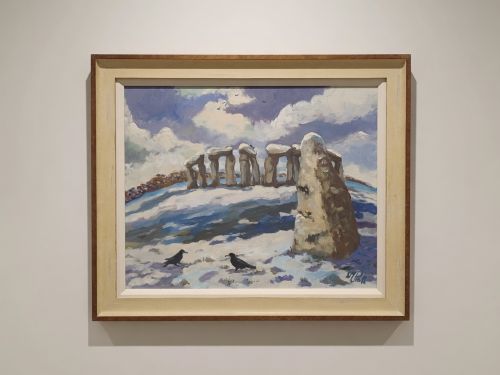
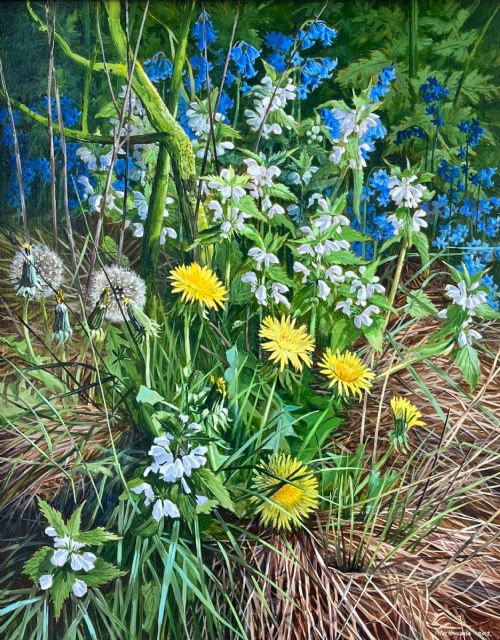
Some works capture seasonal changes, such as frozen winter landscapes or sunlit spring hedgerows. These depictions range from topographical records to atmospheric interpretations by Impressionist painters.
How can I tell the period of a landscape painting?
Dating relies on the style of the brushwork, the pigments used, and the construction methods of the wood frame. Victorian and Edwardian works often feature detailed realism or early British Impressionist techniques, while mid-century pieces display looser brush application.
Signatures, artist dates, and exhibition labels on the reverse provide reliable clues to the exact era. Comparing the framing style with known period mouldings further assists in confirming the date of creation.