


William IV Glass
These pieces of william iv glass bring tactile weight and deep colour to a room, combining heavy metal oxides with sturdy forms.
William IV Glass
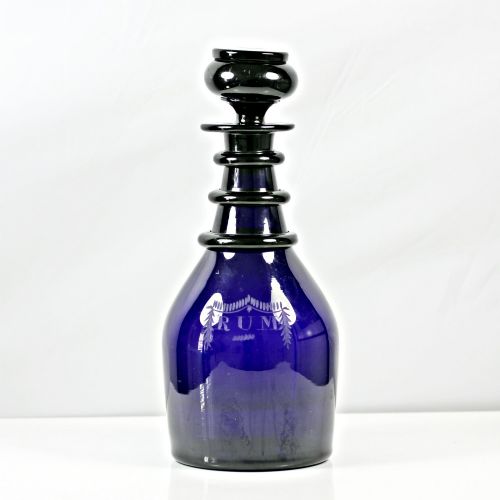
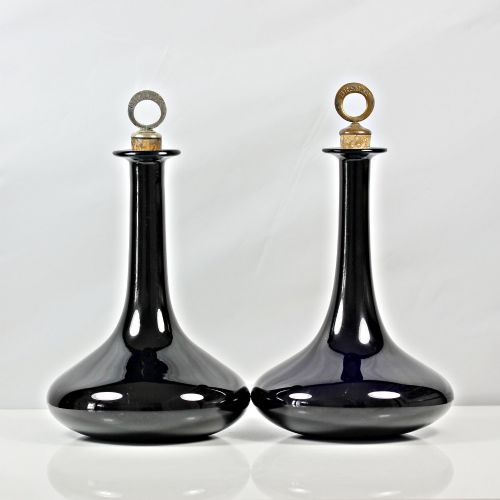
The aesthetic sits firmly between the restrained elegance of the Georgian era and the ornate tendencies of the early Victorian period. You will frequently encounter rich blue and green tones alongside heavy crystal cut with broad flutes or distinct rings.
Making and Material
Makers shaped these objects using mouth-blowing techniques into iron or wooden moulds, producing thick walls designed to withstand daily use. Artisans then finished many pieces by hand, adding wheel-cut facets, engraved bands, or applied glass rings around the necks of decanters.
Coloured glass derived its striking hues from metallic oxides added directly to the molten batch, creating deep cobalt blue and vibrant green shades. Lead crystal provided the clarity and heft required for deep cutting.
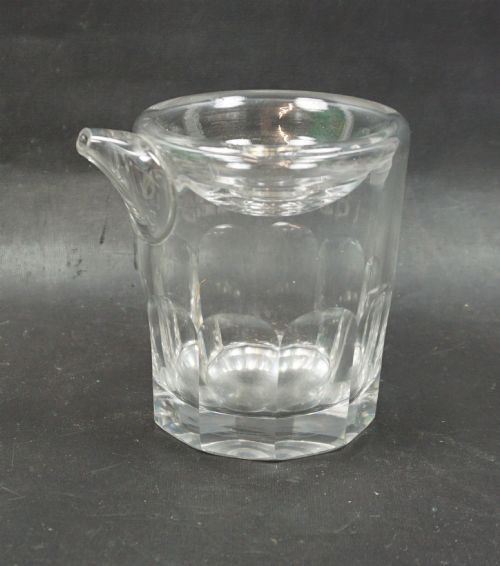
Glass feeding cups from this era doubled as practical vessels for administering liquid nourishment to invalids.
Judging Quality
Quality rests upon the precision of the cutting and the depth of the metal itself. Superior examples display crisp, sharp facets that catch the light evenly without soft edges or surface ripples in the glass.
Weight serves as a reliable indicator of substance, particularly in drinking vessels and decanters where thicker walls signify better material density. The richness and uniformity of any applied colour further separate standard utilitarian items from finer examples.
Ciceri and Co·W Harris·George Stebbing·Henry Manton·Barnard Brothers·Gillows
The William IV Glass Glossary
- Rummer
- A large, heavy drinking glass with a short stem and a capacious bowl, commonly used for ale, wine, or punch during the period.
- Mell decanter
- A mallet-shaped bottle with a flat base and tapering sides, designed to sit securely on ship or dining room tables.
- Bristol blue
- A deep cobalt-coloured glass traditionally associated with West Country production centres and prized for its rich tone.
- Hobnail
- A decorative pattern of raised points cut into the glass surface, resembling the iron studs on heavy boots.
William IV Glass: Frequently Asked Questions
Can I use these decanters today?
These vessels remain fully functional for serving wine, spirits, or water at the table. Ensure you check the interior for any stubborn residue before filling.
Store them upright when empty, and avoid leaving liquids inside for extended periods to protect the inner walls from staining.
How do I spot a reproduction?
Examine the base for signs of genuine wear, such as soft, irregular scratches rather than uniform machine grinding. Authentic pieces often display tiny air bubbles and minor imperfections within the material.
Modern replicas generally feel lighter and lack the deep refractive quality found in period lead crystal.
Where were these pieces displayed?
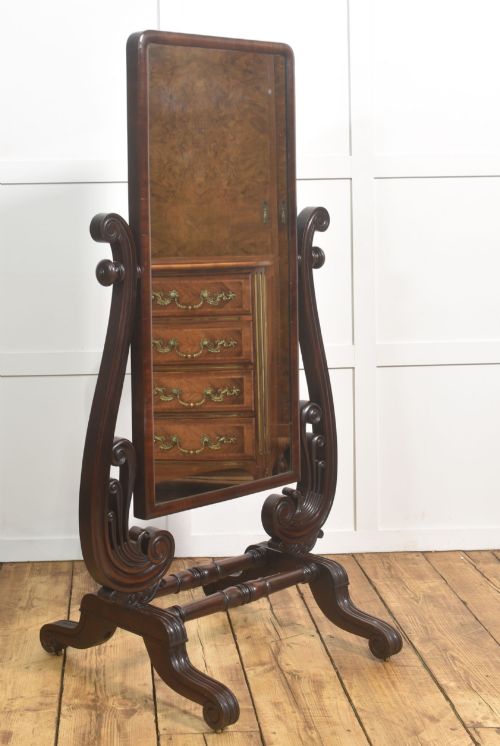
Owners typically kept serving vessels and decanters on mahogany sideboards, serving tables, or within specialised cellarets. Coloured pieces added bright accents of tone to dark wood furniture.
Smaller items like feeding cups or condiment pots remained tucked away in cabinets until required for dining or nursery use.