



Regency Blue Glass
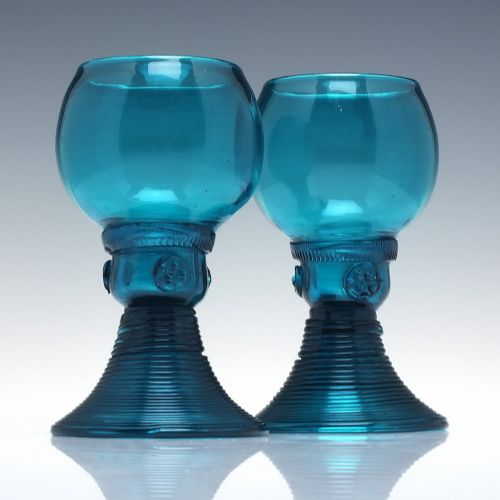
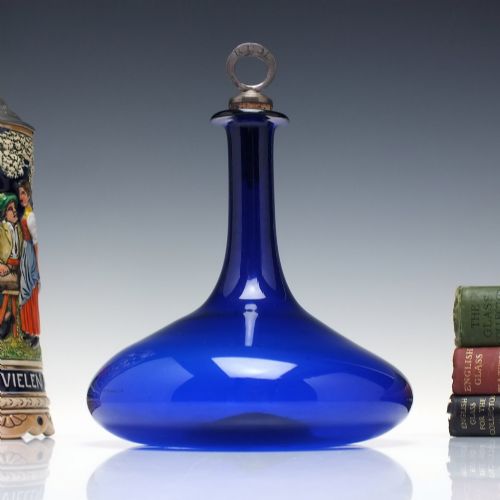
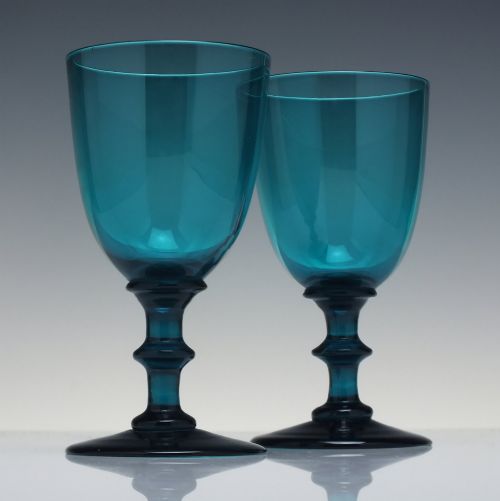
Regency blue glass offers the collector rich cobalt, peacock and turquoise tones across decanters, wine glasses and mirrors.
Regency Blue Glass
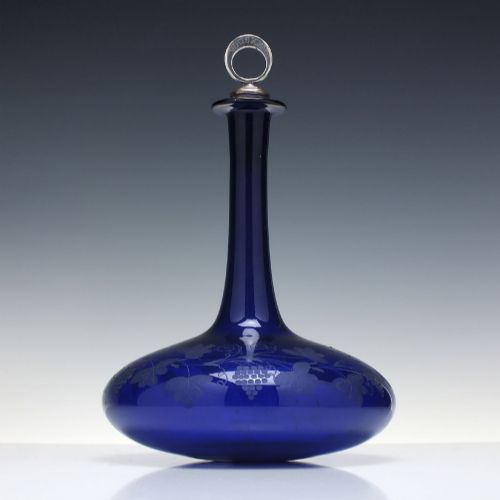
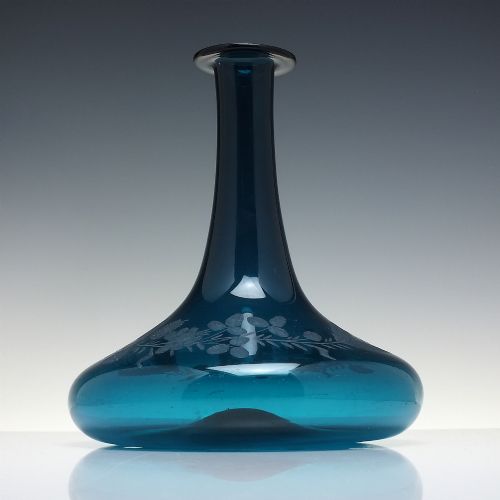
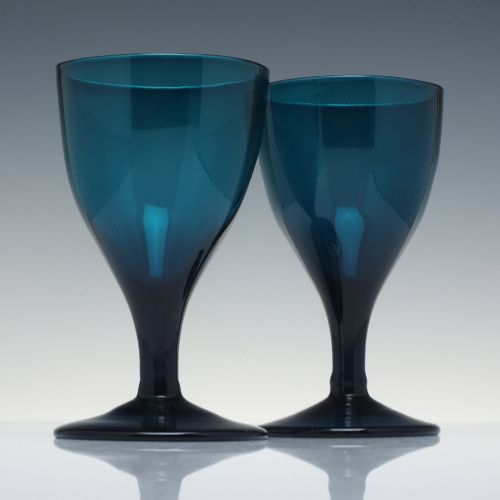
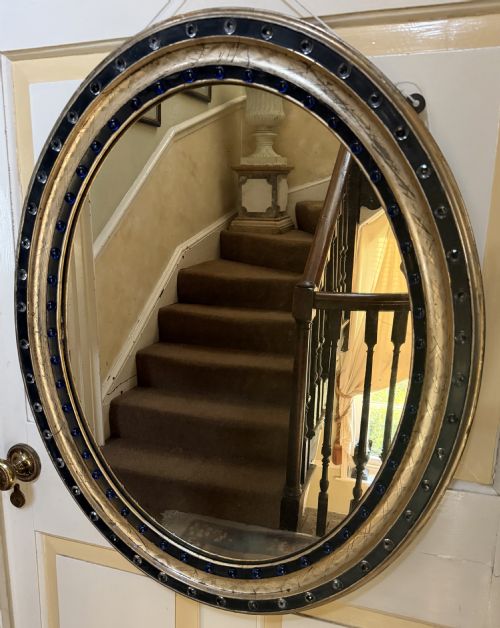
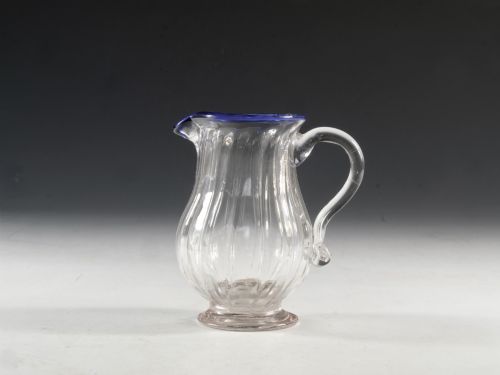
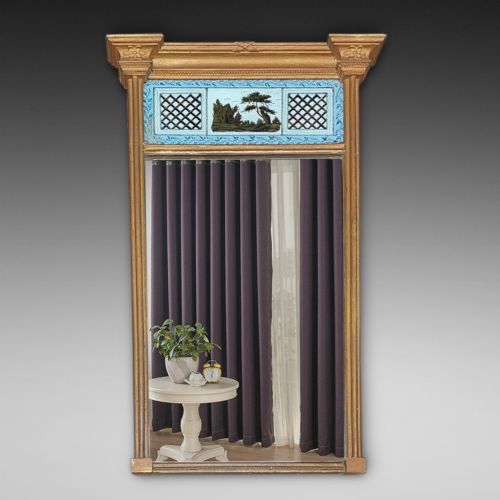
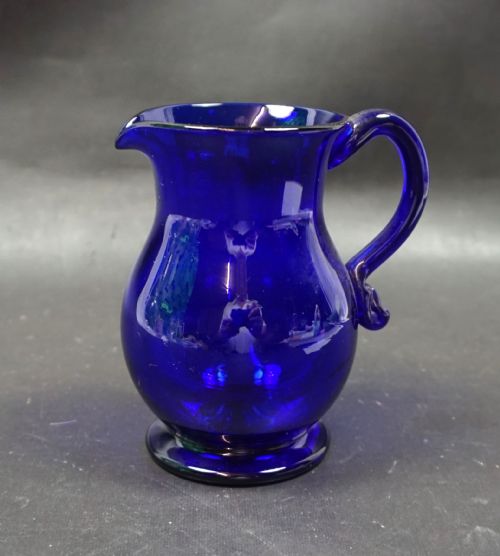
When you search for regency blue glass, you encounter functional tableware and decorative items shaped during the Georgian and Regency periods. The selection on this page centres on wine glasses, decanters and cream jugs alongside mirrors and rings set with blue glass cabochons.
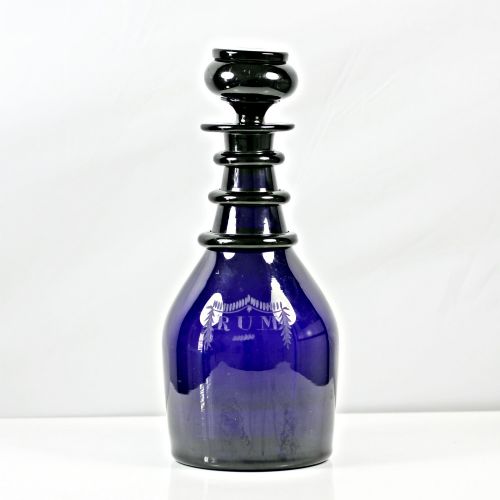
The objects span late eighteenth-century origins through to nineteenth-century Irish and William IV examples. Mell decanters and three-ring rum decanters appear alongside pairs and sets of wine glasses in deep shades.
Vessels often feature intense cobalt or peacock hues, whilst smaller items incorporate blue rims or mirror glass elements. This variety reflects the diverse domestic uses of coloured glass during the early nineteenth century.
Materials and construction
Makers utilised lead glass and cobalt glass, shaping vessels through free-blowing and mould-blowing techniques. Many pieces combine deep blue glass with applied elements such as gold leaf, brass and silver-gilt framing.
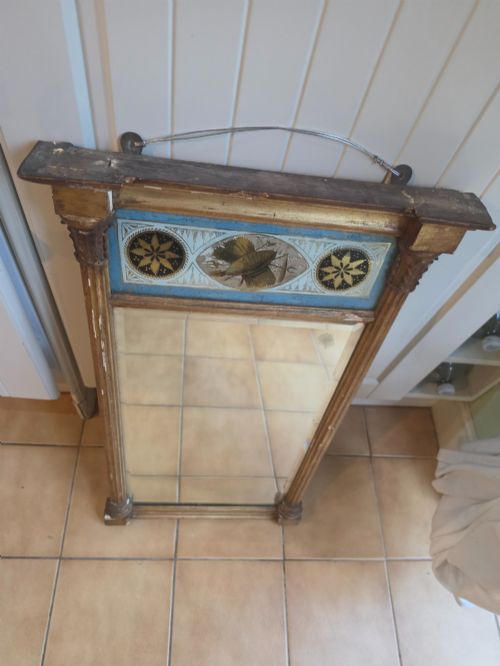
Mirrors and vanity cases incorporate mirror glass, verre eglomise and ebonised wood alongside blue glass cabochons. Rings integrate blue glass paste or rose-cut diamonds and pearls set in gold and silver.
Regency Blue Glass Retail Price Guide 2026
Typical asking prices for regency blue glass among the pieces listed under this phrase on Sellingantiques today, from the lower quarter to the upper quarter. They describe what is for sale here now, not the wider market.
Listings feature items spanning the Georgian period, Regency era, 19th Century and William IV, executed in glass, gold leaf, brass and mirror glass.
Assessing quality
Quality rests in the depth and uniformity of the blue colouration within the lead glass. Fineness of cut and the crispness of applied gilding or hand-painted details elevate individual decanters and wine glasses.
The integrity of secondary materials, from gilder's work on pier mirrors to silver-gilt mounts on framed glass, distinguishes standard domestic items from more ambitious decorative pieces.
Edward Bird·Henry Ricketts·Wedgwood
The Regency Blue Glass Glossary
- Mell decanter
- A mallet-shaped decanter used for serving wine or spirits. These vessels typically feature heavy lead glass construction suited to early nineteenth-century dining.
- Verre eglomise
- A traditional technique of applying gold or silver leaf to glass alongside painting. This method creates reflective, ornate borders on Regency mirrors.
- Cabochon
- A polished gem or glass cut in a convex form without facets. These smooth stones frequently decorate nineteenth-century frames and jewellery.
- Paste
- Hand-cut and polished glass used to imitate gemstones. Georgian jewellers set blue paste into rings alongside precious metals.
- Three ring decanter
- A spirit bottle featuring three distinct glass rings applied around the neck. These rings provided a secure grip for pouring.
Regency Blue Glass: Frequently Asked Questions
What is regency blue glass?
Regency blue glass encompasses tableware and decorative objects produced in deep cobalt, peacock and turquoise shades during the late Georgian and Regency eras. These items include wine glasses, decanters, cream jugs and mirrors.
The glass often utilises lead formulations to achieve heavy, resonant vessels that reflect light intensely through their rich colour.
How were blue decanters used?
Decanters served to store and pour wine and spirits on dining tables and sideboards during the eighteenth and nineteenth centuries. Mell and three-ring forms held contents securely for evening hospitality.
The deep blue hue helped protect light-sensitive contents whilst adding a striking visual element to the formal dining room.
How do I date these items?
Dating relies on stylistic markers such as decanter shapes, ring configurations and associated framing materials like giltwood or ebonised wood. Objects span late eighteenth-century origins to the William IV period.
Comparing manufacturing techniques and colour saturation helps place pieces within the Georgian and Regency timelines.
How do I care for blue glass?
Care requires gentle hand washing in lukewarm water using mild detergent to protect surface gilding and fragile lead glass structures. Avoid sudden temperature changes to prevent thermal shock.
Store items away from direct sunlight and abrasive materials to preserve the integrity of the coloured glass and any applied metalwork.