


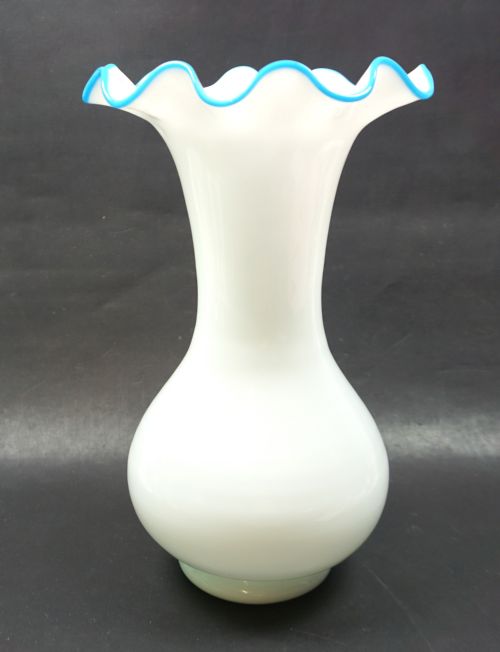
Antique Blue Glassware
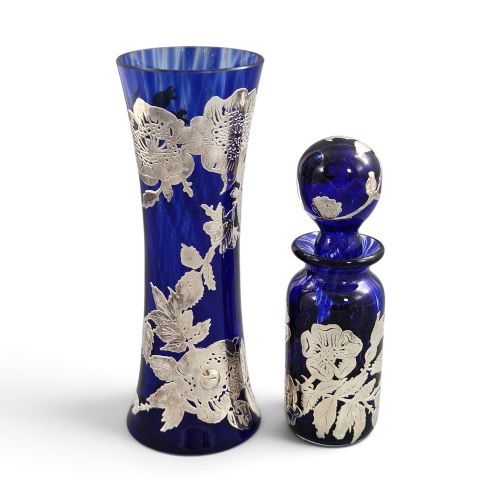
Antique blue glassware brings intense cobalt, turquoise, and opalescent tones to a room through decanters, vases, and tableware.
Materials and production techniques
Makers achieved the distinct coloration by introducing metallic oxides into the molten lead glass or standard glass batch. Artisans then shaped these materials using traditional methods such as free-blowing, mold-pressing, and cameo carving.
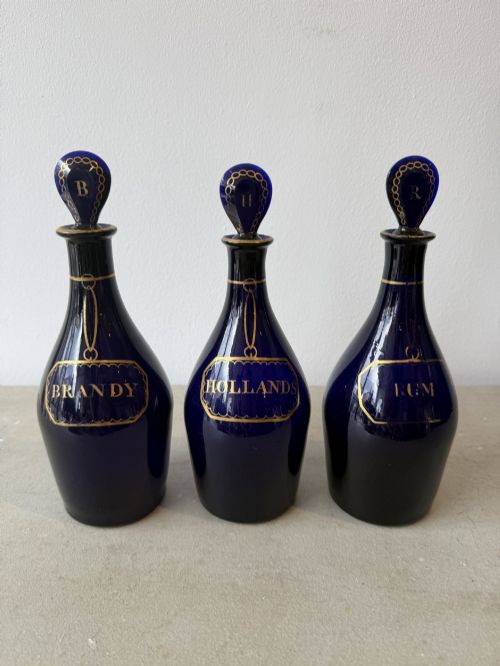
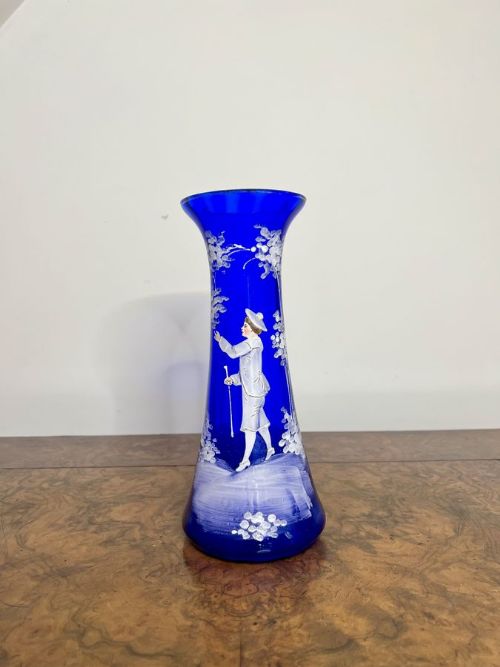
Many items receive additional surface decoration after initial formation. Techniques include hand-painting with enamel, intricate gold leaf gilding, and intaglio engraving to create textured surface details.
Distinctions in quality
Quality rests upon the depth and uniformity of the blue coloration within the glass matrix, alongside the crispness of moulded or cut details. Pieces with sharp facet cutting, smooth hand-finished rims, and well-preserved enamel or gilt decoration demonstrate superior craftsmanship.
Attribution to documented workshops or notable designers elevates a piece significantly. The precision of the chemical manipulation in opalescent and stained varieties also dictates the visual impact and refinement of the finished object.
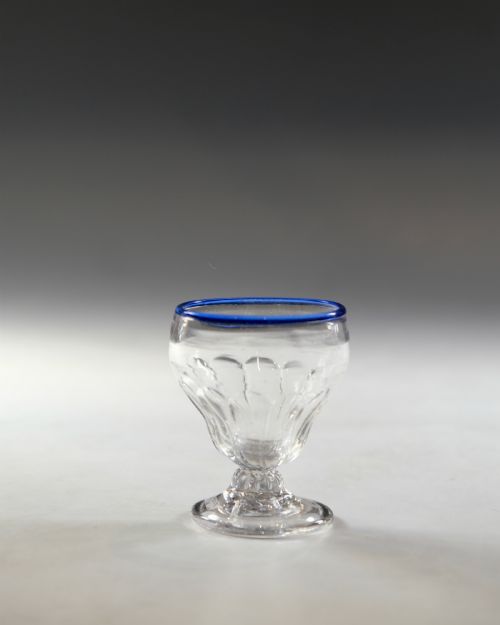
The listings feature pieces spanning the eighteenth century through the Art Deco period, utilising glass, opalescent glass, and enamel.
R Lalique·Baccarat·Fritz Heckert·Moser·Otto Prutscher·Galle·Davidson·Salviati
The Antique Blue Glassware Glossary
- Bristol blue
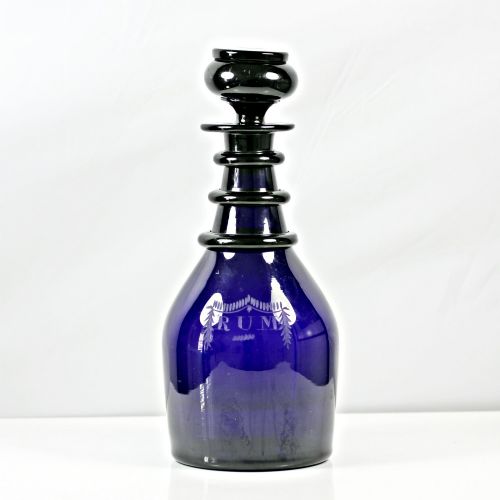
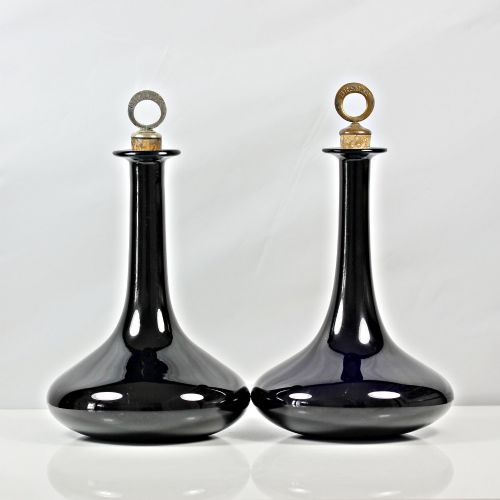
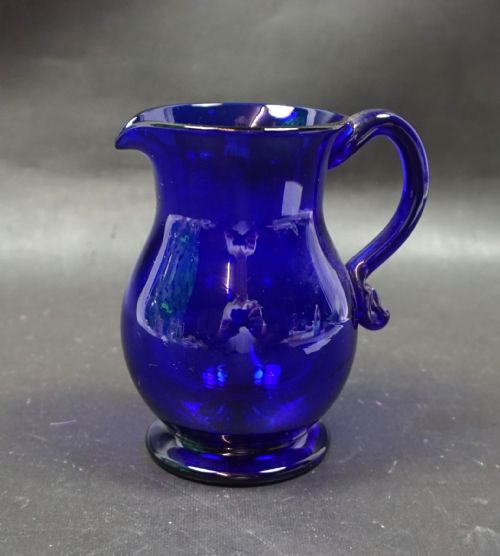
- A deep, rich cobalt blue glass traditionally associated with English glasshouses in the Bristol area during the Georgian and Victorian eras. It frequently appears on decanters, cream jugs, and finger bowls.
- Opalescent glass
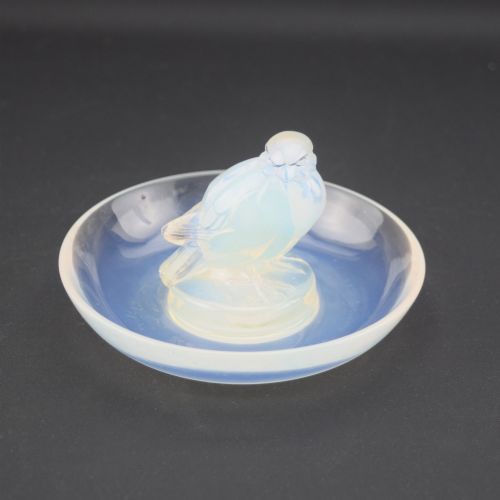
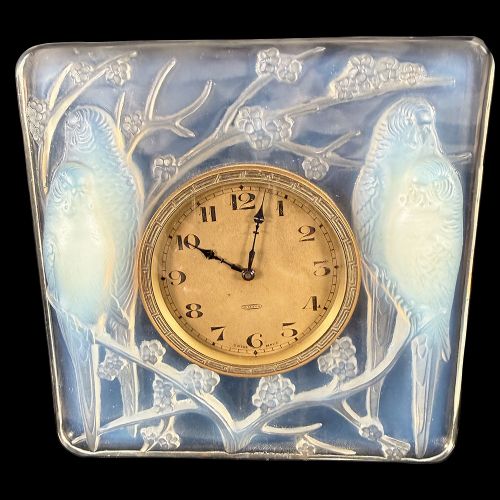
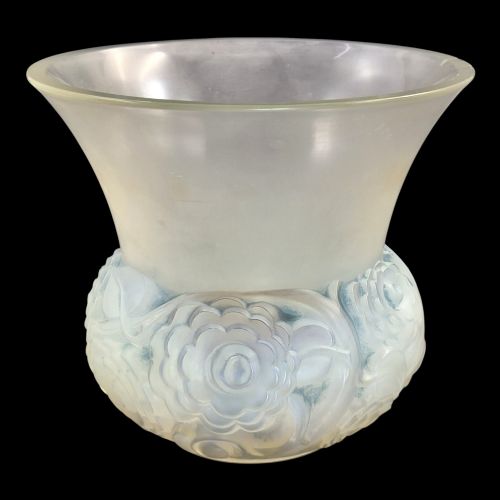
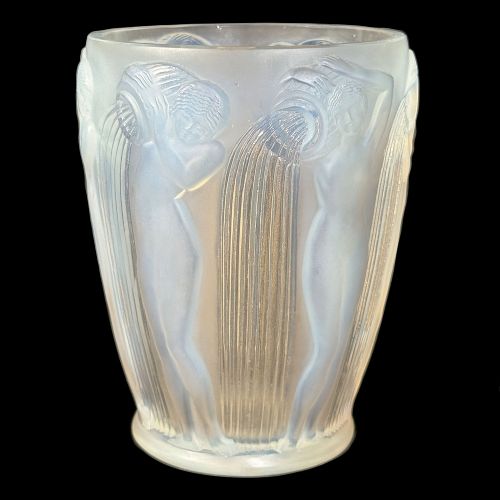
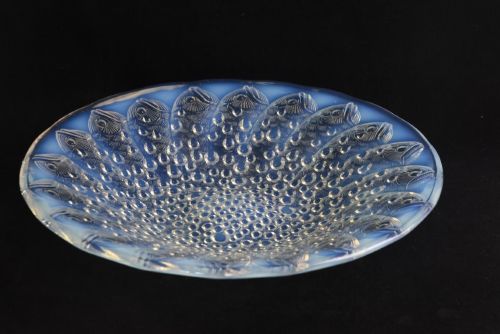
- A type of glass that appears milky or translucent with a pearly quality, often catching blue or amber highlights when struck by light. It became a hallmark of Art Deco design, particularly through French mold-pressed production.
- Intaglio
- A technique where a design is incised or engraved into the surface of the glass rather than carved in relief. This creates a sunken motif that catches light from behind.
- Wrythen
- A decorative spiral pattern twisted into the body of the glass while hot. It creates a subtle optical movement across tableware like egg cups and decanters.
- Cameo glass
- An ancient technique revived in the nineteenth century involving multiple layers of contrasting glass fused together and carved away. The outer layer forms raised opaque designs against a coloured background.
Antique Blue Glassware: Frequently Asked Questions
How do I identify genuine Bristol blue glass?
Genuine eighteenth and nineteenth-century Bristol blue items typically display a deep, saturated cobalt hue achieved through cobalt oxide. They often exhibit pontil marks on the base from hand-blowing.
Examine the weight and clarity of the metal, as older pieces often contain lead and show minor surface wear appropriate to their age.
What is opalescent Art Deco glassware?
Opalescent glass contains chemical agents that create a milky, translucent quality with shifting blue or amber highlights. French makers popularized moulded versions featuring motifs like birds, figures, and botanical elements.
These pieces rely on changing light to reveal depth and contrast across their frosted surfaces.
How should I clean antique glass?
Wash antique glass gently by hand using lukewarm water and mild detergent. Avoid abrasive sponges or harsh chemicals that can damage enamel work or gilt details.
Dry the pieces immediately with a soft, lint-free cloth to prevent water spots on delicate surfaces.