

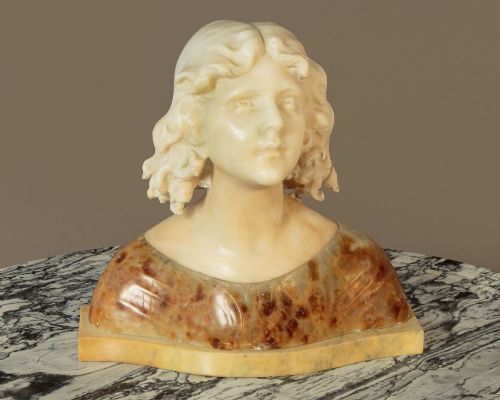
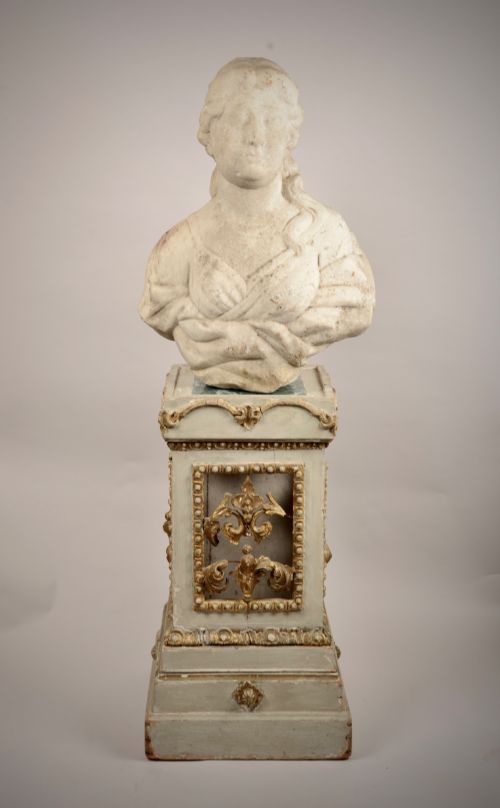

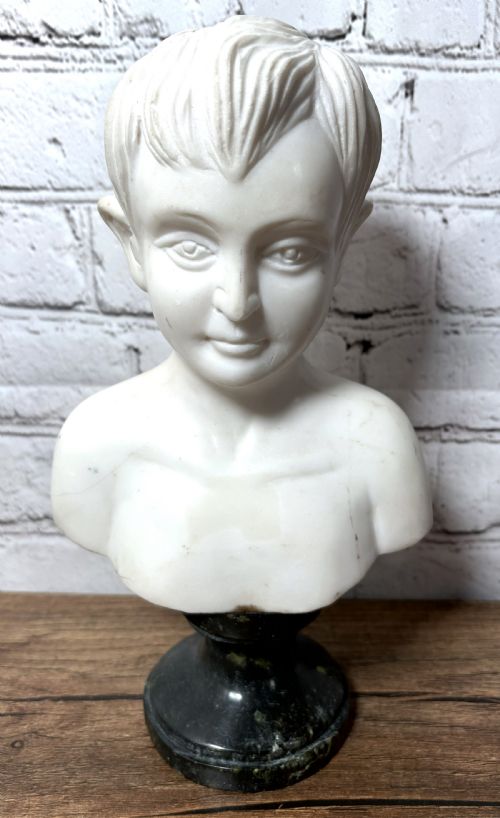


White Stone Bust Figure
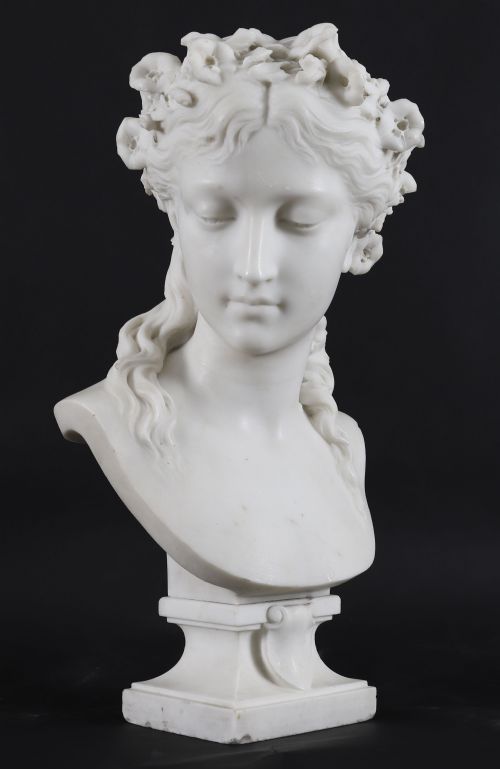
A white stone bust figure captures classical form and portraiture, bringing carved neoclassical and turn-of-the-century presence to a room.
White Stone Bust Figure
A white stone bust figure presents sculpted likenesses of classical muses, historical figures, and anonymous youths across the nineteenth and early twentieth centuries. These pieces draw on Neoclassical, Victorian, and Arts and Crafts traditions, translating subjects from Greek mythology and literature into solid form.
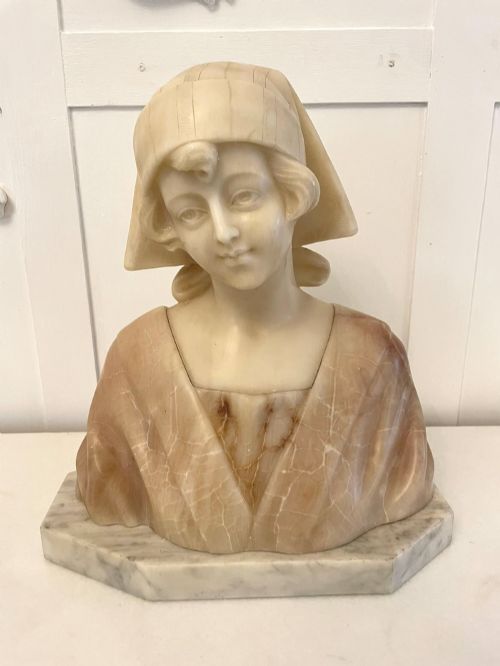
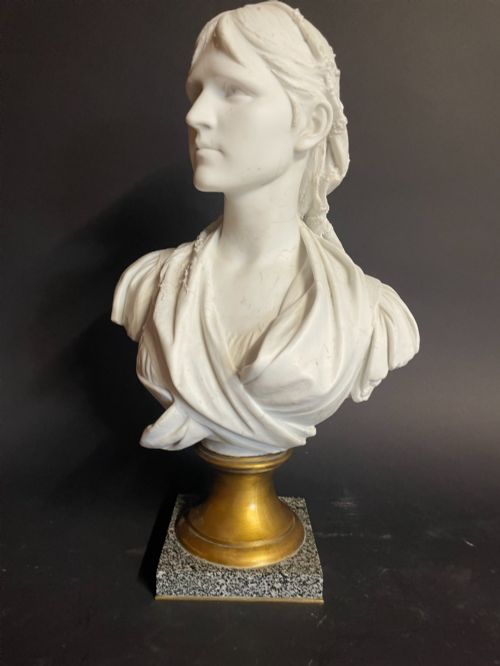
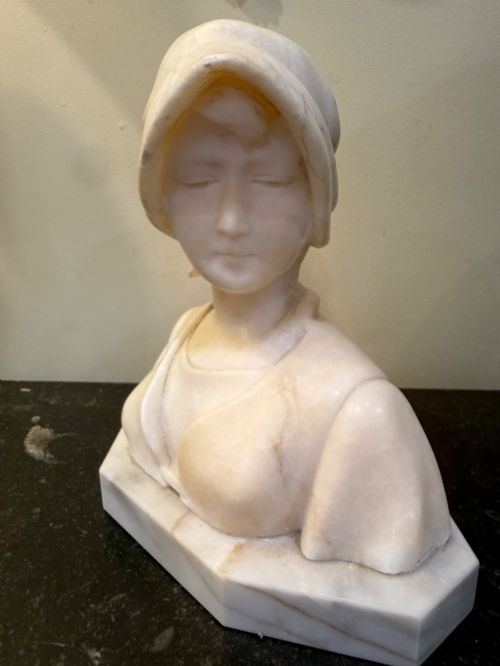
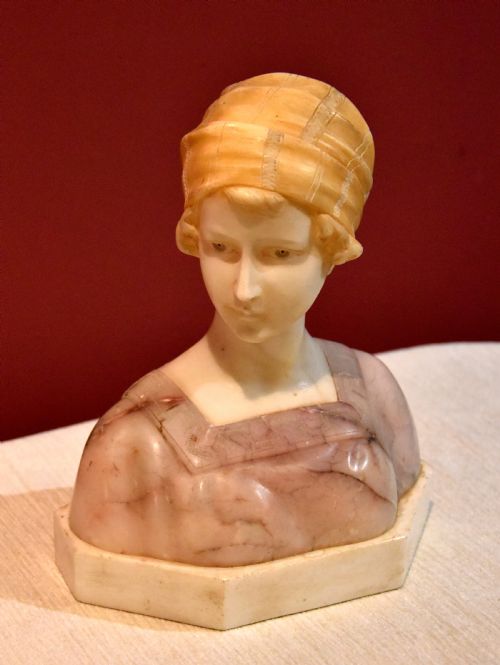
The version most commonly met on this page is the carved marble or alabaster portrait, often originating from Italian or French workshops and dating from the middle to the late nineteenth century. These sculptures range from intimate library pieces to larger Grand Tour figures intended for display.
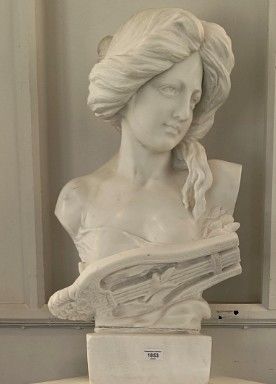
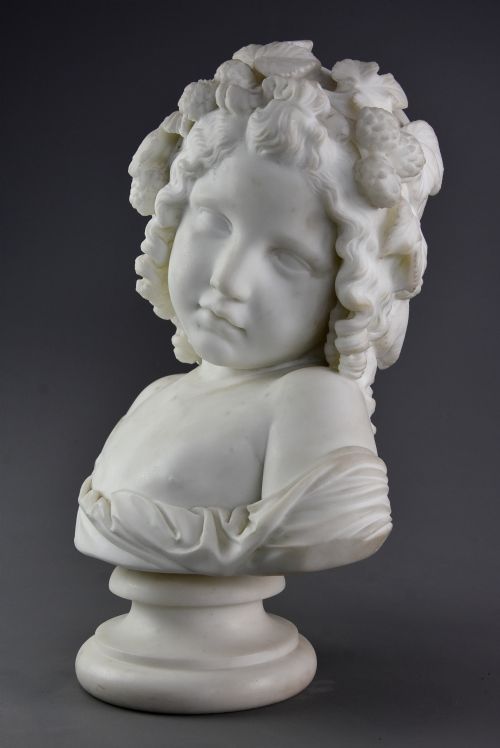
Makers and sculptors frequently rendered young women, gentlemen, and children with distinct regional styling, employing materials like Carrara marble to echo classical antiquity. Such works reflect the enduring nineteenth-century appetite for portrait sculpture and idealized classical grace.
What varies in quality
The refinement of the carving distinguishes superior examples, particularly in the handling of facial expression, hair texture, and the delicate folds of drapery. Master carvers achieved a lifelike softness in stone, whereas lesser pieces remain stiff and formulaic in execution.
Material selection also defines the tier of the piece, with flawless Carrara marble and fine-grained alabaster commanding greater sculptural depth than coarse or heavily repaired stone. The presence of a signature or attribution to a known workshop elevates the historical standing of the work.
Listings feature white stone bust figures carved from Carrara marble, alabaster, and granite, spanning the nineteenth and early twentieth centuries.
Eugene Aizelin·Auguste Henri Carli·Joseph Gott·R. Lusili·Auguste Moreau·Pugi
The White Stone Bust Figure Glossary
- Carrara marble
- A type of white or blue-grey marble from the city of Carrara in Italy, prized by sculptors for its fine, uniform grain. It served as the primary material for classical and neoclassical portrait busts throughout the nineteenth century.
- Alabaster
- A fine-grained, translucent stone that is softer than marble, making it well-suited for detailed carving. Victorian and Edwardian workshops frequently utilised it for intimate female portrait figures and lamps.
- Neoclassical
- A style spanning the eighteenth and nineteenth centuries that drew inspiration from the art and culture of classical antiquity. Busts in this manner often portray Greek deities, muses, or historical figures in formal dress.
- Grand Tour
- A traditional trip of Europe undertaken by upper-class young European men of the eighteenth and nineteenth centuries to accumulate art and antiquities. Busts acquired on these journeys often found their way into British country houses.
- Library bust
- A smaller-scale portrait sculpture designed specifically to sit upon bookshelves or library desks during the Victorian and Edwardian periods. These pieces frequently depicted literary figures, philosophers, or idealized youths.
White Stone Bust Figure: Frequently Asked Questions
Where were white stone bust figures displayed?
These sculptures typically occupied prominent positions in nineteenth-century drawing rooms, libraries, and hallways, often placed upon pedestals or wooden columns. Smaller examples sat directly on mantelpieces or bookshelf ledges.
Their classical subjects and neutral white tones allowed them to integrate easily into domestic interior schemes ranging from formal Victorian libraries to Edwardian studies.
How do I care for a marble or alabaster bust?
Dusting the stone regularly with a soft, dry cloth is usually sufficient for routine maintenance, avoiding harsh cleaning agents or excess water that can penetrate porous surfaces.
Alabaster is significantly softer than marble and dissolves slightly in moisture, meaning it requires particular care to keep it away from damp environments.
How can I tell the difference between marble and alabaster?
Marble is a hard, crystalline metamorphic rock that resists scratching and often displays grey or blue veining through a bright white body. Alabaster is a softer mineral form that can feel cooler and possesses a waxy, translucent quality.
Under careful observation, alabaster allows light to penetrate slightly beneath the surface, whereas marble remains more opaque.
What subjects are most common in these busts?
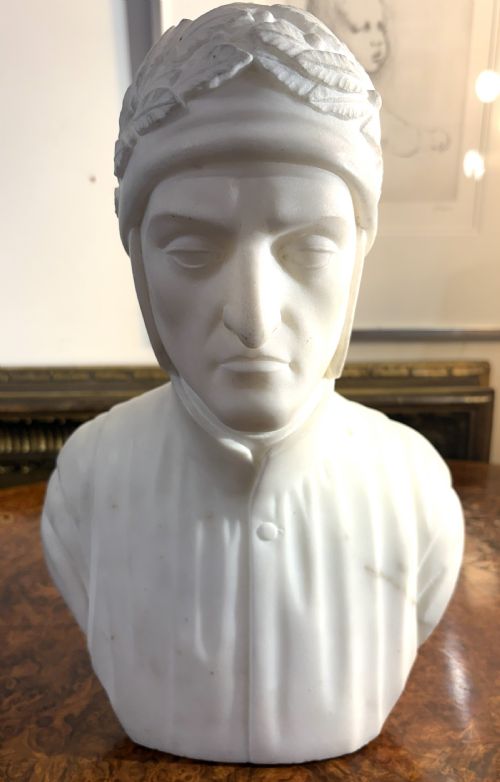
Portraits frequently depict figures from classical mythology, such as Greek muses and deities, alongside historical literary figures like Dante Alighieri. Nineteenth-century sculptors also turned out many idealized studies of young women, children, and gentlemen.
Orientalist figures and contemporary regional types, including Dutch girls or Grecian ladies, also appeared regularly in European workshops.