


White Pottery Jug
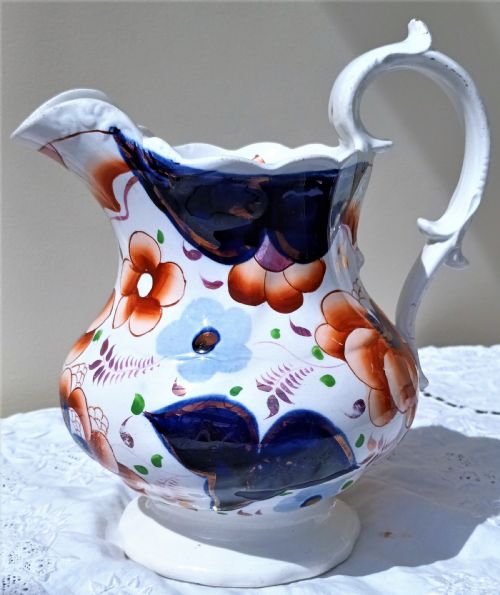
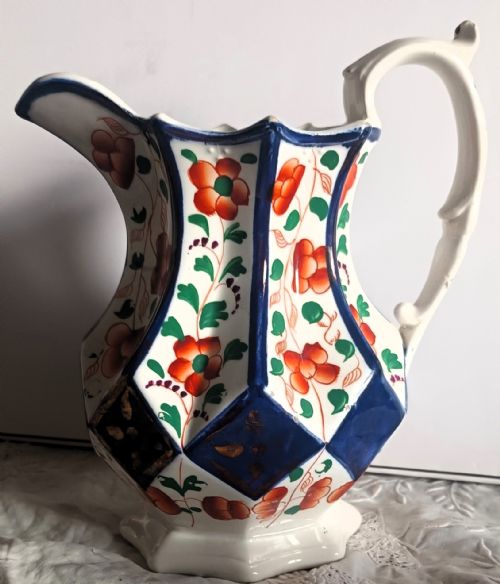
A white pottery jug brings tactile history to a table, offering everyday utility cast in tin-glaze, pearlware, and ironstone.
White Pottery Jug
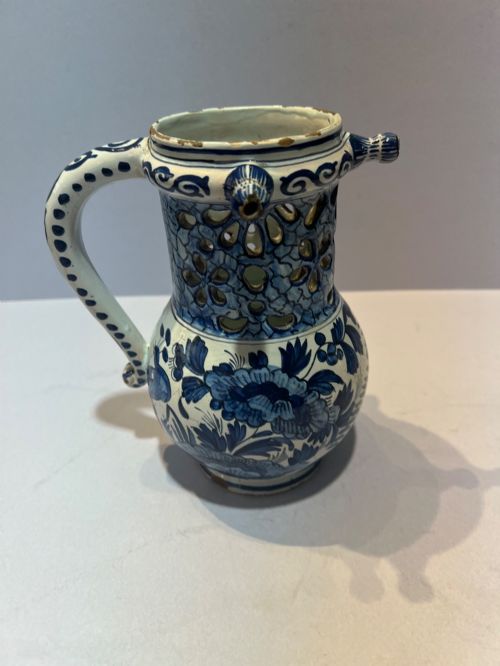
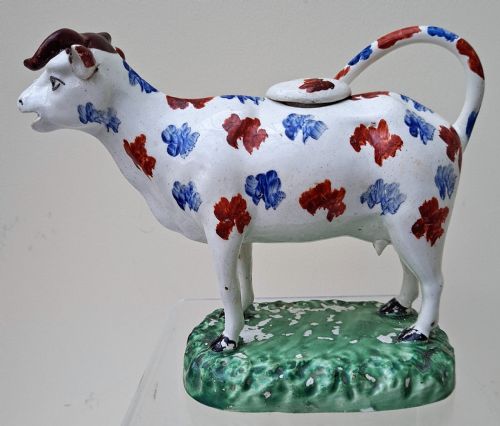
When you search for a white pottery jug, you encounter utilitarian and decorative vessels spanning the seventeenth century through the Victorian era. These pieces range from simple creamers and dairy jugs to large water ewers and elaborate puzzle jugs.
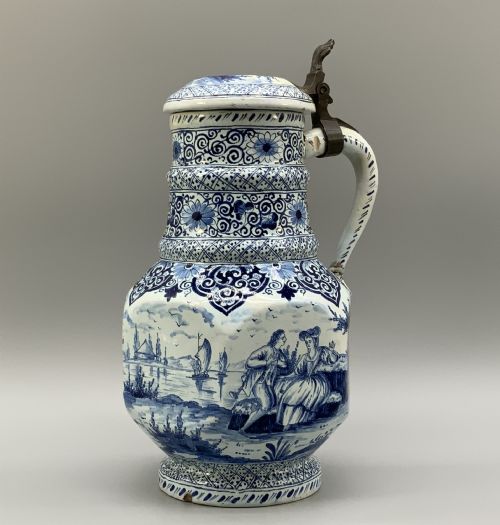
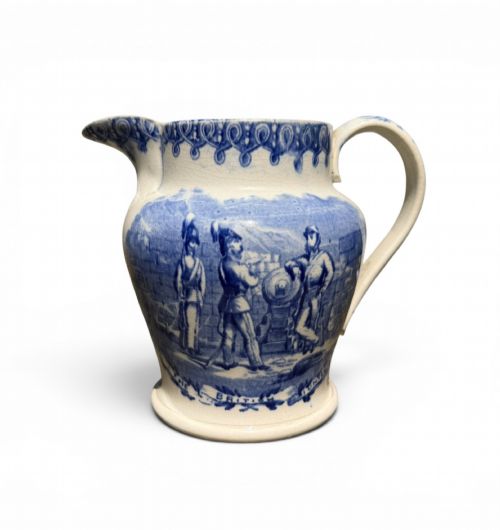
The selections available here rely heavily on English earthenware and Dutch delftware traditions, featuring classic forms like cabbage leaf moulding and transfer-printed scenes. Most examples date from the Georgian and Victorian periods, reflecting robust domestic production.
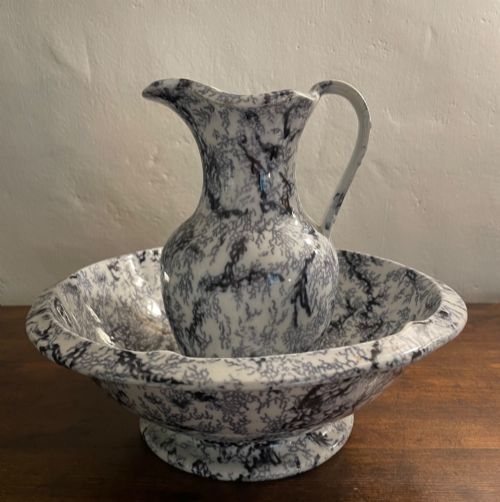
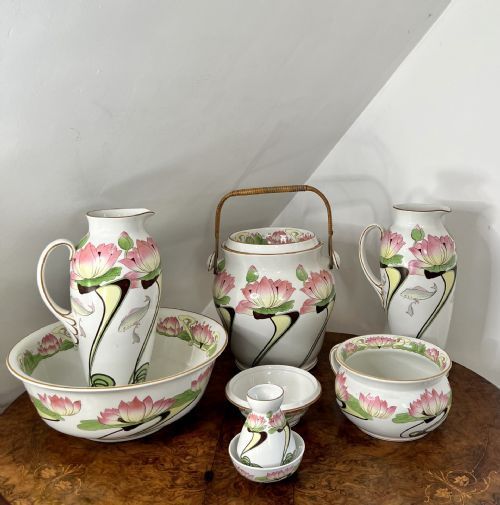
Makers utilised tin glaze, pearlware, and ironstone to achieve various shades of white and off-white bodies, often enhanced by blue and white decoration. These vessels served practical roles in kitchens and wash sets before becoming collector pieces.
How they were made
Potters shaped these vessels using earthenware and ironstone bodies, applying tin glaze or clear lead glazes to create smooth white surfaces. Relief moulding, such as cabbage leaf patterns, was achieved directly in the clay before firing.
Decoration involved cobalt blue hand-painting or transfer printing, executed under or over the glaze depending on the factory's technique. Lustreware finishes and enamel touches added metallic sheens and polychrome details to the fired ceramic.
The listings span earthenware, pearlware, and tin-glazed ceramic, representing centuries of domestic pottery tradition.
What varies in quality
Quality rests in the crispness of the moulded relief and the precision of the transfer print or hand-painted brushwork. Finer jugs exhibit thin, even walls and stable handles without heavy distortion from the kiln.
The clarity of the white glaze and the depth of cobalt pigments distinguish standard domestic output from superior factory productions. Pieces retaining well-preserved lustre or enamel details command closer attention from collectors.
Minton·Doulton Lambeth·Wedgwood·Doulton Burslem
The White Pottery Jug Glossary
- Pearlware
- A fine-grained earthenware developed in the late eighteenth century featuring a bluish-white glaze that pooled in recesses. It bridged the gap between creamware and true white porcelain.
- Tin-Glazed Earthenware
- Pottery covered in an opaque white glaze containing tin oxide, providing a smooth canvas for painted decoration. This technique underpins traditional delftware production.
- Ironstone
- A durable type of heavy ceramic patented in the nineteenth century to imitate porcelain. It resists chipping and forms robust jugs and wash sets.
- Puzzle Jug
- A vessel with a perforated neck and multiple spouts designed to trick the drinker into spilling liquid unless they covered hidden holes with their fingers.
White Pottery Jug: Frequently Asked Questions
How do I clean an old jug?
Wash the ceramic gently by hand using warm water and mild soap, avoiding harsh scrubbing brushes that might damage historic glazes.
Dry the piece thoroughly with a soft cloth and keep it away from direct sunlight or sudden temperature shifts.
Can I use these jugs daily?
Most antique earthenware and ironstone jugs are porous or carry delicate surface decoration that suffers from frequent washing and modern detergents.
Display them safely on shelves or tables rather than risking thermal shock or accidental chips during everyday use.
How do I date a white jug?
Examine the base material, weight, and glaze characteristics, comparing the potting style with documented patterns from periods like the Georgian or Victorian eras.
Maker marks, impressed ciphers, and specific transfer-printed views provide further clues to narrow down the decade of manufacture.
What is pearlware?
Pearlware is a refined earthenware body introduced by Staffordshire potters around seventeen-eighty to provide a whiter alternative to traditional creamware.
The subtle blue tint gathered in the crevices helps collectors identify this specific ceramic body beneath the glaze.