


White Porcelain Sauce Tureen
White porcelain sauce tureens bring eighteenth and nineteenth-century dining tables a crisp, classical elegance that elevates any formal service.
White Porcelain Sauce Tureen
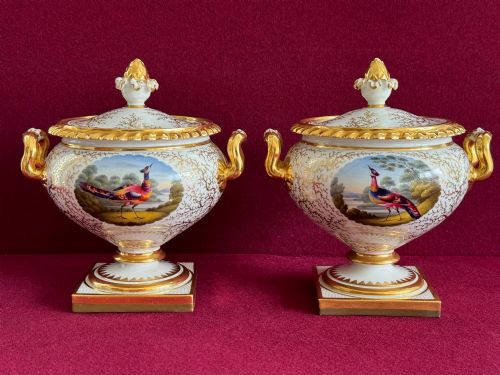
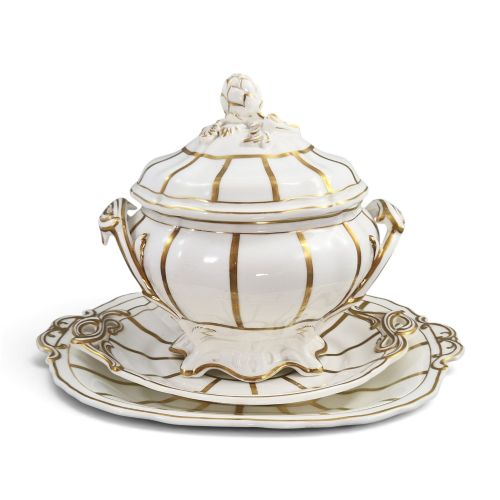
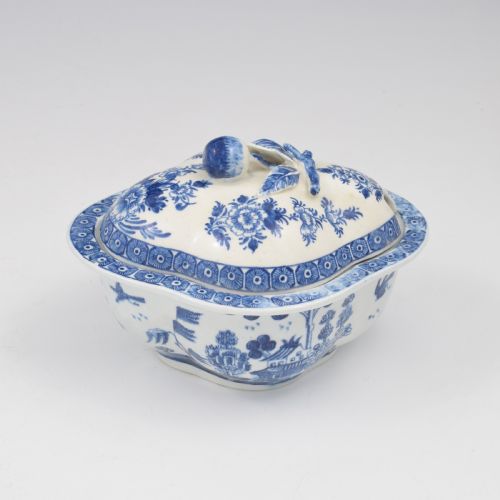
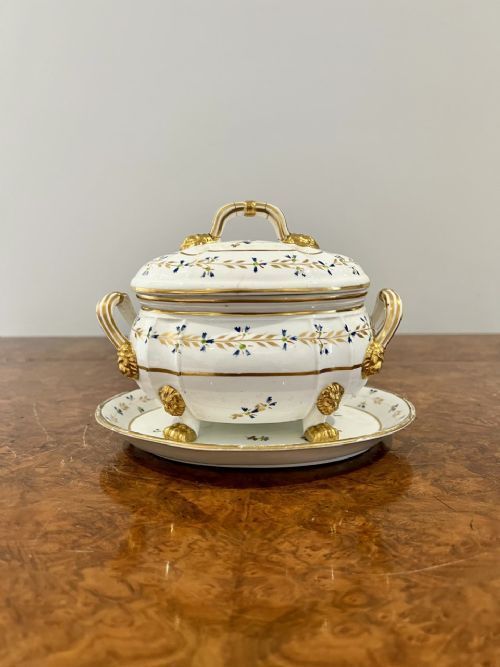
White porcelain sauce tureens are covered vessels designed for serving gravies and sauces at the table, appearing across Georgian, Regency, and Victorian periods. These pieces combine utilitarian tableware functions with refined ceramic design.
Buyers encountering this page will most frequently meet nineteenth-century examples in porcelain, bone china, and pearlware, often accompanied by matching covers. Forms range from quatrefoil shapes to classic botanical decorated bodies.
How they were made
Potters shaped soft-paste porcelain and bone china bodies, applying detailed enamel painting and gold leaf highlights by hand. Glaze provides the smooth, reflective finish characteristic of these formal dining vessels.
Workshops utilised moulded ironstone and earthenware alongside fine porcelain, firing the wares to achieve durable tableware suitable for daily dining or display.
Listings feature periods spanning from the eighteenth century through the Victorian era, utilising materials including bone china, pearlware, and soft-paste porcelain.
What varies in quality
The distinction between standard utility wares and exceptional objects lies in the crispness of the moulding and the delicacy of the hand-painted enamel work. Pieces featuring intricate gilt handles and precise botanical motifs demand superior artisan skill.
Factory attribution also influences standing, with established manufacturers delivering finer translucency in the paste and more refined glaze applications compared to lesser-known potteries.
Davenport·Derby·Swansea·Crown Derby·Flight Barr And Barr·Masons·Worcester·Meissen
The White Porcelain Sauce Tureen Glossary
- Pearlware
- An earthenware body developed in the eighteenth century featuring a faint bluish glaze that pooled in crevices, designed to imitate Chinese porcelain.
- Quatrefoil
- A symmetrical shape composed of four overlapping lobes, frequently utilised for the bodies and stands of eighteenth-century tureens.
- Soft-paste porcelain
- A ceramic composition containing glass frit and white clay, fired at lower temperatures than hard-paste porcelain to create a warm, creamy body.
- Imari
- A decorative style inspired by Japanese exports, utilising cobalt blue, iron red, and gold leaf in dense geometric and floral patterns.
White Porcelain Sauce Tureen: Frequently Asked Questions
What were sauce tureens used for?
These covered vessels held hot gravies, melted butter, and seasoned sauces during formal meals, keeping the contents warm between servings at the table.
The matching cover trapped heat while the accompanying ladle allowed guests or servants to spoon the sauce cleanly over meat and vegetable dishes.
How do I date an antique tureen?
Dating relies on examining the ceramic body type, such as pearlware versus bone china, alongside any factory marks stamped or painted underneath.
Stylistic cues like Rococo scrollwork or Regency forms further narrow the period of manufacture when combined with potting characteristics.
Are these tureens safe to use?
Historic ceramics with overglaze enamels and gold leaf require gentle hand washing and are generally preserved for display rather than active dining.
Thermal shock from modern microwaves or dishwashers can crack fragile eighteenth and nineteenth-century ceramic bodies and damage delicate gilding.
How do I display a sauce tureen?
Tureens look best displayed on sideboards, within glazed cabinets, or paired with their original matching stands as central decorative dining table elements.
Keeping the cover slightly tilted or resting beside the base highlights the interior glaze and the quality of the ceramic potting.