
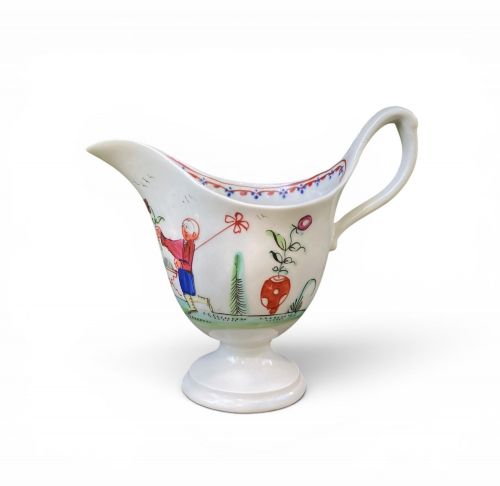
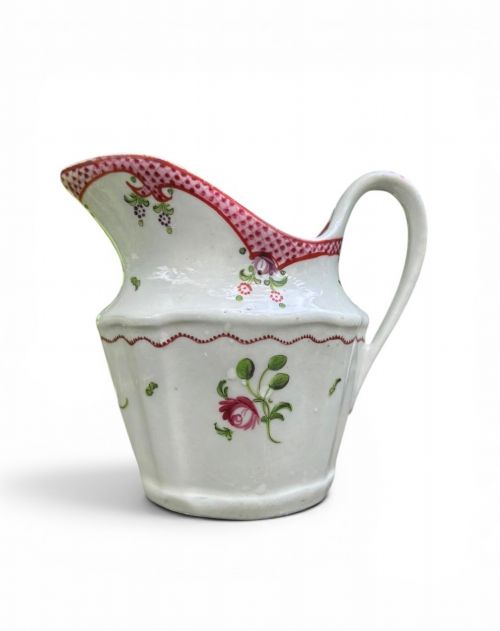


White Porcelain Creamer
White porcelain creamer pieces are eighteenth-century ceramic vessels designed for the tea table, sought after for their refined bodies and crisp decoration.
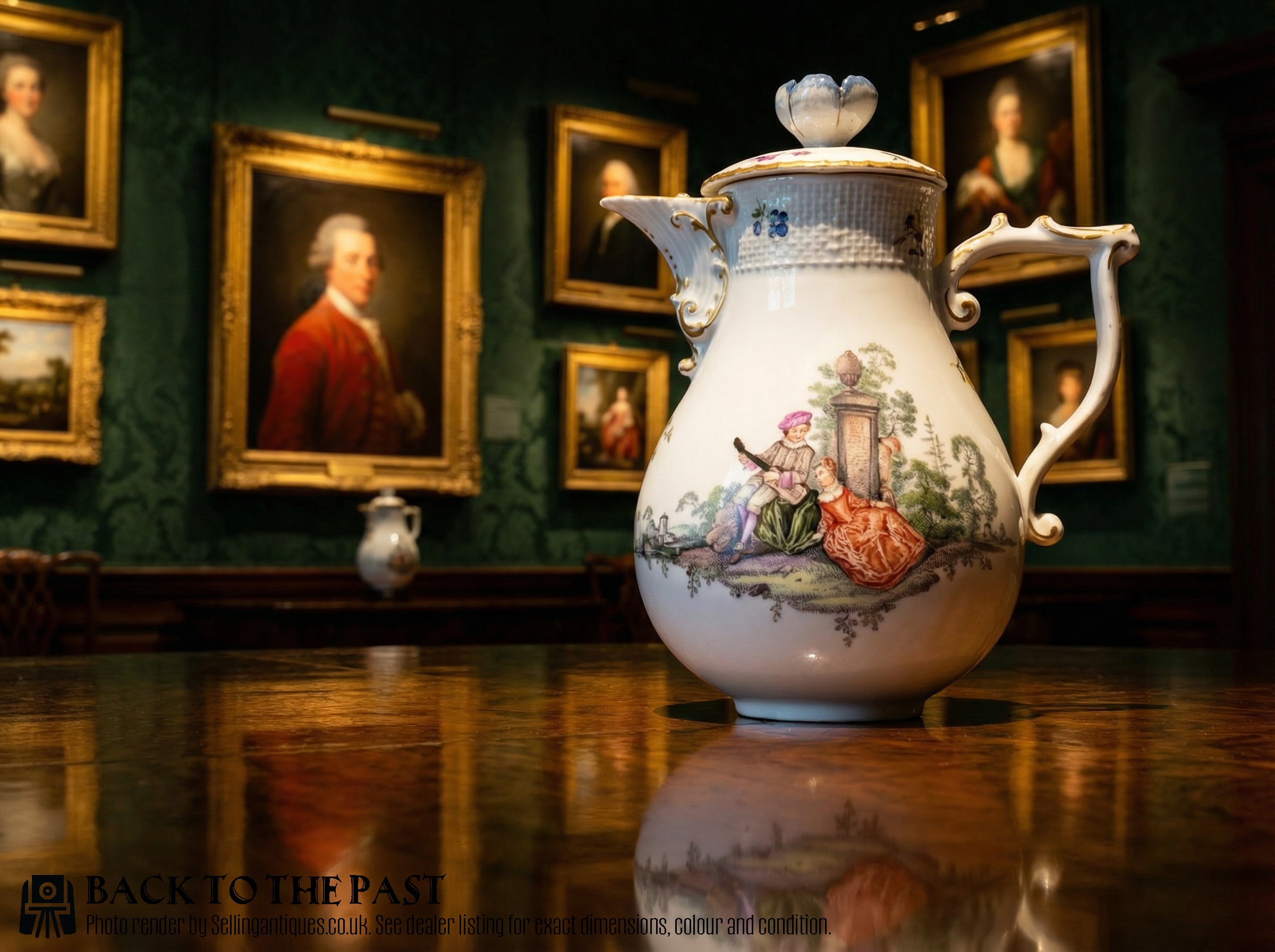
White Porcelain Creamer
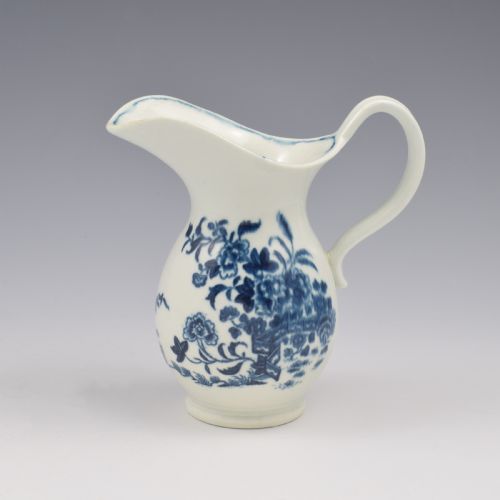
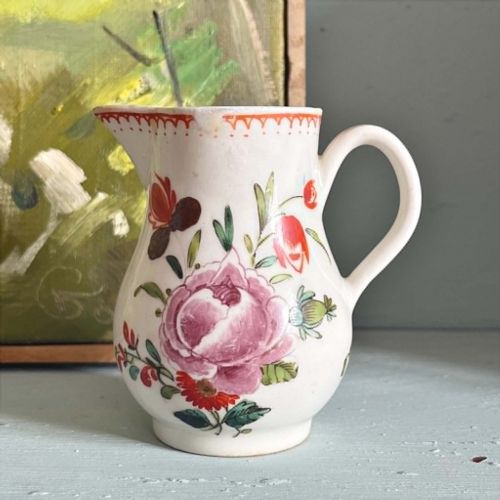
When searching for a white porcelain creamer, buyers encounter eighteenth-century forms made during the Georgian period. These small pouring vessels include cream jugs and milk jugs.
The selections available here comprise pieces dating from around 1750 to 1790. They reflect the domestic dining habits of the Georgian era through functional ceramic design.
How They Were Made
These items are formed from hard-paste porcelain and standard porcelain bodies. Makers shaped the clay into practical jugs suited for serving cream and milk.
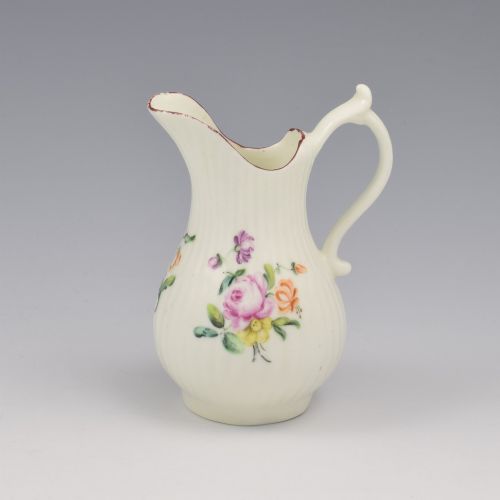
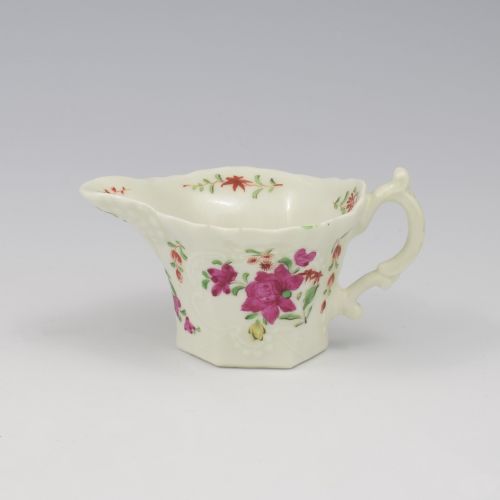
Decoration on these pieces incorporates enamel work and gold leaf detailing. Some examples also display moulded rococo styling through clip handles and curved bodies.
A clip handle gives your morning tea service an eighteenth-century grip.
What Varies in Quality
The standard of these creamers is determined by the fineness of the porcelain body and the precision of the form. Earlier examples from the mid-eighteenth century demonstrate distinct modelling skill.
Painted enamel decoration and applied gold leaf vary in complexity across different workshops. Well-executed patterns and carefully shaped handles elevate the visual appeal of a piece.
New Hall·Meissen
The White Porcelain Creamer Glossary
- Hard-paste porcelain
- A durable ceramic composition fired at high temperatures, known for its dense and vitrified body. It provides a bright white surface suitable for detailed enamel painting.
- Enamel
- A glassy substance fused to the porcelain surface through kiln firing to add colour and pattern. This technique creates vibrant motifs that remain stable over centuries.
- Gold leaf
- Beat gold applied to ceramic surfaces for decorative enrichment. It adds a metallic lustre to rims, handles, and painted borders.
- Rococo
- An ornate design style characterised by asymmetry, scrollwork, and naturalistic curves. This aesthetic heavily influenced the shaping of mid-eighteenth-century vessels.
White Porcelain Creamer: Frequently Asked Questions
What is a white porcelain creamer used for?
These vessels were designed to hold and pour cream or milk during tea service. They sat alongside teapots and sugar bowls on Georgian dining tables.
In modern homes, they function well as small display items or as functional jugs for serving cream during gatherings.
How do I date a Georgian cream jug?
Dating relies on examining the ceramic body, handle formation, and decorative style. Pieces from the mid-eighteenth century often exhibit rococo moulding, while later items adopt simpler geometric or floral patterns.
Maker attribution and stylistic evidence from the period help narrow down the year of production.
How should I clean my antique creamer?
Wash porcelain pieces gently by hand using warm water and a mild detergent. Avoid harsh scrubbers or dishwashers, which can damage delicate enamel and gold leaf decorations.
Store the vessel securely away from heavy foot traffic or unstable shelf edges.
What is hard-paste porcelain?
Hard-paste porcelain is a true porcelain made from kaolin and petuntse fired at very high temperatures. It yields a strong, heat-resistant material that does not easily scratch.
This body type forms the foundation of many high-quality eighteenth-century European tablewares.