





18th Century Cream Pitcher
An 18th century cream pitcher brings genuine period elegance to the tea table, offering small-scale ceramic or silver utility from a gracious era.
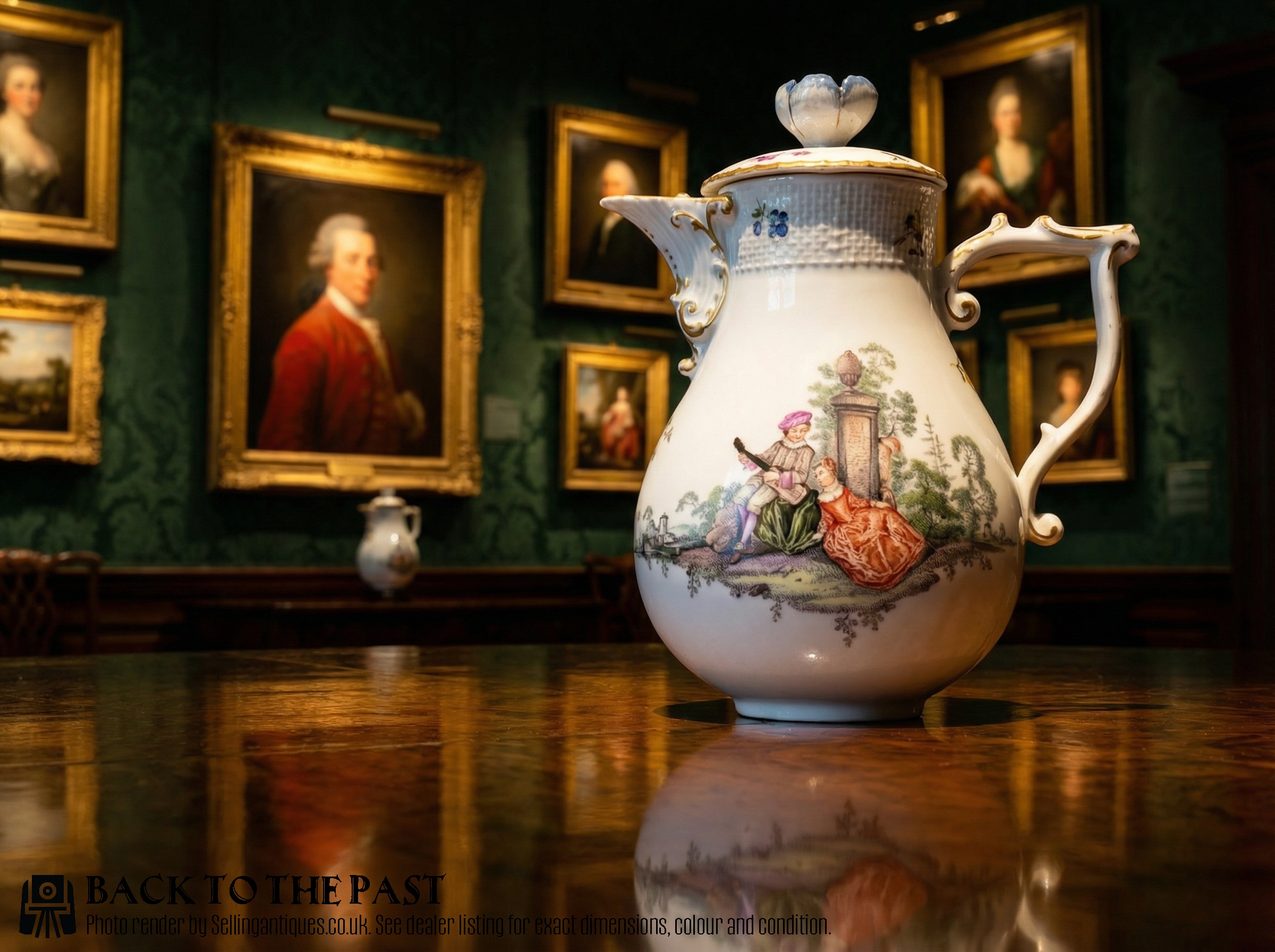
18th Century Cream Pitcher
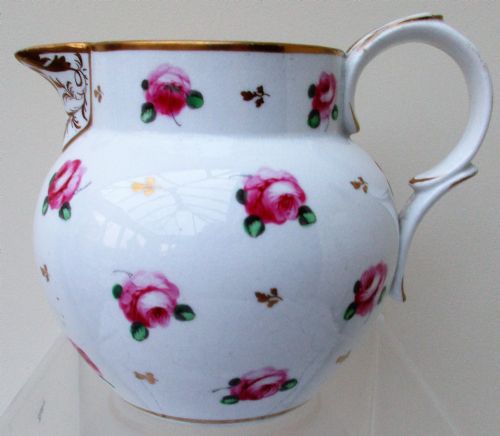
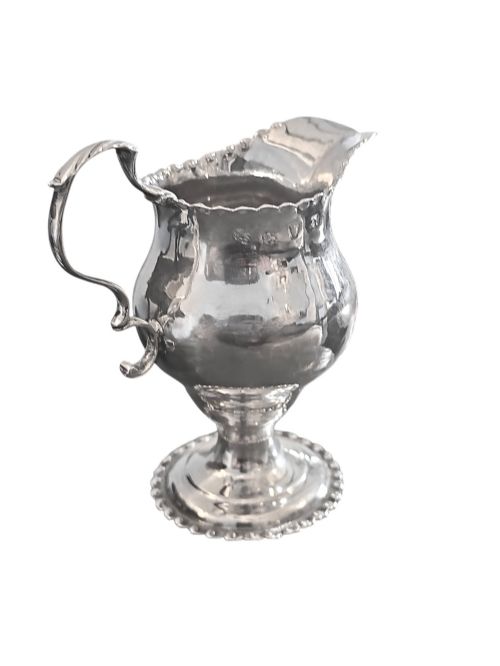
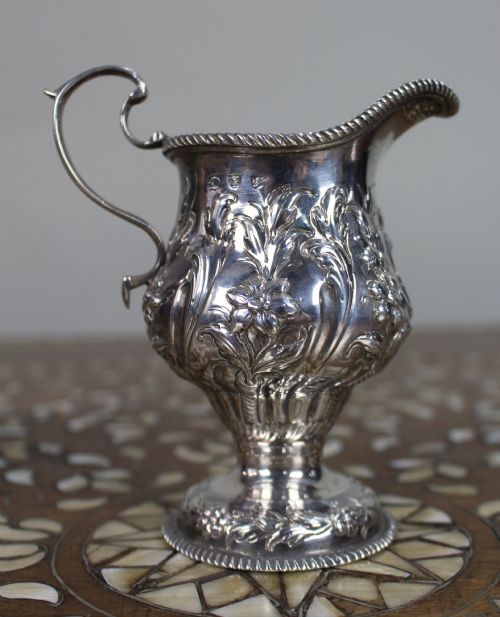
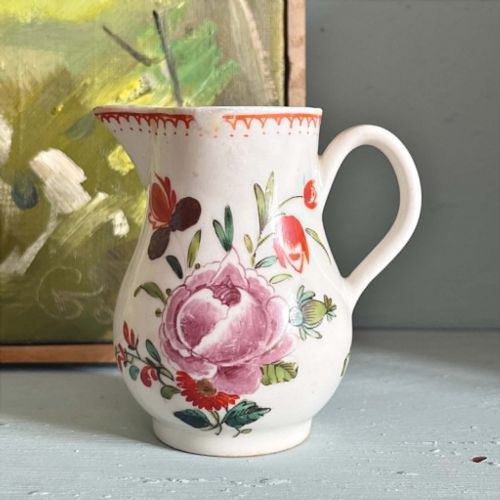
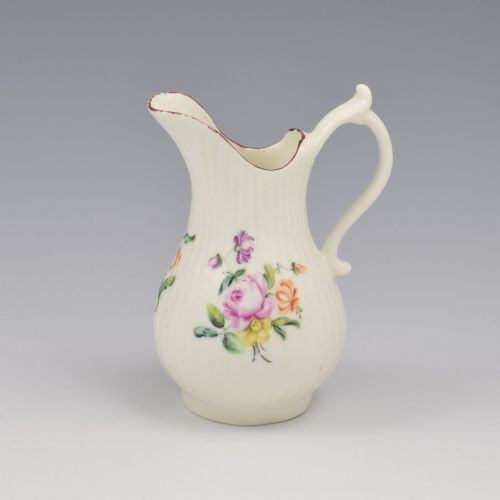
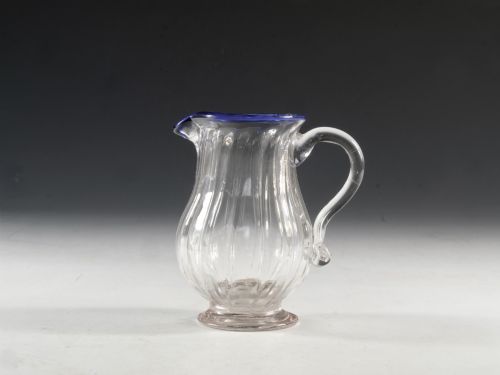
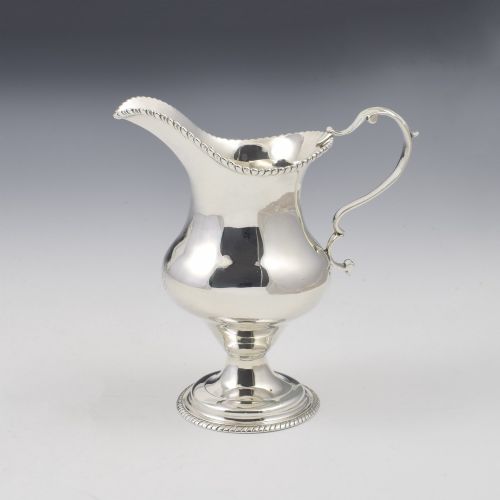
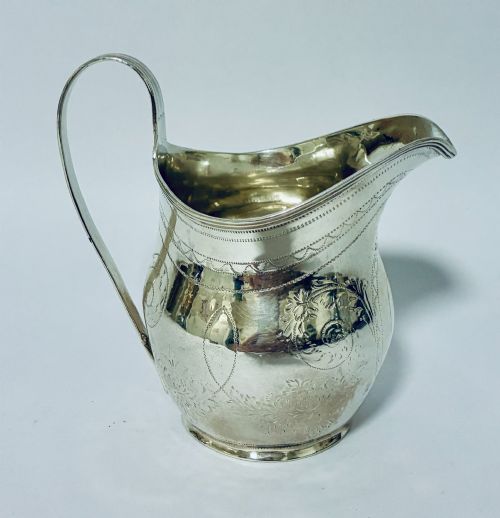
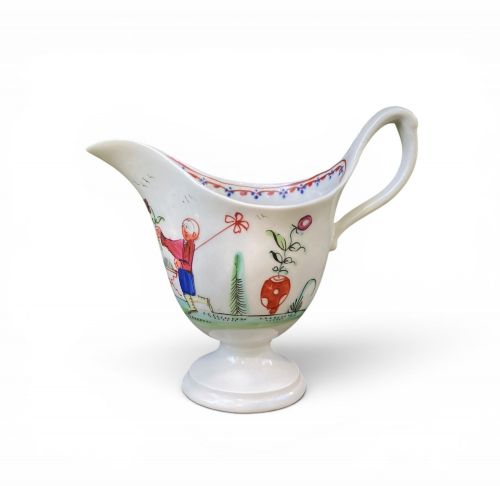
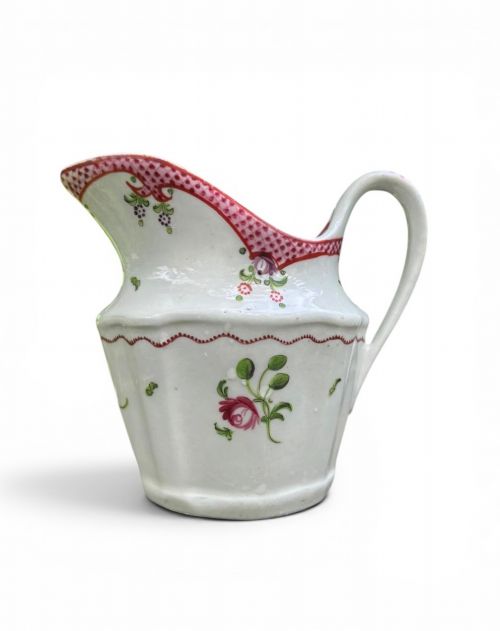
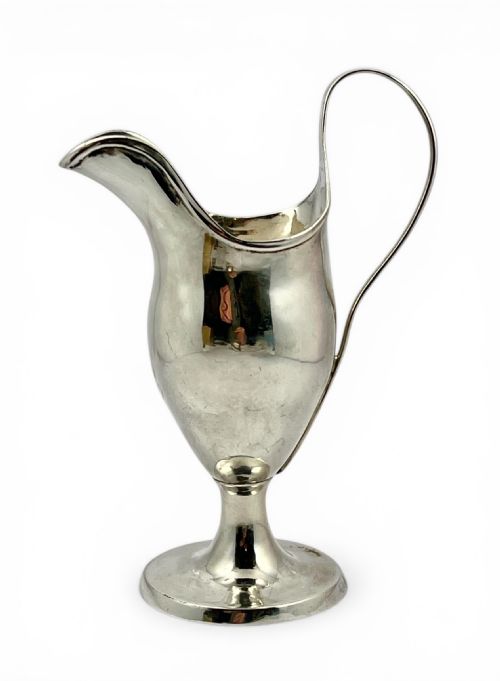
An 18th century cream pitcher is a small vessel designed for serving milk or cream during tea service, encompassing forms often called cream jugs, helmet jugs, or sparrow beak creamers. You will encounter these in silver, porcelain, creamware, and glass, reflecting the expansion of tea drinking across Georgian society.
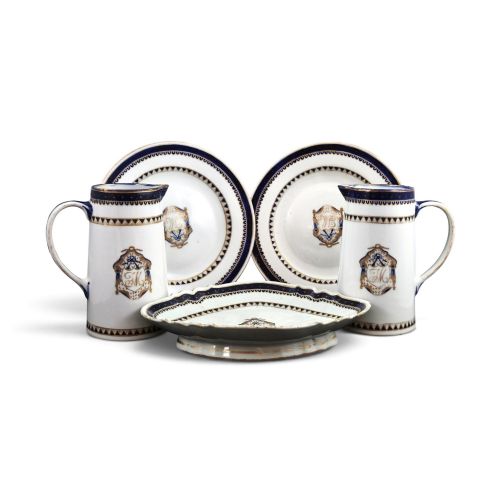
The selections on this page span the 17th century through to around 1800, with a strong representation of Georgian silver and English porcelain factories like New Hall, Bow, Worcester, and Derby. Pieces range from provincial Scottish silver to Chinese Export porcelain and lead glass with blue rims.
Makers and factories utilised specific regional shapes, from the distinct sparrow beak spouts of early Georgian silver to the classic helmet profiles of the George III period. Buyers find both simple domestic earthenware and finely hand-painted porcelain intended for wealthy households.
How they were made
Silver cream pitchers were hammered from sterling silver or provincial plate, often raised into pear or helmet shapes and supported on three feet or a spreading foot, with hand-soldered handles and rims. Silversmiths shaped these vessels using traditional smithing techniques, sometimes incorporating cast details or engraved monograms.
Porcelain examples from factories such as Bow, Worcester, and New Hall relied on soft-paste porcelain formulas fired in kilns, then hand-painted with polychrome enamels, underglaze blue, or floral motifs. Earthenware and creamware pieces utilised lead glazes and moulded decoration, including cabbage leaf patterns on Staffordshire pearlware.
18th Century Cream Pitcher Retail Price Guide 2026
Typical asking prices for 18th century cream pitcher among the pieces listed under this phrase on Sellingantiques today, from the lower quarter to the upper quarter. They describe what is for sale here now, not the wider market.
Listings feature materials spanning sterling silver, soft-paste porcelain, creamware, earthenware, enamel, gold leaf, and lead glass.
What varies in quality
Quality in an 18th century cream pitcher rests on the crispness of form and the skill of the maker, whether in the weight and balance of a sterling silver vessel or the delicacy of a porcelain sparrow beak handle and spout. Heavier silver gauges and unrubbed hallmarks separate standard domestic items from superior pieces by known silversmiths.
In ceramics, the precision of the hand-painted enamel decoration and the clarity of the glaze define the upper tier of the market, distinguishing factory output from simpler utilitarian wares. The survival of crisp moulding, such as fluted baluster bodies or cabbage leaf reliefs, marks the better examples.
Stalker & Mitchison·James Gordon·Peter & Ann Bateman·New Hall·Meissen·Bow·Worcester·Derby·Coalport
The 18th Century Cream Pitcher Glossary
- Sparrow beak
- A small porcelain or silver cream jug featuring a distinctive pinched spout resembling a bird's beak. This form is particularly common in early Georgian examples.
- Helmet jug
- A cream pitcher shaped with a flared lip and sweeping body reminiscent of a classical helmet. These typically date from the George III period.
- Soft-paste porcelain
- A ceramic composition fired at lower temperatures than hard-paste porcelain, used widely by English factories in the eighteenth century. It yields a slightly softer body and warm glaze.
- Creamware
- A fine earthenware developed in Yorkshire by potters like those at Leeds, featuring a pale yellow or cream-coloured lead glaze. It offered an affordable alternative to porcelain.
- Pearlware
- An refined earthenware introduced in the late eighteenth century with a bluish glaze designed to mimic Chinese porcelain. It often featured moulded reliefs.
18th Century Cream Pitcher: Frequently Asked Questions
What is a sparrow beak creamer?
A sparrow beak creamer is an 18th-century milk jug characterised by a small, pointed pouring lip that resembles a bird's beak. These are typically found in early Georgian silver or English porcelain.
They were designed for the growing tea service customs of the period, holding enough cream for individual or small-group gatherings.
How do I date a silver cream jug?
Dating silver cream jugs relies primarily on the stamped hallmarks, which include maker's marks, assay office symbols, and date letters. Comparing the shape, such as transitioning from pear-shaped bodies on three feet to helmet forms, also helps narrow the decade.
Silversmiths like Peter and Ann Bateman or earlier makers often left clear records through their official stamps.
What is creamware?
Creamware is a refined earthenware developed in England during the 18th century, notable for its warm yellow tone achieved through a lead glaze. Leeds pottery was among the prominent producers of this durable tableware.
It provided households with a practical, lighter alternative to heavier slipware and traditional ceramics.
Are these pitchers suitable for daily use?
While 18th century cream pitchers were originally made for functional use at the tea table, many owners today display them as collectible antiques. Silver and robust ceramics can handle gentle use, though fragile soft-paste porcelain requires careful handling.
Hand washing in warm water without harsh detergents helps preserve the antique enamels and glazes.