

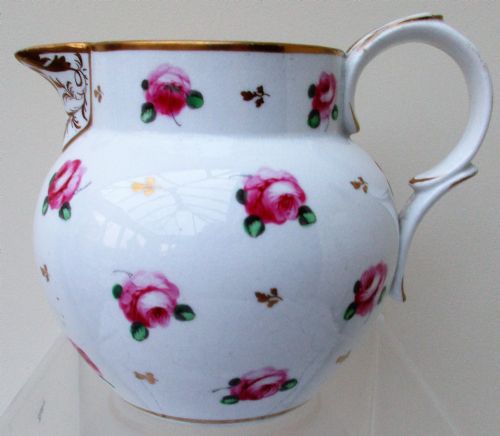
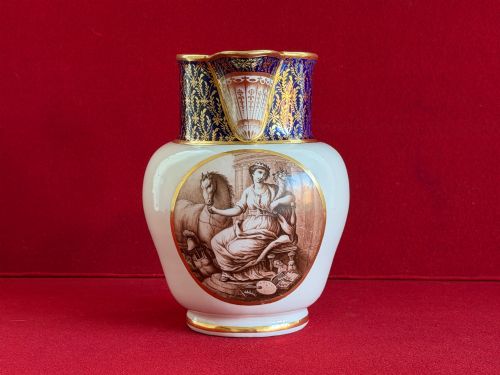
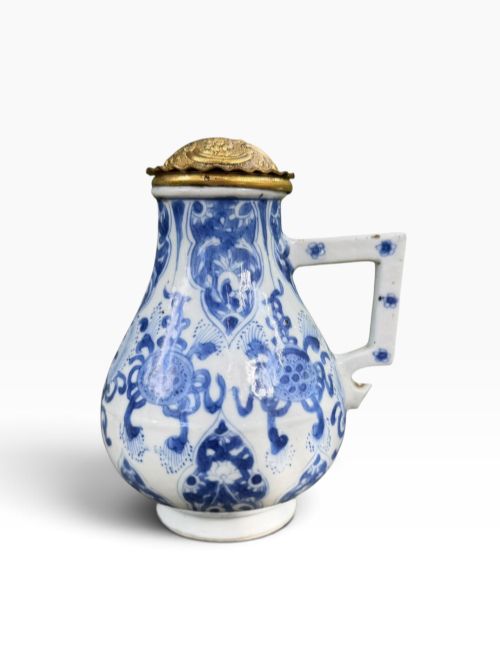
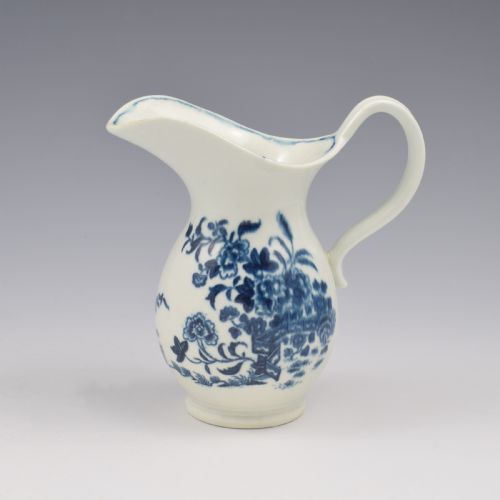
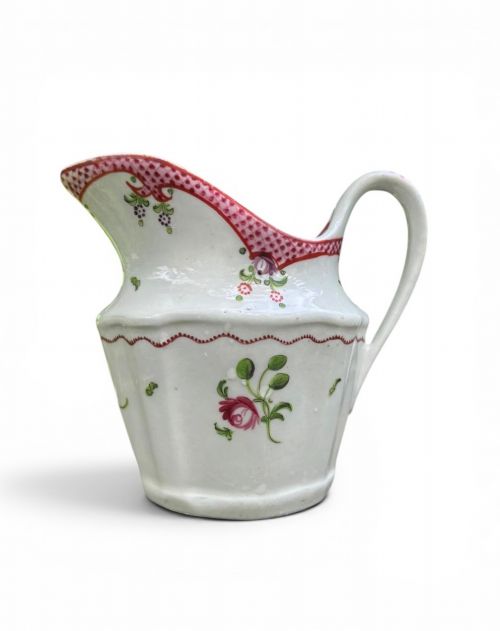


18th Century Porcelain Creamer
An 18th century porcelain creamer brings the refined touch of Georgian tea service directly to the modern table.
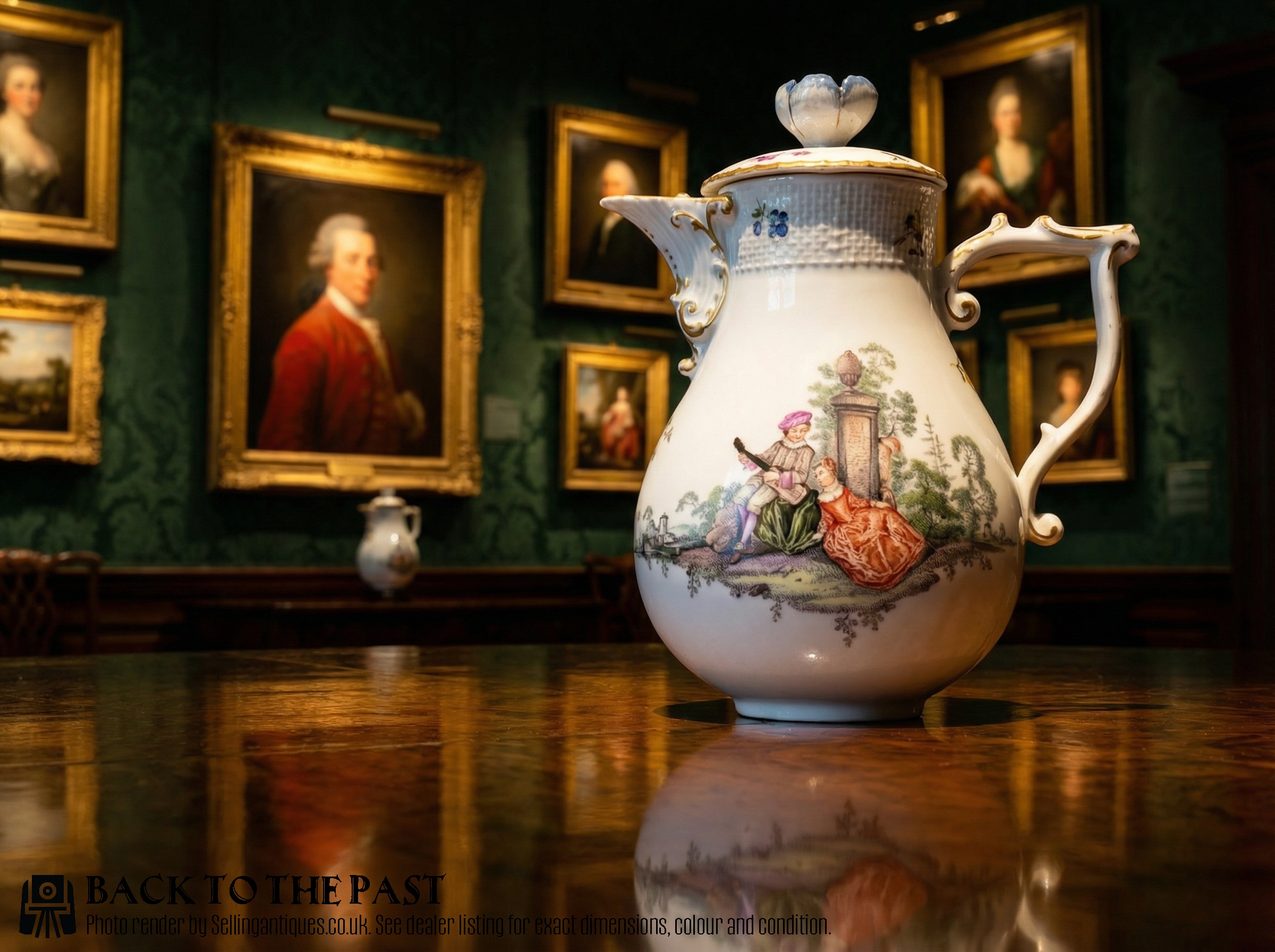
18th Century Porcelain Creamer
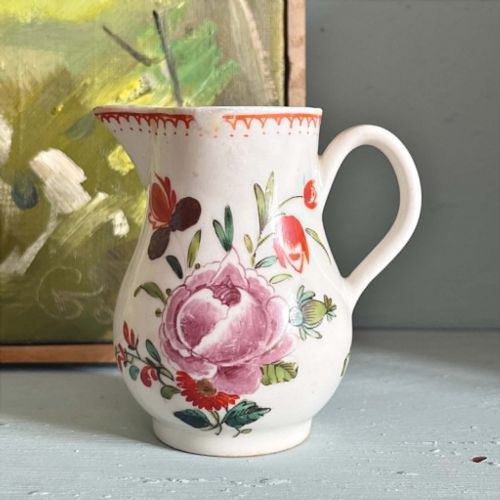
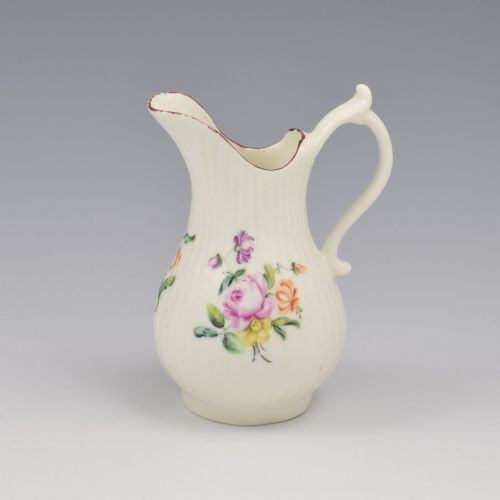
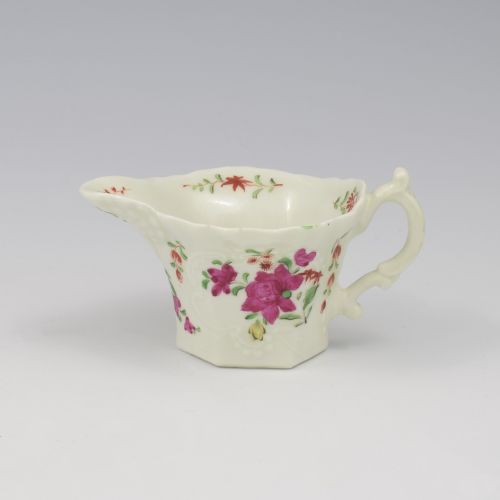
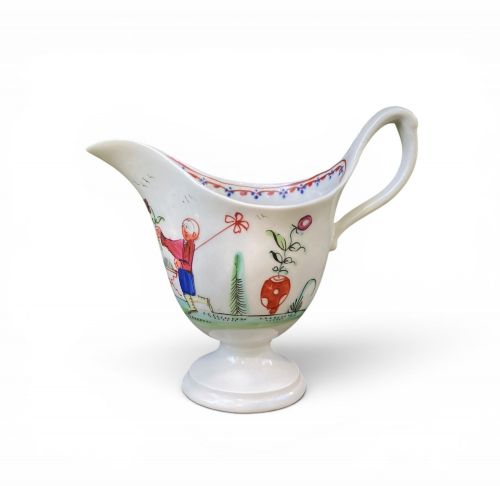
An 18th century porcelain creamer is a small domestic vessel designed to hold milk or cream for the tea table, taking the form of a jug, pitcher, or sauce boat. These pieces emerge from the Georgian era and showcase the refined tastes of period dining.
The selections available here span soft-paste and hard-paste porcelain, originating from renowned English factories like Worcester, Derby, Bow, New Hall, Coalport, and Liverpool, alongside continental Meissen and Chinese Export wares. Forms range from sparrowbeak jugs to dolphin ewers and hexagonal sauce boats.
Makers of this period employed distinct regional pastes and glazes, leading to variations in body translucency and surface texture. Buyers encounter both delicate domestic earthenware adaptations and robust export wares decorated with polychrome flowers and armorial motifs.
Materials and Techniques
Potters of the period utilised soft-paste and hard-paste porcelain body recipes, shaping them on the wheel or pressing them into moulds to create fluted baluster profiles and complex lamprey handles. These bodies required precise kiln temperatures to vitrify the paste before glazing.
Decoration relied on hand-painted enamel colours and meticulous gilding with gold leaf applied over or under the glaze. Chinese Export pieces additionally integrated famille rose enamel palettes, while English factories perfected polychrome floral sprays and transfer printing.
18th Century Porcelain Creamer Retail Price Guide 2026
Typical asking prices for 18th century porcelain creamer among the pieces listed under this phrase on Sellingantiques today, from the lower quarter to the upper quarter. They describe what is for sale here now, not the wider market.
Current listings feature porcelain creamers from the 18th century, incorporating soft-paste and hard-paste bodies decorated with enamel, glaze, and gold leaf.
Factors of Quality
Quality in these creamers rests upon the crispness of the moulding and the delicacy of the porcelain body, where thinner walls often indicate higher technical mastery. The fluidity of the handle application and the stability of the foot rim also separate standard production from superior output.
The precision and artistic merit of the hand-painted enamel decoration dictate the upper tier of the range. Pieces featuring complex armorial details, well-executed polychrome flowers, or uncommon sculptural forms like dolphin ewers demonstrate greater artisan skill.
Dr Wall Worcester·Derby Porcelain·Bow Porcelain·New Hall·Meissen·John Rose Coalport·Liverpool Herculaneum
The 18th Century Porcelain Creamer Glossary
- Soft-Paste Porcelain
- An artificial porcelain composition made from white clay, glass frit, and ground minerals. It fires at lower temperatures than true hard-paste porcelain and yields a warm, creamy glaze appearance.
- Sparrowbeak Creamer
- A small jug featuring a distinctively pinched spout resembling a bird beak. This form was widely produced by early English factories for tea service.
- Famille Rose
- A palette of opaque enamels dominated by pink or rose colours introduced in Chinese ceramics. These pigments were later emulated by European manufacturers.
- Ewer
- A jug with a wide spout and an ornate handle designed for pouring liquids. In 18th century porcelain, these often take fanciful aquatic or classical shapes.
18th Century Porcelain Creamer: Frequently Asked Questions
How do I date an 18th century creamer?
Dating relies on examining the paste composition, glaze characteristics, and factory marks if present. Early English soft-paste bodies often show distinct translucency under strong light compared to later hard-paste wares.
Stylistic shifts also provide clues, moving from early rococo moulded scrolls towards the straighter, neoclassical lines of the late Georgian period.
Were these creamers used for tea or sauce?
Many vessels categorized as creamers or milk jugs served dual purposes depending on the meal and table setting. Forms like sauce boats and low ewers could contain cream, drawn butter, or thin gravies.
Tea service vessels generally feature narrower spouts for controlled pouring into cups, whereas sauce boats present wider mouths for ladles or direct pouring.
How should I clean porcelain creamers?
Wash antique porcelain gently by hand using lukewarm water and mild, non-abrasive detergent. Avoid dishwashers entirely, as thermal shock and harsh chemicals will damage the fragile enamel and gold leaf.
Dry the piece immediately with a soft, lint-free cloth to protect the historic glaze from mineral deposits.
What is the difference between soft-paste and hard-paste?
Soft-paste porcelain contains glass and frit binders fired at lower temperatures, resulting in a softer surface texture that absorbs enamel colours deeply. Hard-paste porcelain uses true kaolin clay and petuntse, requiring higher kiln temperatures to produce a dense, vitrified body.
English factories predominantly utilised soft-paste during the mid-century, while continental makers like Meissen mastered hard-paste earlier.