





White Porcelain Covered Jar
White porcelain covered jar selections bring together centuries of ceramic history, offering both refined display pieces and practical lidded vessels for the home.
White Porcelain Covered Jar
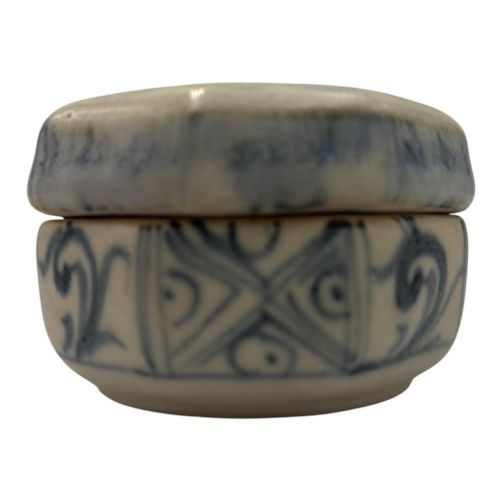
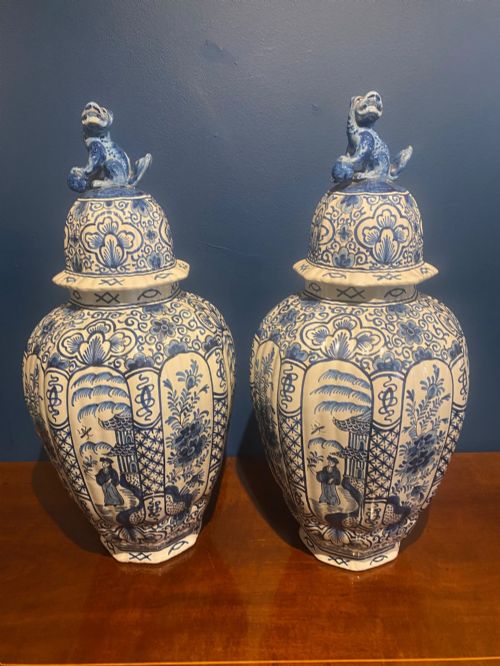
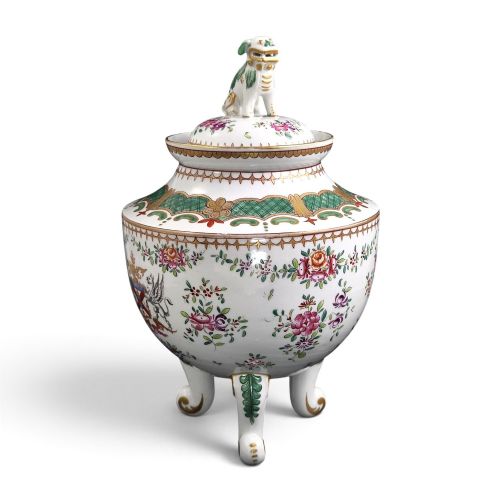
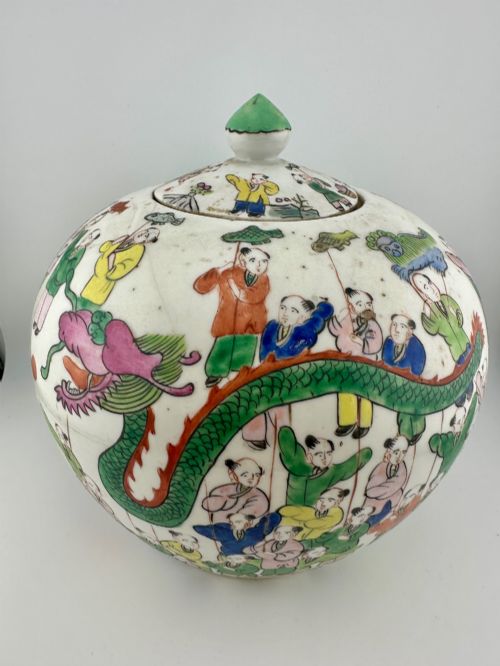
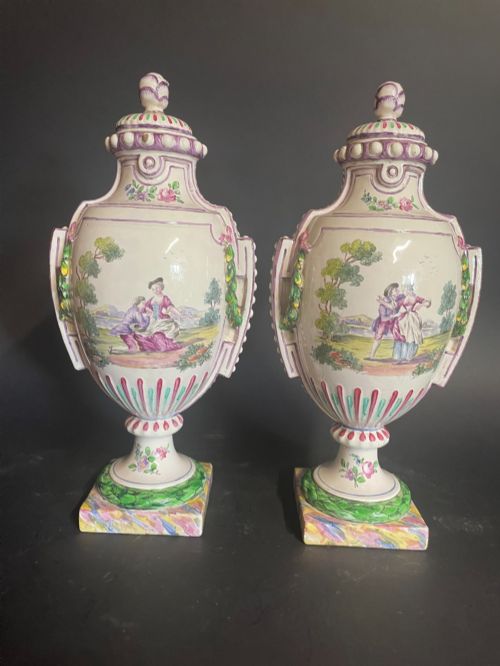
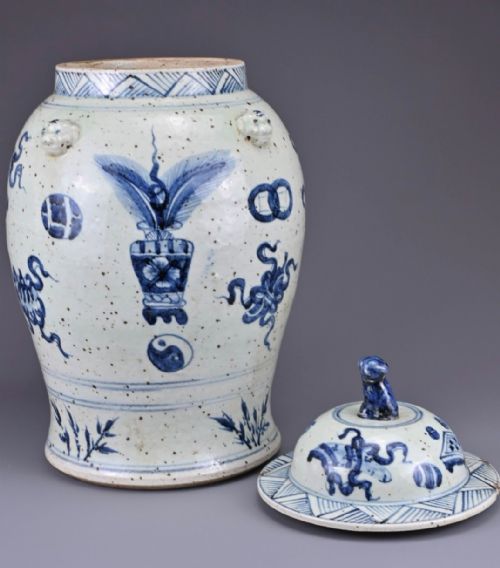
A white porcelain covered jar brings together diverse traditions, spanning Chinese export wares, European factory productions, and Japanese studio creations. These lidded vessels serve as decorative focal points, often taking bulbous, ovid, or urn-like forms designed to hold potpourri or dry goods.
The pieces on this page draw from multiple eras, ranging from seventeenth-century productions to early twentieth-century interpretations. European factories like Dresden, Berlin, and Samson Paris sit alongside Qing Dynasty export pieces and Japanese Arita wares.
Buyers encounter numerous variations in form, from ginger jars with domed lids to large potpourri bowls pierced for scent dispersal. Whether finished in cobalt blue underglaze or polychrome enamel, each jar pairs a substantial body with a matching fitted cover.
Distinguishing quality in lidded vessels
Quality rests primarily on the crispness of the modelled form and the precision of the hand-painted decoration. Superior pieces display finely delineated brushwork, balanced proportions between body and cover, and evenly fired glazes without pooling or cloudiness.
The provenance and the reputation of the producing factory also dictate standing. Pieces originating from historically significant kilns or well-documented European manufactories demonstrate a higher degree of artistic ambition in their execution.
White Porcelain Covered Jar Retail Price Guide 2026
Typical asking prices for white porcelain covered jar among the pieces listed under this phrase on Sellingantiques today, from the lower quarter to the upper quarter. They describe what is for sale here now, not the wider market.
Listings feature hard-paste porcelain, tin-glazed earthenware, and faience bodies decorated with cobalt glaze, enamel, and gold leaf across eighteenth and nineteenth-century periods.
Samson Paris·Sitzendorf·Dresden Porcelain·Spode·Masons·Worcester·Berlin·Royal Crown Derby
The White Porcelain Covered Jar Glossary
- Ovid
- Egg-shaped, describing a rounded ceramic body that tapers towards the base and neck. This silhouette frequently appears in traditional blue and white storage jars.
- Potpourri
- A mixture of dried petals and spices kept in a perforated container to scent a room. Lidded bowls made for this purpose often feature pierced covers.
- Imari
- A style of Japanese export porcelain characterised by a palette of underglaze blue, iron red, and gold. European factories frequently copied these vibrant patterns.
- Tin-Glazed Earthenware
- Pottery covered with an opaque white glaze containing tin oxide, providing a smooth surface for painting. Dutch Delftware and French faience utilise this technique.
- Armorial
- Decorated with a coat of arms or family crest. Commissioned services and display pieces often incorporated these heraldic designs in enamel.
White Porcelain Covered Jar: Frequently Asked Questions
What were covered jars used for historically?
These lidded vessels served primarily as dry storage containers for spices, tea, or medicinal herbs in domestic settings. Larger examples functioned as decorative ornaments or specialised containers for releasing dried floral fragrances.
Over time, wealthier households displayed matching pairs on mantelpieces and side tables as symbols of status and refined taste. Their tight-fitting lids protected the contents from moisture and dust.
How do I care for antique porcelain?
Wash the ceramic surface gently by hand using lukewarm water and a mild detergent when cleaning becomes necessary. Avoid submerging pieces with metallic leaf or fragile enamel decorations for extended periods.
Keep the vessels away from direct sunlight and areas subject to sudden temperature fluctuations to protect the glaze and body. Handle lids with care to prevent chipping the delicate rim edges.
How do I distinguish Chinese export from European copies?
Examine the composition of the ceramic body and the characteristics of the pigment application under magnification. Chinese export pieces often display distinct potting marks and iron-spotting within the paste.
European factories like Samson Paris deliberately imitated Asian styles, but their paste and potting techniques reflect Western manufacturing standards of the nineteenth century. Comparing base rims and glaze pooling helps clarify the origin.
What does blue and white mean?
This descriptive term refers to white ceramic decorated with cobalt oxide pigment applied beneath a transparent glaze. The iron-free cobalt produces a characteristic blue tone when fired at high temperatures.
The technique originated in the Middle East and reached a high point of refinement in Chinese kilns before European factories adopted the aesthetic during the seventeenth and eighteenth centuries.