
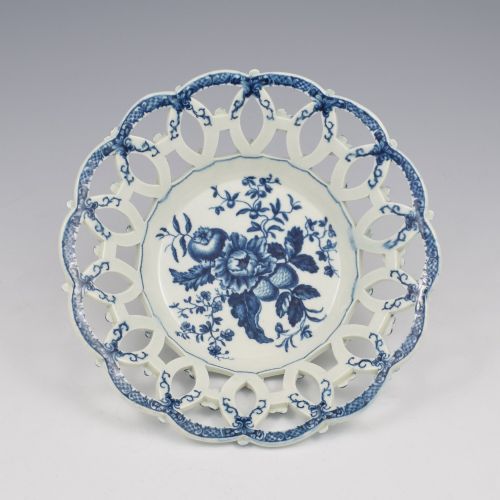


White Porcelain Centrepiece
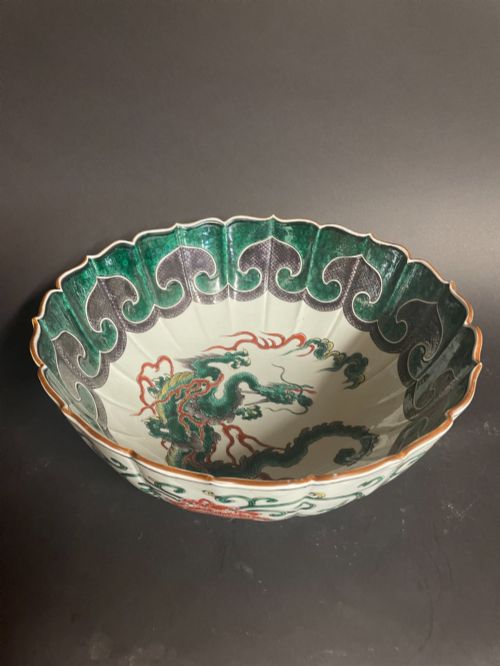
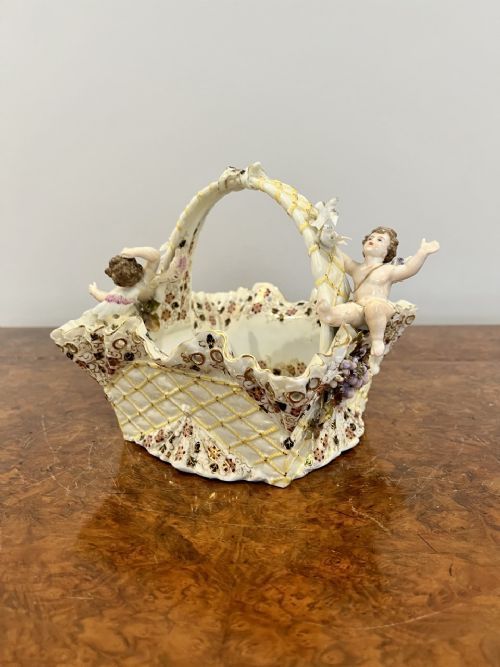
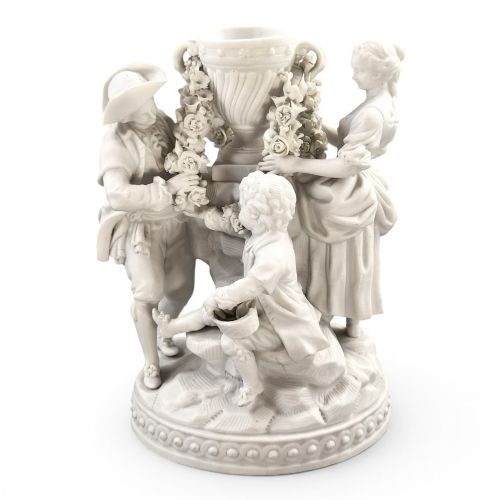
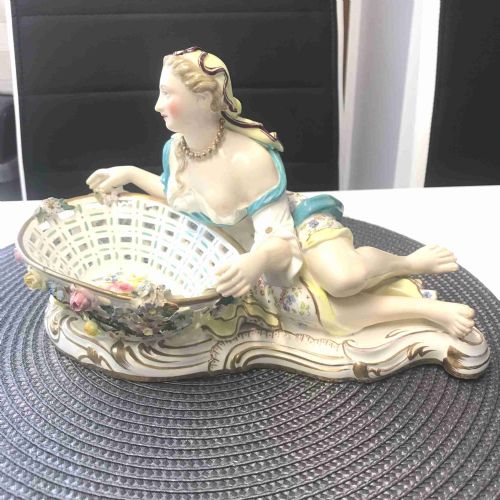
A white porcelain centrepiece anchors a table with sculpted presence, bringing tiered bowls, baskets and figurative groups straight from historic kilns to your dining room.
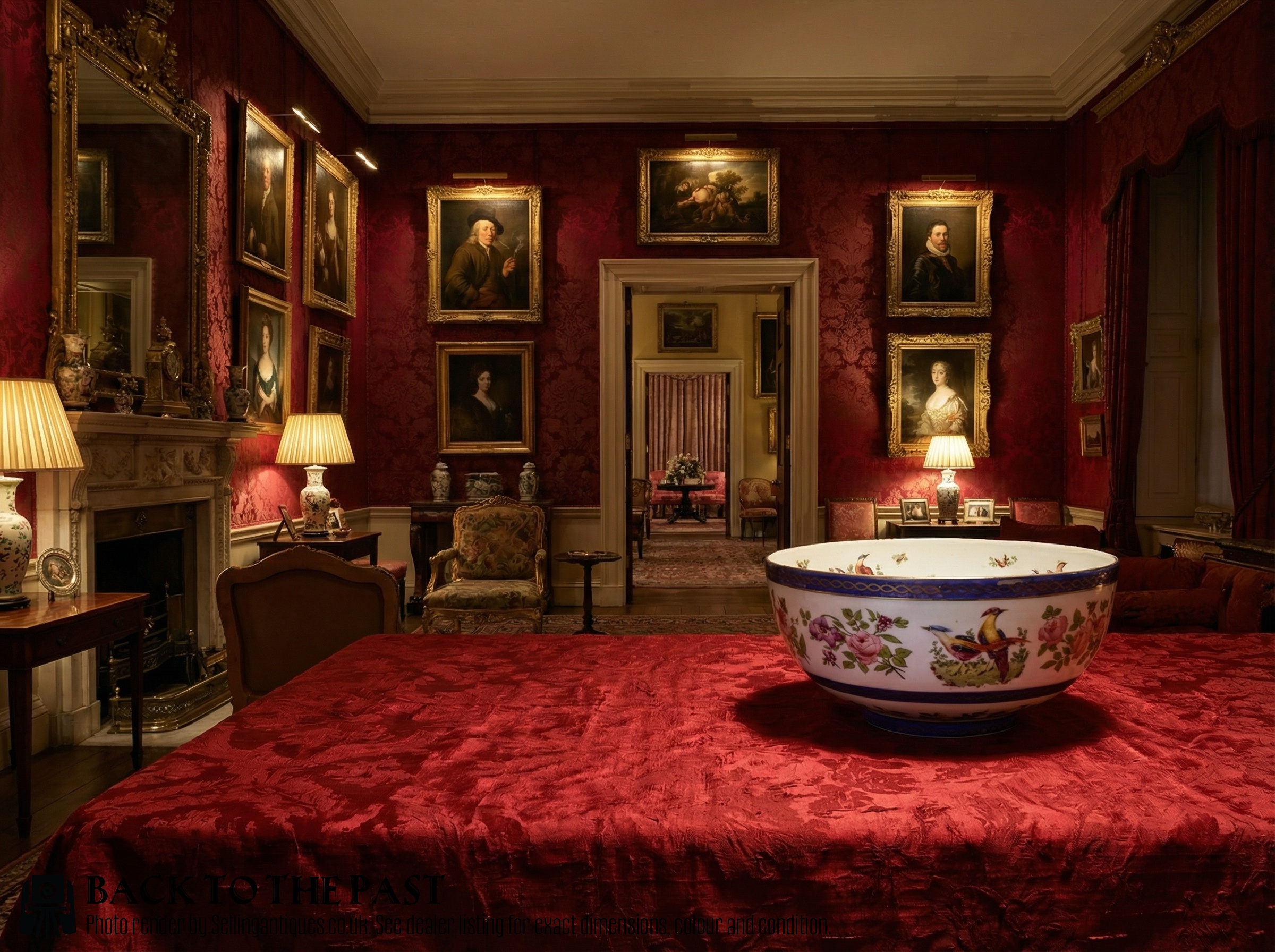
White Porcelain Centrepiece
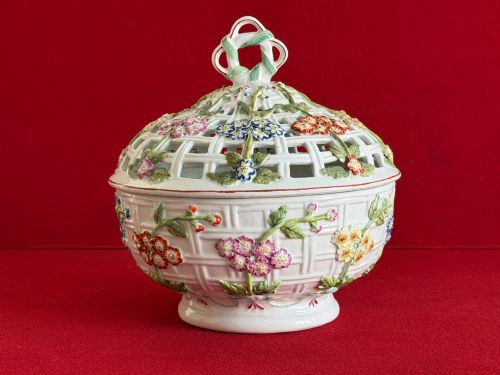
A white porcelain centrepiece serves as the main ornamental display on a dining table or sideboard. These items appear across Georgian, Victorian and Edwardian periods.
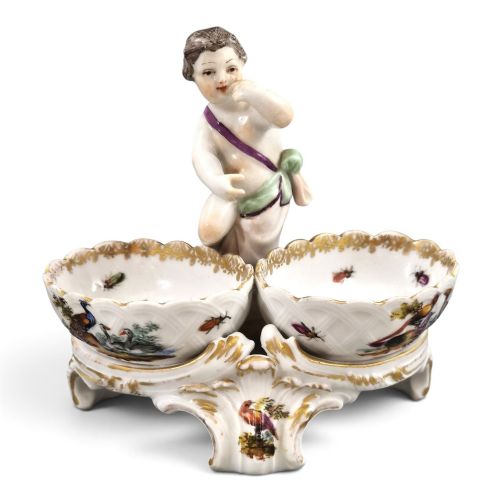
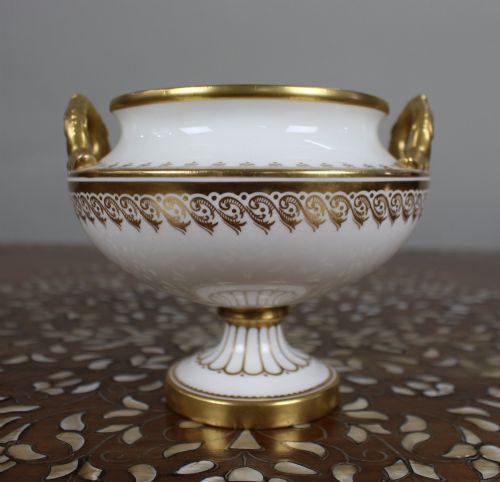
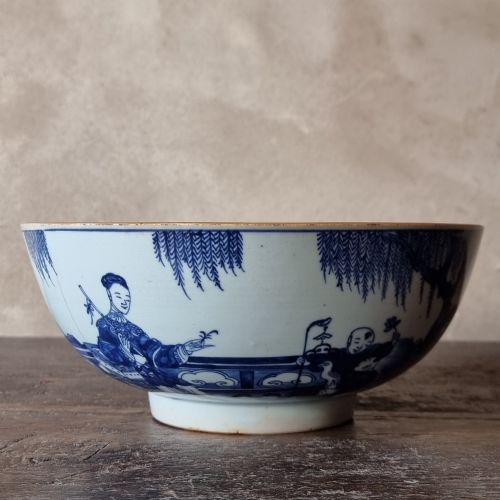
The selections span open baskets, pierced lattice bowls, figural groups and elaborate two-handled urns. Continental factories and English potteries both shaped this tradition.
Forms often incorporate applied flowers, cherubs or classical motifs, designed originally to hold fruit, sweetmeats or floral arrangements for elite dining.
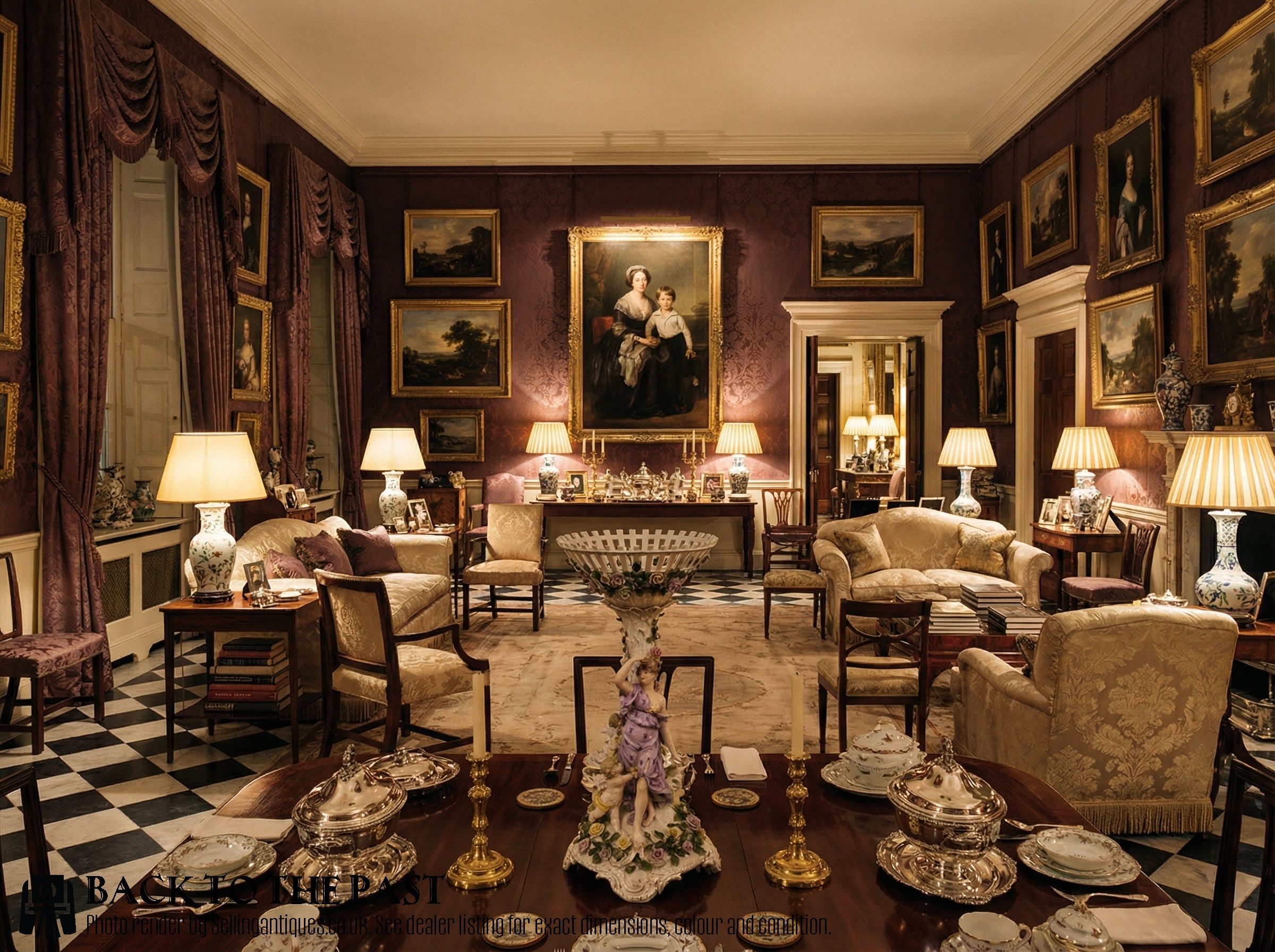
How they were made
Potters utilised hard-paste and soft-paste porcelain, shaping the body through moulding and throwing before applying lead or tin glazes. Artisans built intricate baskets and pierced galleries by hand, weaving clay strips while damp.
Decoration relied on hand-painted enamels, gilding with gold leaf, and delicate biscuit porcelain left unglazed for a matte finish. Workshops like Meissen and Berlin combined moulded figures with individually modelled ceramic flowers.
White Porcelain Centrepiece Retail Price Guide 2026
Typical asking prices for white porcelain centrepiece among the pieces listed under this phrase on Sellingantiques today, from the lower quarter to the upper quarter. They describe what is for sale here now, not the wider market.
Materials span hard-paste porcelain, soft-paste, Parian ware, ironstone, and biscuit porcelain enriched with gilding and enamel painting.
What varies in quality
Painting execution dictates value, where precise hand-painted enamels and burnished gold leaf outshine stencilled transfers or thick, pooling glazes that obscure fine relief.
Derby Porcelain·KPM Berlin·Meissen·Coalport·Rockingham·Doulton Burslem·Volkstedt·Schierholz·Royal Worcester·Mason·Samson Of Paris·Sevres
The White Porcelain Centrepiece Glossary
- Biscuit porcelain
- Unfired or once-fired porcelain left unglazed to produce a smooth, matte white surface resembling marble. This finish was favoured for sculptural groups and figures.
- Hard-paste porcelain
- A dense, durable ceramic composed of kaolin and petuntse, fired at very high temperatures. It resists scratching and yields a ringing sound when tapped.
- Soft-paste porcelain
- An artificial porcelain body using glass frit and white clay, fired at lower temperatures than hard-paste. It has a warmer tone and a softer glaze that accepts enamels deeply.
- Sweetmeat dish
- A small vessel designed to hold confectionery, nuts or preserved fruits between courses. They often take the form of shells, baskets or figures holding bowls.
- Comport
- A raised dish or bowl standing on a pedestal or foot, utilised for serving fruit or sweetmeats at the centre of a formal table setting.
White Porcelain Centrepiece: Frequently Asked Questions
What is a white porcelain centrepiece?
A white porcelain centrepiece is a large decorative vessel or figurative arrangement placed in the middle of a dining table. Makers designed these pieces to hold fruit, flowers, or sweetmeats during formal meals.
Examples range from openwork baskets and footed bowls to elaborate groupings of putti and animals. They reflect the aesthetic tastes of Georgian, Victorian, and Edwardian dining rooms.
How were these centrepieces used?
Households used centrepieces during multi-course dinners to display exotic fruits, sweet confections, or fresh floral displays. They acted as the visual anchor of the table service.
In grand houses, they coordinated with matching side dishes and salt cellars. Between meals, owners placed them on sideboards or console tables as permanent ornaments.
How can I tell the period of a piece?
Dating relies on factory marks, paste composition, and stylistic clues. Georgian pieces often show softer glazes and hand-potted irregularities, while Victorian items lean towards heavier relief and classical revival styles.
Examining the base for underglaze blue swords, impressed ciphers, or painted numbers helps identify the specific workshop and approximate decade.