




White Opaline Pendant Light
These white opaline pendant light fixtures combine soft glass with period brass and metal work to bring authentic illumination to any interior.
White Opaline Pendant Light
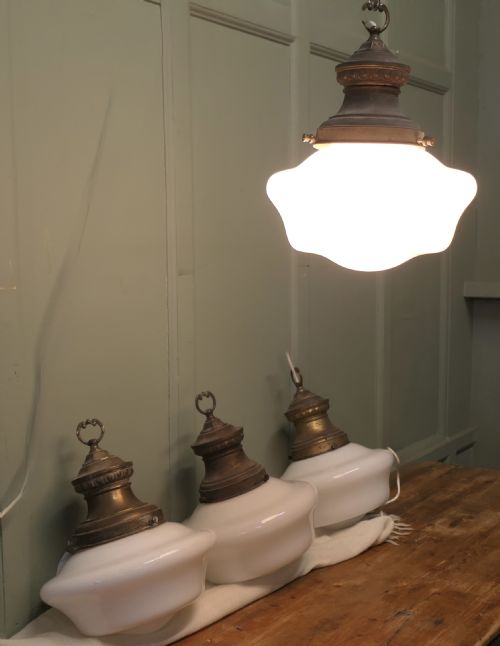
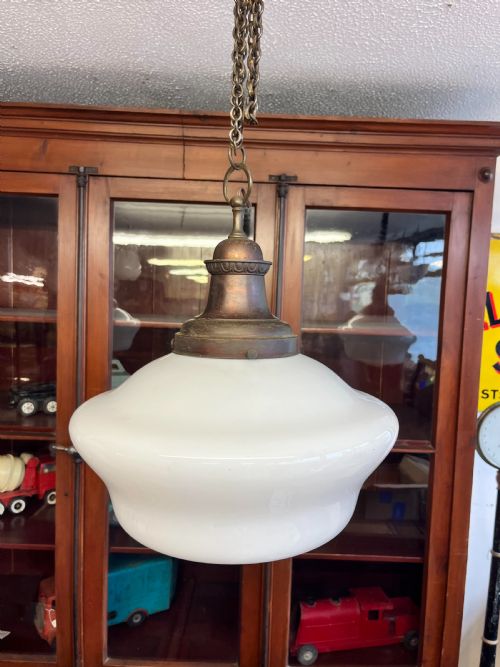
A white opaline pendant light brings together milky translucent glass and period metal hanging hardware, originating mainly from the early twentieth century through the nineteen thirties. You will frequently encounter pear shaped designs, conical shades, and reeded or fish scale patterns across these listings.
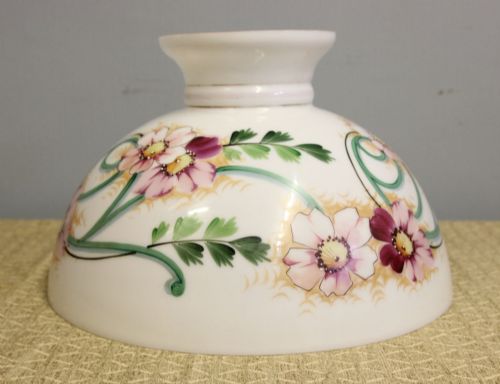
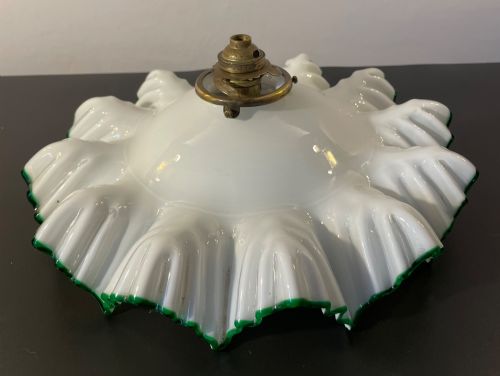
The selection ranges from French frill lampshades and painted hanging oil lamp shades to large chapel lights and industrial ceiling lights. Edwardian and Art Deco examples sit alongside French country and neoclassical forms, showing how versatile these milk glass shades were for domestic and institutional spaces.
Materials and construction
These fixtures rely primarily on opaline glass blown or moulded into distinct shapes, paired with supportive mountings in brass, bronze, chrome, and enamel. The milky glass diffuses light evenly while the metal galleries, chains, and ceiling roses secure the pendant safely overhead.
Makers shaped the glass into smooth cones, reeded cylinders, and textured fish scale or frilled rims. This was combined with structural metal components to create durable ceiling lighting designed for daily use.
White Opaline Pendant Light Retail Price Guide 2026
Typical asking prices for white opaline pendant light among the pieces listed under this phrase on Sellingantiques today, from the lower quarter to the upper quarter. They describe what is for sale here now, not the wider market.
Some early twentieth century shade makers evidently looked to the ocean, giving us delightful fish scale patterns alongside standard conical chapel lights.
Assessing quality and craftsmanship
Quality in a white opaline pendant light rests upon the thickness and purity of the glass, alongside the integrity of the metal fittings. Finer examples display even milkiness, precise moulding, and robust brass or bronze hardware rather than lightweight replacement parts.
The distinction between standard utility lighting and superior pieces also shows in decorative details like reeded designs, painted accents, or substantial proportions such as large chapel lights and pear shaped bodies.
The White Opaline Pendant Light Glossary
- Opaline glass
- A milky, translucent white glass used extensively for nineteenth and twentieth century lighting to soften and diffuse glare.
- Pendant light
- A solitary light fixture suspended from the ceiling by a cord, chain, or metal rod.
- Plafonnier
- A ceiling light fixture mounted flush or semi flush against the plaster, often featuring a decorative glass bowl or shade.
- Gallery
- The metal ring and screw mechanism that holds a glass lampshade securely to the lamp holder and suspension cord.
- Reeded
- A decorative surface treatment featuring parallel rounded ridges running along the body of the glass or metal.
White Opaline Pendant Light: Frequently Asked Questions
How do I hang a pendant light?
These fixtures typically suspend from a ceiling rose using a cord, chain, or metal rod connected to the internal wiring. Professional installation by a qualified electrician ensures the weight is supported safely.
Ensure you check the drop height to suit your ceiling clearance and furniture placement before final mounting.
What rooms suit these lights?
White opaline pendant light designs work well in kitchens, hallways, and dining spaces where direct yet softened illumination is useful. Their neutral milk glass complements both period interiors and modern minimalist settings.
Larger chapel lights or industrial fixtures suit high ceilings and expansive rooms.
How do I clean opaline glass?
Wash the glass gently in warm soapy water using a soft cloth to remove dust and grease accumulation. Avoid abrasive scourers that can scratch the surface of antique glass.
Dry thoroughly with a lint free cloth before reattaching the shade to its metal gallery.
Are these lights original period pieces?
The listings span the Edwardian era through the nineteen thirties, featuring authentic period glass shades and metal components. Styles such as Art Deco and Art Nouveau indicate the design influences of their original manufacture.
Electrical wiring is generally updated for modern safety standards while retaining the antique fittings.