


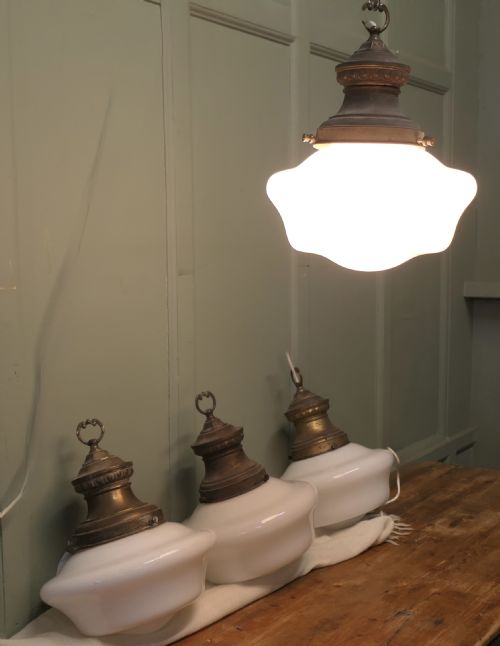
Antique Glass Hanging Lamp
An antique glass hanging lamp brings glowing overhead character to a room, ranging from brass hall lanterns to crystal chandeliers.
Antique Glass Hanging Lamp
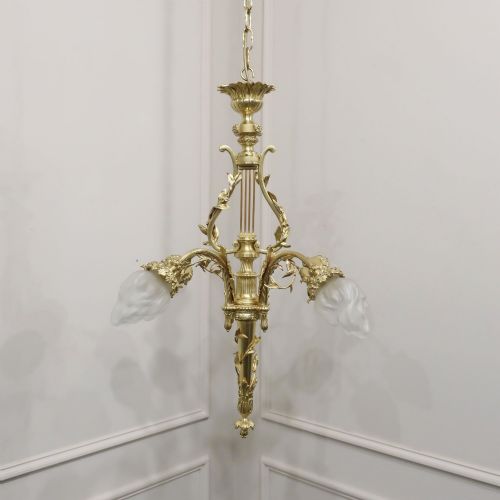
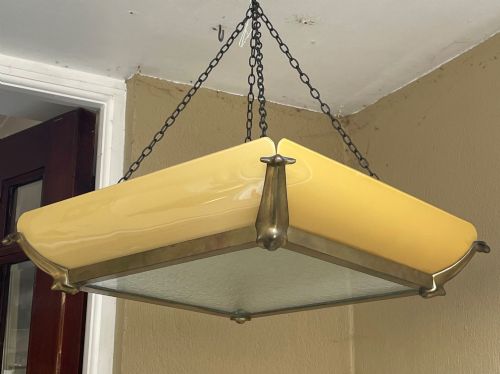
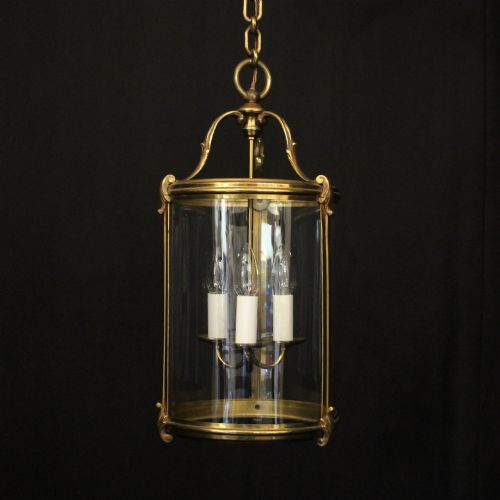
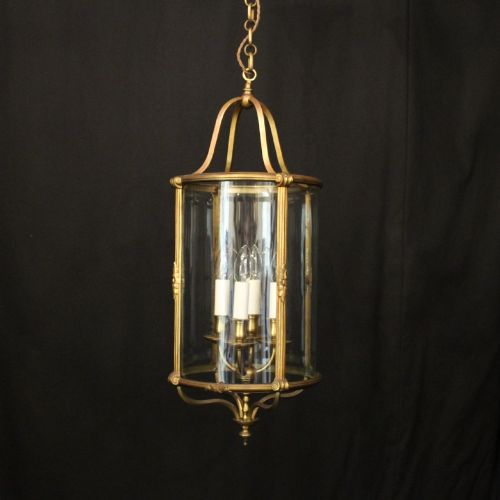
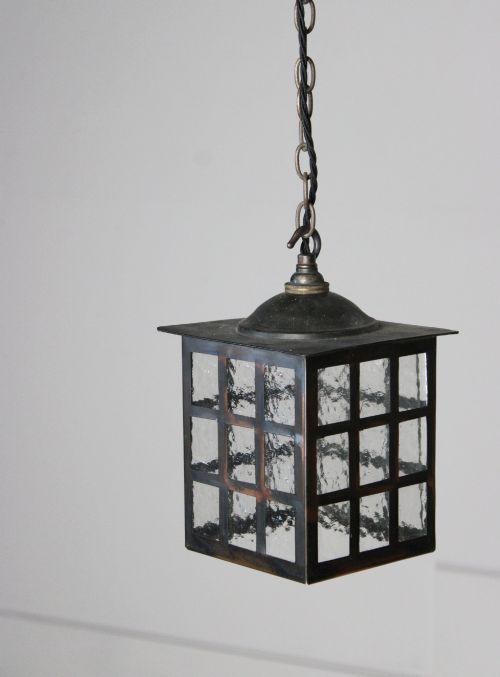
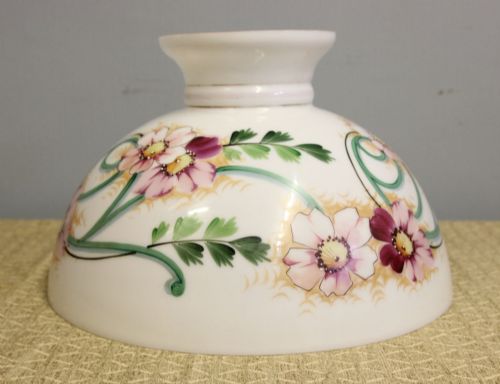
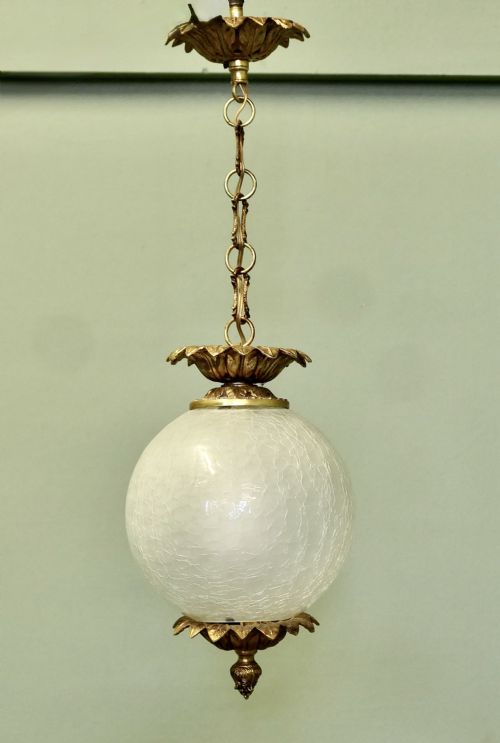
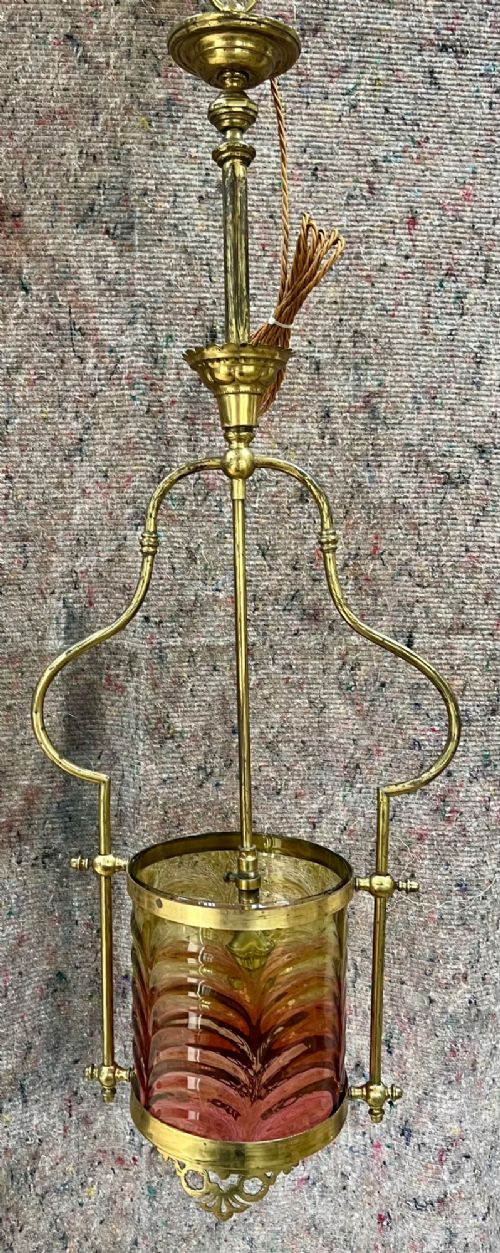
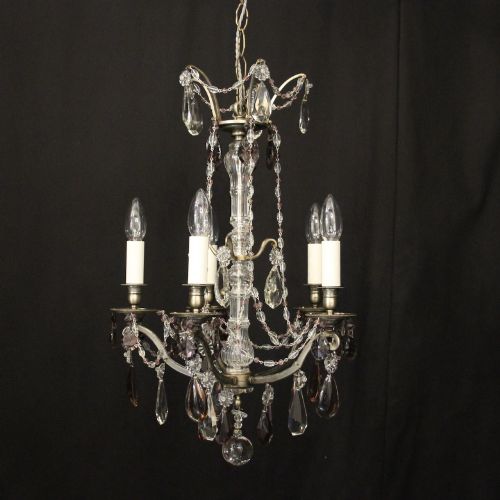
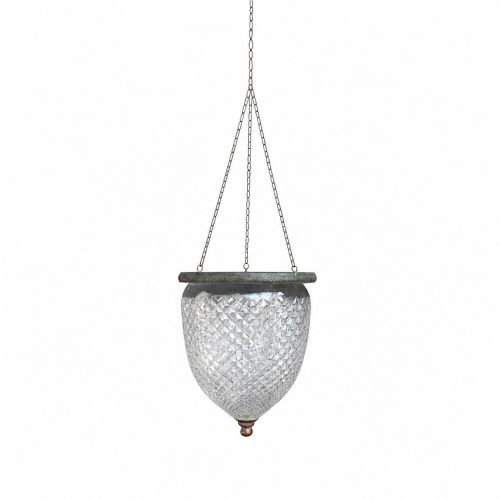
An antique glass hanging lamp spans several forms and decades, appearing as pendant lights, ceiling lanterns, and multi-light chandeliers. Buyers searching for this phrase encounter pieces ranging from Victorian leaded glass and Edwardian brass hall lanterns to Art Deco opaline globes.
The materials combine metal frames with glass shades or crystal drops, suspended by chains or mounted directly as ceiling lights. Origins stretch across British, French, and Italian workshops from the nineteenth and twentieth centuries.
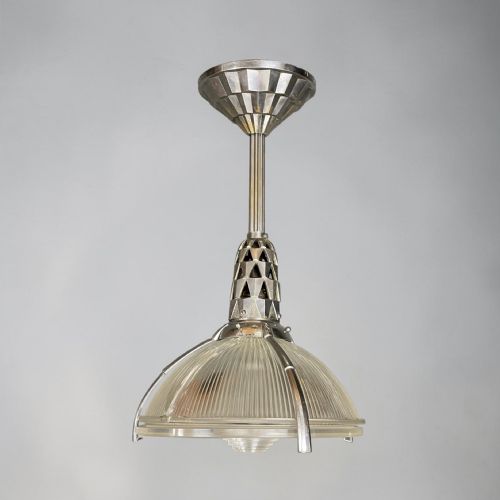
Most examples found here date from the Victorian era through the nineteen-thirties, reflecting stylistic shifts from ornate revivalism to geometric modernist lines. These overhead lights served functional illumination in hallways, rooms, and railway carriages before becoming decorative focal points.
Assessing Quality and Craftsmanship
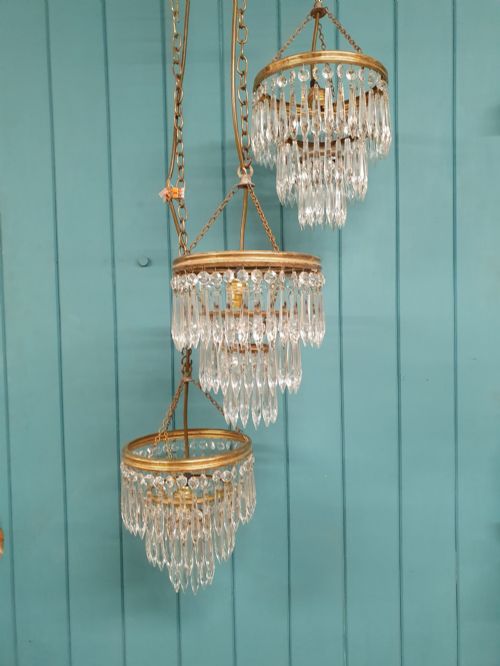
Quality rests in the weight and clarity of the glass, whether hand-cut crystal prisms or thick opaline globes, alongside the solidity of the cast bronze or brass framework. Finer pieces demonstrate crisp chasing on metal mounts and sophisticated integration of glass panels within hexagonal or round lanterns.
The integrity of the original components, from matched shades to authentic hanging mechanisms and burners, elevates a piece significantly. Mass-produced utilitarian items sit at the lower end, whilst bespoke designed chandeliers and marked atelier pieces represent the height of the range.
Materials appearing across these lighting fixtures include brass, copper, crystal, opaline glass, and gilt bronze.
Émile-Jacques Ruhlmann·Holophane·Hinks
The Antique Glass Hanging Lamp Glossary
- Plafonnier
- A ceiling-mounted bowl light or flush fixture that sits close to the ceiling rather than hanging on a long drop. These often utilise frosted or cut glass shades.
- Hall lantern
- An enclosed hanging light designed specifically for entranceways and corridors, typically featuring glazed panels within a brass or bronze frame.
- Opaline glass
- An opaque or translucent pale glass developed in the nineteenth century, frequently used for shades to diffuse light softly without harsh glare.
- Rise and fall
- A mechanical pulley system allowing the hanging lamp to be adjusted up and down in height over a table or seating area.
- Crystal prism
- A cut glass pendant hung from a chandelier or light frame to refract and scatter light around the interior space.
Antique Glass Hanging Lamp: Frequently Asked Questions
How do I hang a heavy antique lamp?
Heavy chandeliers and framed lanterns require direct anchorage into ceiling joists using a steel hook or mounting bracket capable of supporting the combined weight of metal and glass.
Electrical wiring must be routed securely through the hanging chain or suspension rod, with load-bearing weights taken by the hardware rather than the flex.
Can these lamps be wired for modern ceilings?
Most antique fixtures accept standard modern lamp holders and bulbs with appropriate rewiring by a qualified electrician. Original burners or obsolete fittings are usually adapted discreetly to house modern internal electrics.
Care is taken during rewiring to preserve fragile brass components, original chains, and delicate glass shades without altering the exterior appearance.
How do I clean antique glass shades?
Shades and crystals should be removed from the metal frame whenever possible and washed gently in lukewarm water with mild soap. A soft cloth prevents scratching on delicate opaline, painted, or cut glass surfaces.
Harsh chemical cleaners must be avoided, particularly around gilt bronze, lacquered brass, or painted glass details which can degrade easily.
What rooms suit a hanging lantern?
Hall lanterns and compact glass pendants suit entrance hallways, landings, and smaller rooms where overhead clearance matters. Larger multi-light chandeliers and drop pendants fit high-ceilinged reception rooms, dining areas, and stairwells.
Choosing the correct size depends on floor area and ceiling height to maintain visual balance within the interior space.