


Edwardian Glass Pendant Light
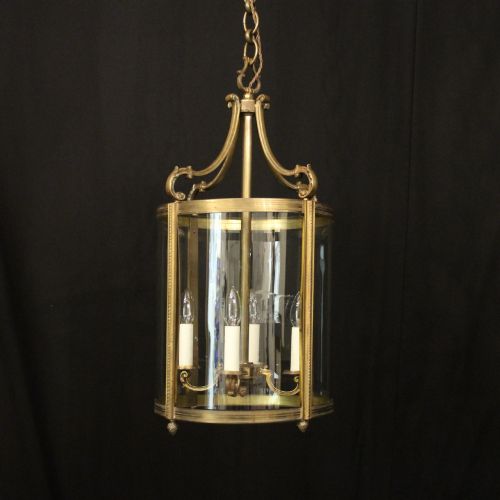
An edwardian glass pendant light brings diffused warmth and period elegance to a hall or room, suspended neatly from a brass or bronze mount.
Edwardian Glass Pendant Light
An edwardian glass pendant light is a ceiling-hung fixture designed to illuminate period spaces with soft, evenly dispersed light. These pieces combine a functional hanging mechanism with decorative glass elements that reflect the aesthetic tastes of the early twentieth century.
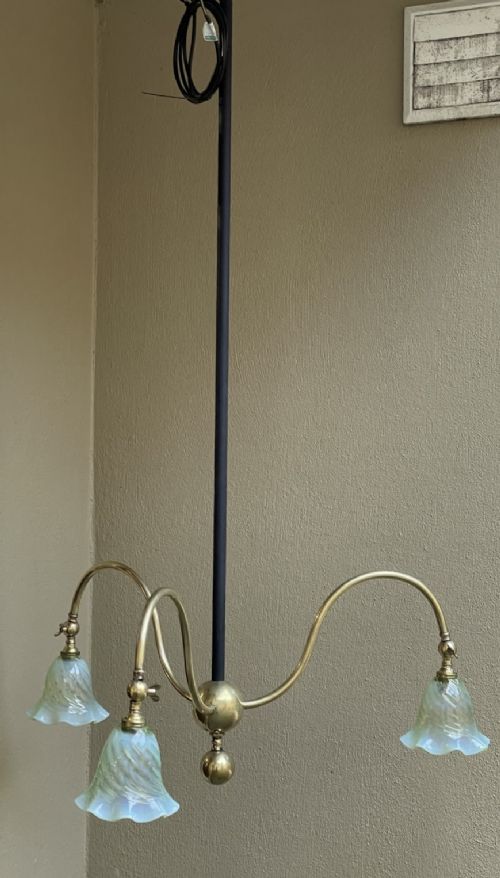
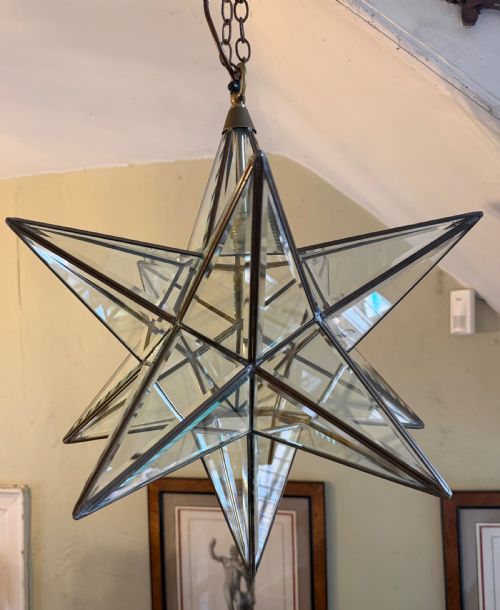
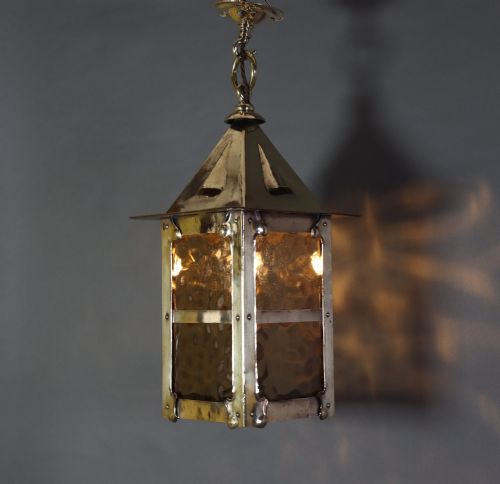
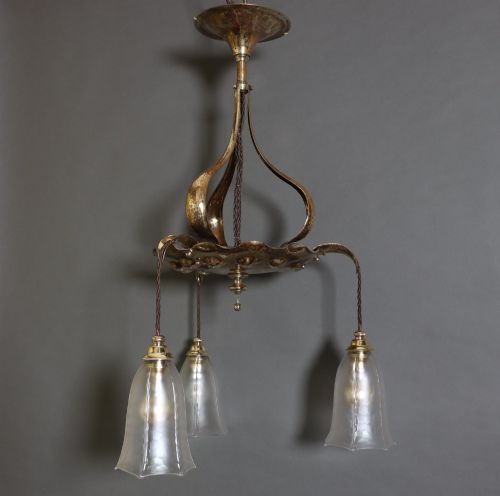
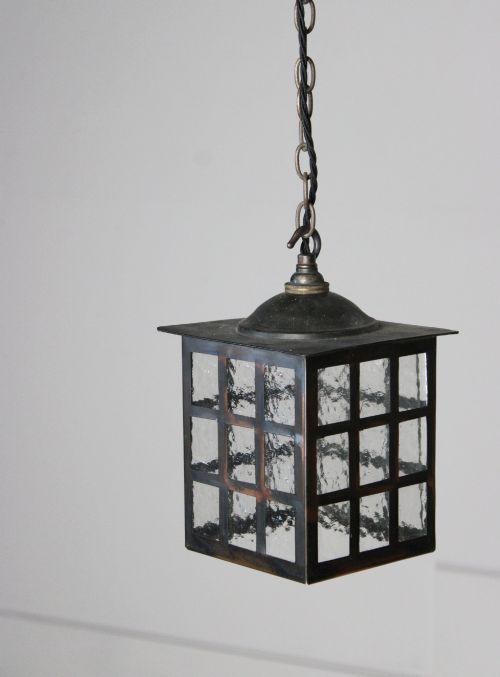
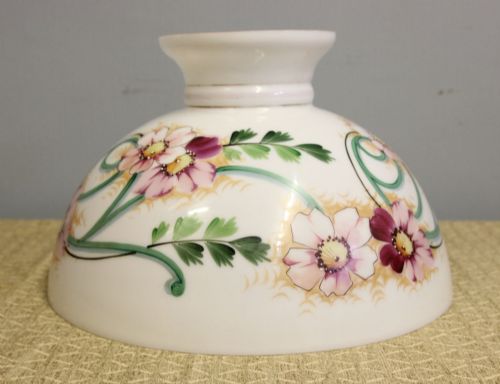
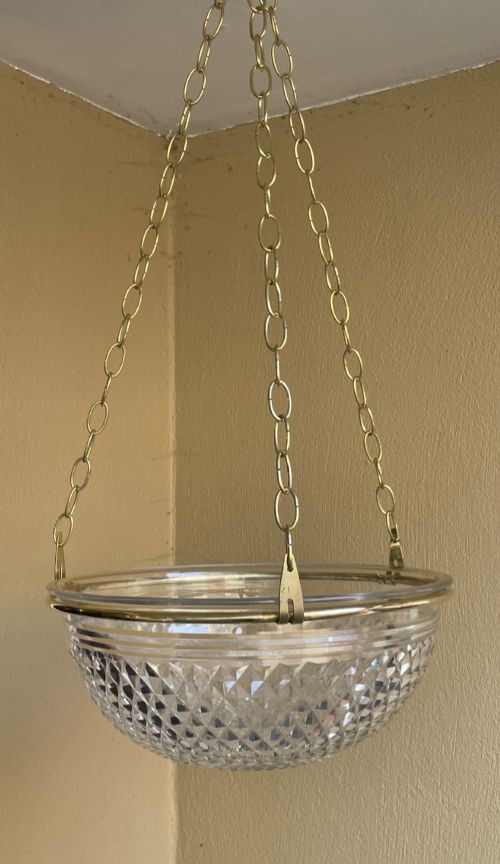
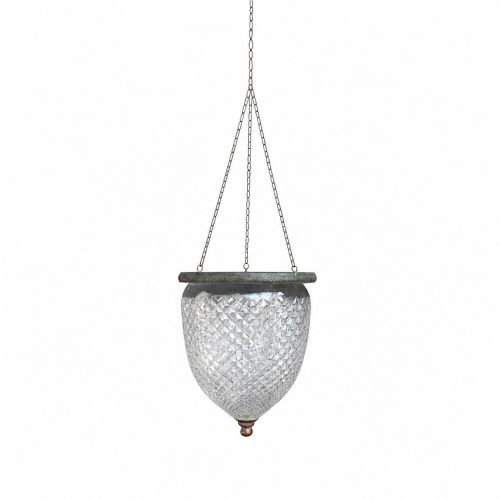
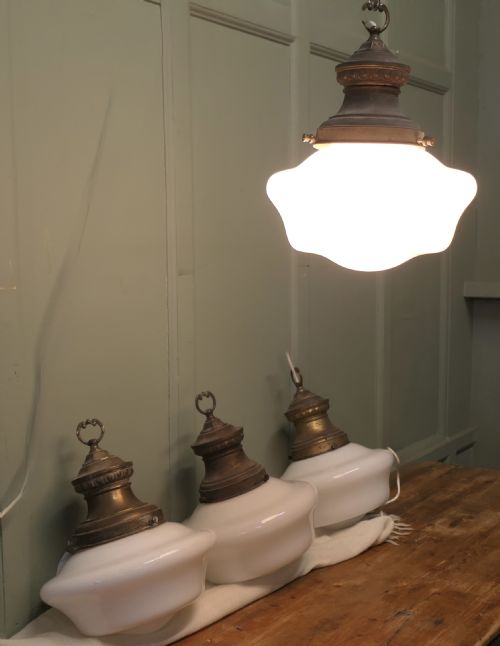
The most common versions met on this page include cut glass globes, acorn plafonniers, and moonstone glass shades supported by brass galleries or metal chains. These designs draw upon Edwardian, Arts and Crafts, and Art Nouveau sensibilities to create practical overhead illumination.
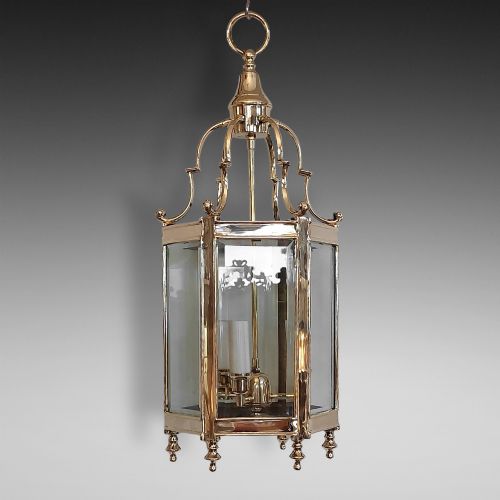
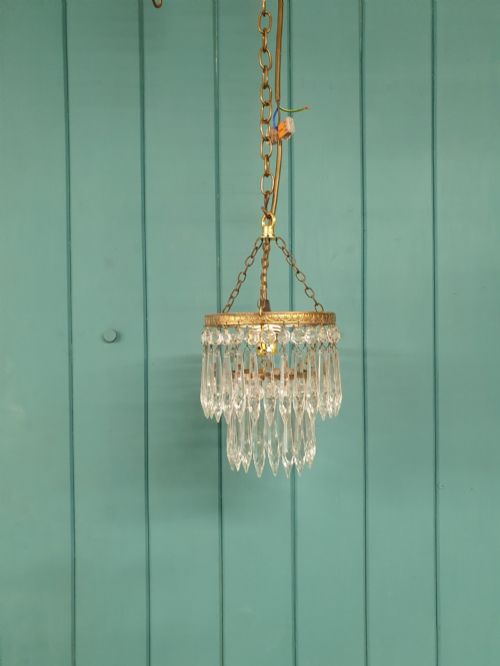
Originating largely from the early twentieth century, alongside related Victorian and 1930s examples, these lights serve as central ceiling fixtures in hallways, porches, and principal rooms. They frequently incorporate brass frames, hexagonal lanterns, or crystal drops to enhance their architectural presence.
Materials and construction
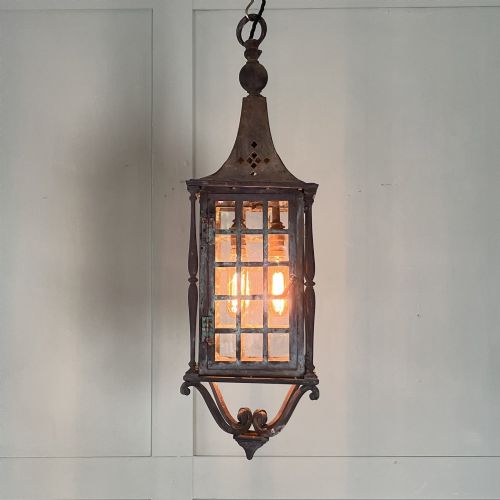
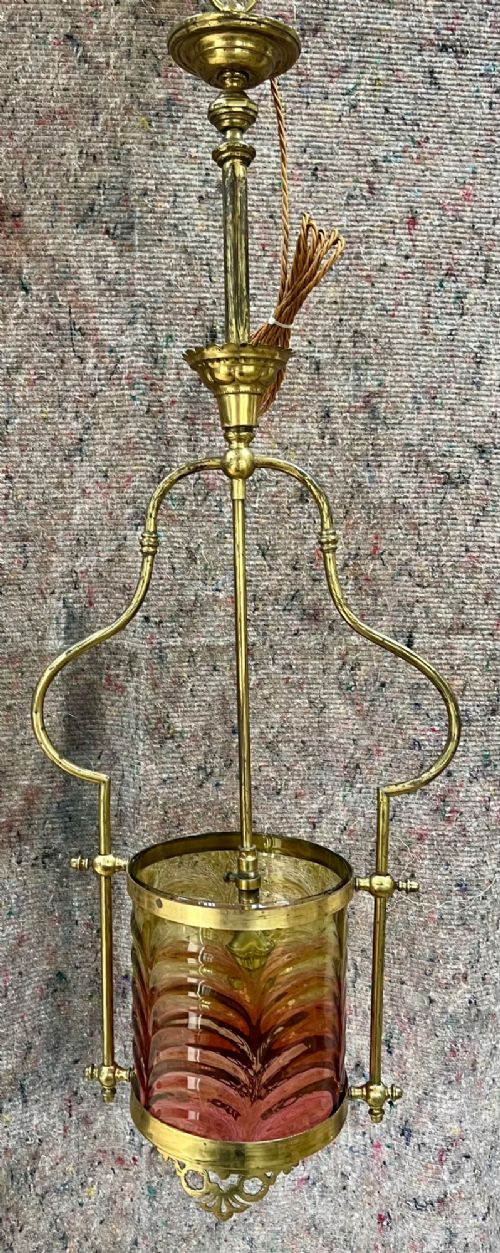
Makers constructed these fixtures primarily using combinations of brass, bronze, or copper frames holding various forms of glass. Cut glass, crystal, opaline, and moonstone glass were utilised to shape globes, shades, and prisms, which were then secured with metal galleries and suspension chains.
Techniques relied heavily on traditional metalworking and glass shaping, including bevelling, moulding, and leaded construction. Frames were cast or fabricated in brass and bronze, sometimes incorporating decorative details such as leaf motifs or lion masks to accent the glass components.
Edwardian Glass Pendant Light Retail Price Guide 2026
Typical asking prices for edwardian glass pendant light among the pieces listed under this phrase on Sellingantiques today, from the lower quarter to the upper quarter. They describe what is for sale here now, not the wider market.
Some hanging lanterns come complete with roaring lion masks peering out from the brass frame to watch over the hallway.
Distinctions in quality
The calibre of a piece is determined by the depth and precision of the glass cutting, the weight of the brass or bronze framework, and the harmony of the overall design. Heavier cast metal mounts and crisply faceted crystal or cut glass separate finer examples from standard production pieces.
Subtleties in finishing, such as integrated leaf decoration, hand-bevelled glass panels, or distinctive shade forms like moonstone and vaseline glass, elevate the character of the fixture. The integrity of the original metal gallery and the sophistication of the suspension detailing further distinguish the upper tier of survivals.
Osler·Voysey
The Edwardian Glass Pendant Light Glossary
- Plafonnier
- A ceiling-mounted light fixture with a bowl-shaped shade that sits close to the ceiling surface. These often feature cut glass or frosted panels.
- Moonstone glass
- A milky, translucent glass type that softens light diffusion and creates a gentle glow. It was widely utilised in Edwardian lighting shades.
- Gallery
- The metal ring or collar that grips a glass shade and connects it to the suspension rod or chain. It frequently displays period brass or bronze patination.
- Cut glass
- Glass decorated by grinding facets or patterns into the surface using a wheel. This technique enhances sparkle and light refraction.
- Rise and fall
- A mechanical pulley system allowing the pendant height to be adjusted up and down. This mechanism is typically balanced by weighted brass fittings.
Edwardian Glass Pendant Light: Frequently Asked Questions
How were edwardian glass pendant lights used?
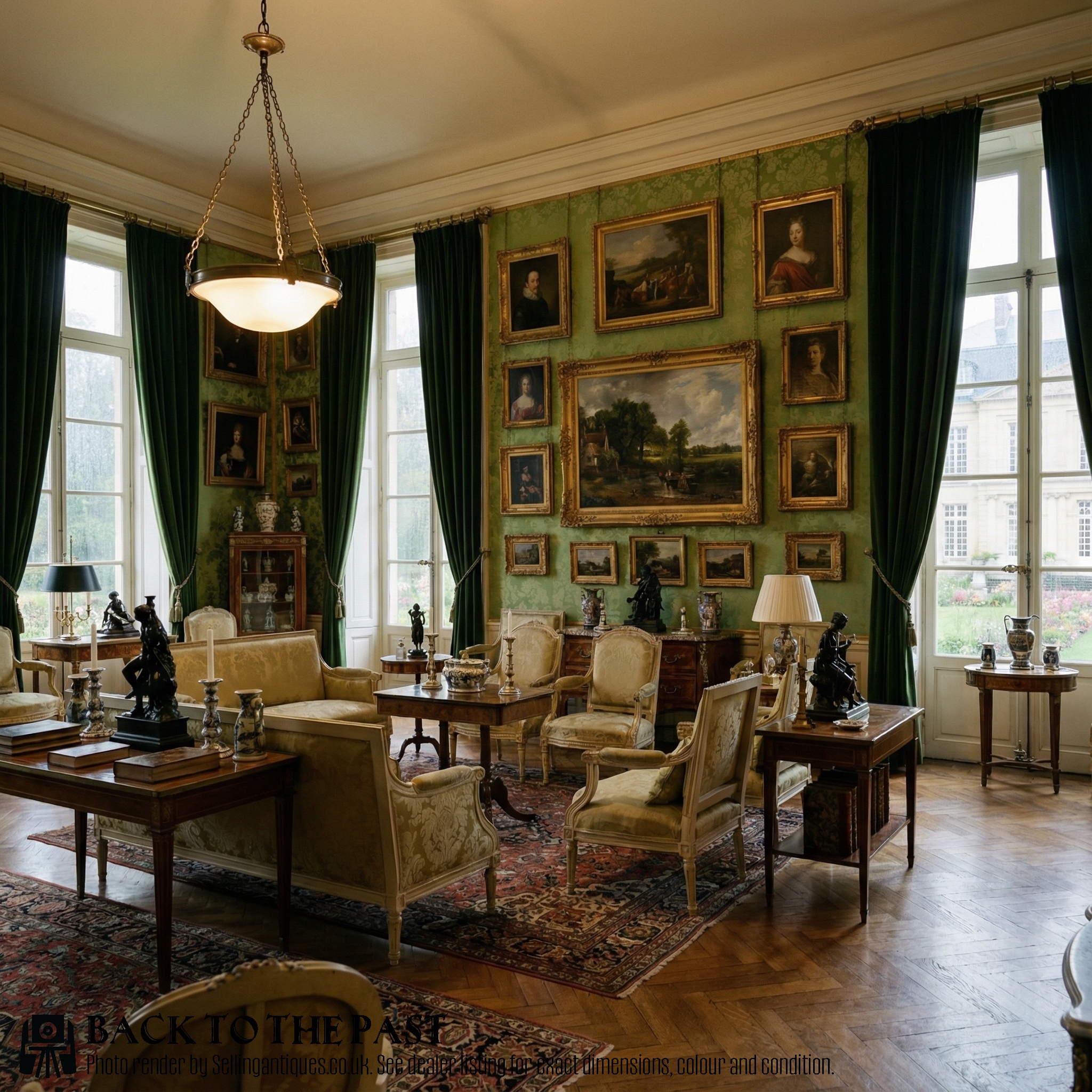
These fixtures provided principal illumination in hallways, stairwells, and parlours during the early twentieth century. Their suspended designs directed light downwards while diffusing a soft ambient glow through the surrounding glass.
Overhead mounting kept floor space free while adding an architectural focal point to domestic interiors. They served both practical lighting needs and decorative purposes in period homes.
What materials make up these lights?
The primary materials are glass and brass, often supplemented by bronze, copper, and crystal. Glass components appear as cut globes, opaline shades, leaded panels, or moonstone bowls.
Supporting frames and galleries utilise cast or sheet brass, sometimes with gilded finishes. Iron and other metals also support structural elements in industrial or lantern formats.
How do I live with an antique pendant light?
Living with these fixtures involves pairing period character with modern electrical standards. Many examples are rewired for contemporary ceiling connections while retaining their original shades and metal galleries.
Ceiling height dictates placement, particularly with rise and fall mechanisms or multi-arm chandeliers. Regular dusting keeps the glass and brass components performing visually.
How can I tell the period apart?
Period distinctions rely on stylistic cues, glass types, and metalworking details. Edwardian pieces often favour moonstone glass, cut crystal, and polished brass, while Arts and Crafts examples display simpler copper or brass frames.
Victorian precursors lean towards heavier leaded glass, whereas later 1930s lighting introduces industrial glass forms and Holophane shades. Comparing frame construction methods helps confirm the era of manufacture.