




White Opaline Lamp
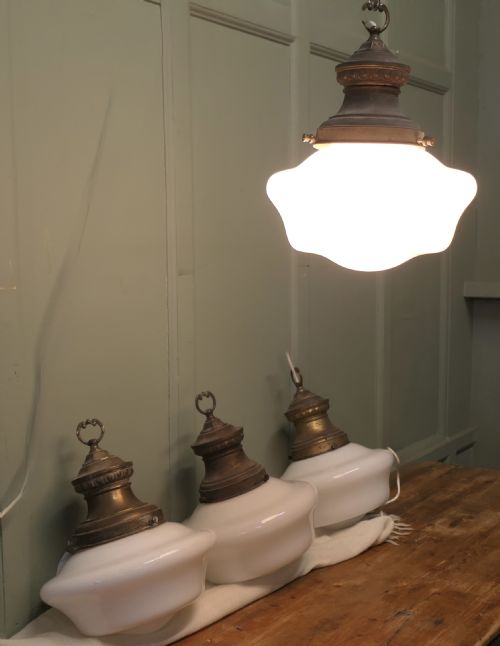
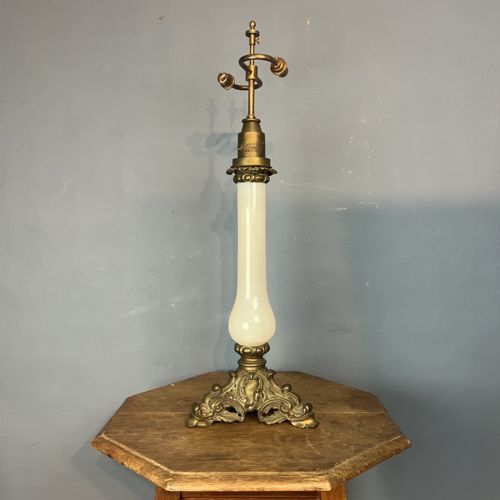
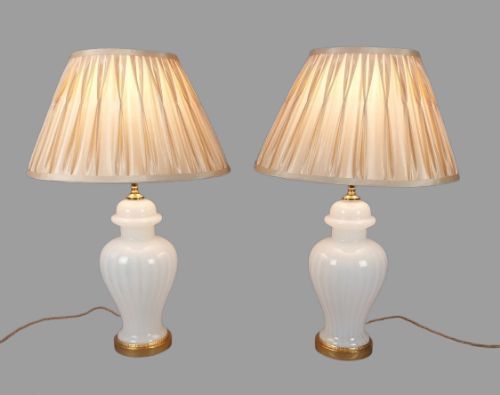
A white opaline lamp brings a soft, diffused glow to a room through dense milk glass paired with brass or bronze.
White Opaline Lamp
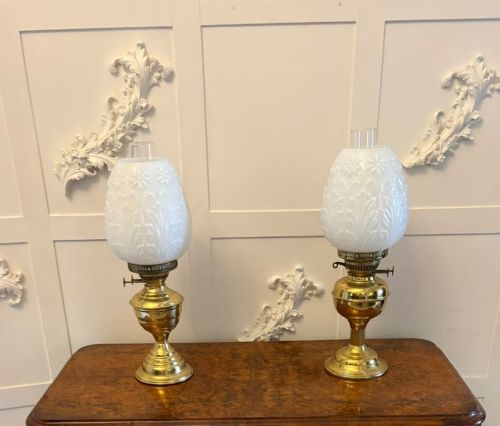
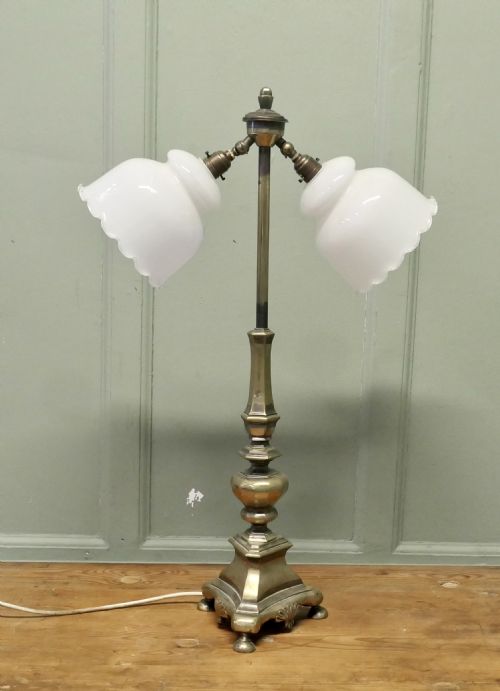
When you search for a white opaline lamp, you encounter lighting fixtures spanning from the mid-nineteenth century through the 1930s. The selection includes table lamps, oil lamps, pendant lights, and ceiling light shades.
Victorian and Edwardian examples frequently combine opaline glass with brass or gilt mounts, while later 1920s and 1930s pieces often adopt industrial pendants or Art Deco chrome settings. French origins appear regularly alongside English pieces in this category.
Materials and construction
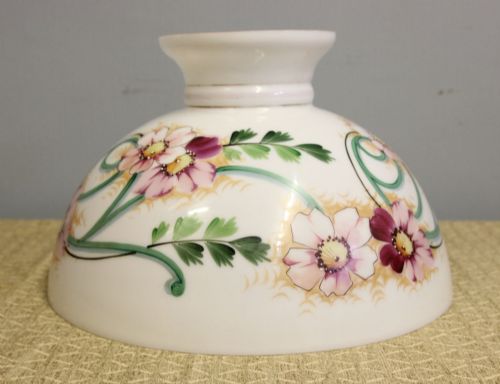
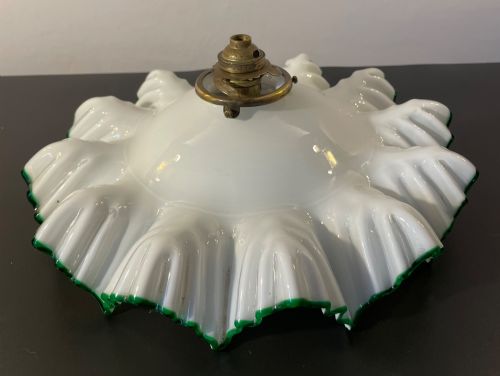
The primary material is opaline glass, an opaque white glass that diffuses light evenly without glare. Makers shaped this glass into spheres, cones, frilled edges, and cylindrical columns.
Metal components such as brass, bronze, copper, and chrome provide structural support, often cast with decorative collars, galleries, or heavy bases to steady the glass elements.
Listings span from the 1850s Victorian era through to 1930s Modernist designs, using brass, chrome, bronze, and opaline glass.
Assessing quality in construction
Quality rests in the weight and thickness of the opaline glass, alongside the precision of the metal casting in the brass or bronze mounts. Finer pieces display crisp hand-painted details or clean gilt highlights that remain intact over decades.
The integration between the glass shade and the metal gallery distinguishes standard production from superior examples, with higher-tier pieces showing secure, well-fitted hardware without visible warping.
JOSEPH HINKS·Wild and Wessel
The White Opaline Lamp Glossary
- Opaline glass
- Opaque white glass developed to diffuse light softly while concealing the internal burner or bulb. It forms the primary shade or body of these lamps.
- Gallery
- The metal ring or collar that holds a glass lampshade in place. Galleries are frequently cast in brass, bronze, or copper.
- Pricket lamp
- A form of candlestick or lamp featuring a central metal spike that secures the candle or supports the upper fitting. Several nineteenth-century examples utilise this configuration.
- Pendant light
- A lighting fixture suspended from the ceiling by a cord, chain, or rod. These often feature conical or spherical opaline shades.
White Opaline Lamp: Frequently Asked Questions
How do I wire an antique opaline lamp?
Most antique lamps require rewiring to meet current electrical standards before use in a modern home. A qualified electrician can replace vintage flex and internal fittings while preserving the original brass or bronze exterior.
Ensure the electrician retains the original lamp holder if possible, as older switches and keyholders add character to the finished piece.
Are opaline glass shades fragile?
Opaline glass is robust due to its thickness, but the edges of frilled or ruffled shades remain vulnerable to chipping. Handle the glass sections with care during cleaning or relocation.
When removing shades from brass galleries, loosen the fitter screws gently to avoid applying pressure directly to the glass rim.
How do I clean a white opaline lamp?
Use a soft cloth dampened with warm soapy water to wipe dust and residue from the glass surface. Avoid abrasive scourers that might scratch the glaze or remove hand-painted details.
Polish metal components such as brass and chrome separately with an appropriate metal cleaner, taking care not to stain the white glass.
How can I date an opaline lamp?
Dating relies on the combination of materials, screw threads, and stylistic cues like Victorian brass castings or Art Deco chrome finishes. Stamped maker marks or patent names on the metal mounts also help establish an era of manufacture.
Examine the wiring entry points and fitter galleries, as older manufacturing techniques leave distinct tool marks absent in modern reproductions.