
Brass Glass Table Light
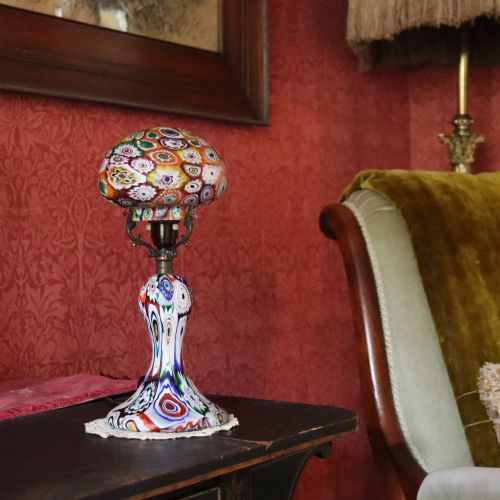
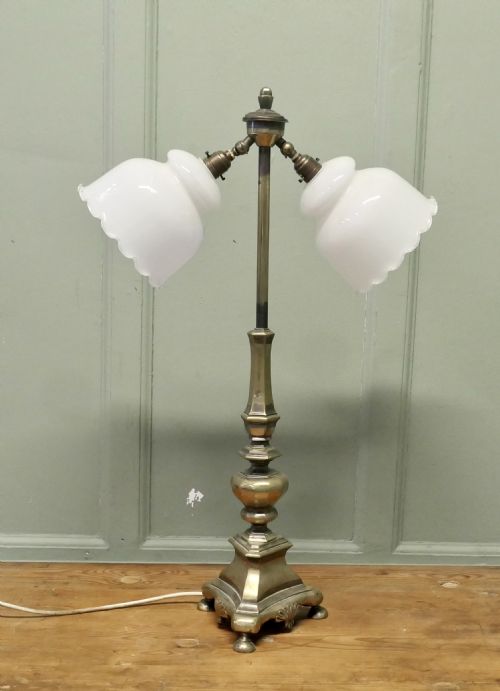
These brass glass table light pieces combine gleaming metal and luminous shades to bring warm, period illumination into a room.
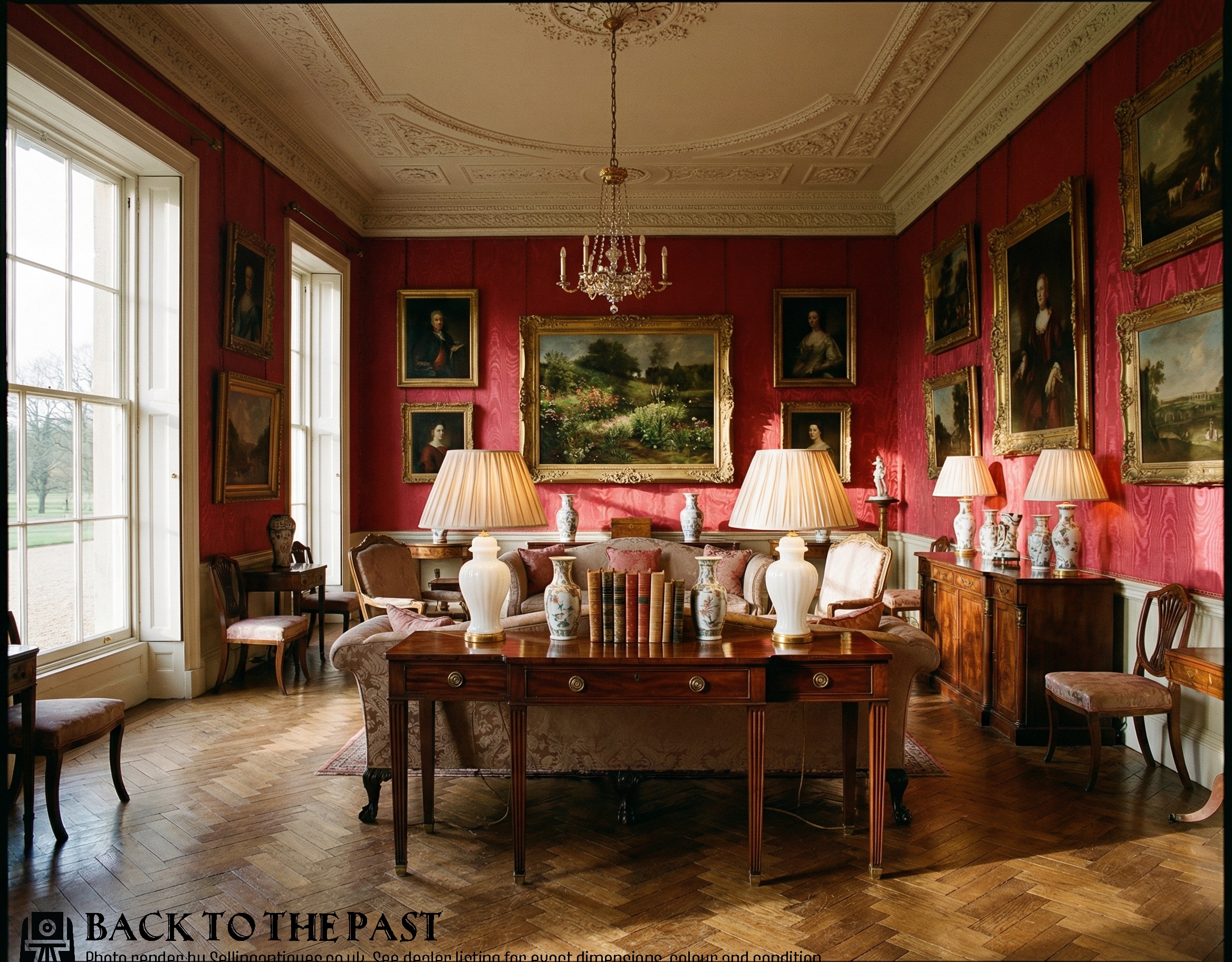
Brass Glass Table Light
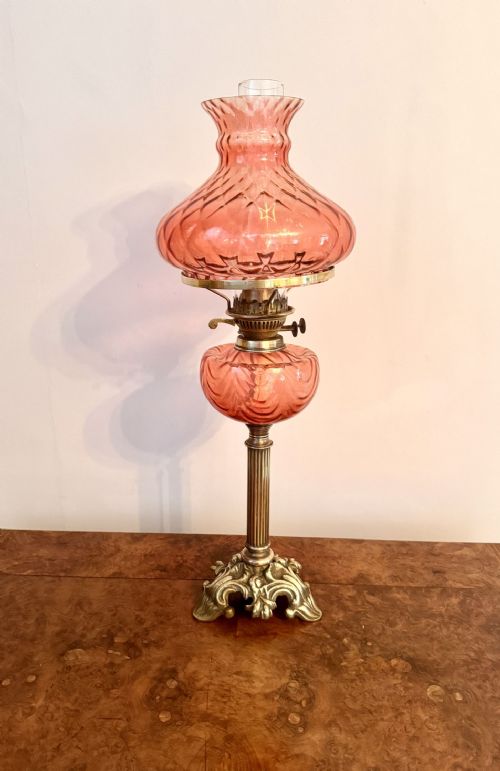
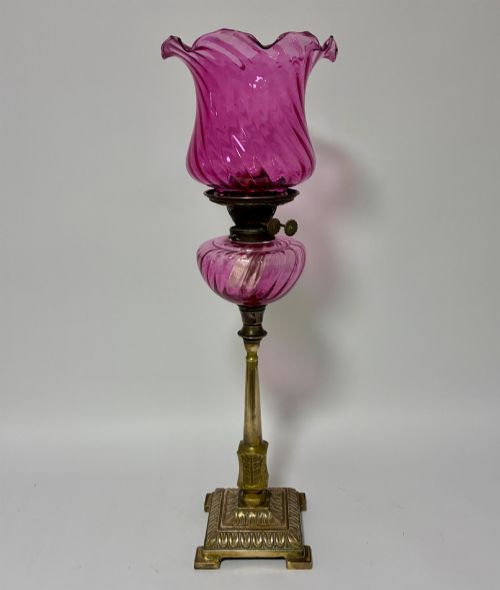
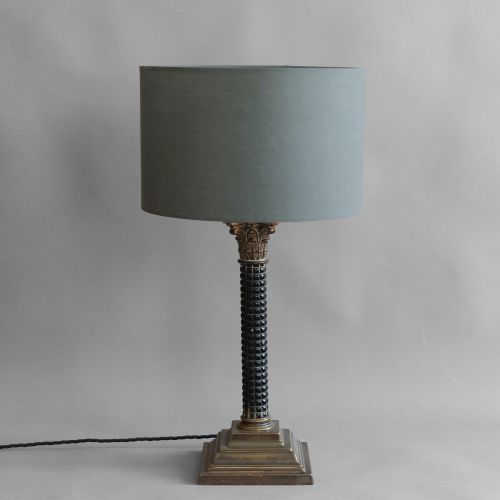
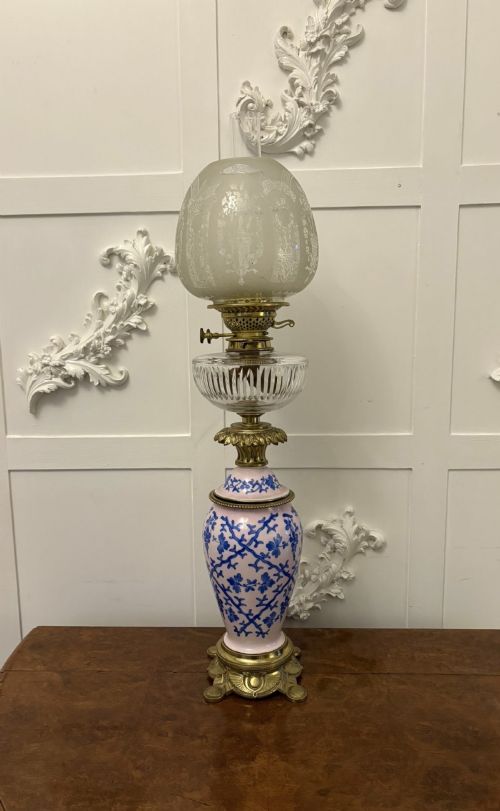
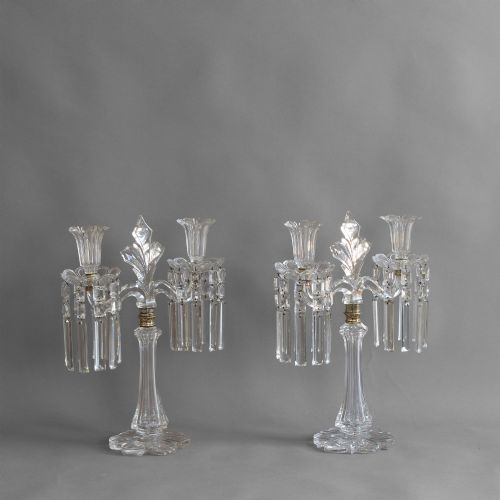
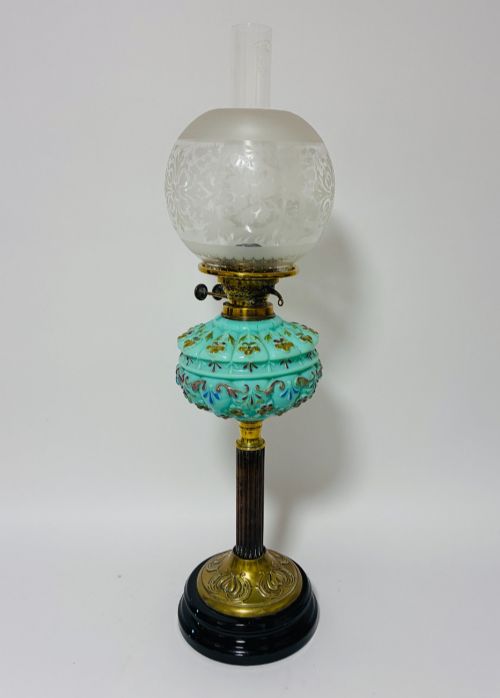
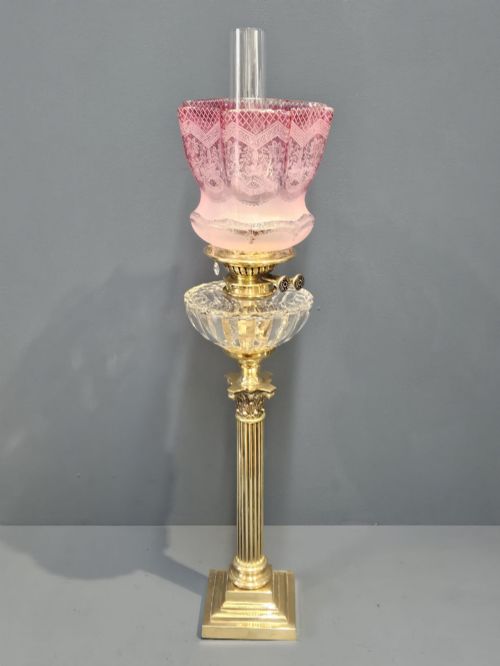
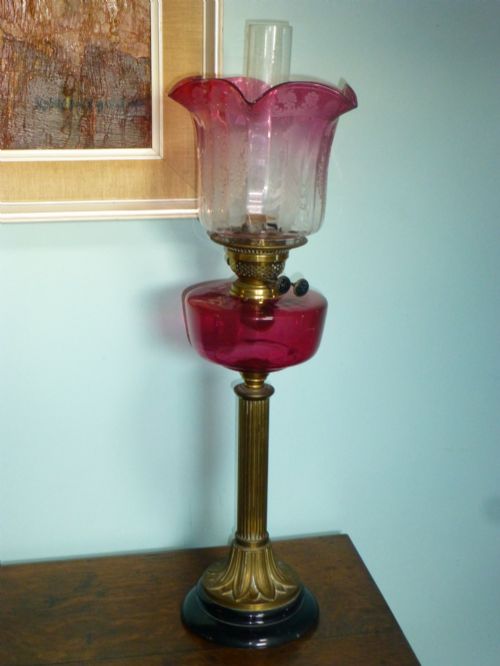
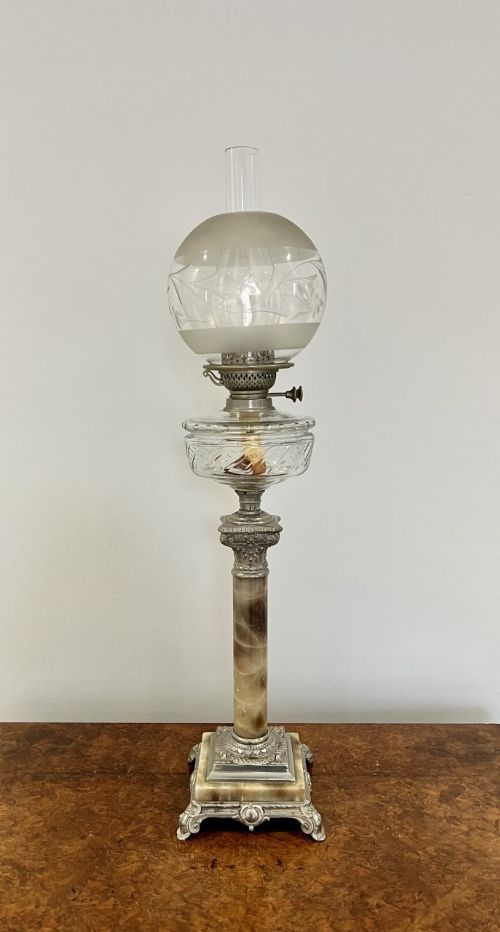
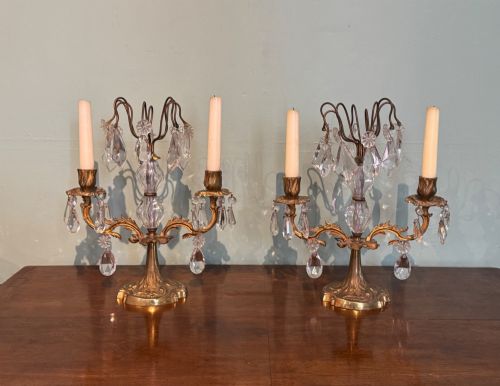
A buyer searching for a brass glass table light encounters a diverse range of historic lighting forms, most frequently Victorian and Edwardian oil lamps, desk lamps, and candelabras. These pieces combine substantial cast or turned brass bases with contrasting glass reservoirs, columns, or decorative shades.
The selection spans from classical Corinthian column oil lamps to later electrified reading lamps and novelties, reflecting changes in interior lighting technology and design across the nineteenth and early twentieth centuries. Many examples incorporate coloured, etched, or hand-blown glass components that alter the quality of the illumination they cast.
Materials and Construction
Maker workshops constructed these lamps using durable brass alloys for structural columns, bases, and burner mechanisms, often pairing them with blown, pressed, or cased glass fonts and shades. Materials such as cranberry glass, opaline, cut crystal, and vaseline glass provided vibrant colour and texture to complement the polished or patinated metalwork.
Metal components were cast, spun, or turned on lathes, then assembled with threaded fittings to secure delicate glass reservoirs and chimneys safely. Artisans finished the surfaces through polishing, gilding, or patination to achieve the desired decorative effect.
Materials recorded across the inventory include brass, glass, ceramic, porcelain, opaline, cranberry glass, and fabric.
Assessing Quality and Craftsmanship
The distinction between standard production and superior examples lies in the weight of the brass casting, the crispness of the architectural detailing on columns, and the depth of hand-cut or painted decoration on the glass. Heavier gauges of brass and well-proportioned classical motifs indicate a higher grade of manufacture.
Furthermore, the integration of matching or original components, such as signed burners, undamaged hand-blown shades, and properly fitted crystal prisms, elevates the integrity and desirability of an individual piece.
Fratelli Toso·Gustave Serrurier Bovy·Hinks·Taylor Tunnicliff·Mc Gary
The Brass Glass Table Light Glossary
- Duplex burner
- A double-wick burner mechanism designed to produce a brighter flame than single-wick variants. These were commonly fitted to larger nineteenth-century oil lamps.
- Font
- The oil reservoir of a lamp, frequently manufactured from coloured, cut, or opaline glass to sit atop a metal or ceramic base.
- Corinthian column
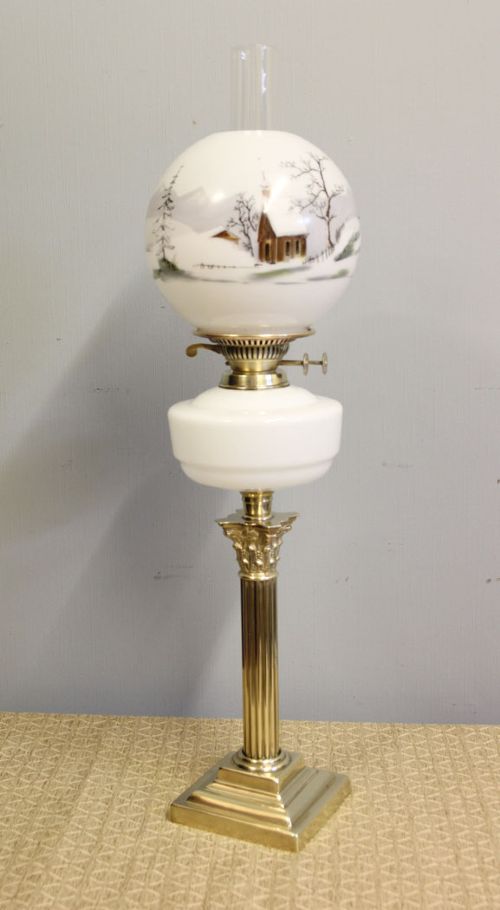
- An architectural column style featuring ornate, acanthus-leaf capitals adapted by Victorian makers for tall brass lamp standards.
- Cranberry glass
- A rich red-pink glass coloured with gold chloride during production, highly favoured for Victorian lamp shades and fonts.
Brass Glass Table Light: Frequently Asked Questions
How do I safely clean brass and glass parts?
Use a soft, dry cloth to remove dust from the brass and avoid harsh commercial dips that strip historic patina. Glass shades can be washed gently in lukewarm soapy water, ensuring they are completely dry before reassembly.
Take care around hand-painted or gilt details on the glass, as abrasive cleaners will permanently damage the surface decoration.
Were these lamps converted from oil to electricity?
Many period oil lamps found today have been thoughtfully adapted for modern electrical use to allow safe daily living. Professional conversions usually route wiring internally through the original burner or column without destroying historic metalwork.
Checking the underside or burner collar often reveals how the adaptation was achieved by past owners.
How can I tell Victorian lamps from Edwardian ones?
Victorian examples frequently display heavier, ornate casting, deep cranberry or opaline glass, and classical architectural elements like Corinthian columns. Edwardian pieces often move towards lighter proportions, slender twists, and softer aesthetic influences.
Examining the patent marks, burner styles, and mounting techniques helps narrow down the manufacturing decade.
Can I find matching pairs of these table lights?
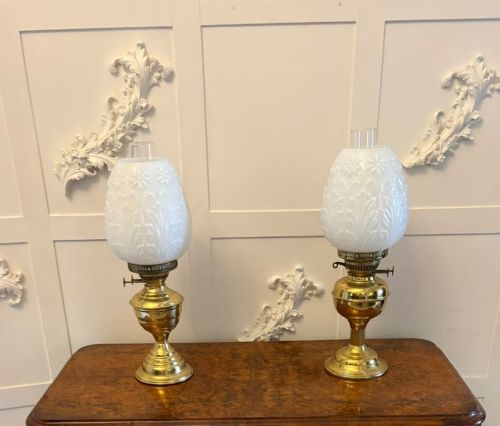
Pairs do appear among the selection, particularly in the form of lustres, candelabras, and matching bedside or desk lamps. These matched sets usually share identical brass castings and glass shades produced in the same workshop.
Near pairs, which share similar heights and materials but vary slightly in detail, also reflect historical pairing practices.