



1930s Opaline Glass Light
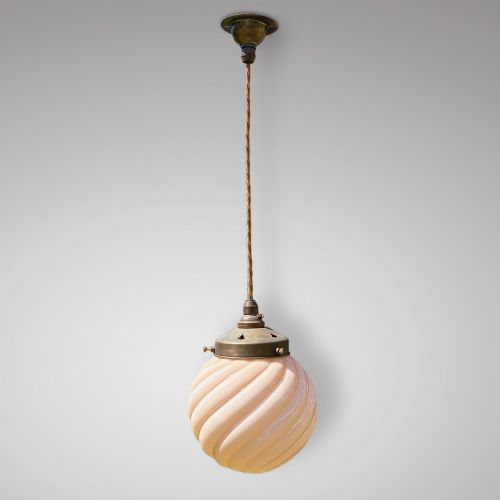
A 1930s opaline glass light brings a soft, diffused glow to a room through its milky, translucent surface.
1930s Opaline Glass Light
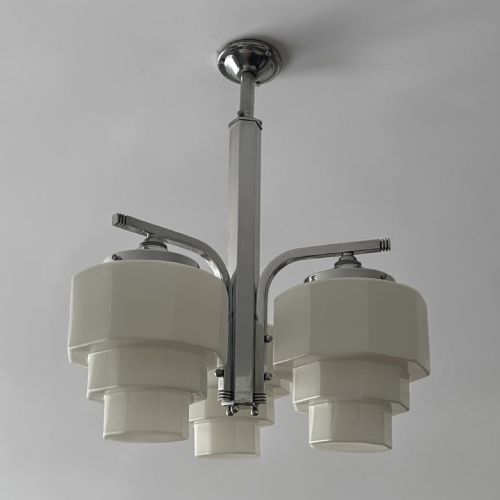
When you search for a 1930s opaline glass light, you are looking at domestic and hallway illumination from the interwar period, spanning table lamps and ceiling pendants. These pieces originate predominantly from French workshops and English makers, capturing the distinct aesthetic of the era.
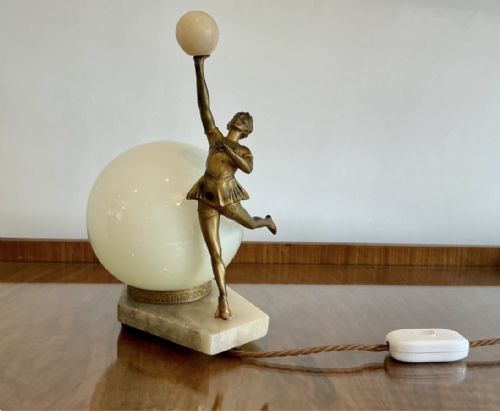
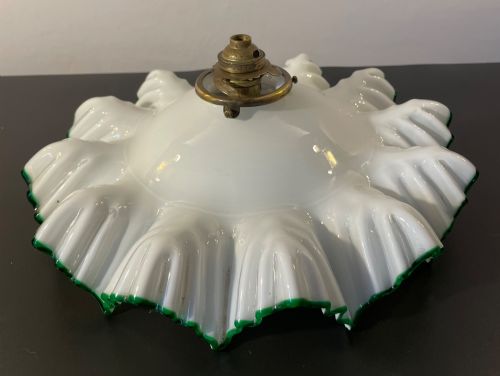
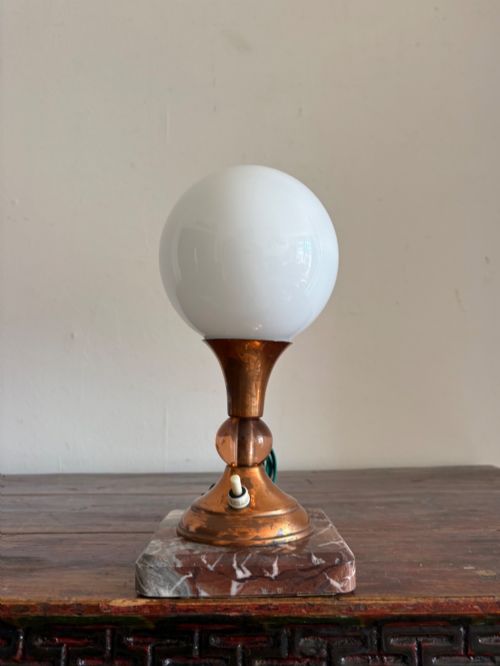
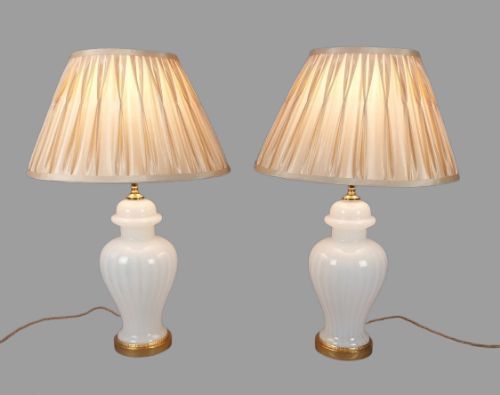
You are most likely to meet pendant lights and table lamps on this page, often featuring pear shapes or fish scale textures. Materials such as brass, copper, marble, and chrome frequently accompany the milk white glass shades.
The objects bridge utilitarian function and decorative Art Deco style, sometimes incorporating spelter figures like night light seagulls or fabric flex wiring. Simple hallway pendants sit alongside elaborate figural table lamps supported by marble bases.
How they were made
Glassmakers created opaline glass by adding bone ash or metal oxides to the molten mixture to achieve its characteristic milky translucence. This technique diffuses light evenly without harsh glare.
Metal components in brass, copper, and chrome were cast or spun to fit the glass shades, whilst bases frequently utilised heavy materials like marble and granite for stability.
Listings feature items spanning the 1920 and 1930 periods, incorporating brass, marble, chrome, copper, and fabric flex.
What varies in quality
The weight and consistency of the opaline glass distinguish finer examples from standard production. Heavier, evenly dispersed milk glass with subtle mottling indicates superior manufacture.
The integration of secondary materials dictates overall refinement, such as solid brass fittings and genuine marble or granite bases rather than plated substitutes.
The 1930s Opaline Glass Light Glossary
- Opaline glass
- A translucent, milky-white glass developed to diffuse light softly across a room. It frequently appears in 1930s pendant lights and table lamps.
- Spelter
- A zinc alloy commonly used in the twentieth century as a cheaper alternative to bronze for casting decorative figures like lamp bases.
- Art Deco
- A design style prevalent in the 1920s and 1930s characterised by geometric symmetry, stylised motifs, and sleek metallic finishes.
- Pendant light
- A hanging light fixture suspended from the ceiling by a cord, chain, or metal rod, designed to illuminate specific spaces.
1930s Opaline Glass Light: Frequently Asked Questions
How do I hang a pendant light?
Ceiling pendants suspend from a secure hook or electrical rose fixed to the ceiling joists. Ensure the weight is supported independently of the wiring.
Professional installation by a qualified electrician guarantees safety and correct height adjustment for your space.
What rooms suit opaline lighting?
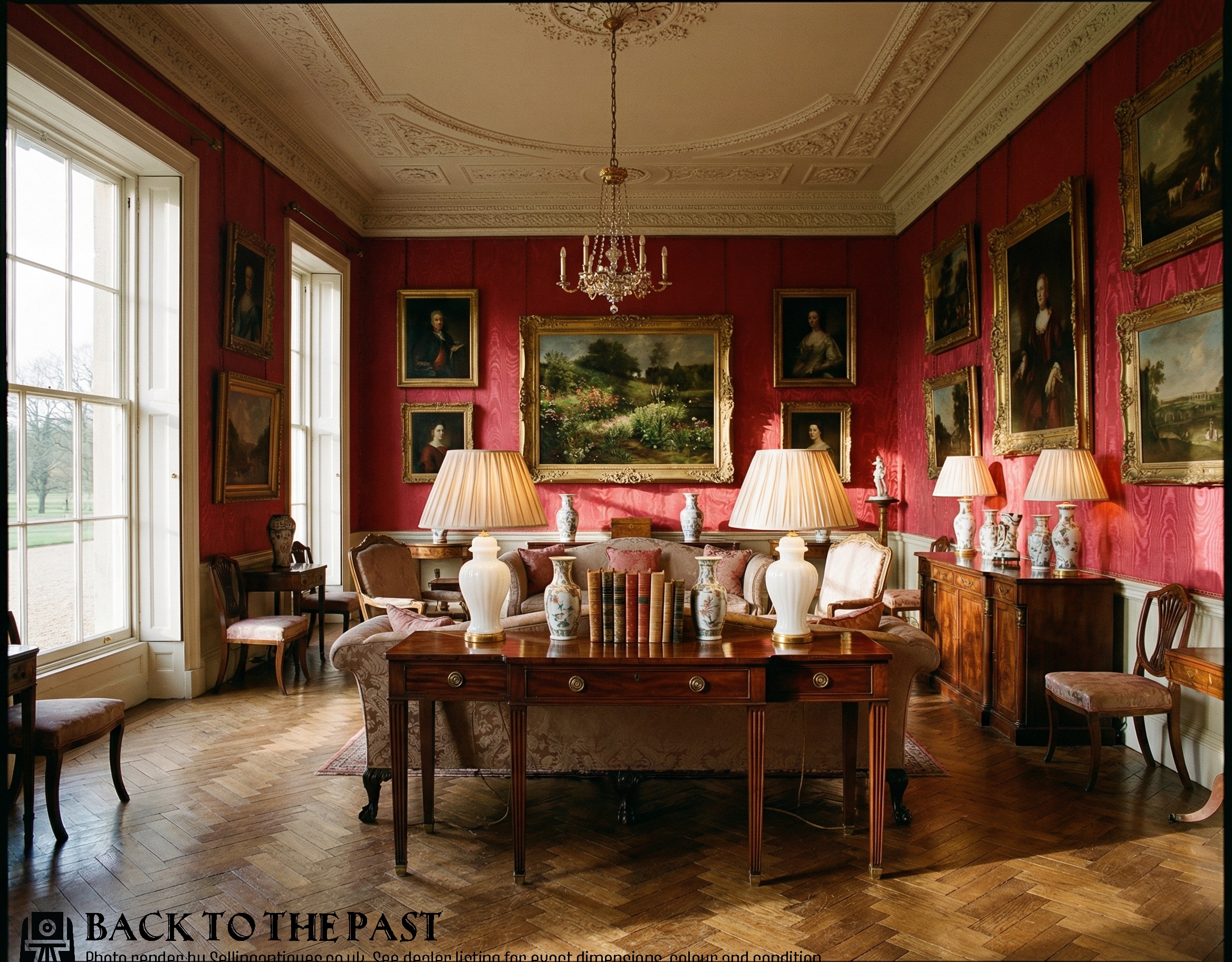
The soft diffusion of milky glass works well in hallways, kitchens, and bedrooms where glare needs reduction. Their Art Deco styling complements period properties and modern interiors alike.
Smaller table lamps fit neatly on bedside tables or sideboards, whilst hanging fixtures anchor central room spaces.
How do I clean milk glass?
Wipe the glass surface gently with a soft, damp cloth using mild soapy water. Avoid harsh abrasives that might scratch the delicate finish.
Dry thoroughly with a lint-free cloth to maintain the soft sheen characteristic of opaline lighting.
Are these lights wired for modern use?
Many vintage pieces retain older wiring or fabric flex that requires inspection by a competent professional before installation. Updating components ensures compliance with current electrical safety standards.
Retaining original brass or chrome fittings during rewiring preserves the historical integrity of the piece.