
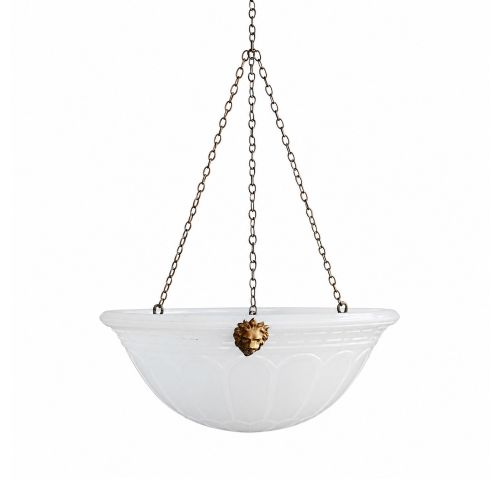
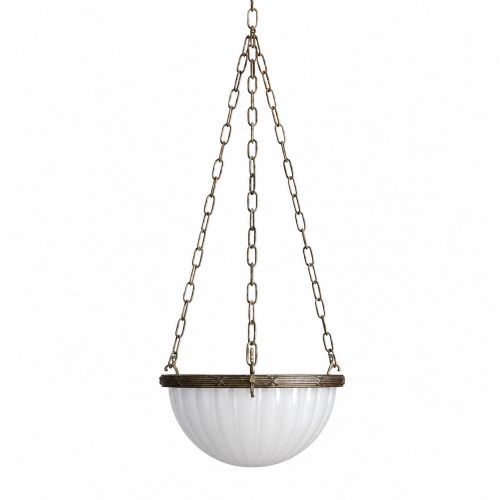
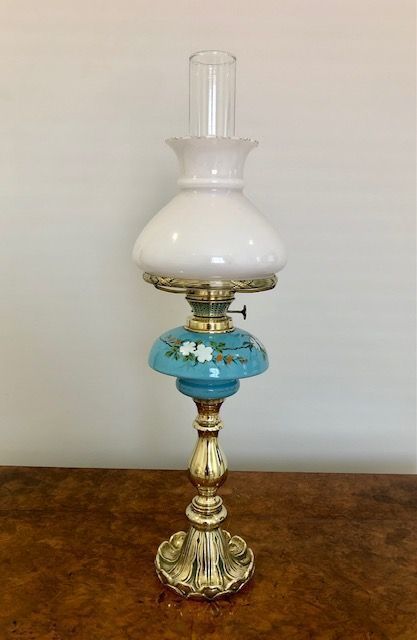


White Opal Glass Shade
A white opal glass shade brings a diffused, milky glow to a room, catching the light with a quiet depth that modern reproductions simply miss.
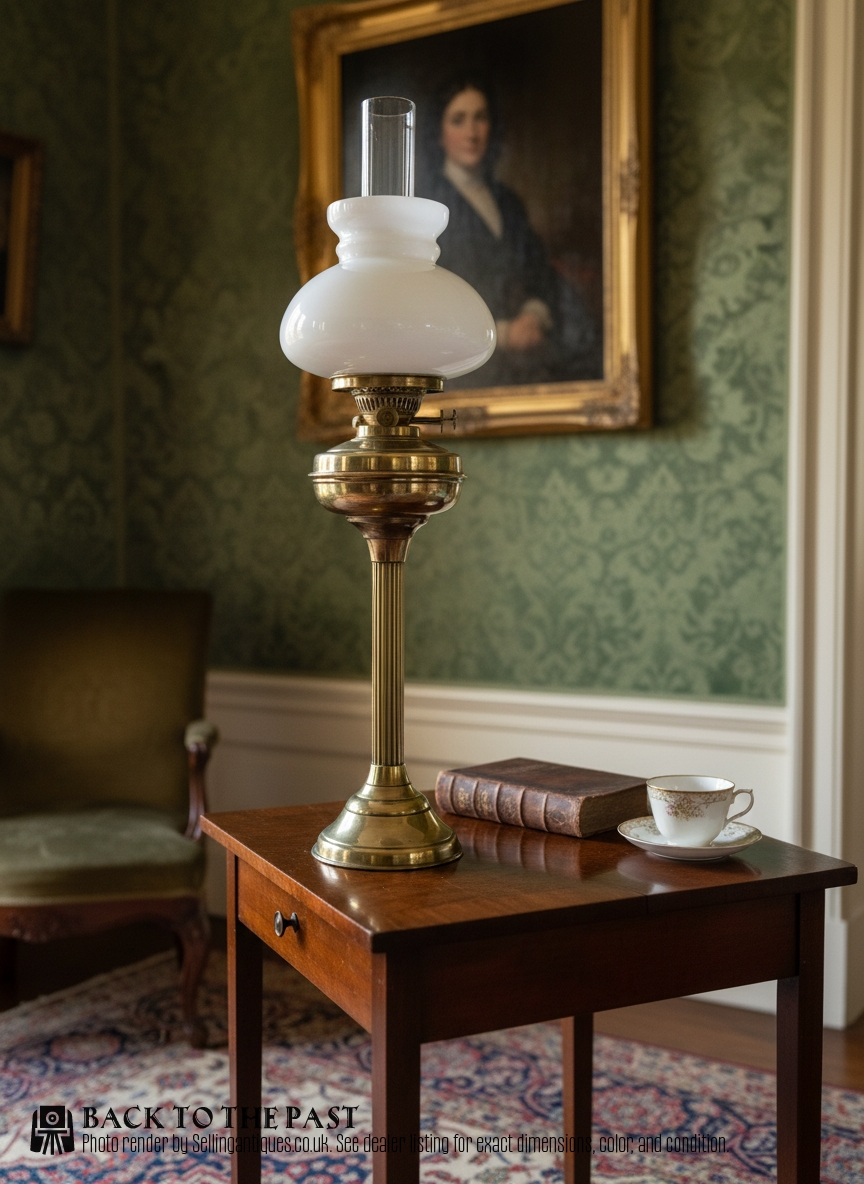
White Opal Glass Shade
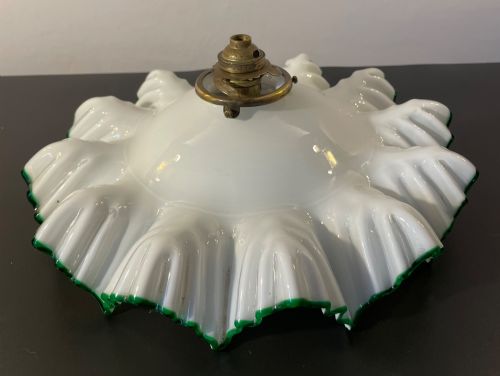
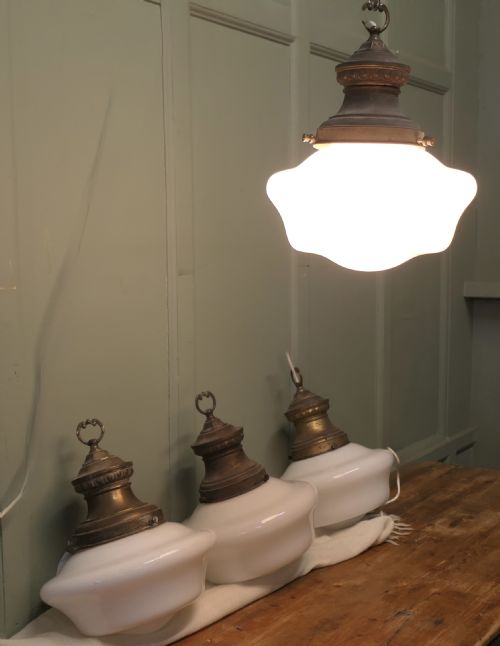
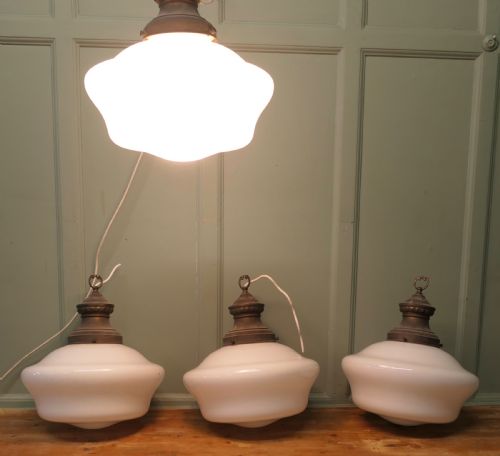
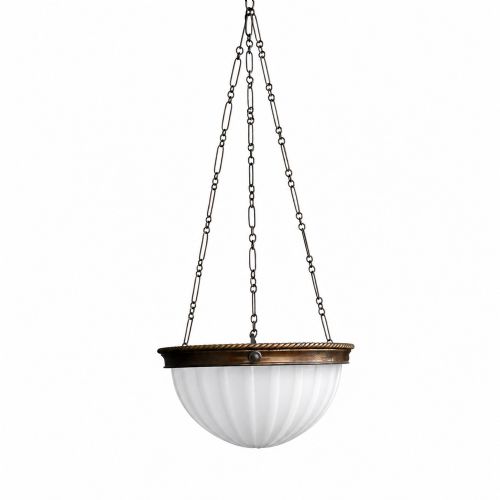
When you search for a white opal glass shade, you find lighting components spanning the Victorian, Edwardian, and mid-century periods, alongside industrial forms from the early twentieth century. These pieces range from diminutive shades and frilled French designs to large pharmacy pendants and oil lamp globes.
Whether housed in a conical pendant or a trade sign light, the primary function of these forms remains the softening of interior illumination. Their varied silhouettes reflect the changing domestic and commercial lighting needs across multiple decades.
How these shades were formed and mounted
Makers produced these shades using specialised glassblowing techniques that suspended metallic oxides within the molten material to create the characteristic milk-white opacity. This composition scatters light evenly without harsh glare.
Metal fittings such as brass collars, copper galleries, and suspension rings complete many of the pieces, securing the glass safely to oil lamps and ceiling fixtures.
White Opal Glass Shade Retail Price Guide 2026
Typical asking prices for white opal glass shade among the pieces listed under this phrase on Sellingantiques today, from the lower quarter to the upper quarter. They describe what is for sale here now, not the wider market.
Materials across these listings include brass, opalescent glass, moonstone glass, and copper alongside standard opal glass.
What separates the finest examples from the rest
The distinction between standard utility items and superior examples lies in the density and purity of the glass mix, which governs how smoothly the light diffuses across the surface. Heavier walls and subtle gradations in tone indicate deliberate craftsmanship rather than mass production.
The integrity of the original fitter rims and the retention of period metal mounts add significantly to the integrity of a piece, distinguishing untouched survivors from later adaptations.
Jefferson Glass Company
The White Opal Glass Shade Glossary
- Opaline Glass
- An opaque or translucent glass, often milk-white in appearance, prized for its soft light diffusion in nineteenth and twentieth-century lighting.
- Moonstone Glass
- A specific type of art glass with a cloudy, textured appearance that mimics the soft sheen of the gemstone.
- Opalescent Glass
- Glass containing ingredients that cause it to display milky blue or fiery highlights when lit from within.
- Gallery
- The metal ring or collar at the top of a shade used to secure it to a lamp holder or suspension fitting.
- Fitter Rim
- The specific edge of the glass shade designed to be gripped by screws or a gallery on a light fixture.
White Opal Glass Shade: Frequently Asked Questions
How do I hang an antique glass shade?
Most pendant examples require a compatible brass gallery or fitter that matches the diameter of the glass opening. You should consult a qualified electrician to wire the vintage suspension safely to modern ceilings.
Ensure the weight of the shade is properly supported by the cord grip and fitter rather than resting entirely on the glass rim alone.
What period do most of these shades come from?
The pieces seen here span from the Victorian era through the Edwardian period and into the mid-twentieth century. Early twentieth-century English and French examples are particularly common.
Industrial pendant lights and domestic oil lamp globes represent the primary forms surviving from these earlier decades.
How do I clean white opal glass?
Wash the glass gently in warm, soapy water using a soft cloth to remove dust and historic grime. Avoid harsh chemical abrasives that might scratch the surface.
Take care around any original brass or copper mounts, keeping metal polishes away from the glass edges.
Can I use modern lightbulbs with these shades?
LED bulbs are generally suitable because they emit less heat than traditional incandescent lamps, protecting old glass from thermal stress. Choose a warm white bulb to replicate the historic quality of light.
Check the physical clearance inside the shade to ensure the bulb size fits comfortably within the enclosed globe.