




Clear Glass Chimney Lamp
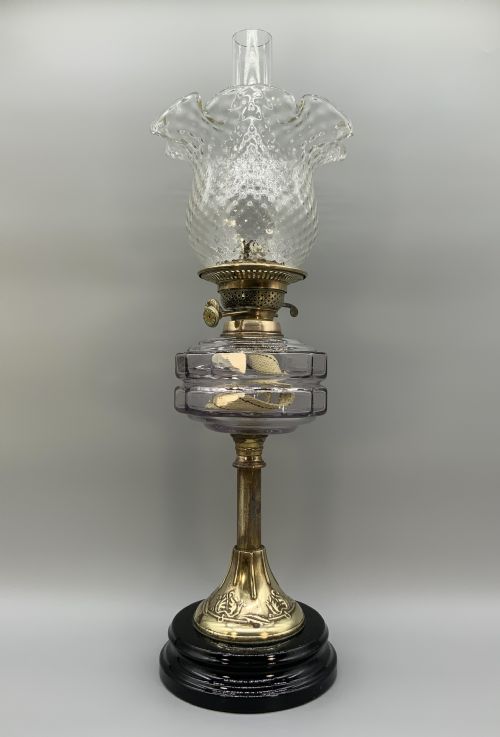
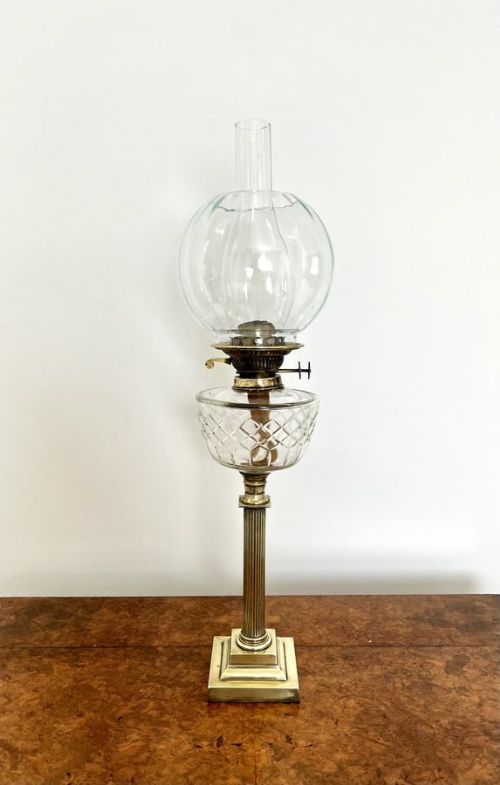
These clear glass chimney lamp examples combine brass, ceramic, and glass to light rooms through the Victorian and Art Nouveau periods.
Clear Glass Chimney Lamp
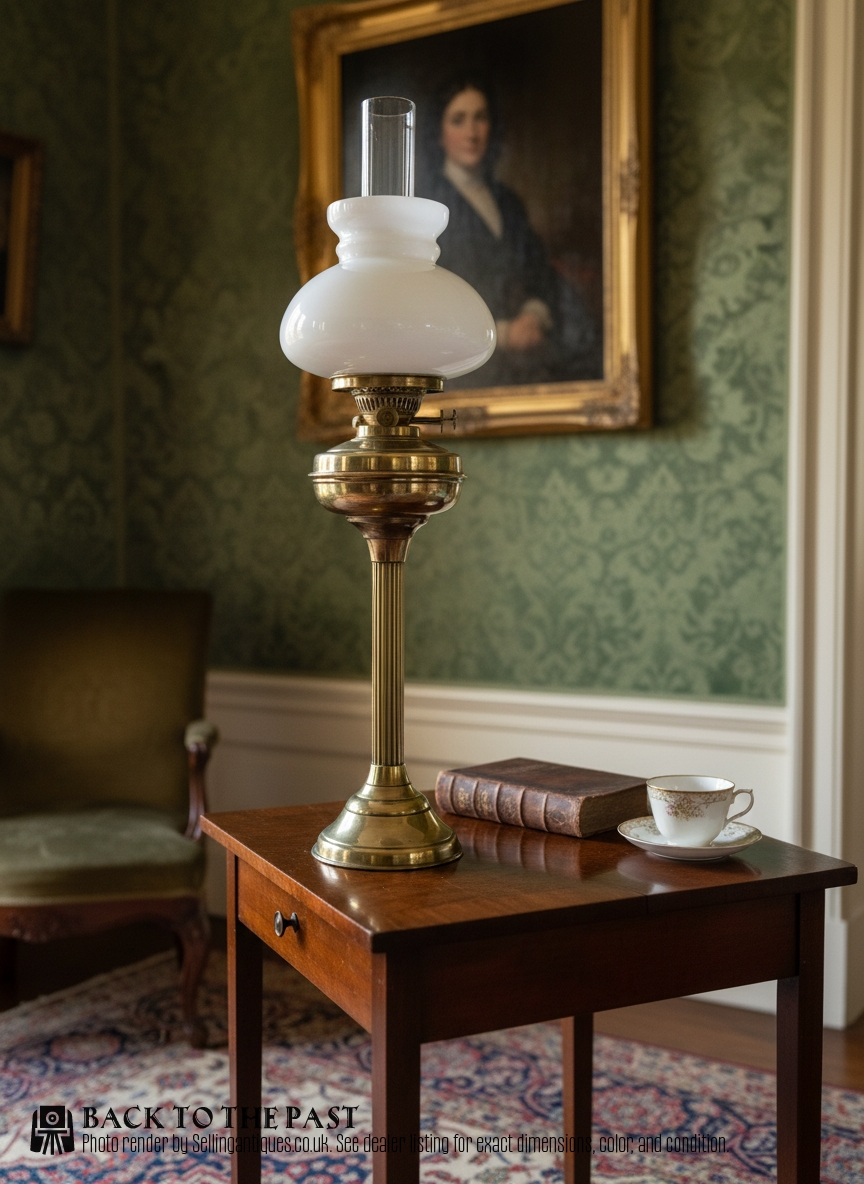
A clear glass chimney lamp provides domestic illumination using oil burned through a wick enclosed by a protective glass chimney. Most pieces encountered on this page date from the nineteenth century, spanning Victorian and Art Nouveau styles.
The physical form typically combines a metal or ceramic base with a glass fuel reservoir and a tall, transparent chimney. Some examples incorporate twin burners or terrestrial globe shades to diffuse the light.
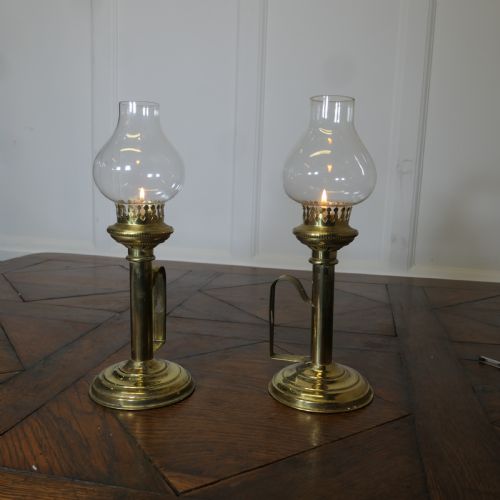
Makers such as Messengers and retailers like Harrods produced these lighting fixtures during the height of the oil lamp era. Buyers also encounter brass candlesticks fitted with glass chimneys among the available types.
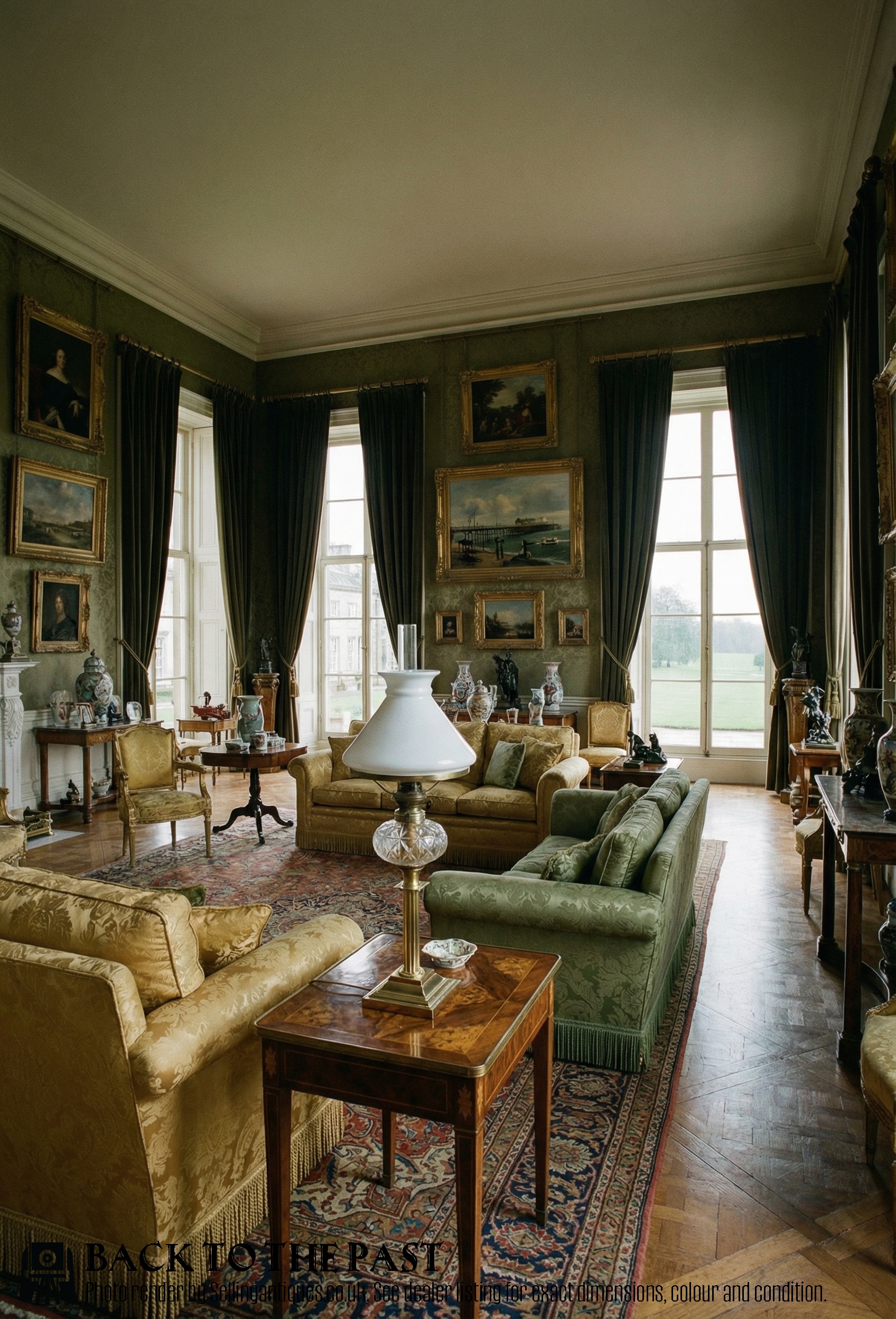
How they were made
Makers fashioned the structural bases from cast and spun brass, sometimes pairing the metal with ceramic bodies or cut glass reservoirs. Hand-blown glass formed the chimneys and shades, creating variations in thickness and transparency across individual pieces.
Metalwork involved turning and joining brass components to support the weight of the glass oil fonts safely. Artisans shaped ceramic elements by hand or in moulds before glazing and firing them for use in table lamps.
Listings feature items from the 1860s, 1870s, 1880s, 1900, and the wider 19th century.
What varies in quality
Quality reveals itself in the weight and proportion of the brass components and the clarity of the glass. Superior examples show crisp casting in the metal mounts and careful hand-blowing in the shades and chimneys.
The integration of materials distinguishes finer pieces, such as those combining cut glass reservoirs with solid brass bases. Maker attribution, including marks from firms like Messengers, elevates certain lamps above standard production pieces.
Messengers·Harrods
The Clear Glass Chimney Lamp Glossary
- Chimney
- A tall, cylindrical glass tube placed over the burner to steady the flame and draw air upwards. It protects the flame from draughts.
- Font
- The reservoir that holds the lamp oil, usually made of glass, ceramic, or metal. It sits atop the base and feeds the burner.
- Burner
- The metal mechanism screwed to the top of the font that regulates the wick and flame. Twin-burning versions accommodate two wicks for greater illumination.
- Terrestrial globe shade
- A spherical glass shade painted or moulded to resemble a map of the earth. These enclose the burner on specific decorative table lamps.
Clear Glass Chimney Lamp: Frequently Asked Questions
How do I date a clear glass chimney lamp?
Dating relies on stylistic clues, such as the transition from plain Victorian brass to flowing Art Nouveau ceramic forms. Period markers also appear in the manufacturing techniques of the glass and brass components.
Evidence on this page shows pieces originating from the eighteen sixties through to nineteen hundred. Examining the burner mechanisms and base construction helps narrow down the decade of manufacture.
Were these lamps used with kerosene?
These fixtures burned paraffin or similar lamp oils popular during the nineteenth century. The wick draws fuel from the lower reservoir up to the burner.
Air drawn through the clear glass chimney ensures a steady, bright flame. The metal collar holds the wick mechanism securely above the fuel.
Can I use modern oil in them?
Using standard liquid paraffin designed for indoor oil lamps is the usual practice for historical lighting. The wick must be trimmed flat and allowed to absorb the fuel before lighting.
Care is necessary to ensure the glass chimney is free from cracks before use. The heat from the flame expands the glass, so thermal shock should be avoided.
What is the difference between Victorian and Art Nouveau lamps?
Victorian lamps tend to feature formal brass structures, cut glass, and symmetrical proportions. They often emphasise weight and traditional ornamentation.
Art Nouveau examples introduce organic curves, ceramic integration, and hand-blown shades with flowing lines. These later pieces reflect a shift towards decorative naturalism around nineteen hundred.