


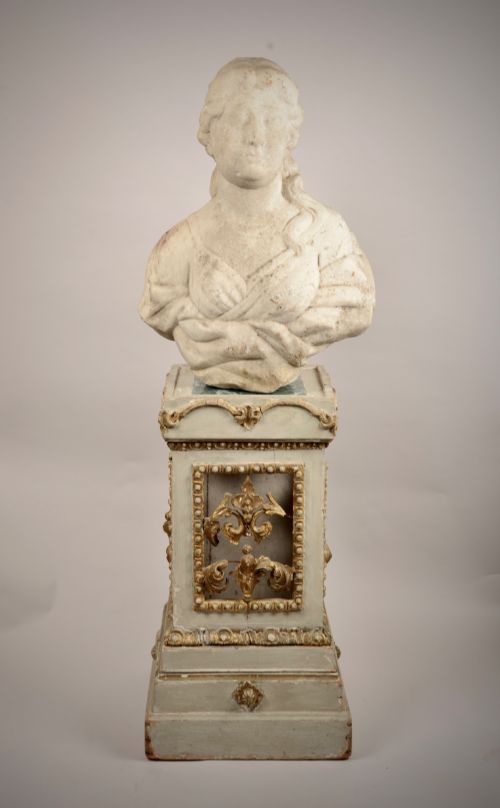

White Marble Portrait Bust
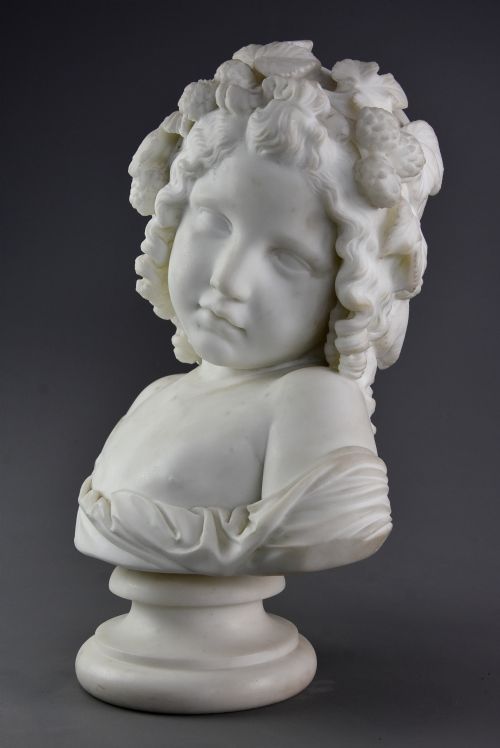
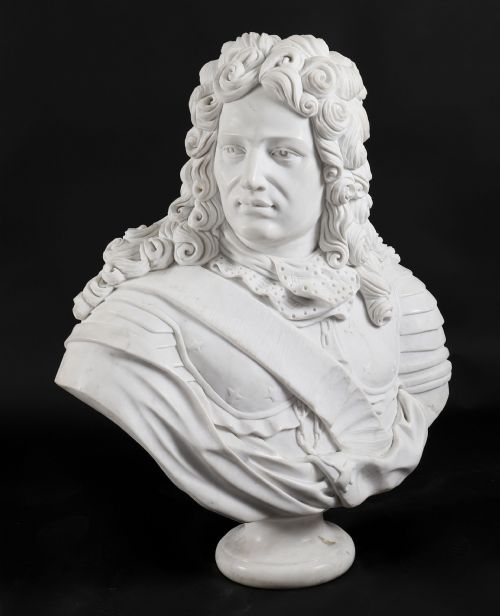
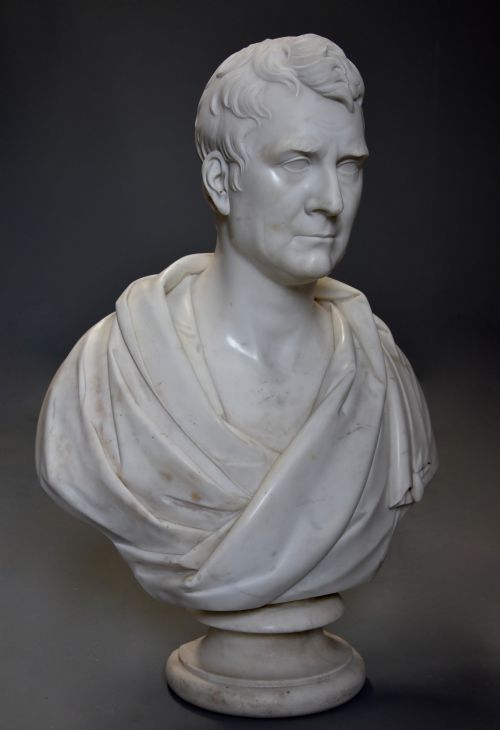
A white marble portrait bust brings classical gravity into a room, capturing figures from mythology, history and private life in carved stone.
White Marble Portrait Bust
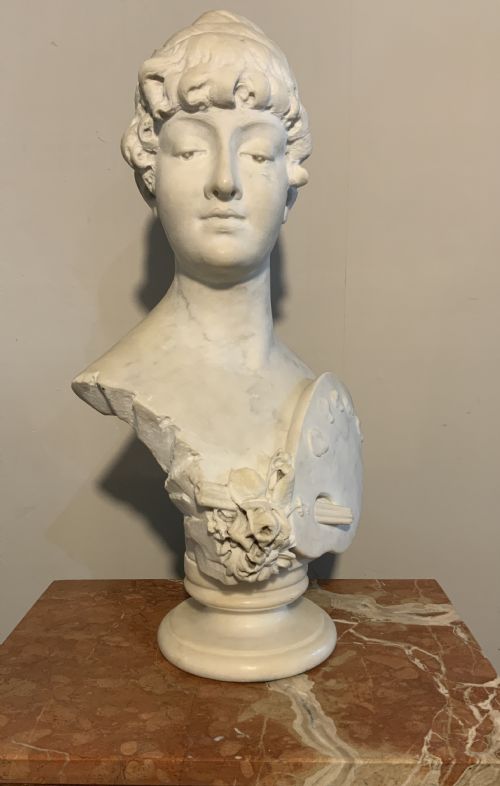
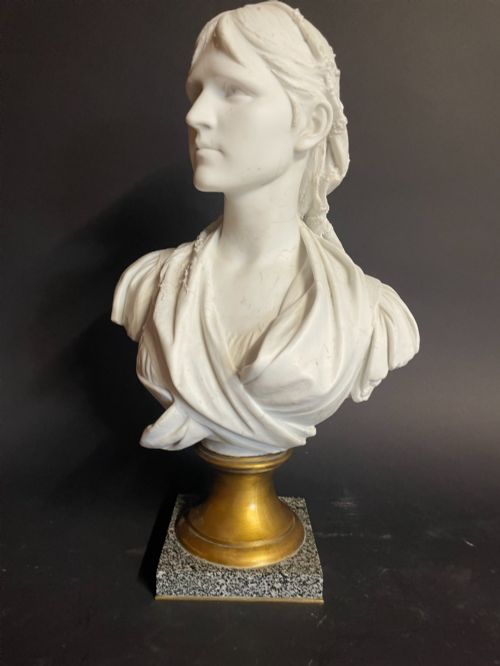
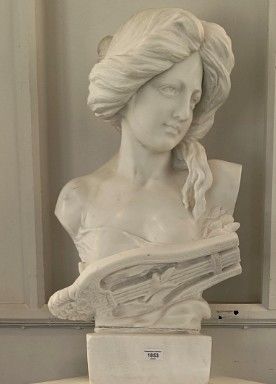
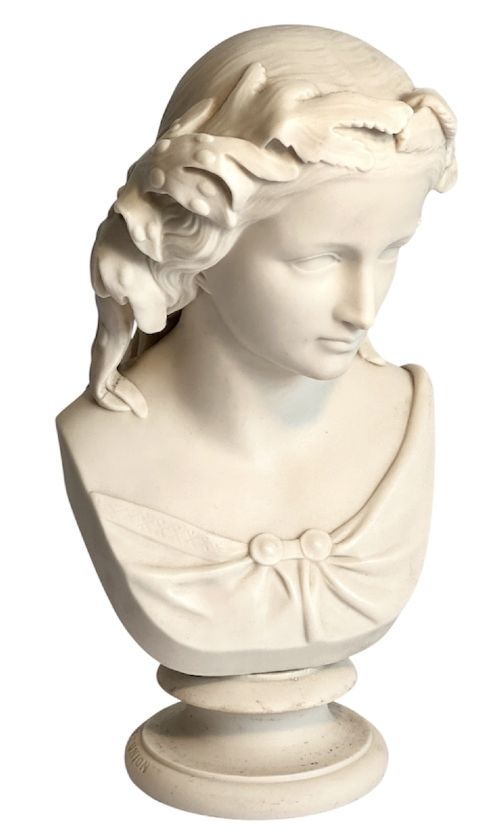
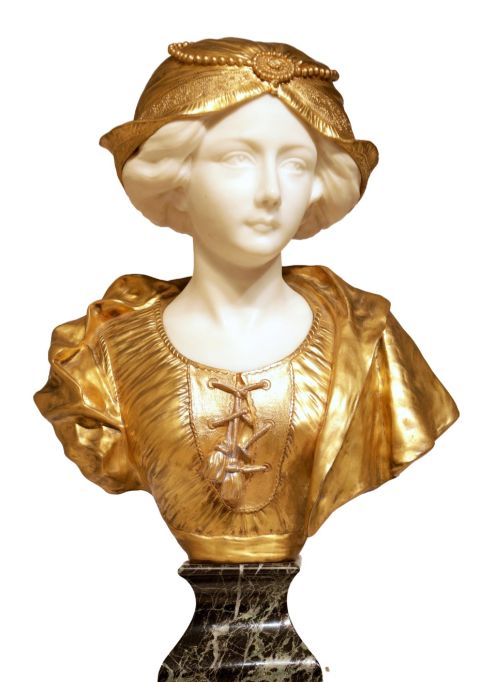
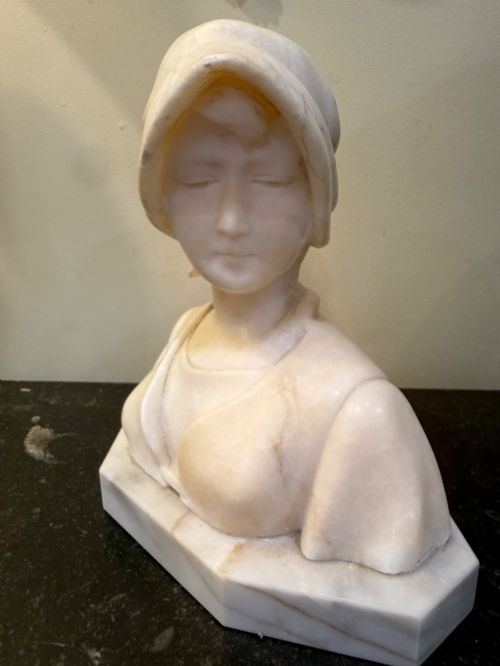
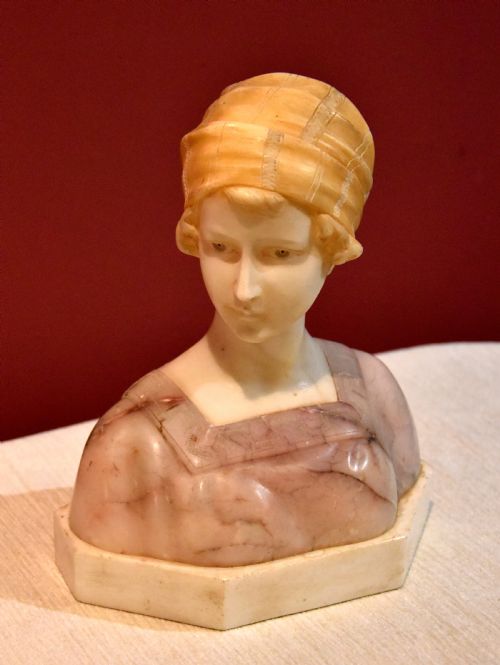
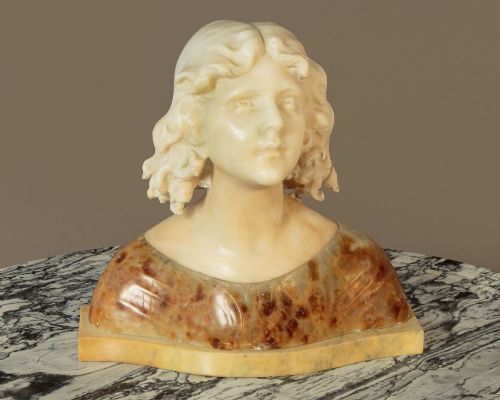
When you search for a white marble portrait bust, you encounter sculpted likenesses carved from stone, alabaster and Parian porcelain across the seventeenth, eighteenth and nineteenth centuries. These pieces range from monumental civic portraits of named gentlemen and classical deities to quiet studies of young girls and Italian noblemen.
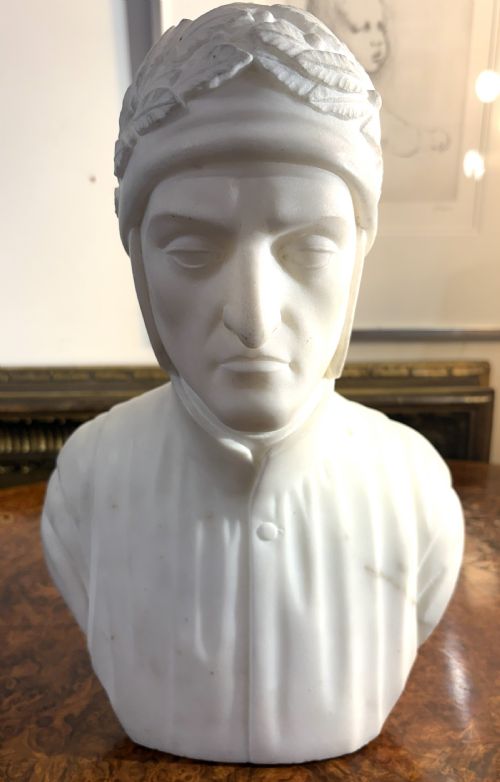
You are most likely to meet nineteenth-century examples on this page, particularly Neoclassical and Victorian interpretations of women, literary figures like Dante, and Roman emperors. The forms include library busts on pedestals, wall plaques, and mixed marble compositions set upon contrasting bases.
Subjects span historical politicians, mythological muses such as Erato, and anonymous local youths rendered in profile or full relief. Italian workshops dominate the origin of these carvings, though English and French interpretations also appear.
Materials and carving techniques
Carvers utilised fine-grained Carrara marble and softer translucent alabaster, working the stone with chisels, rasps and drills to achieve the smooth skin and detailed drapery seen in these sculptures. Selected pieces combine white marble with ormolu mounts, gilt bronze or contrasting green Vert de Mer marble bases.
Makers shaped the stone by hand, often following classical prototypes or signing their finished work directly on the truncation or rear pillar. Parian porcelain examples replicated this sculptural ambition through industrial ceramic casting and firing.
Roman emperors and fictional muses share shelf space here with nineteenth-century members of parliament and a rather dignified Dutch girl.
Distinctions in execution
Quality rests in the subtlety of the carving, where the treatment of hair, eyelids and fabric folds shows the hand of a skilled sculptor rather than a mechanical workshop copy. The choice of stone matters too, as dense, unblemished Carrara marble takes finer detail than softer stone.
Signed works by recorded sculptors hold greater distinction, reflecting the artistic reputation of the maker. The natural movement in the subject's pose and the anatomical accuracy of the facial structure separate standard decorative pieces from accomplished sculptural art.
Affortunato Gory·Auguste Henri Carli·Copeland Parian Ware·G.V. Vaerenbergh·Houdon·J Francis·John Wenlock Rollins·Mieczyslaw Leon Zawiejski
The White Marble Portrait Bust Glossary
- Parian porcelain
- A fine biscuit porcelain developed in the nineteenth century to imitate white marble. It allowed manufacturers to produce smooth, detailed portrait busts at a smaller scale.
- Alabaster
- A soft mineral stone used for carving sculpture, prized for its translucency. It permits a warm glow when light passes through the carved surface.
- Neoclassical
- A style spanning the eighteenth and nineteenth centuries that drew inspiration from the art and culture of classical antiquity. It prioritises clean lines, classical dress and noble subjects.
- Truncation
- The straight-cut lower edge where a bust terminates above the shoulders or chest. Older carvings often feature simple, straight shoulders while later Victorian pieces introduce varied curves.
White Marble Portrait Bust: Frequently Asked Questions
How do I clean a marble bust?
Dust the stone gently with a dry, soft microfibre cloth to prevent dirt settling into the porous surface. Avoid using water, soap or chemical cleaners, which can damage the unsealed marble or stain the stone.
For stubborn dust in carved crevices, use a soft-bristled artist's paintbrush. Professional restoration is necessary if the stone requires deeper cleaning.
Where should I display a heavy marble sculpture?
Place the bust on a sturdy pedestal, torchiere, or heavy wooden library table capable of supporting substantial stone weight. Ensure the furniture sits on level flooring away from direct heat sources and sunlight.
Position the piece at eye level to appreciate the carved details of the face and hair. Adequate lighting from the side will accentuate the contours of the marble.
How can I tell alabaster from marble?
Test the hardness of the material subtly, as alabaster is soft enough to be scratched with a fingernail or coin, whereas marble resists scratching. Alabaster also possesses a natural translucency when held near a light source.
Marble feels colder to the touch and displays a crystalline sparkle within the stone grain. Alabaster often exhibits warmer tones with subtle veining throughout.
What is the difference between Carrara and regular marble?
Carrara marble originates specifically from the quarries of Tuscany, renowned for its consistent white background and soft grey veining. Regular marble encompasses a wider variety of stone from global geological sources with differing colours and mineral impurities.
Sculptors favoured Carrara for portrait busts because its uniform crystal structure allows for delicate undercut carving.