

White Glazed Dish
A white glazed dish brings centuries of earthenware and porcelain craft to the table, offering classic blue and white patterns and tin-glazed surfaces for modern homes.
White Glazed Dish
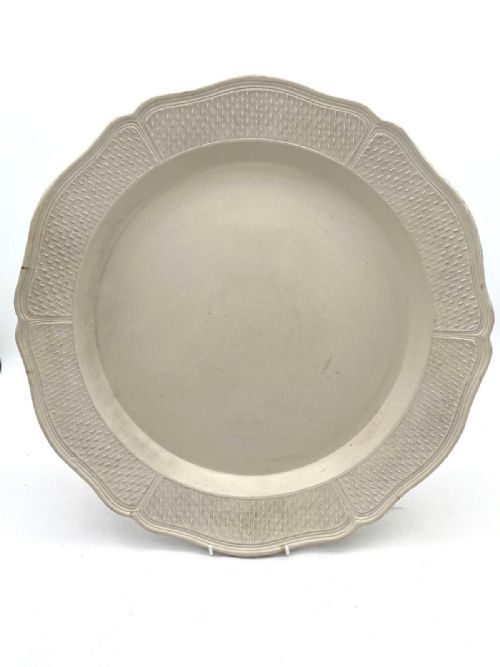
A white glazed dish spans several centuries of ceramic production, including large chargers, shallow bowls, and serving platters. The search phrase covers domestic earthenware and porcelain items intended for both display and table use.
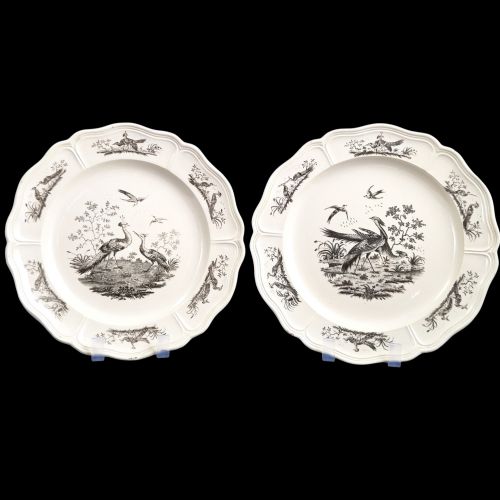
The pieces appearing on this page originate predominantly from the seventeenth, eighteenth, and nineteenth centuries. Examples range from English and Dutch delftware to Chinese porcelain and Victorian ceramic tableware.
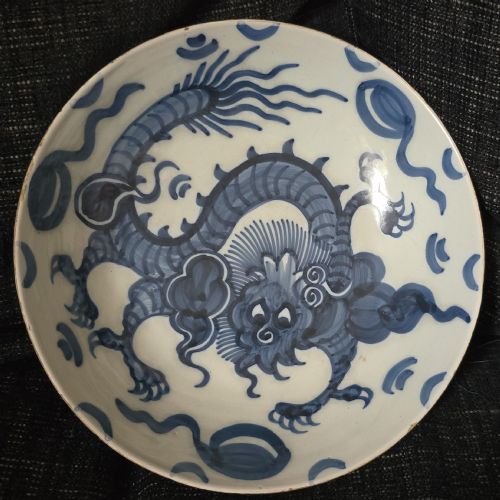
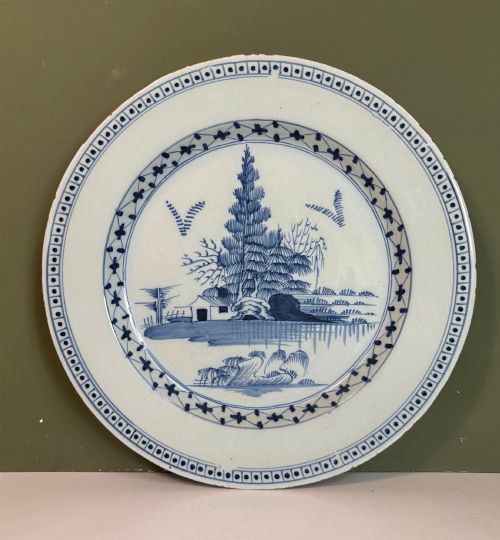
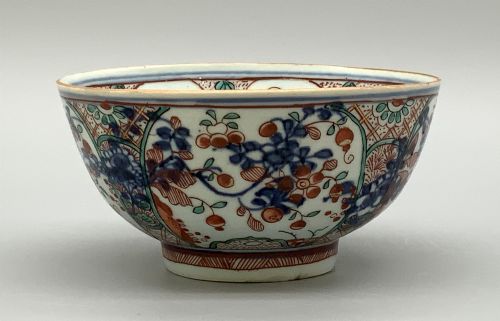
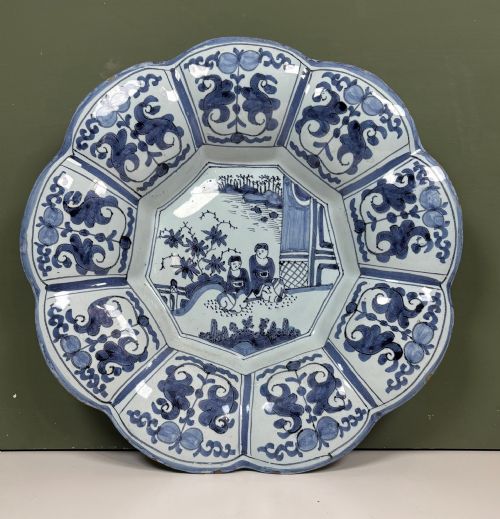
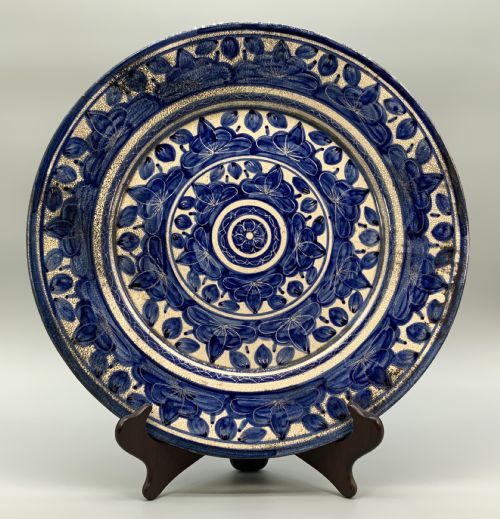
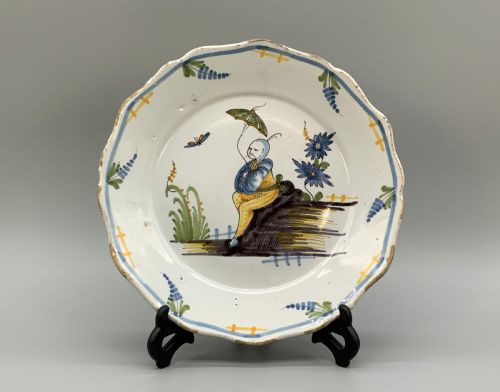
Buyers will most frequently encounter eighteenth-century delft chargers and plates alongside nineteenth-century pottery patterns. These items often display hand-painted blue and white designs or polychrome palettes on tin-glazed bodies.
Materials and construction methods
Potters formed these items using earthenware, stoneware, or porcelain, applying an opaque tin glaze to create a smooth white surface suitable for painting. Artisans utilised cobalt oxide and pigment to execute intricate motifs directly onto the unfired glaze.
Kiln firing transformed the shaped clay and mineral glazes into durable household goods, fixing the hand-painted details beneath a glassy sheen. Many eighteenth-century chargers and plates received an additional clear lead glaze to protect the pigments during high-temperature firing.
Period examples documented on this page stretch from the seventeen-hundreds through the Victorian era.
Quality factors in antique ceramics
The distinction between standard domestic items and superior examples lies in the crispness of the hand-painted decoration and the uniformity of the glaze. Finer pieces demonstrate steady brushwork and balanced compositions, particularly within Chinoiserie and floral patterns.
The stability of the ceramic body and the historical integrity of the glaze surface influence overall desirability. Better specimens retain their original colouring and structural form with minimal disruption from centuries of handling.
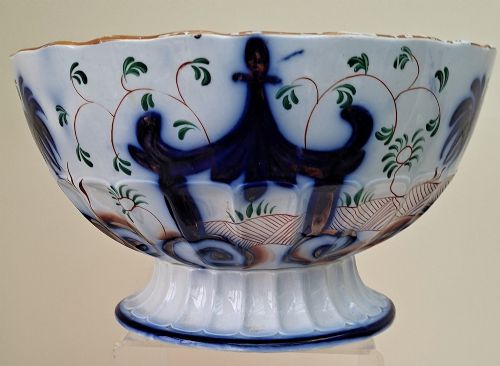
Chamberlains Worcester·John Ridgway
The White Glazed Dish Glossary
- Tin Glaze
- An opaque white ceramic coating containing tin oxide that provides a canvas for painted decoration. This technique defines traditional delftware and faience production across Europe.
- Charger
- A large ornamental or serving plate intended for display on a sideboard or table. These substantial pieces often measure significant diameters and carry elaborate painted scenes.
- Chinoiserie
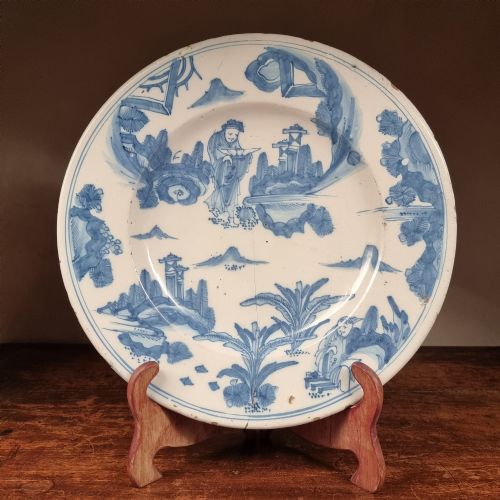
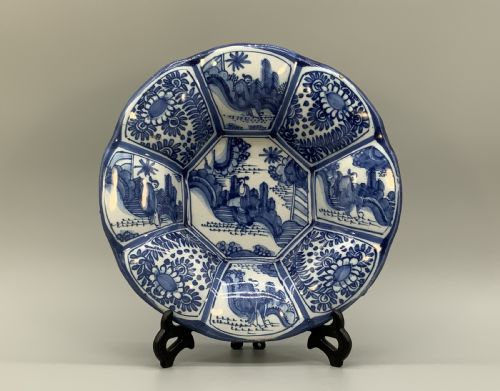
- A European artistic style reflecting Chinese aesthetic motifs, commonly seen on eighteenth-century delftware plates and dishes. Artisans rendered imaginary oriental landscapes and figures in blue and white pigments.
- Polychrome
- A decoration method utilising multiple distinct colours rather than a single pigment. Bristol and Dutch workshops applied various mineral tones to create vibrant floral and pictorial designs.
- Kraak Style
- A seventeenth-century Chinese porcelain design featuring panelled borders and central botanical motifs, which heavily influenced European delftware copiers. Dutch potters imitated these imports on large earthenware dishes.
White Glazed Dish: Frequently Asked Questions
How were white glazed dishes used historically?
These items served functional roles at the dining table for meat, sweets, and general provisions, alongside purely decorative displays on walls and sideboards. Large chargers often occupied central places in dining rooms during formal meals.
Smaller plates and bowls accommodated daily household dining and specialised tasks such as barbering or bleeding. Their glazed surfaces protected the underlying clay from moisture and food acids during use.
How do I care for an antique white glazed dish?
Display these pieces away from areas prone to heavy vibrations and direct sunlight to protect the fragile tin glaze and painted pigments. Gentle dusting with a dry cloth keeps the surface clean without risking abrasion.
Avoid immersing antique earthenware in water or using modern dishwashers, as moisture can infiltrate old ceramic bodies and cause crazing or flaking. Professional plate hangers or specialised stands provide secure support for wall or shelf display.
What does Chinoiserie mean on these dishes?
Chinoiserie refers to European interpretations of Chinese artistic motifs, popular among delftware and porcelain makers during the seventeenth and eighteenth centuries. Artisans painted imaginative pavilions, figures, and foliage using blue pigment on white glazed backgrounds.
This style allowed local European potteries to emulate the expensive imported wares arriving from East Asia. The resulting dishes combined familiar European forms with exotic decorative elements.