

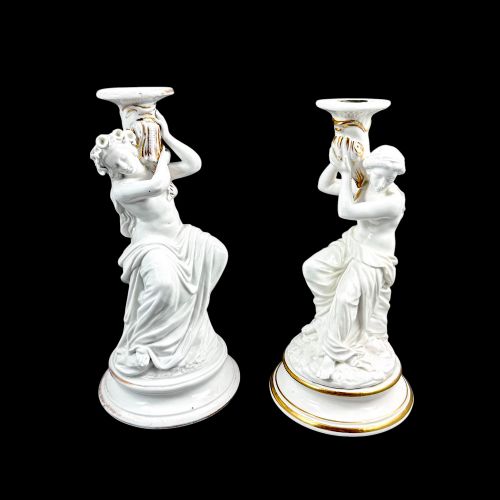


White Glaze Staffordshire Figure
These white glaze staffordshire figure pieces bring Victorian character to a room, offering tactile historical charm through moulded earthenware portraits and animals.
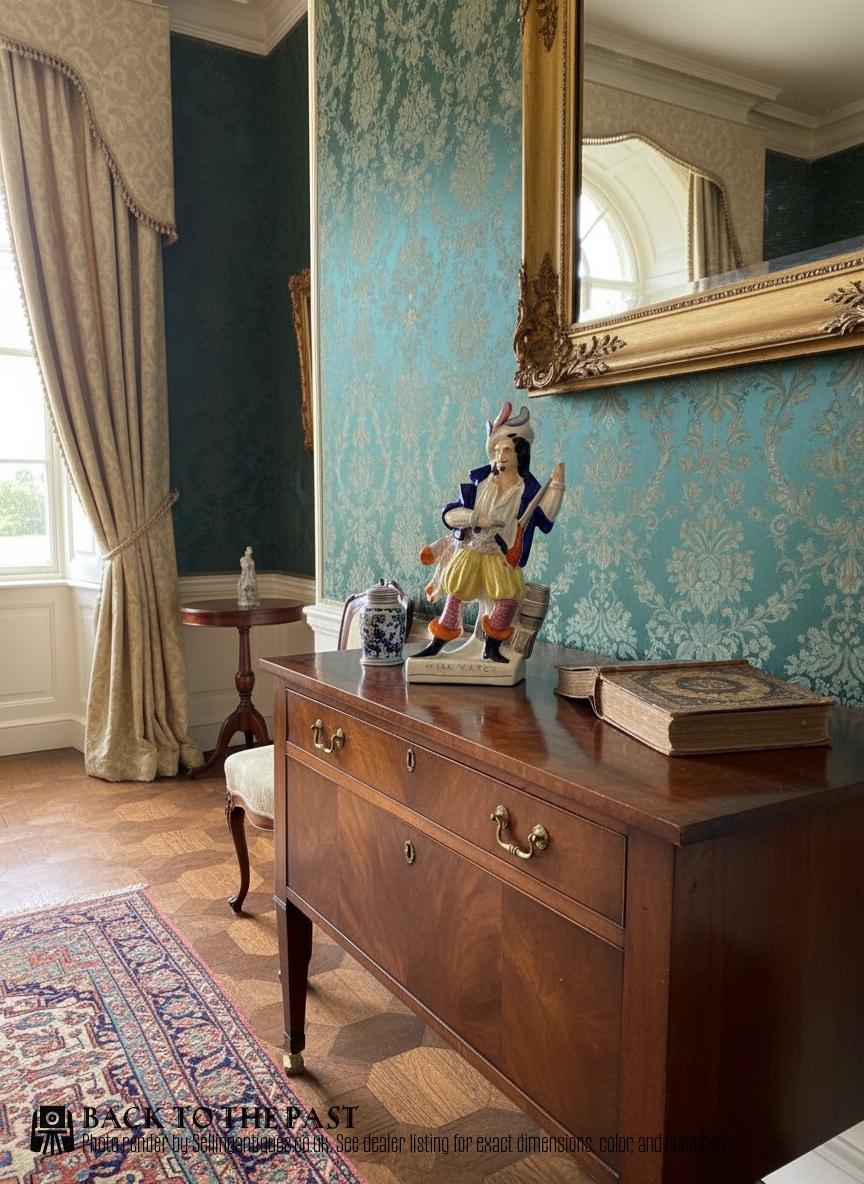
White Glaze Staffordshire Figure
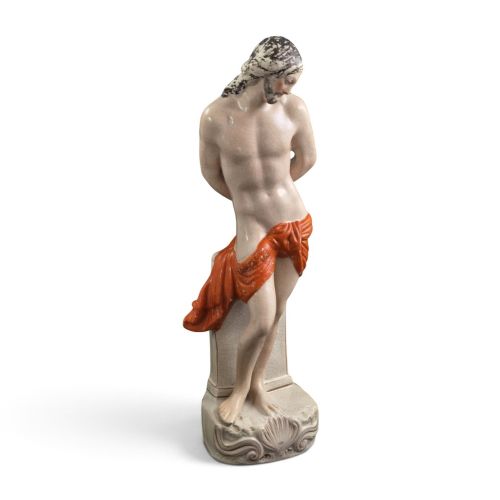
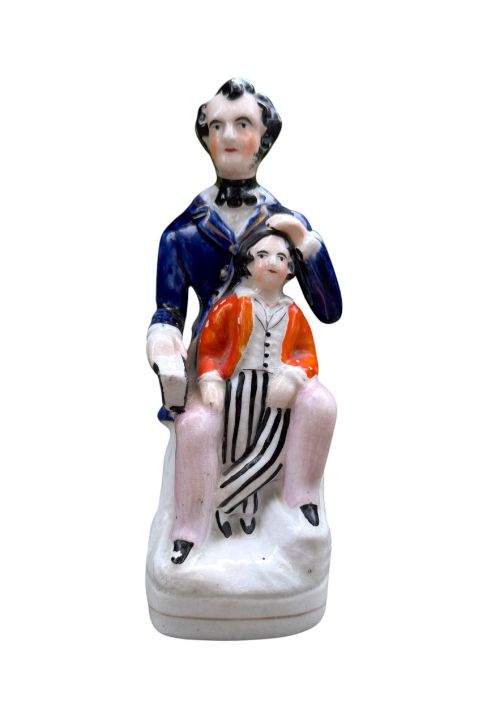
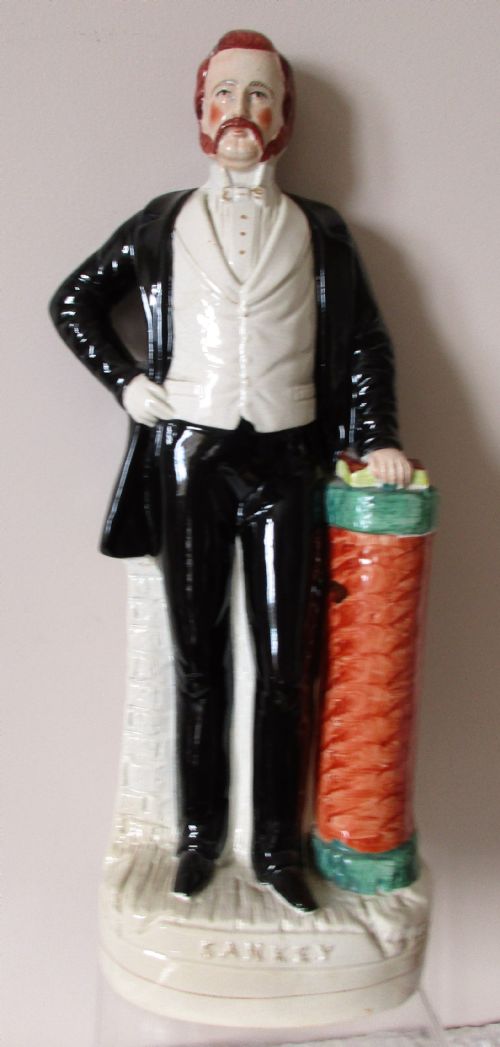
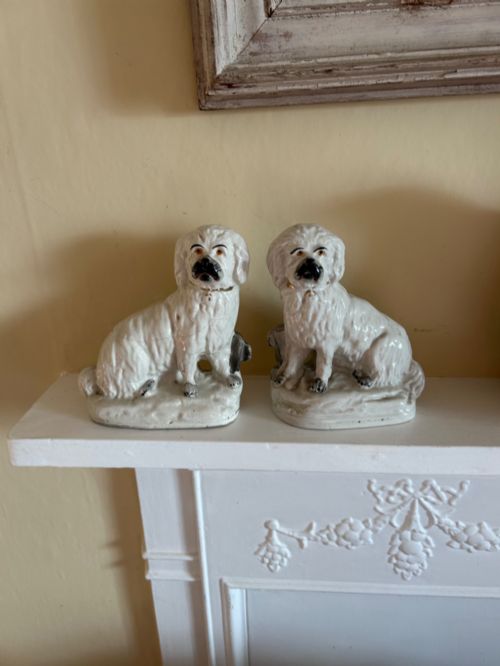
A white glaze staffordshire figure collection typically presents earthenware animals, portraits of royalty, literary subjects, and historical groups shaped during the nineteenth century. These objects include seated spaniels, poodles, pairs of dogs, flatback portrait figures, and functional inkwells or watch-holders originating from Victorian potteries.
The most common pieces encountered on this page are matched pairs of dogs or domestic animals, alongside flatback figures designed to sit neatly against a mantelpiece. Formats range from miniature poodles and sheep to large commemorative groups depicting military leaders and royal weddings.
Originating largely from Victorian workshops, these ceramic figurines capture the popular tastes of the Georgian and Victorian eras. Their subjects span from domestic pets to allegorical themes like Peace and Plenty, reflecting the domestic sentiment and public interests of nineteenth-century Britain.
Materials and production methods
Moulds formed the basic body of each flatback or sculptural group, allowing workshops to replicate popular subjects efficiently. Artisans then added details by hand before firing the ceramic body in kiln conditions that produced the characteristic finish.
Listings feature Victorian earthenware alongside earlier Georgian pieces, spanning portrait groups, animals, and functional inkwells.
Distinctions in quality and execution
Quality rests in the crispness of the moulding and the delicacy of the enamel painting applied over the glaze. Superior examples retain clear facial expressions and precise gilt work without blurring or running into the white ceramic body.
The sophistication of the modelling separates standard production pieces from finer sculptural portraits and matched pairs. Better workshops achieved balanced proportions and lively postures, particularly in animal figures such as greyhounds, poodles, and spaniels.
Thomas Parr·Sutherland And Sons
The White Glaze Staffordshire Figure Glossary
- Flatback
- A figure moulded with a finished front and a flat, unglazed or minimally decorated back designed for display against a wall or mantelpiece. This construction method saved clay and reduced weight for large portrait groups.
- Earthenware
- A porous pottery body fired at lower temperatures, commonly used for nineteenth-century Staffordshire figures before glazing. It forms the structural base for enamel paint and lead glaze.
- Lead glaze
- A glossy coating containing lead oxide applied to pottery to create a smooth, waterproof surface. It gives these white figures their characteristic reflective sheen.
- Enamel paint
- Vitreous colours applied over the fired glaze and refired at a lower temperature to fix the pigments. This technique added bright hues to eyes, collars, and garments.
- Quill holder
- A desk accessory incorporating a modelled figure or animal with small apertures designed to hold writing quills. These functional ceramics combined utility with Victorian parlour decoration.
White Glaze Staffordshire Figure: Frequently Asked Questions
What subjects do these figures show?
The subjects range from domestic animals like spaniels, poodles, and terriers to royal portrait figures and historical groups. Potters also depicted literary characters, actors, and allegorical scenes.
Many pieces commemorate specific historical events, such as the Crimean War or royal weddings, capturing the public figures of the nineteenth century.
Were these figures meant for display?
Most pieces served as decorative ornaments for parlour mantelpieces, sideboards, and bookshelves during the Victorian period. Their cheerful presence suited the domestic interior tastes of the nineteenth century.
Some specialised forms, such as inkwells and quill holders, combined decorative figural sculpture with practical desk utility.
How do I care for glazed earthenware?
Keep these ceramic pieces away from direct, strong sunlight to prevent any painted enamel colours from fading over time. Dust them gently with a soft, dry cloth rather than using liquid cleaners.
Handle them with care around protruding details like ears or limbs, as the earthenware body can chip if knocked against hard surfaces.